


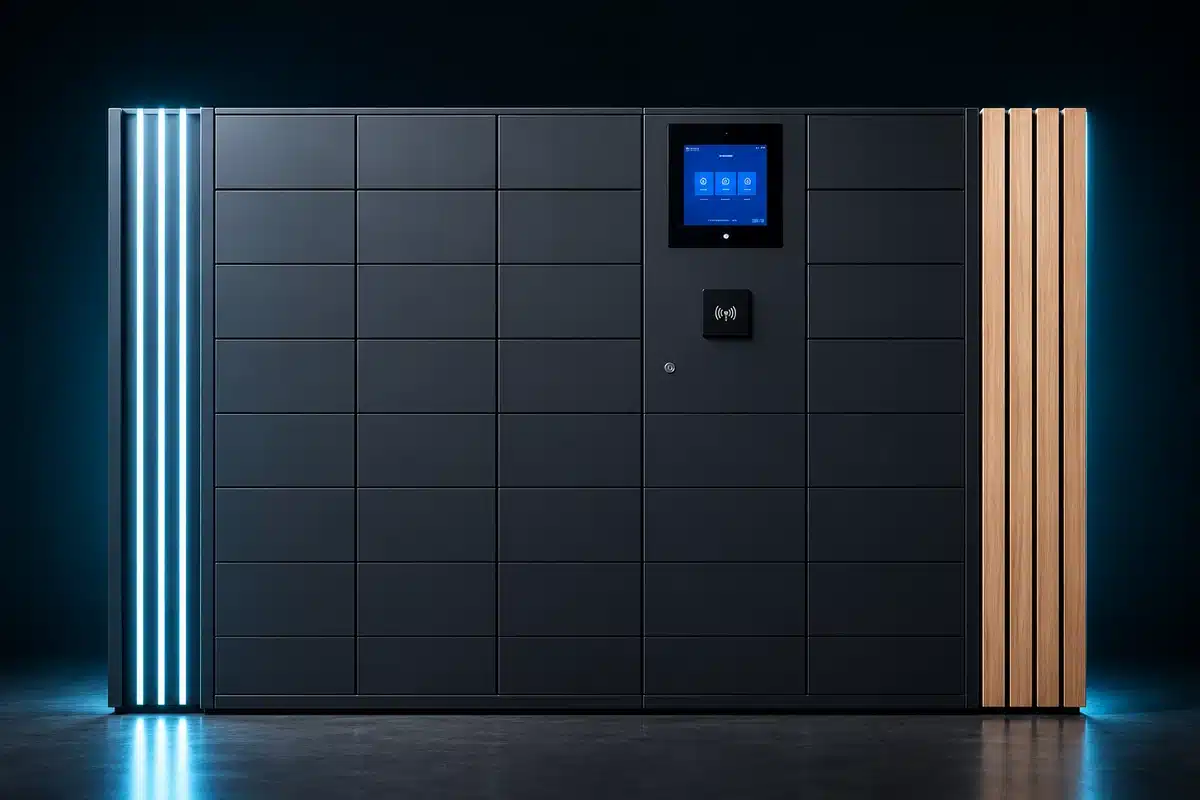






From Chaos to Control: Manual Storage vs Smart Lockers in Action
Manual storage systems create friction at every step — queues build, staff become bottlenecks, and operations slow down under pressure.
This video shows the real difference between staff-managed storage and smart locker automation.
Watch how:
– Manual handling creates delays, errors, and congestion
– Peak demand overwhelms staff and breaks flow
– Smart lockers remove bottlenecks with self-service storage
– Automated systems enable faster throughput, lower costs, and consistent operations
See how organisations move from reactive, labour-heavy processes → to scalable, high-performance storage systems.
Manual Storage vs Smart Lockers — Quick Comparison
Manual Storage (Staffed)
Smart Lockers (Self-Service)
Manual Storage vs Smart Lockers - Full Comparison table
Manual Storage (Staffed / Informal)
The Core Difference
Manual Storage = Labour-Based Process
- Staff receive, tag, store, and retrieve items
- Every interaction requires human involvement
- Performance limited by staffing levels
Smart Lockers = Automated System
- Users store and retrieve items independently
- No staff involvement required
- Designed for high-volume, peak-demand environments
Throughput & Speed (The Biggest Operational Gap)
Manual Storage
- ~30–60 seconds per item
- 1 staff member = ~60–120 items/hour
- Queues grow rapidly during peak periods
Smart Lockers
- ~5–10 seconds per transaction
- 1 locker = ~400–500 uses/hour
- Continuous, uninterrupted flow
Impact on Peak Demand & Queues
Manual Storage
- Queues form quickly
- Staff become bottleneck
- Customer frustration increases
- Flow breaks down
Smart Lockers
- No queue dependency
- Parallel usage (many lockers at once)
- Stable performance during peaks
Asset locker systems
provide a scalable way to manage equipment access without relying on staffed collection points or manual handovers.
Staffing & Operational Cost
Manual Storage
- High staffing requirements
- Ongoing labour cost
- Staff diverted from core roles
Smart Lockers
- Minimal staffing required
- Automated operation
- Reduced cost-to-serve
Accuracy, Security & Accountability
Manual Storage
- Human error (misplaced items)
- Lost tickets or tags
- Disputes common
- Limited accountability
Smart Lockers
- System-controlled access
- Full audit trail
- Secure individual compartments
- Minimal disputes
User Experience
Manual Storage
- Waiting in line
- Staff interaction required
- Delays during busy periods
Smart Lockers
- Instant self-service
- No waiting
- Fast and predictable
Data, Visibility & Control
Manual Storage
- No usage data
- No performance tracking
- No visibility into demand
Smart Lockers
- Real-time usage analytics
- Demand visibility
- Full operational reporting
Scalability Across Sites
Manual Storage
- Difficult to scale
- Inconsistent across locations
- Dependent on local staff
Smart Lockers
- Standardised across sites
- Centrally managed
- Scales easily with demand
Revenue & ROI
Manual Storage
- Typically free or low-cost
- No structured monetisation
- High cost-to-serve
Smart Lockers
- Paid usage models
- High-margin revenue stream
- Full revenue tracking
Real-World Impact Example
10,000 Visitor Event Scenario
- 3,500 bags (35% uptake)
Manual Storage
- ~35 sec per bag
- Requires ~20+ staff
- Queue buildup (400–800 people)
Smart Lockers
- ~8 sec per transaction
- Minimal staff
- No queue buildup
- Faster entry flow
When Manual Storage Still Works
Very low-volume environments
Small venues with minimal demand
Non-peak operations
When Smart Lockers Are the Better Choice
Smart lockers are ideal for:
- High-traffic venues and events
- Hotels and hospitality
- Workplaces and logistics
- Leisure and sports environments
- Any environment with peak demand