

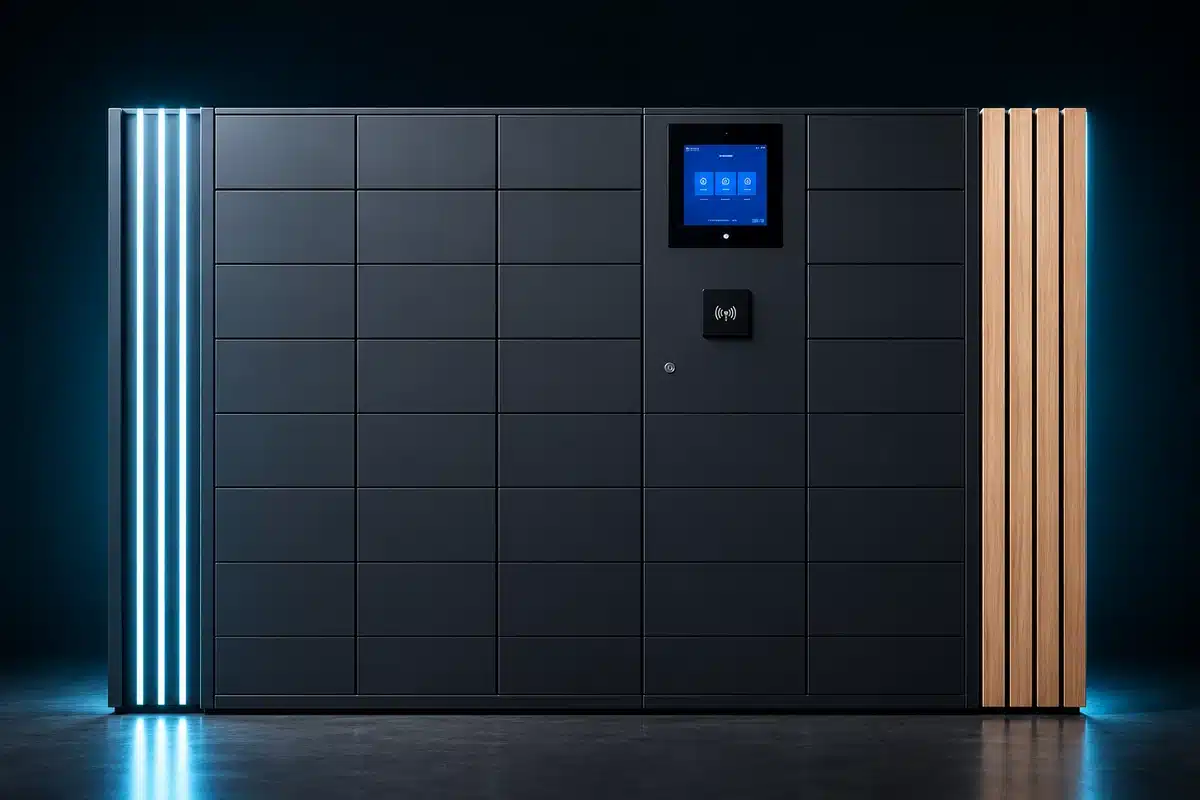




Storage is often treated as simple — but as demand increases, traditional systems begin to fail. Manual storage creates queues, increases staffing costs, and introduces inconsistency across operations.
As organisations scale, the way storage is managed becomes a critical operational decision. This page brings together all major storage comparisons to help you understand which systems deliver speed, control, and scalability.
Smart lockers are not just an upgrade – they are the system replacing all others.
Vpod’s smart locker systems combine digital access, centralised management and automated workflows, providing a more flexible alternative to traditional locker and manual storage systems
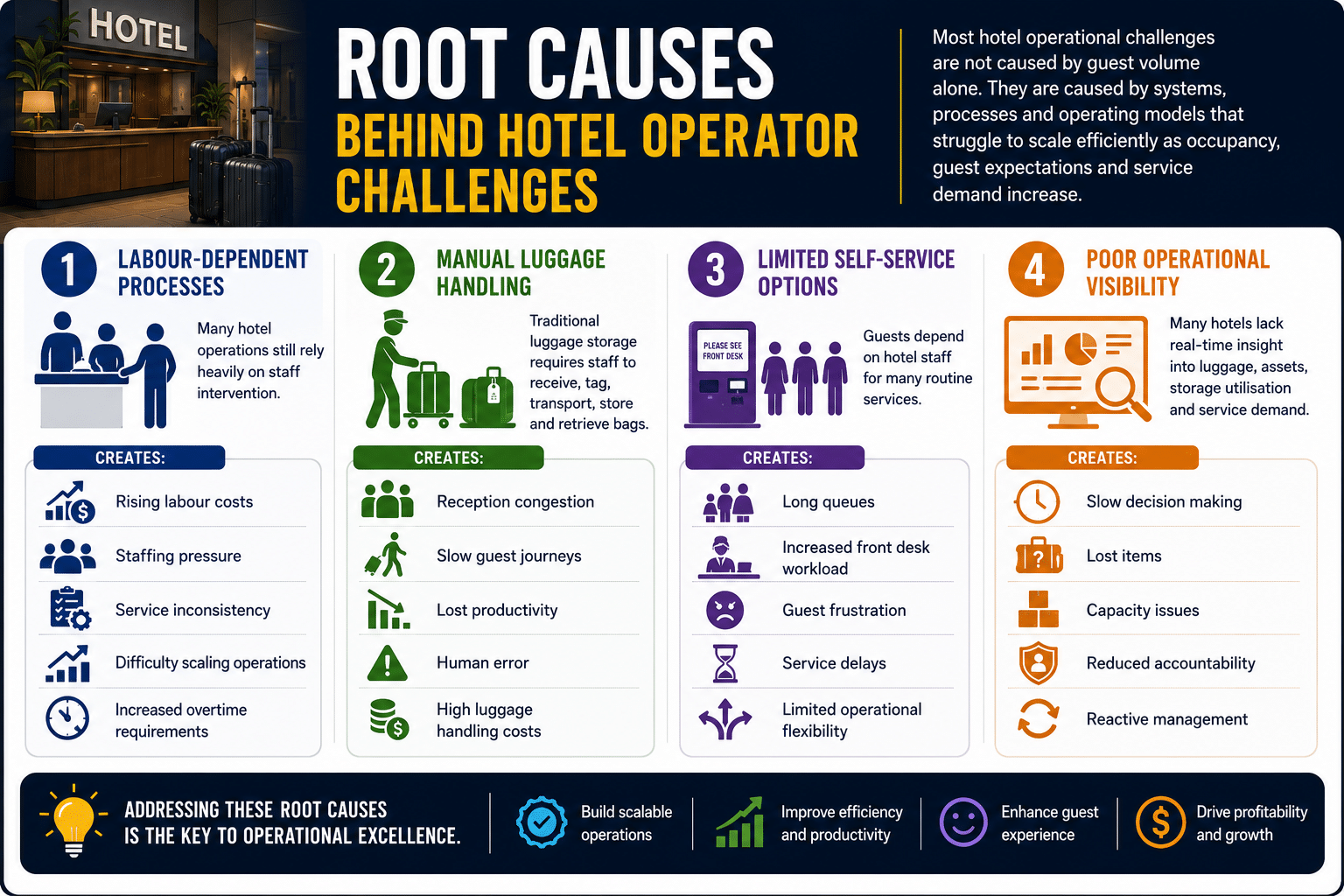
Why Traditional Storage Systems Break at Scale
Manual and staff-led storage systems struggle to operate efficiently under increasing demand. As usage grows, these systems introduce operational friction that impacts performance, cost, and user experience.
- Staff dependency creates bottlenecks at peak times
- Manual handling slows throughput and creates queues
- No audit trail or accountability for stored items
- Difficult to scale across multiple locations
- No revenue generation or operational visibility
- No automated workflows
- No Self Service
- No integrations into other key digital systems
Vpod’s smart locker systems for sports and leisure provide secure, digitally managed storage that can support high visitor volumes and flexible access requirements.
Quick Comparison — Traditional vs Smart Lockers
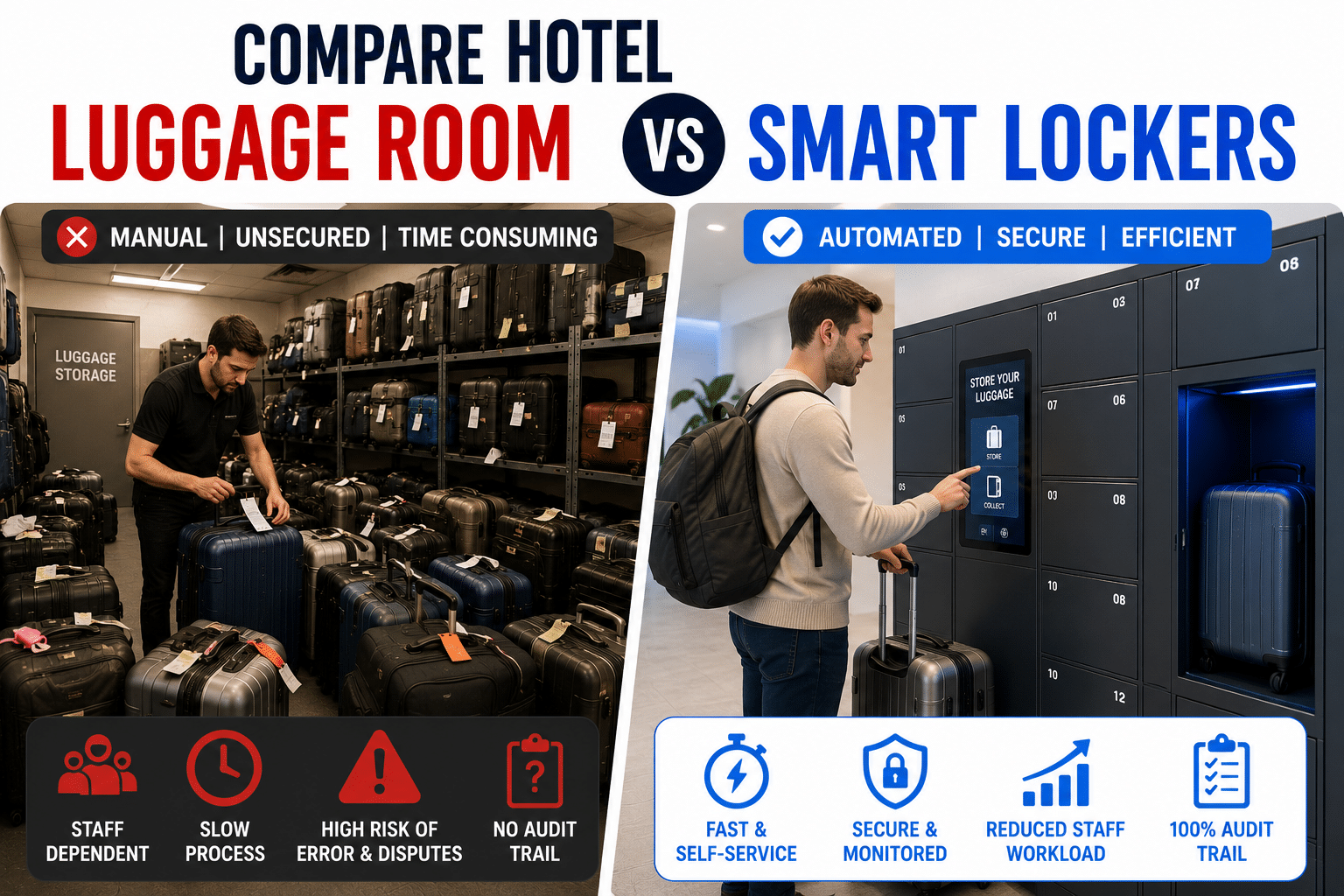
This comparison highlights the core operational differences between manual storage systems and smart locker infrastructure.
| Factor | Manual Storage | Coin / Cloakroom | Smart Lockers |
| Staffing | High | High | Low |
| Speed | Slow | Slow | Fast |
| Queues | High | High | Minimal |
| Scalability | Low | Low | High |
| Security | Low | Medium | High |
| Revenue | None | Limited | High |
Compare Storage Systems
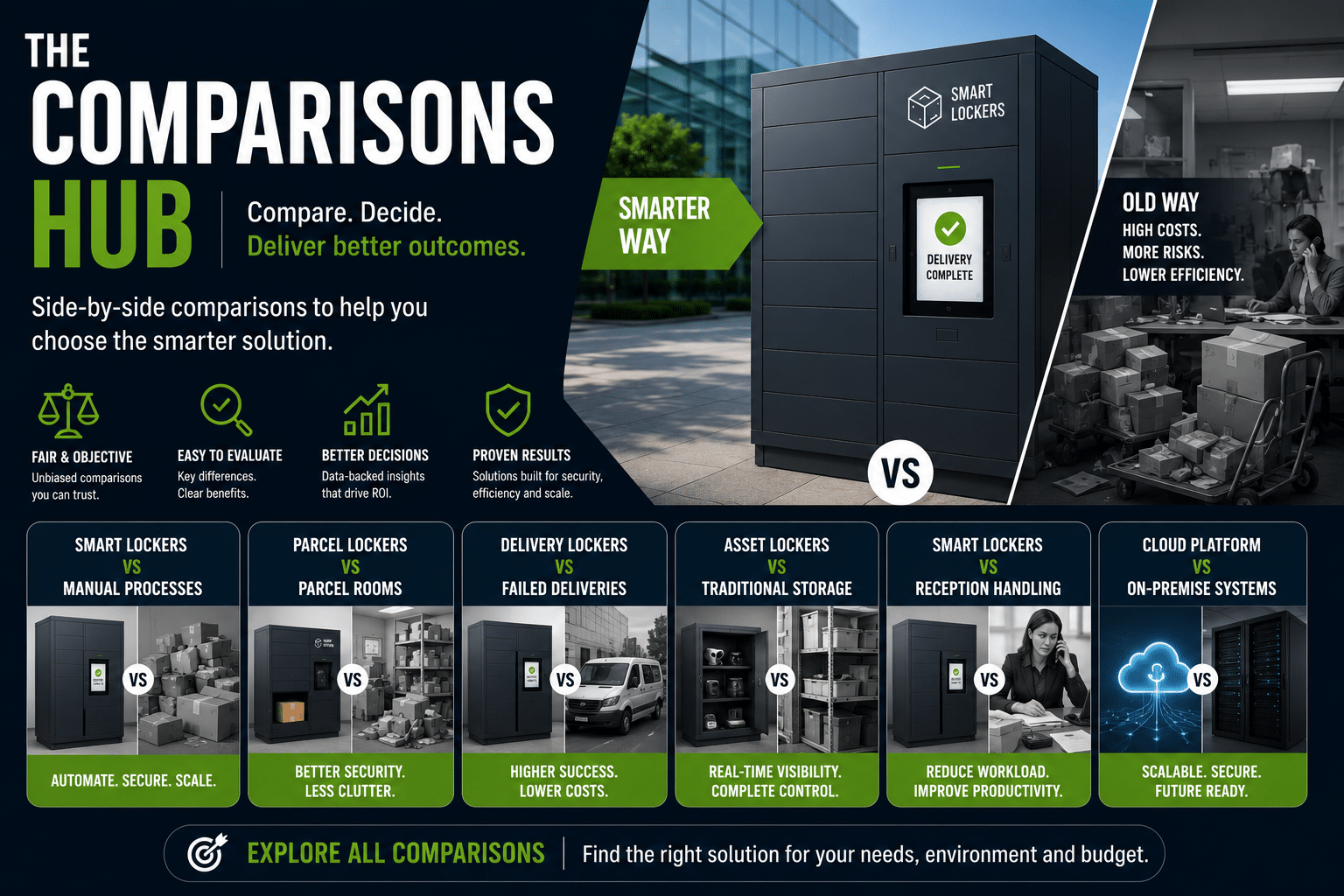
Explore how different storage approaches perform across operations, security, cost, and scalability. Each comparison breaks down the real operational differences between traditional systems and smart locker infrastructure.
Most Popular Storage Comparisons:
Parcel Room vs Parcel Lockers
Compare shared parcel rooms with smart lockers to see how automation improves delivery efficiency, tracking, and scalability.
Cloakrooms vs Lockers for Event Security
Understand how lockers improve event security, reduce queues, and support Martyn’s Law compliance.
Hotel Luggage Room vs Smart Lockers
See how self-service lockers eliminate queues and improve guest flow compared to manual luggage rooms.
Staff Cost vs Locker Automation ROI
Learn how locker automation replaces labour costs with scalable, revenue-generating infrastructure.
Event Security & Entry Flow Comparisons:
Cloakroom vs Lockers
Compare traditional cloakrooms with lockers to understand differences in speed, security, and scalability.
Cloakrooms vs Lockers for Event Security
Explore how lockers reduce risk, improve ingress flow, and support modern event security requirements.
Bag Check vs Smart Lockers
See how removing bags with lockers improves throughput compared to manual bag check systems.
Bag Searches vs Pre-Entry Locker Storage
Compare bag searches with pre-entry lockers to see how removing items improves security and entry speed.
Event Lockers vs Cloakrooms
Understand how event lockers outperform cloakrooms under peak demand and high attendee volumes.
Event Lockers vs Bag Check Systems
See how lockers improve both security and throughput compared to traditional bag check processes.
Venue Lockers vs Temporary Storage
Compare permanent locker infrastructure with temporary storage solutions for long-term performance and scalability.
Manual Security Handling vs Automated Storage Systems
Compare staff-led security processes with automated locker systems to improve throughput, consistency, and risk control at scale.
Parcel, Delivery & Workplace Storage:
Parcel Room vs Parcel Lockers
See how structured locker systems replace chaotic parcel rooms with efficient, trackable delivery infrastructure.
Delivery Lockers vs Failed Deliveries
Learn how delivery lockers eliminate missed deliveries and improve first-time success rates.
Manual Parcel Handling vs Smart Parcel Lockers
Compare staff-led parcel handling with automated lockers to reduce workload and improve efficiency.
Reception Parcel Handling vs Lockers
See how lockers remove delivery pressure from reception teams and eliminate operational bottlenecks.
Hotel & Luggage Storage Comparisons:
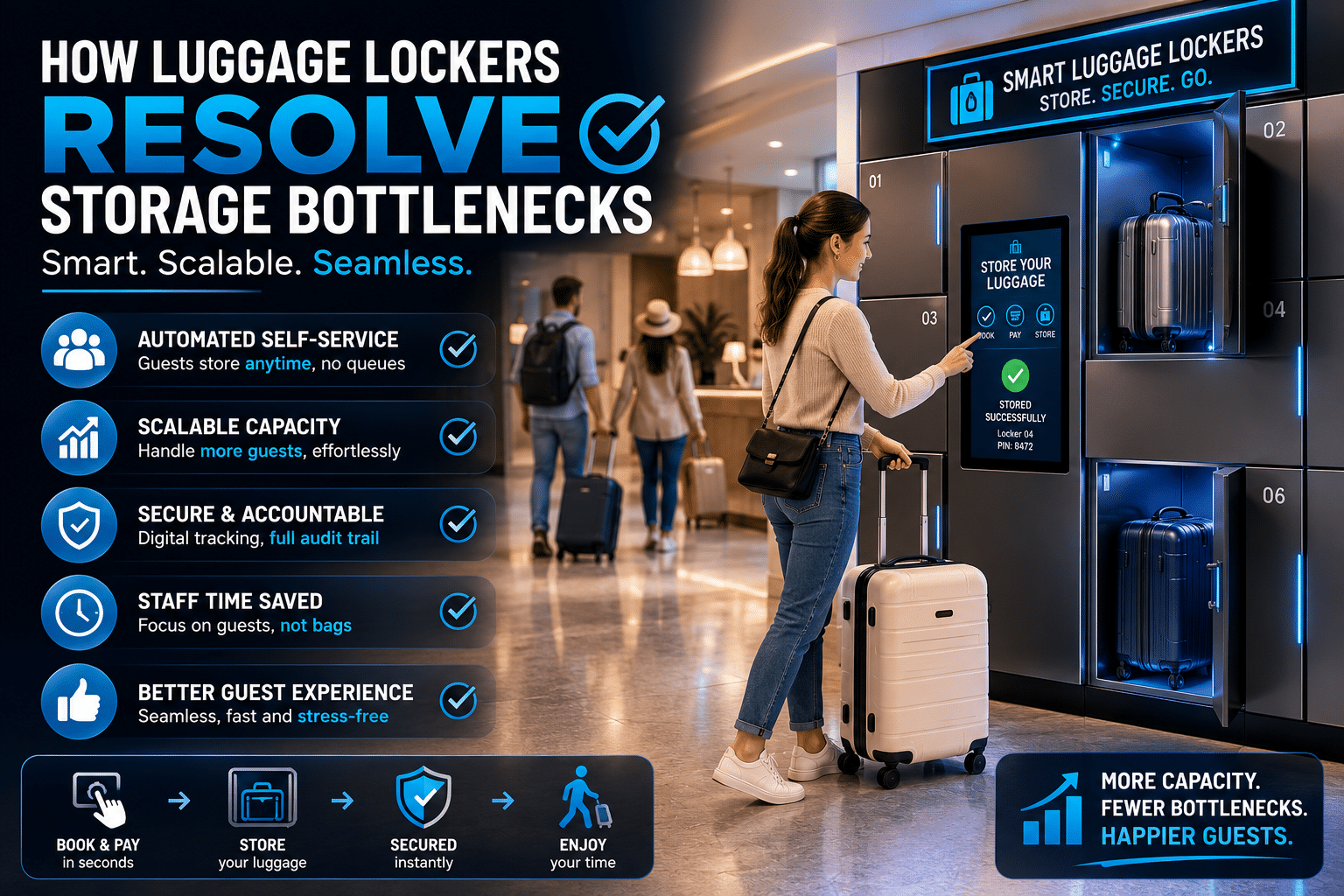
Hotel Luggage Room vs Smart Lockers
Compare manual luggage rooms with lockers to improve guest experience and reduce front desk pressure.
Manual Luggage Storage vs Self-Service Lockers
See how self-service lockers replace staff-led storage with faster, scalable, and more efficient systems.
Hotel Concierge Storage vs Lockers
Understand how lockers eliminate concierge queues and deliver a faster, more consistent guest experience.
Cost, ROI & Commercial Model Comparisons:
CapEx vs OpEx Locker Models
Compare upfront investment vs subscription models to understand which delivers faster ROI and lower risk.
Staff Cost vs Locker Automation ROI
See how replacing labour with automation reduces costs and creates new revenue opportunities.
Free Storage vs Paid Locker Systems
Understand how paid locker systems turn storage from a cost centre into a revenue stream.
Core Storage System Comparisons:
Manual Storage vs Lockers
Compare manual storage systems with lockers to see how automation removes queues and improves control.
Staffed Storage vs Self-Service Lockers
Understand how self-service lockers eliminate staffing dependency and improve operational efficiency.
Smart Lockers vs Mobile Storage
See how fixed locker infrastructure outperforms mobile storage by removing movement and delays.
Equipment Rental Desk vs Locker Systems
Compare rental desks with locker systems to automate asset handling and improve efficiency.
Leisure, Fitness & Specialty Use Cases:
Gym Lockers vs Smart Lockers
Compare traditional gym lockers with smart lockers to improve user experience and reduce maintenance.
Leisure Lockers vs Coin Lockers
See how digital lockers replace coin systems with faster, more reliable access and control.
Coin Lockers vs Smart Lockers
Understand how smart lockers eliminate coin friction, maintenance issues, and misuse.
Padel Club Lockers vs No Storage
Compare unmanaged storage with locker systems to improve organisation and player experience.
Compare by Use Case:
For event security
Explore how lockers improve safety, reduce queues, and support compliance at event entry.
For delivery & parcels
See how locker systems streamline parcel handling and eliminate failed deliveries.
For hotels & luggage
Compare storage systems that improve guest flow and reduce front desk workload.
For cost & ROI
Understand how locker automation reduces costs and generates scalable revenue.
The Shift to Self-Service Locker Infrastructure
Storage is shifting from manual, staff-led processes to automated, system-driven infrastructure.
- Manual → automated workflows
- Staff-led → self-service systems
- Reactive operations → predictable performance
- Cost centres → revenue-generating systems
This is not a storage upgrade — it’s an operational shift.
Cost Comparison — Manual vs Locker Systems
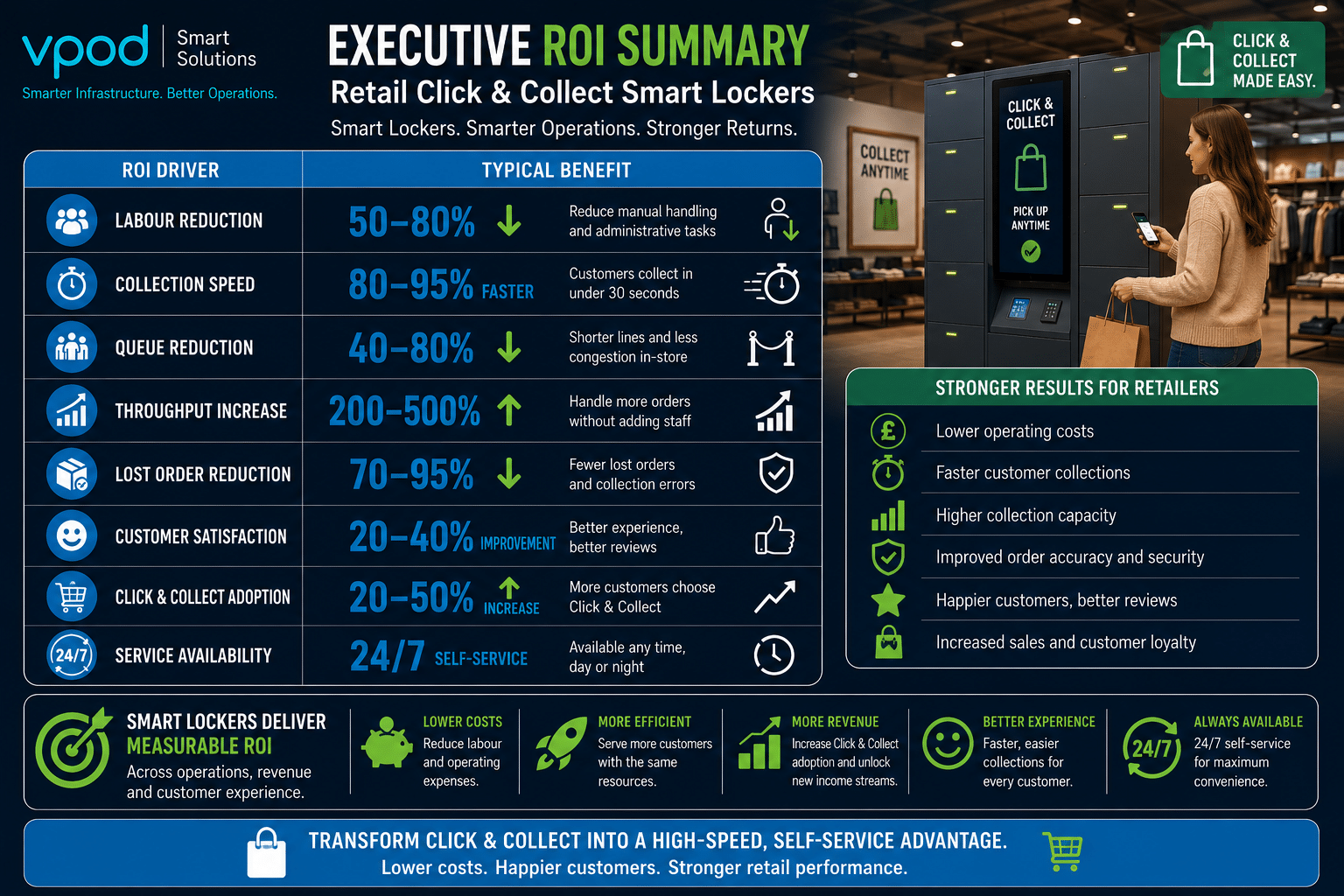
The true cost of storage is not just infrastructure — it includes staffing, inefficiency, and operational risk.
Manual Storage
- High staffing cost
- Inefficient use of space
- Errors and operational overhead
Smart Lockers
- Fixed infrastructure investment
- Lower cost-to-serve
- Revenue generation potential
Security, Compliance & Risk
Modern storage systems must support security, compliance, and controlled operational environments.
- Queues increase perimeter risk
- Manual handling introduces inconsistency
- Lack of tracking reduces accountability
- Smart lockers provide controlled, auditable access
Operational Impact Comparison
The operational difference between manual storage and locker systems is significant across speed, staffing, and consistency.
|
Area |
Traditional |
Smart Lockers |
|
Throughput |
Low |
High |
|
Queue Risk |
High |
Low |
|
Staff Load |
High |
Low |
|
Consistency |
Low |
High |
Which Storage System Is Right for You?
The right storage solution depends on your operational environment, scale, and performance requirements.
- Events and venues require high-throughput, scalable storage
- Leisure environments benefit from self-service systems
- Facilities teams need controlled, low-maintenance solutions
- High-volume operations require automated infrastructure