







Self-Service Locker Driven Ingress | Remove Bags, Reduce Queues, Improve Event Security
Traditional bag searches are slow, manual, and difficult to scale. Every bag must be inspected at the point of entry, creating queues, increasing crowd density, and introducing risk at the most critical moment of the event journey.
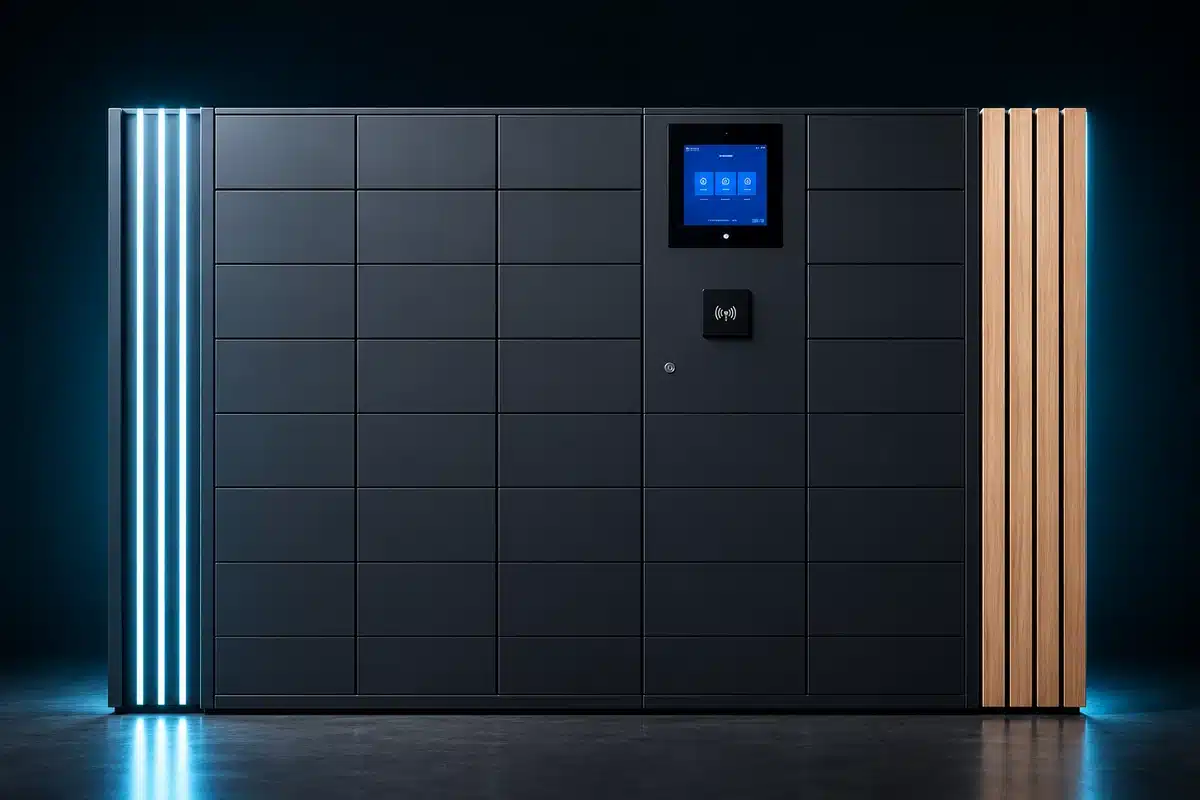
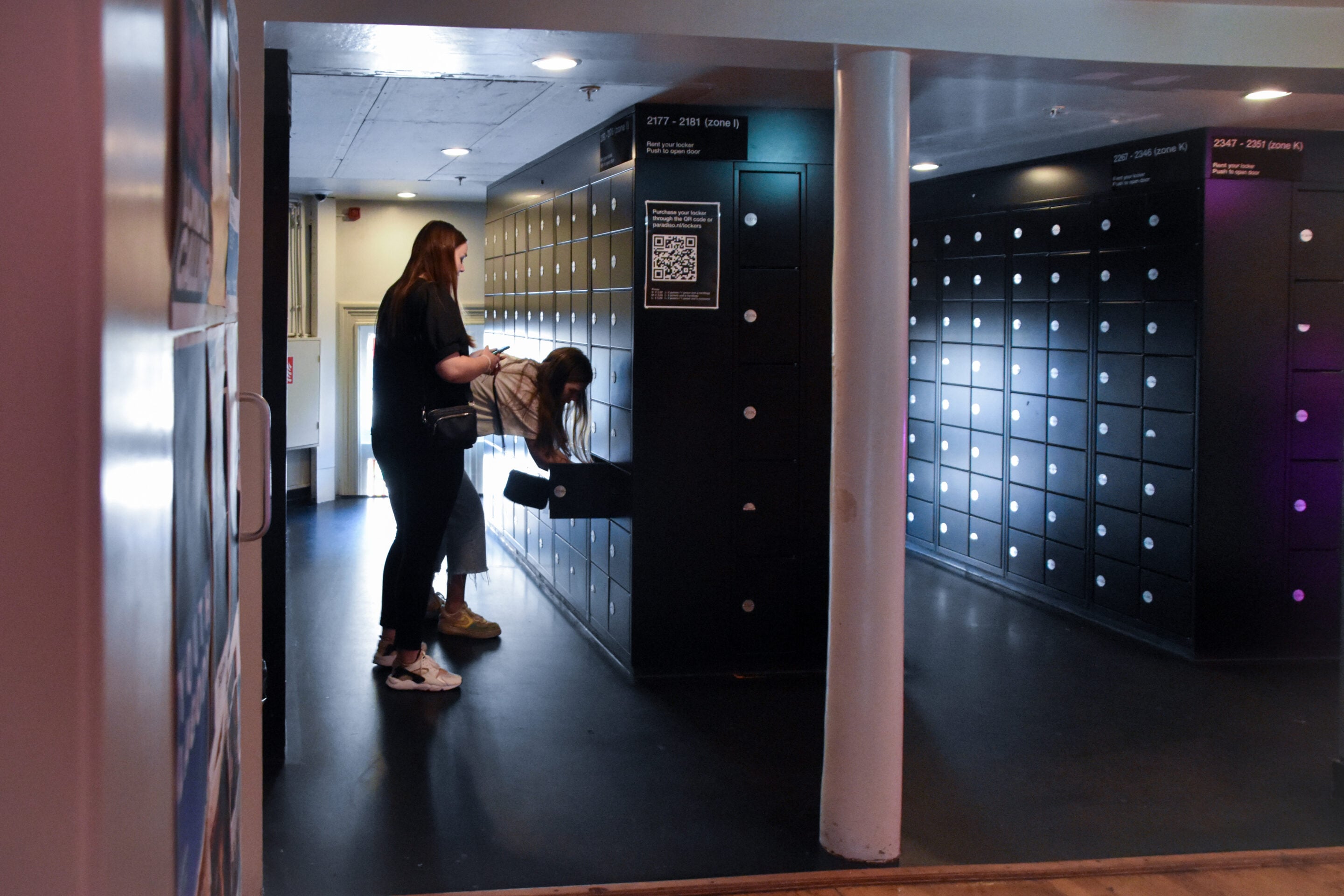
This video shows how pre-entry locker systems transform event ingress by removing bags before they reach security. Attendees store items in secure lockers ahead of entry, allowing security teams to process people faster, reduce congestion, and maintain consistent screening standards.
By shifting from inspection to elimination, venues can reduce risk exposure, improve throughput, and create a faster, safer entry experience aligned with modern security requirements ( See comparison: event lockers vs cloakrooms →) and Martyn’s Law.
Bag Searches vs Pre-Entry Lockers — Quick Comparison
Bag Searches (Manual)
Pre-Entry Lockers (Self-Service)
Bag Searches vs Pre-Entry Locker Storage— Full Comparison
Bag Searches (Traditional Security Screening)
What Are Bag Searches?
Bag searches are a manual security screening process where staff:
- Inspect attendee bags at entry points
- Check for prohibited or dangerous items
- Allow or deny access
Common at:
- Stadiums
- Concerts
- Festivals
- Public events – Similar to bag check vs smart lockers →
What Is Pre-Entry Locker Storage?
Pre-entry lockers are secure, self-service storage systems positioned before security checkpoints, allowing attendees to:
- Store bags before entering the venue
- Proceed through security without belongings
- Retrieve items after the event
The Core Problem with Bag Searches
Each bag requires:
- Stopping the attendee
- Opening and inspecting contents
- Making a judgement – A limitation also seen in manual security handling vs automated storage systems →
Result:
- Processing takes 5–15 seconds per person (or more)
- Queues build rapidly at peak
- Security becomes inconsistent under pressure
Why Bag Searches Don’t Scale
At scale, small delays compound.
Example:
- 10,000 attendees
- 30% carrying bags
- 3,000 bag checks
Even at 10 seconds per check:→ 30,000 seconds (500 minutes) of processing time
This creates:
- Long entry queues
- Crowd congestion outside venues
- Increased security risk exposure
The Alternative: Remove Bags from the System
Instead of:
Searching every bag
You:
Prevent bags from entering the venue – See approach in cloakrooms vs lockers for event security →
Security Benefits of Pre-Entry Lockers
Risk Reduction & Control
- Fewer bags inside the venue, reducing the overall threat surface
- Structured storage environment with clear separation of belongings from people
- Improved control over what enters the venue – Compared with event lockers vs bag check systems →
Faster Flow & Reduced Congestion
- Faster security lanes with fewer items to process
- Lower crowd density at entry points
- Smoother, more predictable ingress flow
Throughput Comparison
Bag Search Model:
- Sequential processing
- Limited by staff capacity
- Slows as volume increases – Also demonstrated in event lockers vs cloakrooms →
Locker Model:
- Parallel processing
- Hundreds of users simultaneously
- Consistent speed regardless of scale
Operational Impact
Bag Searches:
- High staffing requirements
- Training needed for consistency
- Fatigue reduces effectiveness – See improvement with automated storage systems →
Lockers:
- Minimal staffing
- Automated system
- Predictable performance
Attendee Experience
Bag Searches:
- Stop-start entry
- Physical inspection
- Privacy concerns
- Frustration during delays – Compared to self-service lockers vs staffed storage →
Lockers:
- Store in seconds
- Smooth entry process
- No invasive checks
- Greater comfort and control
Alignment with Martyn’s Law
Martyn’s Law focuses on:
- Risk mitigation
- Preparedness
- Proportionate security measures – See application in cloakrooms vs lockers for event security →
Pre-entry lockers support this by:
- Reducing items entering the venue
- Lowering queue-related vulnerabilities
- Supporting controlled, auditable systems
When Bag Searches Are Still Needed
Bag searches remain relevant for:
- Small venues
- Low attendance events
- Secondary screening layers- Used alongside event lockers vs bag check systems →
However, at scale, they should be reduced — not relied on.
Best Practice: Layered Security Model
Leading venues are moving toward:
- Pre-entry lockers (primary control)
- Reduced bag search lanes
- Fast-track no-bag entry
This creates:
- Faster ingress
- Stronger security posture
- Better attendee flow
Cost & ROI: Bag Searches vs Pre-Entry Lockers
Bag searches require high staffing levels, increasing ongoing operational costs
Slower ingress delays attendee entry, reducing time spent on food, drink, and retail
No direct monetisation from bag searches, making them a pure cost centre
Pre-entry lockers reduce labour requirements and create a more efficient operating model
Lockers enable pay-per-use revenue while increasing in-venue spend through faster entry
The Bottom Line
Bag searches try to manage risk at the point of entry.
Pre-entry lockers remove the risk before it arrives.
In modern, high-capacity venues:
Elimination beats inspection – See full comparison: event lockers vs bag check systems →