

Cloakrooms vs Lockers for Event Security

Which Solution Keeps Your Venue Secure, Compliant, and Scalable?

With increasing pressure from Martyn’s Law and rising attendee expectations, event organisers must rethink how they manage bags and personal belongings- Similar to bag check vs smart lockers

Traditional cloakrooms introduce security risks and operational bottlenecks (Also explored in event lockers vs cloakrooms), while smart lockers offer a secure, scalable alternative.

This guide compares both systems from a security, compliance, and operational perspective.

Martyn’s Law Smart Entry & Crowd Flow | Secure Event Ingress with Locker Systems

Traditional cloakrooms were designed for convenience — not security. At scale, they introduce shared storage risks, manual handling, and long queues that increase crowd density at critical entry points.

This video shows how smart locker systems transform event ingress by removing bags before security screening. Attendees store items in secure, individual lockers before entry, reducing congestion, improving screening efficiency, and supporting compliance with Martyn’s Law.

By decentralising storage and eliminating manual handling, venues can reduce risk exposure, increase throughput, and create a safer, more controlled entry experience for every event.

See comparison: bag searches vs pre-entry locker storage

See Cloakroom inefficiency impacting venues and events

Cloakrooms vs Smart Lockers — Quick Comparison

Cloakrooms (Manual)
Shared storage with low security control
High staff dependency
Severe queues at peak times
Limited scalability
High bag handling risk
No audit trail
Slow throughput
Smart Lockers (Automated)
Individual lockers with high security control
Minimal staff involvement
Queues eliminated
Modular and scalable
No manual handling
Full digital tracking
High throughput

Cloakrooms vs Lockers for Event Security— Full Comparison

Category
Core Model
Process
Bag Handling
Security Screening Impact
Ingress Flow
Queue Formation
Perimeter Risk
Crowd Density (Pre-Entry)
Throughput Capacity
Peak Demand Handling
Staffing Requirement
Operational Complexity
Scalability
Speed (Per Transaction)
Error Risk
Security Risk (Storage Area)
Audit Trail
Accountability
Visitor Experience
Visitor Independence
Compliance Readiness
Martyn’s Law Alignment
Space Requirement
Cost Model
Cost Predictability
Revenue Potential
Consistency Across Events
Integration Capability
Failure Points
Use Case Fit
Cloakrooms (Manual / Staff-Managed)
Staff receive, tag, store, and return bags
Queue → handover → tagging → storage → retrieval
Manual — handled by staff at entry
Slows screening — bags must be checked
Bottleneck — slows entry throughput
High — queues build quickly at cloakroom
High — crowds form outside security
Increased — slow processing creates congestion
Low — limited by staff speed
Poor — queues grow exponentially
High — large teams needed (20+ at scale)
High — coordination, tagging, error handling
Limited — requires more staff and space
30–60 seconds per item
High — lost tickets, misplacement
Moderate — shared storage, human error
Limited — manual logs or none
Weak — disputes over lost items
Friction — queues, waiting, dependency
Low — reliant on staff
Challenging — queues increase exposure
Weak — increases vulnerability
Large — dedicated cloakroom areas
High — ongoing staffing cost
Variable — depends on staffing needs
Limited or none
Limited or none
None
Queues, delays, lost items, staff shortages
Low-volume or legacy setups
Smart Lockers (Self-Service / Pre-Entry Storage)
Visitors store bags independently before entry
Store → lock → proceed bag-free → retrieve later
Eliminated from entry process
Speeds screening — fewer or no bags to check
Improved — faster, streamlined entry
Eliminated — distributed, parallel usage
Reduced — faster flow reduces crowd risk
Lower — visitors move through faster
High — multiple users simultaneously
Strong — absorbs demand efficiently
Minimal — oversight only
Low — automated and standardised
Highly scalable — add locker capacity
5–10 seconds per transaction
Low — digital access and tracking
Low — individual secure compartments
Full digital tracking of usage and access
Strong — user-specific access logs
Seamless — fast, independent
High — fully self-service
Strong — reduces external crowd risk
Strong — reduces perimeter exposure
Compact — modular locker footprint
Predictable — infrastructure-based
High — pay-per-use (£5–£10 per use)
High — standardised system
Integrates with ticketing, payments, access systems
Minimal — system-driven reliability
High-volume, security-focused events
Cloakrooms (Manual / Staff-Managed)
Core Model
Staff receive, tag, store, and return bags
Process
Queue → handover → tagging → storage → retrieval
Bag Handling
Manual — handled by staff at entry
Security Screening Impact
Slows screening — bags must be checked
Ingress Flow
Bottleneck — slows entry throughput
Queue Formation
High — queues build quickly at cloakroom
Perimeter Risk
High — crowds form outside security
Crowd Density (Pre-Entry)
Increased — slow processing creates congestion
Throughput Capacity
Low — limited by staff speed
Peak Demand Handling
Poor — queues grow exponentially
Staffing Requirement
High — large teams needed (20+ at scale)
Operational Complexity
High — coordination, tagging, error handling
Scalability
Limited — requires more staff and space
Speed (Per Transaction)
30–60 seconds per item
Error Risk
High — lost tickets, misplacement
Security Risk (Storage Area)
Moderate — shared storage, human error
Audit Trail
Limited — manual logs or none
Accountability
Weak — disputes over lost items
Visitor Experience
Friction — queues, waiting, dependency
Visitor Independence
Low — reliant on staff
Compliance Readiness
Challenging — queues increase exposure
Martyn’s Law Alignment
Weak — increases vulnerability
Space Requirement
Large — dedicated cloakroom areas
Cost Model
High — ongoing staffing cost
Cost Predictability
Variable — depends on staffing needs
Revenue Potential
Limited or none
Consistency Across Events
Limited or none
Integration Capability
None
Failure Points
Queues, delays, lost items, staff shortages
Use Case Fit
Low-volume or legacy setups
Smart Lockers (Self-Service / Pre-Entry Storage)
Core Model
Visitors store bags independently before entry
Process
Store → lock → proceed bag-free → retrieve later
Bag Handling
Eliminated from entry process
Security Screening Impact
Speeds screening — fewer or no bags to check
Ingress Flow
Improved — faster, streamlined entry
Queue Formation
Eliminated — distributed, parallel usage
Perimeter Risk
Reduced — faster flow reduces crowd risk
Crowd Density (Pre-Entry)
Lower — visitors move through faster
Throughput Capacity
High — multiple users simultaneously
Peak Demand Handling
Strong — absorbs demand efficiently
Staffing Requirement
Minimal — oversight only
Operational Complexity
Low — automated and standardised
Scalability
Highly scalable — add locker capacity
Speed (Per Transaction)
5–10 seconds per transaction
Error Risk
Low — digital access and tracking
Security Risk (Storage Area)
Low — individual secure compartments
Audit Trail
Full digital tracking of usage and access
Accountability
Strong — user-specific access logs
Visitor Experience
Seamless — fast, independent
Visitor Independence
High — fully self-service
Compliance Readiness
Strong — reduces external crowd risk
Martyn’s Law Alignment
Strong — reduces perimeter exposure
Space Requirement
Compact — modular locker footprint
Cost Model
Compact — modular locker footprint
Cost Predictability
Predictable — infrastructure-based
Revenue Potential
High — pay-per-use (£5–£10 per use)
Consistency Across Events
High — standardised system
Integration Capability
Integrates with ticketing, payments, access systems
Failure Points
Minimal — system-driven reliability
Use Case Fit
High-volume, security-focused events

What Is a Cloakroom?

A cloakroom is a staff-managed storage area where attendees:
  • Hand over bags or coats
  • Receive a ticket or token
  • Collect items after the event- Similar to cloakroom vs lockers
Common at:
  • Concerts
  • Conferences
  • Theatres
  • Arenas

What Are Smart Lockers?

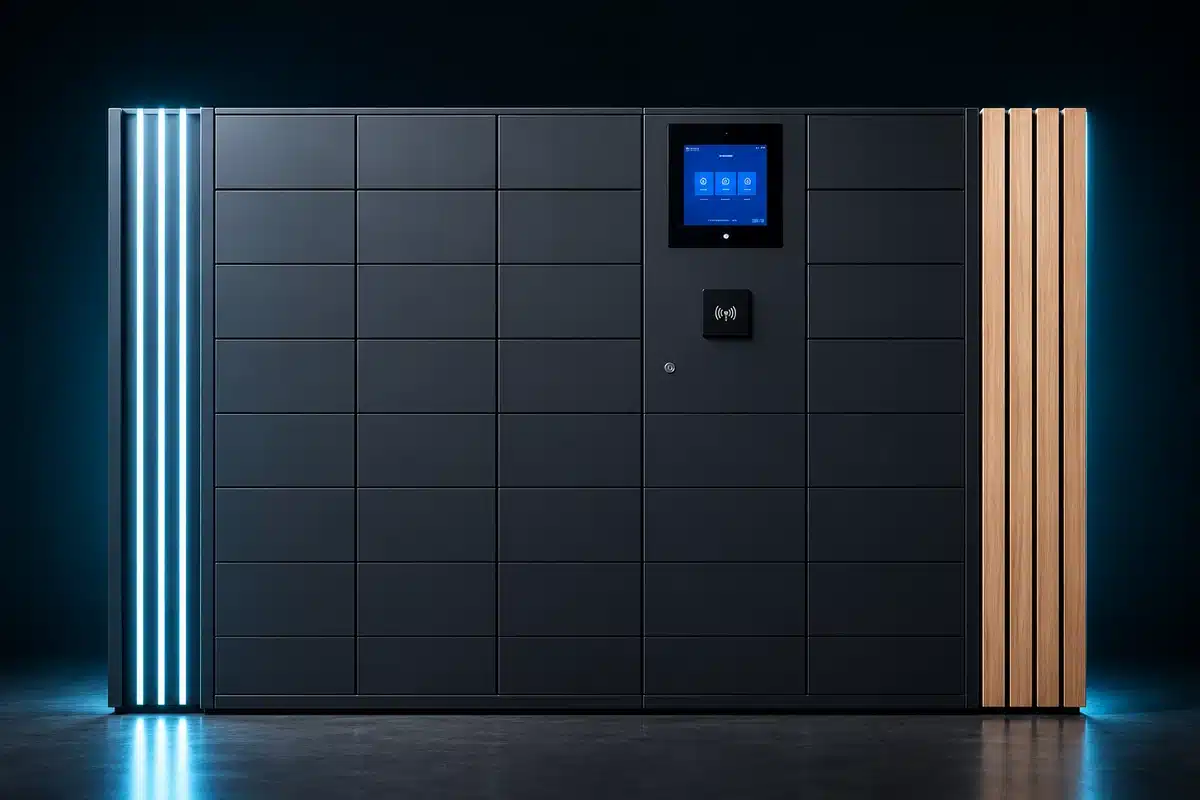
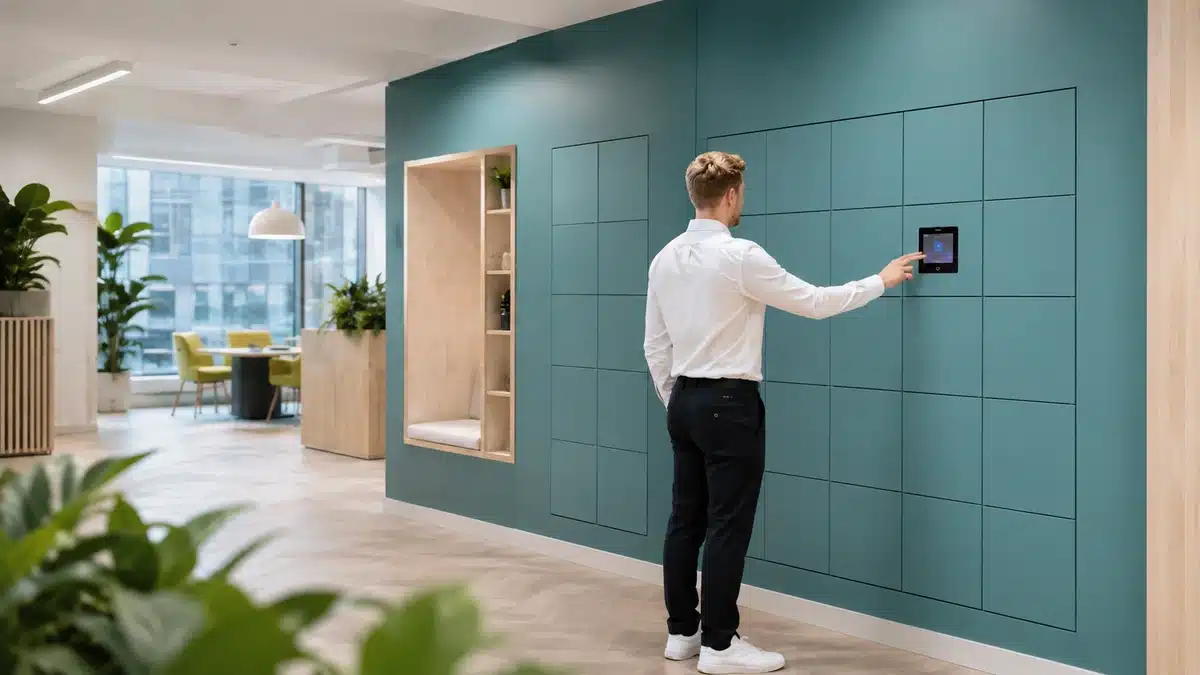
Smart lockers are self-service storage systems where users:
  • Store items independently
  • Access lockers via QR code, PIN, or app
  • Retrieve belongings without staff interaction
Key features:
  • Individual secure compartments
  • Digital audit trails
  • Contactless operation
  • 24/7 access

The Security Risk of Cloakrooms

Cloakrooms create multiple security vulnerabilities:
Shared Storage & Handling Risk
Lack of Tracking & Accountability
  • Paper tickets or tokens
  • No digital audit trail
  • No record of who stored items or when they were accessed

Why This Matters Under Martyn’s Law

Martyn’s Law requires venues to:
  • Assess and mitigate risks
  • Implement proportionate security measures
  • Improve preparedness for incidents
Cloakrooms struggle because they:

Why Lockers Improve Event Security

Controlled Storage & Reduced Risk
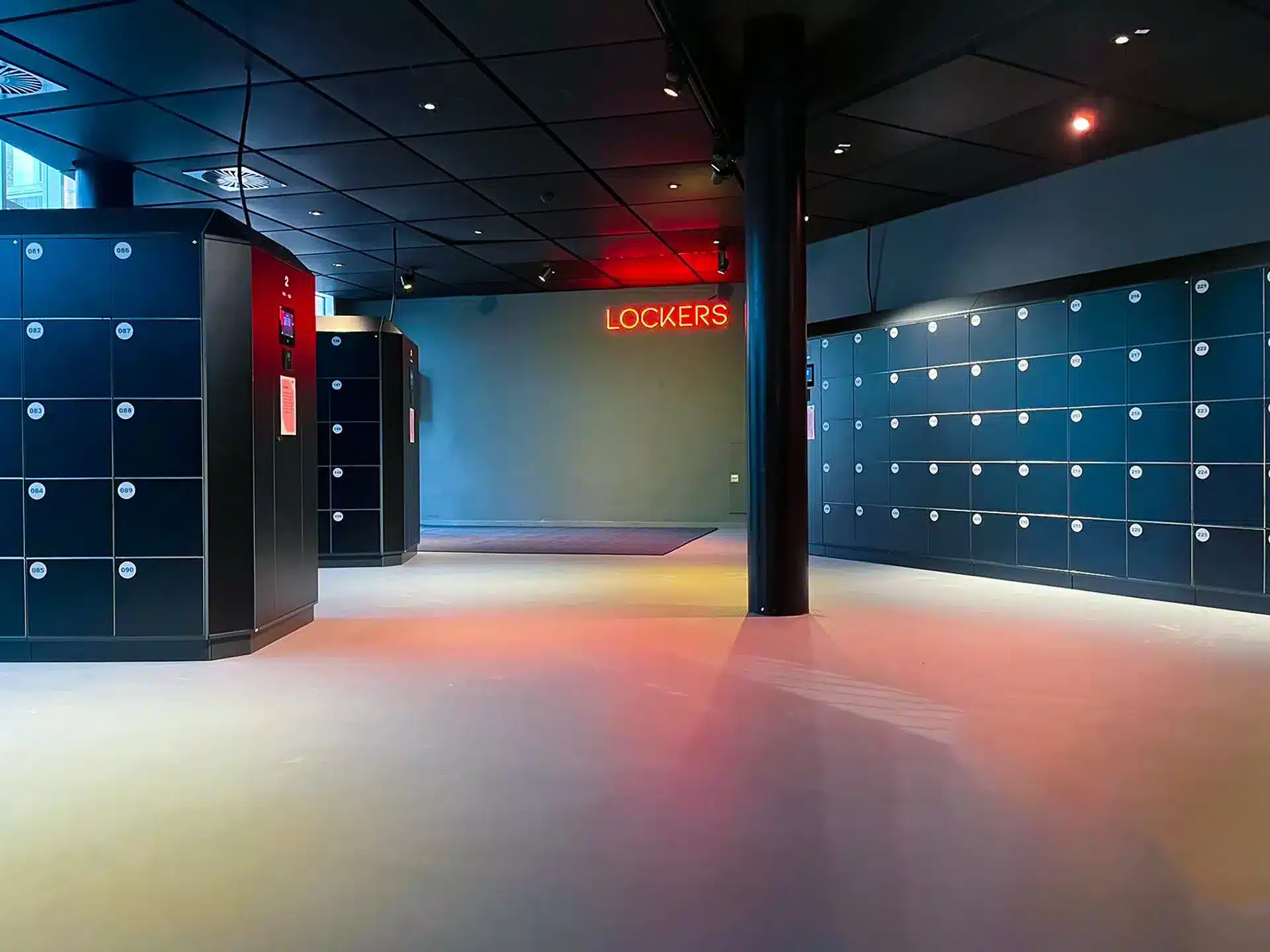
  • Each bag is stored in an individual compartment, reducing risk concentration
  • No staff handling, eliminating manual interaction
  • Reduced risk of human error, tampering, and misplacement
Full Tracking & Security Integration
  • Time-stamped digital audit trail
  • User-linked access for clear accountability
  • Supports pre-entry storage, reducing the number of bags entering the venue – Compared with event lockers vs bag check systems

Operational Impact on Event Ingress

Cloakrooms:

event queue problems at scale 

Lockers:
  • Parallel usage (many users at once)
  • Faster ingress flow
  • Reduced crowd congestion

Throughput Comparison

Cloakroom Model:
Locker Model:
  • 50–300 lockers used simultaneously
  • Near-instant storage

Attendee Experience

Cloakrooms:
Lockers:
  • Store in seconds
  • Collect anytime
  • No queues
  • Greater control and confidence

Cost & Revenue Comparison

Cloakrooms:
Lockers:
  • Reduced staffing costs
  • Pay-per-use revenue model
  • High ROI per event

When Cloakrooms Fail

Cloakrooms typically break down at:

  • Large-scale events (1,000+ attendees)
  • Peak ingress windows
  • High bag volumes
  • Security-sensitive environments –See full breakdown: event lockers vs cloakrooms

Hybrid Approach: Combining Lockers with Minimal Cloakroom Use

Many venues adopt a hybrid model, using pre-entry lockers for the majority of storage while retaining a minimal cloakroom for exceptions. This approach balances security, efficiency, and operational flexibility.
Use pre-entry lockers to remove the majority of bags before security screening
Retain a small cloakroom for edge cases or restricted items
Reduce crowd density and risk at entry points
Improve ingress flow and overall event throughput
Support compliance with modern security requirements, including Martyn’s Law

The Bottom Line

Cloakrooms were designed for convenience — not security or scale.

Modern events require systems that:

  • Reduce risk exposure
  • Improve traceability
  • Maintain high throughput

Smart lockers transform storage into a secure, scalable system aligned with modern event security requirements.

Upgrade Your Event Security Strategy

Reduce ingress bottlenecks, improve compliance readiness, and enhance attendee experience with smart locker systems designed for modern event security.