Collection queues
Customers arrive together at peak periods and concentrate around service desks.


We design and deliver integrated systems for streamlined check-ins, secure storage, and enhanced visitor management. Our trusted partner network and focus on sustainability, data security, and customer success drives us to provide the most effective and user-friendly solutions.


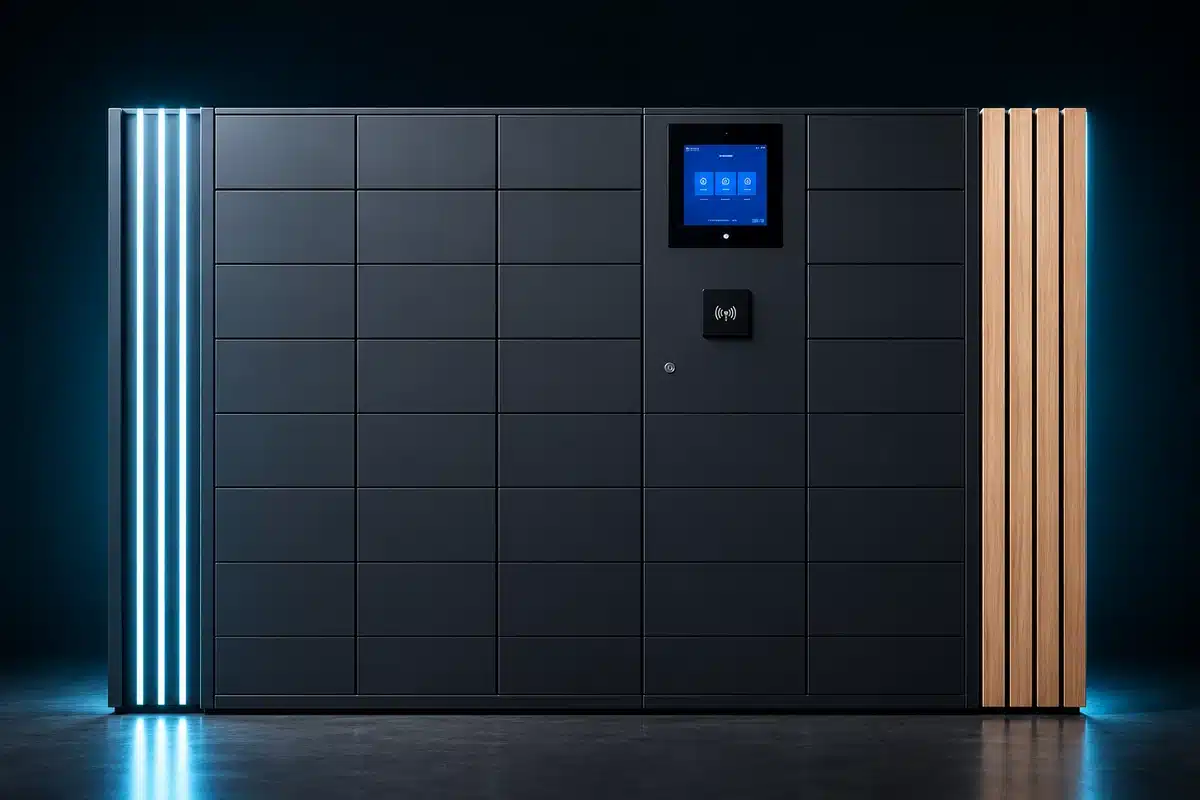
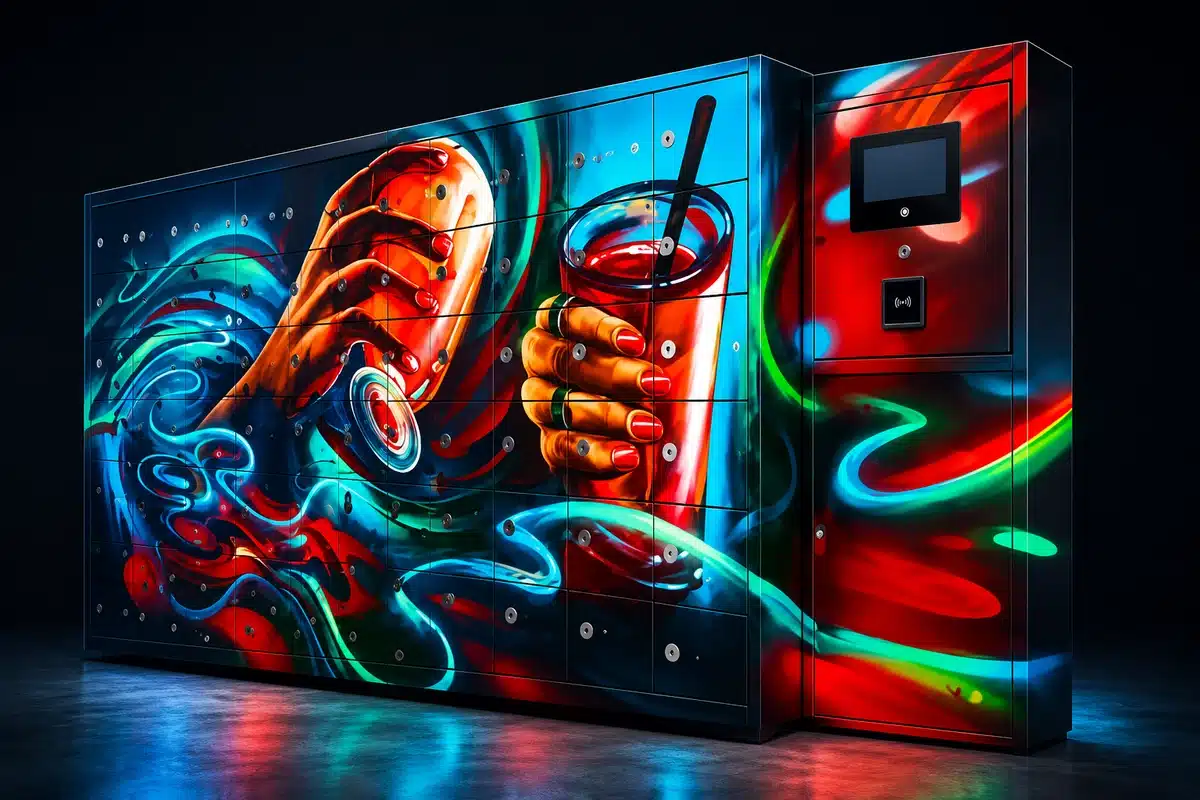
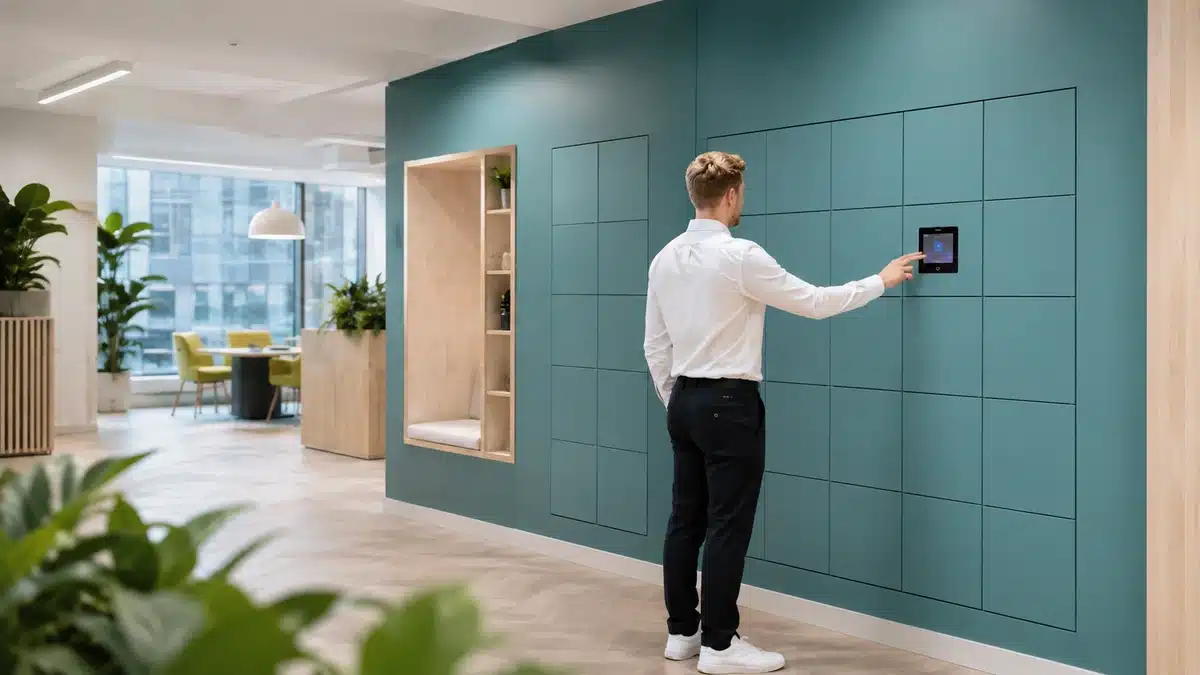

We design and deliver integrated systems for streamlined check-ins, secure storage, and enhanced visitor management. Our trusted partner network and focus on sustainability, data security, and customer success drives us to provide the most effective and user-friendly solutions.
We design and deliver integrated systems for streamlined check-ins, secure storage, and enhanced visitor management. Our trusted partner network and focus on sustainability, data security, and customer success drives us to provide the most effective and user-friendly solutions.
Retail chains & multi-site brands
Standardize collection across the store estate, protect valuable selling time and give customers a faster route from online order to in-store pickup.

Where retail operations come under pressure
When collection depends on local staffing, storage and workarounds, small inconsistencies multiply across a retail estate.
Customers arrive together at peak periods and concentrate around service desks.
Colleagues leave sales, merchandising and advice to locate and hand over orders.
Back-of-house and customer-facing areas become temporary order-storage zones.
Different layouts, shifts and local processes create an uneven brand experience.
Promotions and holidays increase volume faster than staffed counters can scale.
Manual handovers hide dwell time, demand patterns, capacity and intervention rates.
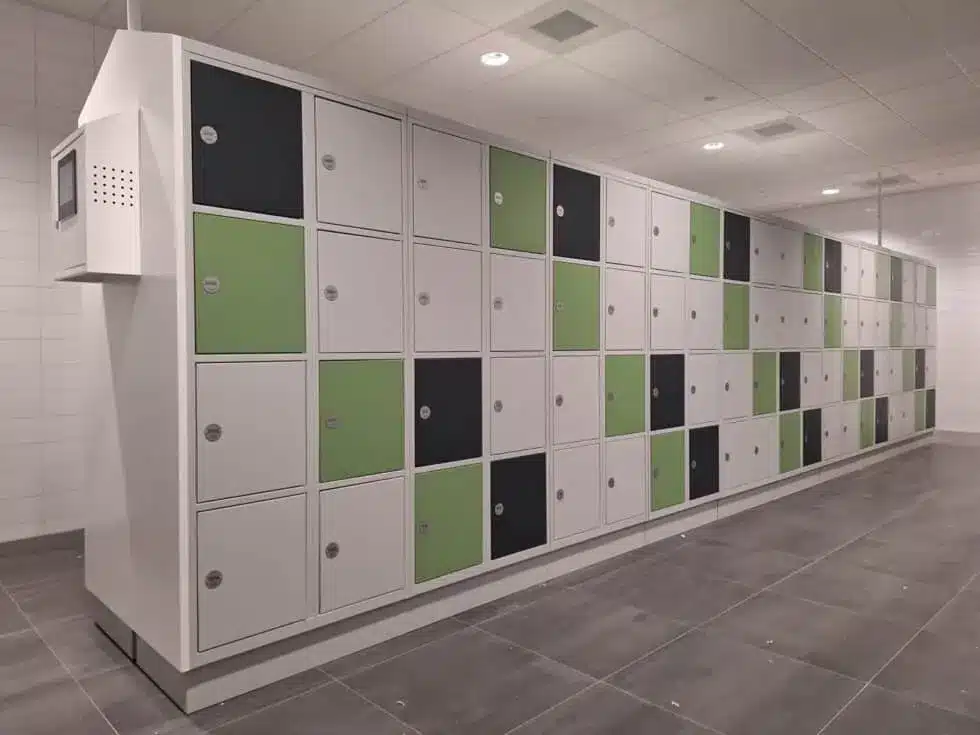
Protect the store experience
Retail automation should reduce friction for customers and colleagues while fitting the physical reality of each store. A structured self-service point creates a recognizable journey without turning this industry page into a product specification.
One connected fulfillment journey
A visual five-step process for predictable, self-service pickup across the retail estate.
Store or fulfillment staff complete preparation.
The order is placed in the selected compartment.
The customer receives secure collection access.
They open the assigned door independently.
Status and activity update automatically.
Designed around the retail estate
The right operating model accounts for store format, demand pattern and the customer promise.
Locate collection around customer movement and maintain premium service at peak times.
Create a dependable collection point for larger baskets and broader compartment sizes.
Apply common rules and reporting while fitting the footprint and demand of each location.
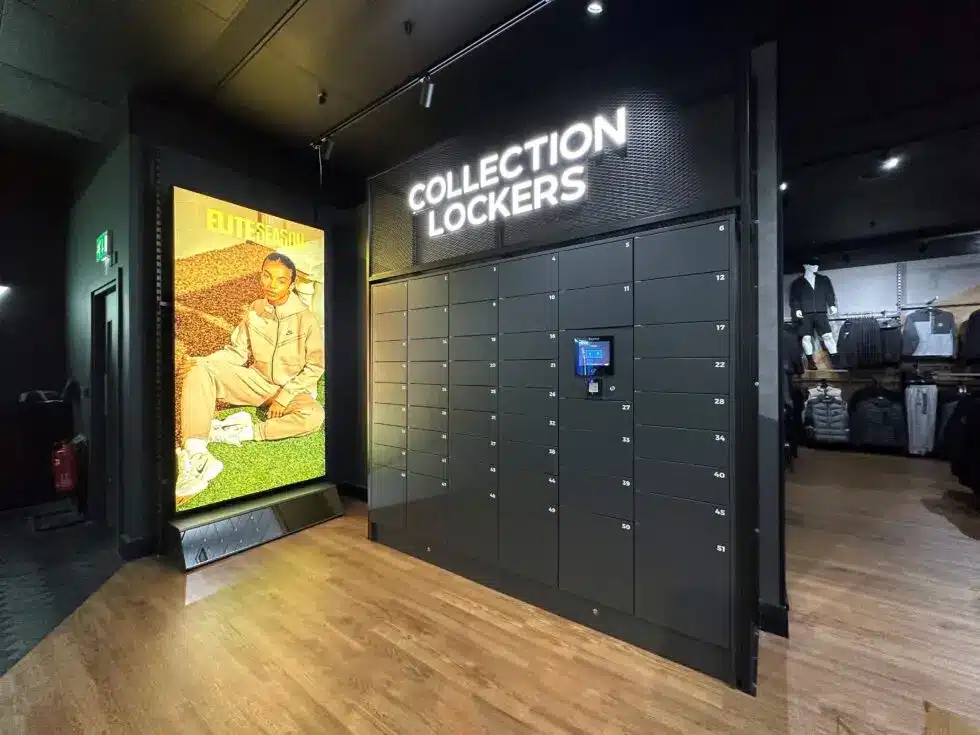
Featured retail evidence
The first deployment replaced manual parcel searches and counter handovers with secure digital access, creating evidence for wider estate adoption.
Build the retail business case
Move from a specific pressure to an objective comparison or commercial model without duplicating the solution page.
Understand how arrival peaks and staffed handovers create collection friction at scale.
Explore collection queue pressure →Compare labor dependency, throughput, visibility and consistency across locations.
Compare the operating models →Evaluate colleague time, capacity, space and the cost of service across the estate.
Compare staff cost and automation ROI →Manual counter vs digital collection
A platform for multi-site retail
Configure compartment mixes and workflows around each site while keeping management, reporting and customer access consistent across the network.
Explore the Vpod platform →For retail decision-makers
Connect the industry journey to the appropriate role-specific evidence without taking ownership of persona keywords.
Standardize process, capacity and performance across multiple stores.
Explore the operations view →Reduce queue friction and protect the quality of the in-store brand journey.
Explore collection-delay evidence →Assess labor, space, capacity and the total cost of the collection model.
Review the commercial comparison →Discuss your retail estate
Share your store formats, order volume, collection peaks, available space and integration requirements. Vpod will recommend the right workflow, capacity and rollout approach.