




Delivery locker solutions
Delivery Lockers for Secure, First-Time Delivery
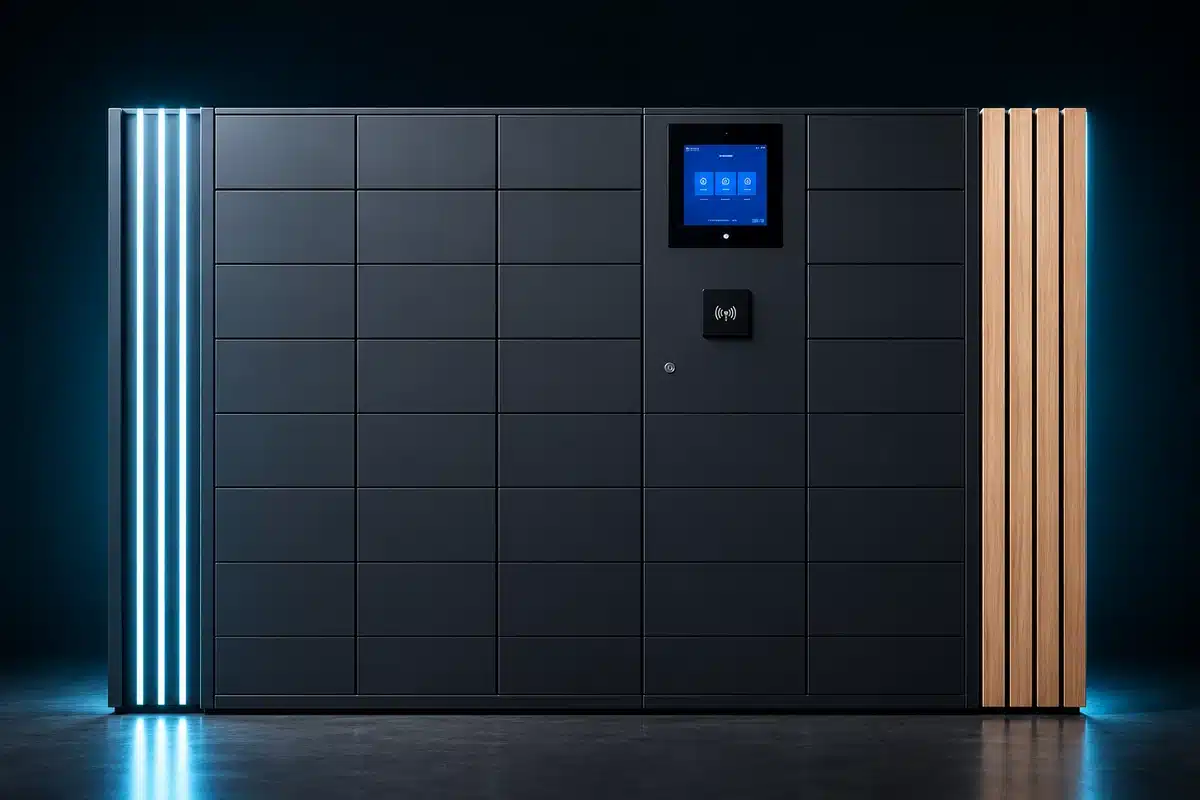
Vpod delivery lockers give couriers a secure, unattended drop-off point and recipients a convenient way to collect parcels, documents and equipment. Each delivery and collection is recorded, helping organisations reduce failed deliveries, reception workload and avoidable reattempts.
- Secure unattended drop-off
- Digital delivery records
- Cloud-managed across sites
What are delivery lockers?
A secure handover point between courier and recipient
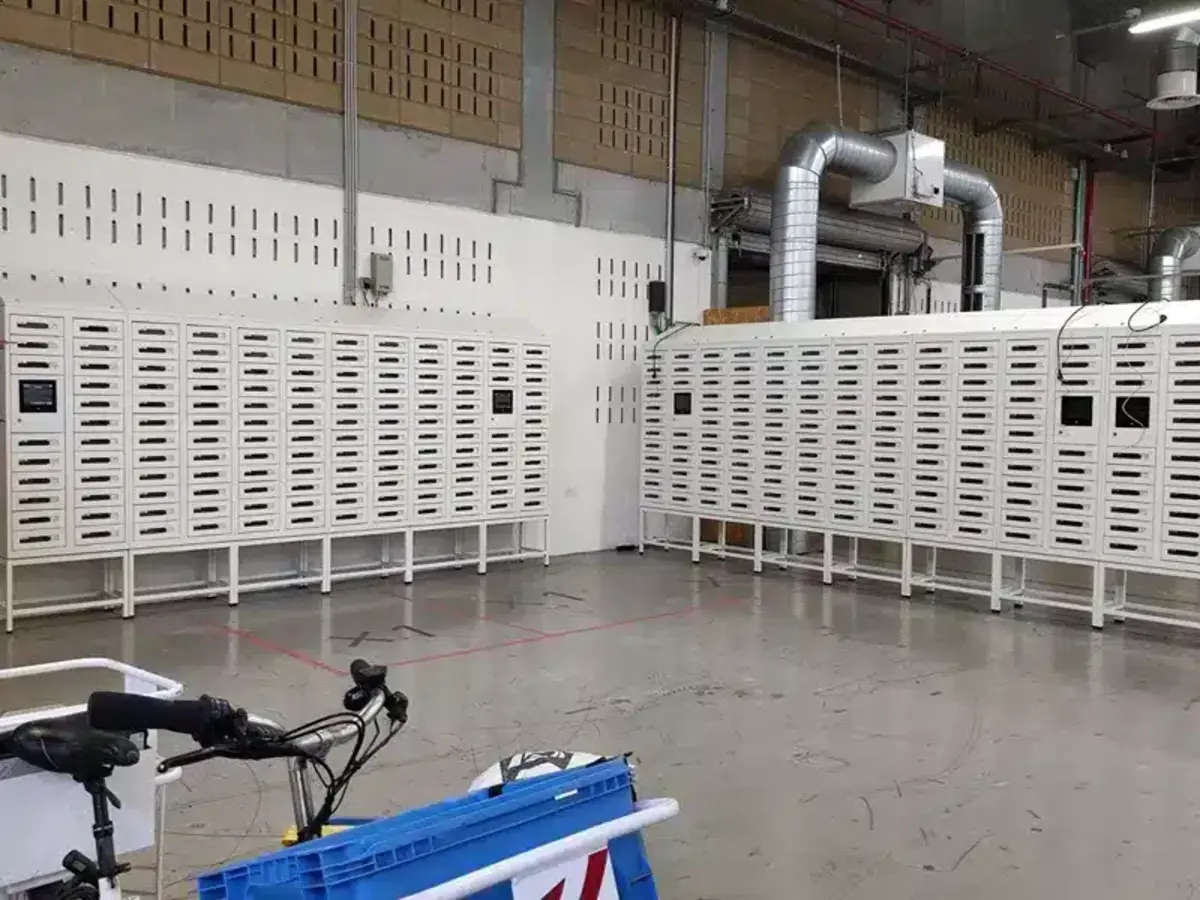
Delivery lockers are cloud-managed, self-service compartments that allow an authorised courier to deposit an item without waiting for the recipient, reception team or site contact.
The recipient receives a secure collection credential and retrieves the item at a convenient time. The system records both events, providing visibility from drop-off to collection.
Explore Vpod smart lockers
Problems removed
Replace failed handovers with a predictable delivery workflow
Failed delivery attempts
Complete deliveries without requiring the recipient to be present at the moment of arrival.
Reception parcel handling
Move parcel receipt, storage and collection away from front-of-house and facilities teams.
Courier waiting time
Give drivers a consistent, self-service process that reduces dwell time at reception or loading areas.
Weak proof of delivery
Record deposits and collections with user, compartment and time-stamped transaction data.
Unsecured parcel storage
Keep delivered items in locked compartments until the authorised recipient collects them.
Inconsistent site processes
Apply one configured delivery workflow across workplaces, properties and distributed operations.
How delivery lockers work
From courier arrival to a complete collection record
The workflow can be configured around your carriers, recipients, access policies, notifications and connected systems.
- 1
Identify
The courier identifies the delivery using a PIN, QR code, mobile credential or integrated method.
- 2
Deposit
An appropriate compartment opens and the courier securely deposits the item.
- 3
Notify
The recipient receives a collection message and secure access credential.
- 4
Collect and record
The recipient collects the item and the completed transaction remains available for reporting.

Delivery environments
One delivery locker system, configured around the operation
Workplace deliveries
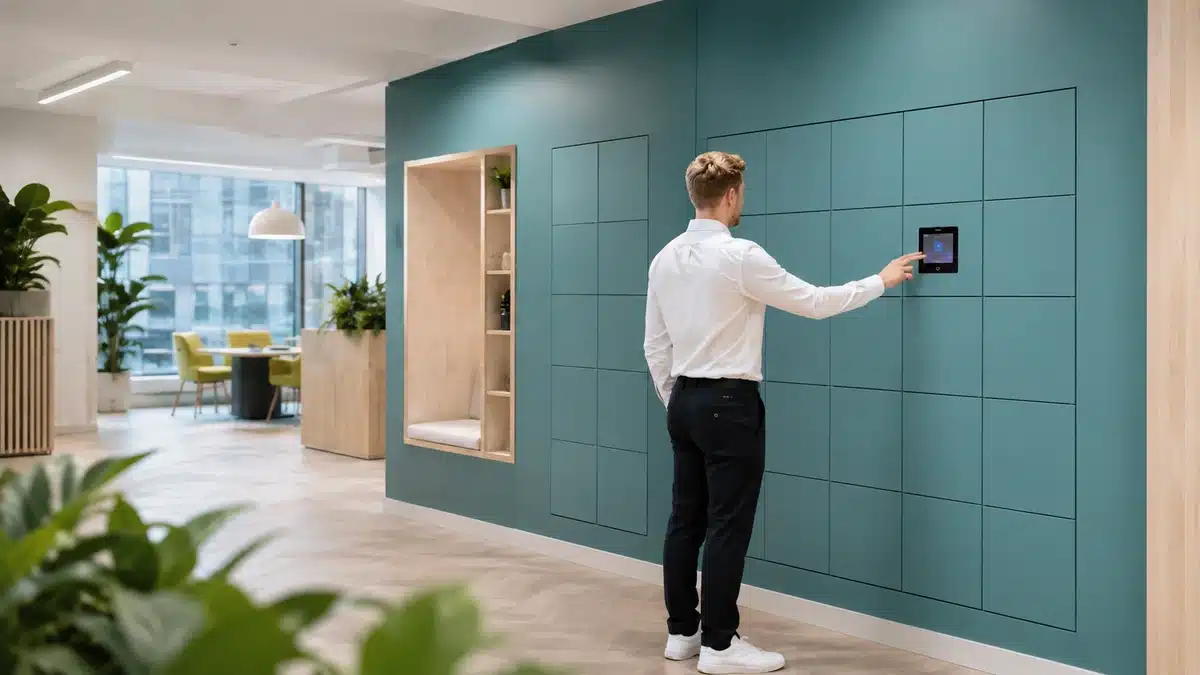
Employee parcels, documents and business deliveries without reception handling.
Residential and property
Secure unattended delivery for residents and tenants without concierge dependency.
Logistics operations
Controlled high-volume handover across depots, service locations and distributed estates.
Retail collection
Customer orders, returns, repairs and service handovers available beyond staffed hours.
Platform capabilities
Specify delivery lockers around your sites and systems
Vpod combines configurable locker hardware, Keynius locker management software, integrations and deployment support so the physical installation and delivery workflow operate as one system.
Explore the Vflex platform
Access and identity
Support PIN, RFID, QR, mobile and other agreed authentication methods for couriers and recipients.
Notifications
Trigger delivery and collection messages through the configured user journey.
Audit and reporting
Review authorised deposits, collections, availability and locker usage.
Compartment design
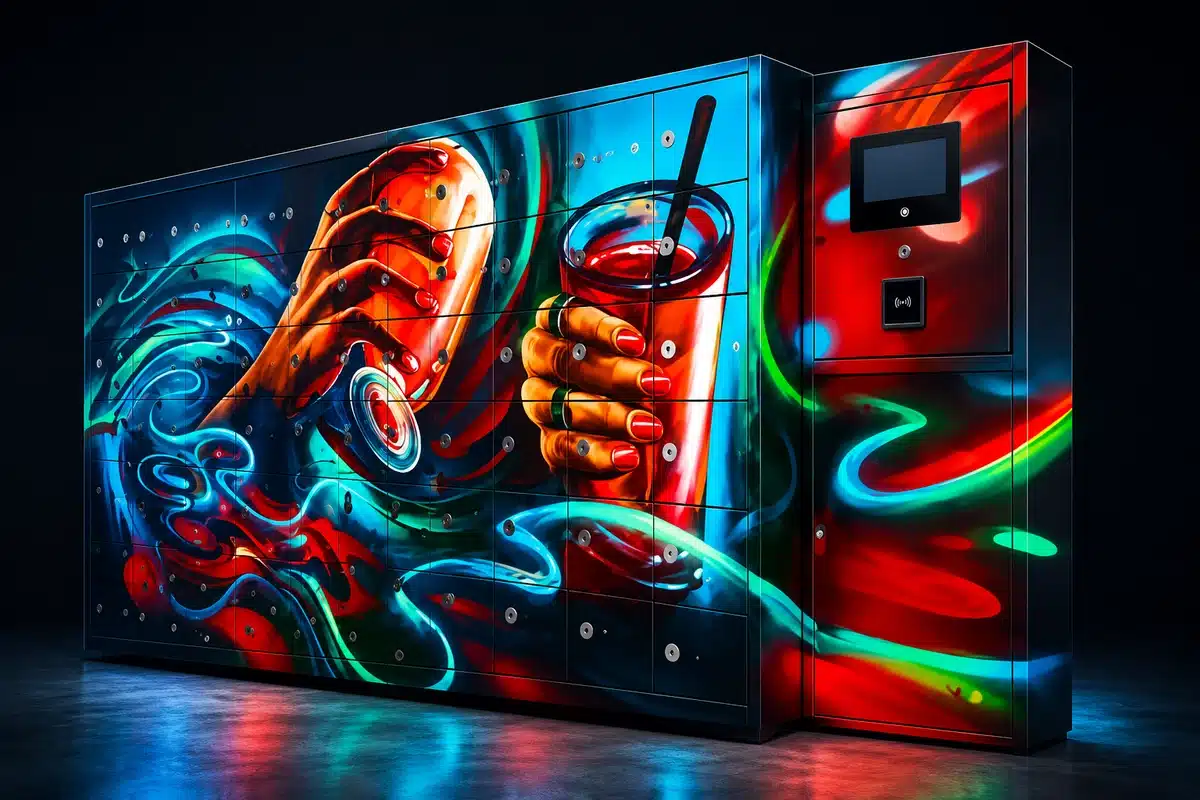
Combine door sizes, layouts, finishes and indoor or outdoor formats around the item mix.
Cloud management
Manage connected lockers, users and rules across individual or multiple sites.
Enterprise integrations
Connect agreed delivery, identity, access and workplace systems where required.
Solution distinction
Delivery lockers and parcel lockers serve related but different needs
Delivery lockers focus on completing a controlled delivery into a workplace, property or operational location, then recording the recipient’s collection.
Parcel lockers cover a broader mix of parcel distribution, returns, carrier-network and collection journeys.
Explore Vpod parcel lockers
Guidance by decision-maker
Delivery lockers aligned with the priorities each buyer owns
Explore the operational, logistics and technology case for secure unattended delivery through the lens of the people responsible for performance.
Operations Directors
Reduce delivery exceptions, standardise site processes and improve measurable operational performance.
Explore delivery lockers for Operations Directors →Logistics Managers
Reduce courier wait times, support first-time completion and create a more predictable last-mile handover.
Explore delivery lockers for Logistics Managers →IT Directors
Connect identity, access, notifications and reporting while maintaining central control across sites.
Explore delivery lockers for IT Directors →
Delivery pain points
Fix the failure points behind repeat deliveries and manual handling
Follow the issue most relevant to your current process. Each guide explains the operational cause, impact and role of a configured delivery locker workflow.
Explore all locker pain points
01Reduce courier wait timesRemove delays at reception, access points and loading areas.
02Remove last-mile inefficiencyReplace repeat visits with a consistent first-time delivery process.
03Strengthen chain of custodyRecord the deposit, authorised access and final collection.
04Control delivery accessGive couriers appropriate access without weakening site security.
05Reduce delivery congestionMove high-volume handovers through a fast self-service workflow.
06Replace manual parcel handlingAutomate receipt, notification, secure storage and collection.
Compare delivery models
Evaluate delivery lockers against manual and failed-delivery processes
Delivery lockers vs failed deliveries
Compare repeat attempts and recipient dependency with secure first-time completion.
Read the delivery comparison →Reception parcel handling vs lockers
Compare staff-led receipt and storage with automated courier deposit and collection.
Compare reception handling →Manual handling vs smart parcel lockers
Assess workload, visibility, security and scalability across both operating models.
Compare manual and automated handling →Parcel rooms vs parcel lockers
Compare open or staffed storage space with controlled, trackable compartments.
Compare parcel rooms and lockers →
Plan a delivery locker deployment
Book a demo
Build a secure delivery workflow around your sites
Bring your delivery volumes, user journey and current handover process. Vpod will help define the hardware, software, integrations and rollout approach.