






Trusted by these customers








- Reduce Delivery Processing Time by 50–80% Smart locker systems automate parcel acceptance, recipient notification and collection, removing manual handling and accelerating delivery workflows. Outcome: Faster delivery flow with less operational effort.
- Eliminate Reception and Loading Bay Bottlenecks Self-service collection reduces queues, courier waiting times and congestion during peak delivery periods. Outcome: Smoother building operations and improved delivery throughput.
- Lower Delivery Administration by 70–95% Automated notifications, digital records and electronic proof of collection replace manual logging, emails and paper-based processes. Outcome: Reduced labour costs and greater operational efficiency.
- Achieve 100% Delivery Visibility and Accountability Every parcel is tracked with time-stamped audit trails, authenticated collections and real-time status reporting. Outcome: Fewer lost deliveries, improved customer service and stronger compliance.
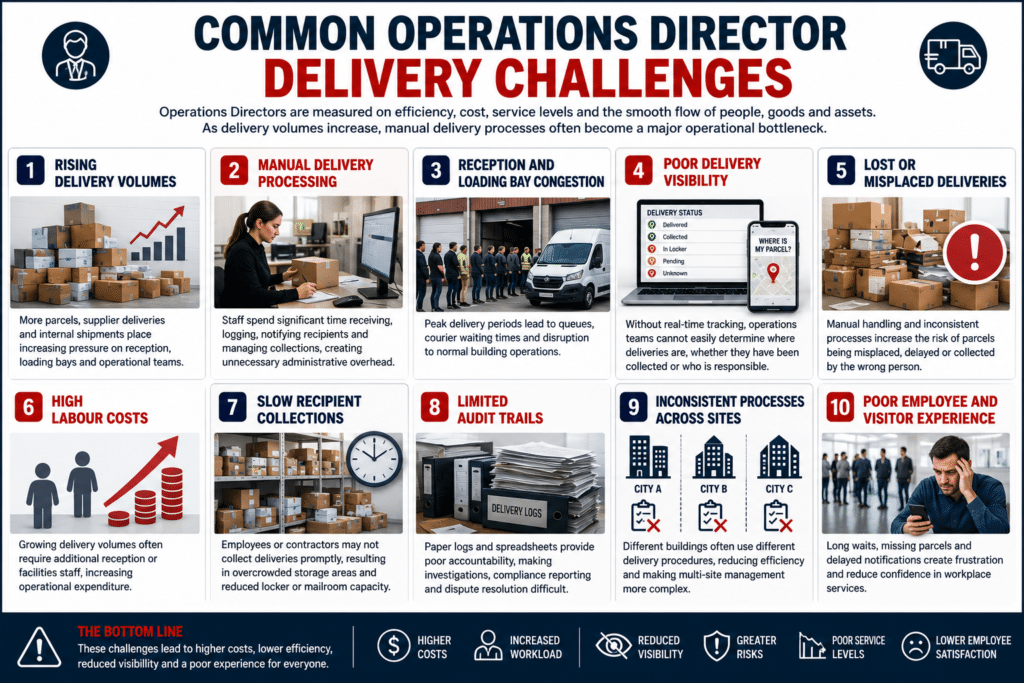
Common Operations Director Delivery Challenges
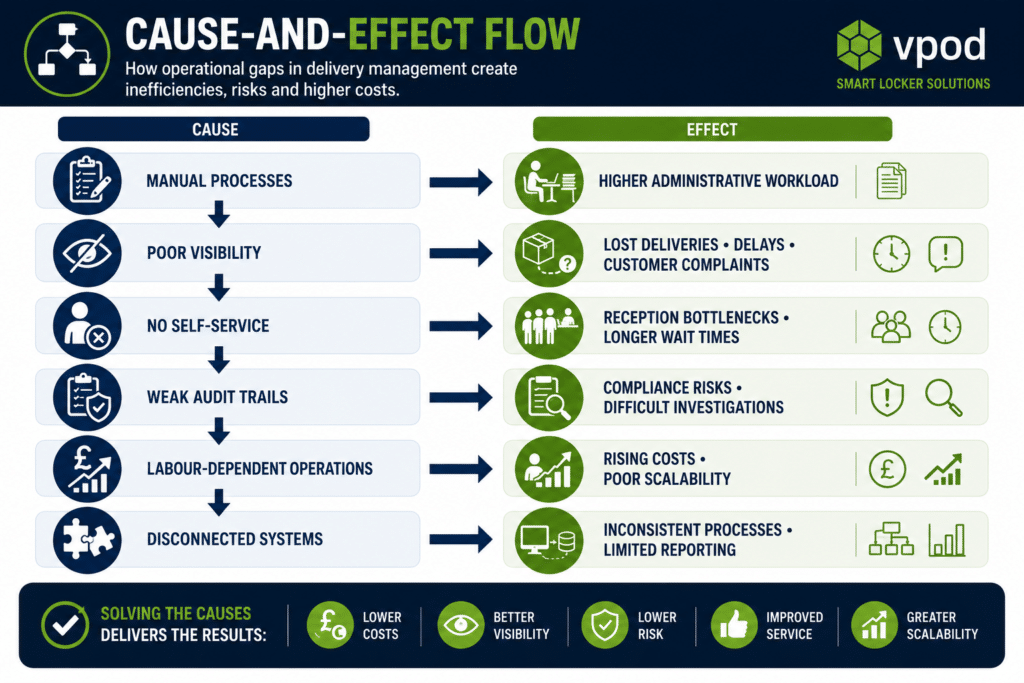
Why Delivery Lockers for Operations Directors Improve Delivery Performance
Operations teams face challenges when:
- Deliveries depend on recipient availability
- Access varies by site and time of day
- Drivers wait for manual handover
- Proof-of-delivery is inconsistent
These inefficiencies multiply across routes and sites.


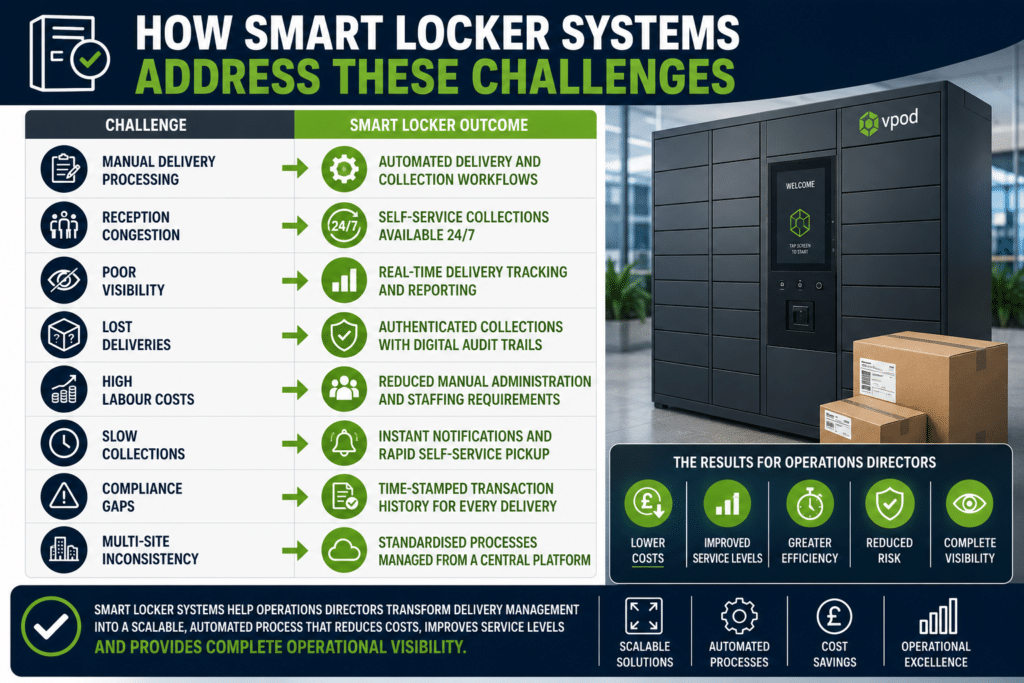
How Delivery Lockers for Operations Directors Improve Operational Performance
Drop-off is completed without recipient presence
Access is controlled and time-independent
Proof-of-delivery is automated and auditable
Delivery workflows are consistent across locations
Locker Systems as Part of Parcel Operational Strategy
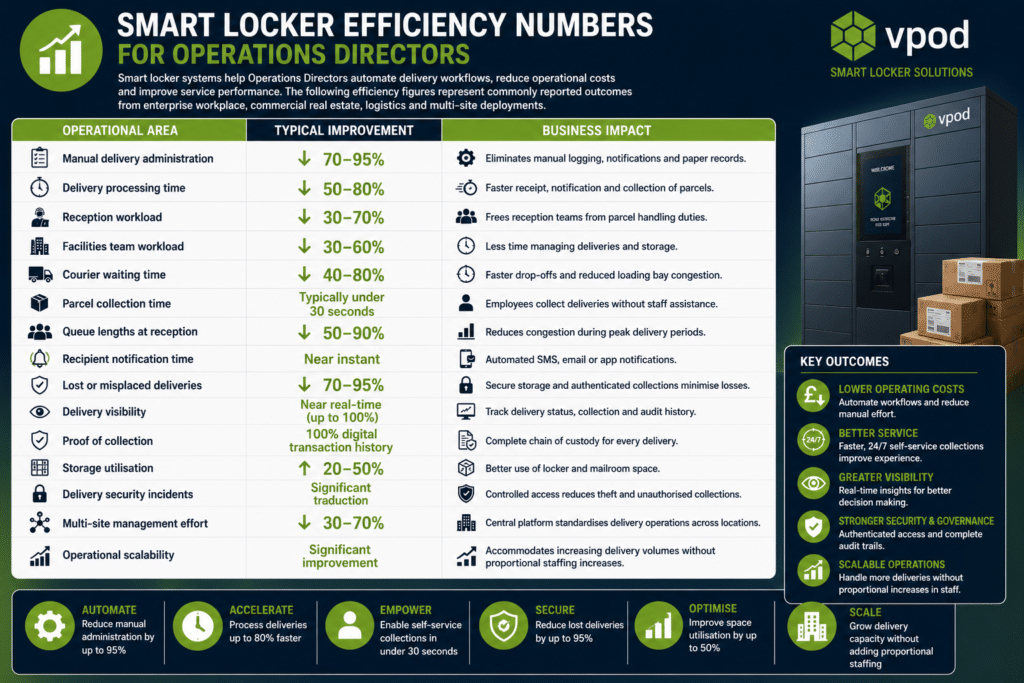
Top 10 Operational Efficiency Gains
1. 70–95% Less Manual Administration
Automated delivery logging, notifications and collection records replace spreadsheets and paper-based processes.
2. 50–80% Faster Delivery Processing
Deliveries move from courier arrival to secure storage much more quickly, reducing bottlenecks.
3. 30–70% Lower Reception Workload
Reception staff spend less time managing deliveries and more time supporting higher-value activities.
4. 40–80% Shorter Courier Waiting Times
Drivers complete deliveries more efficiently, improving loading bay throughput.
5. Under 30-Second Collections
Recipients retrieve parcels independently using PIN, QR code, RFID or mobile authentication.
6. 70–95% Fewer Lost Deliveries
Authenticated collections and secure lockers dramatically reduce misplaced or stolen parcels.
7. Near Real-Time Delivery Visibility
Operations teams can instantly see parcel location, collection status and outstanding deliveries.
8. 100% Digital Audit Trail
Every delivery is time-stamped, user-authenticated and fully traceable for compliance and investigations.
9. 20–50% Better Storage Utilisation
Self-service lockers optimise available space and reduce overflow in reception and mailrooms.
10. Scalable Operations Without Additional Labour
As parcel volumes grow, organisations increase capacity through automation rather than hiring additional reception or facilities staff.
Reception Parcel Handling v Smart Delivery Lockers
Standardised Delivery Infrastructure with Delivery Lockers for Operations Directors
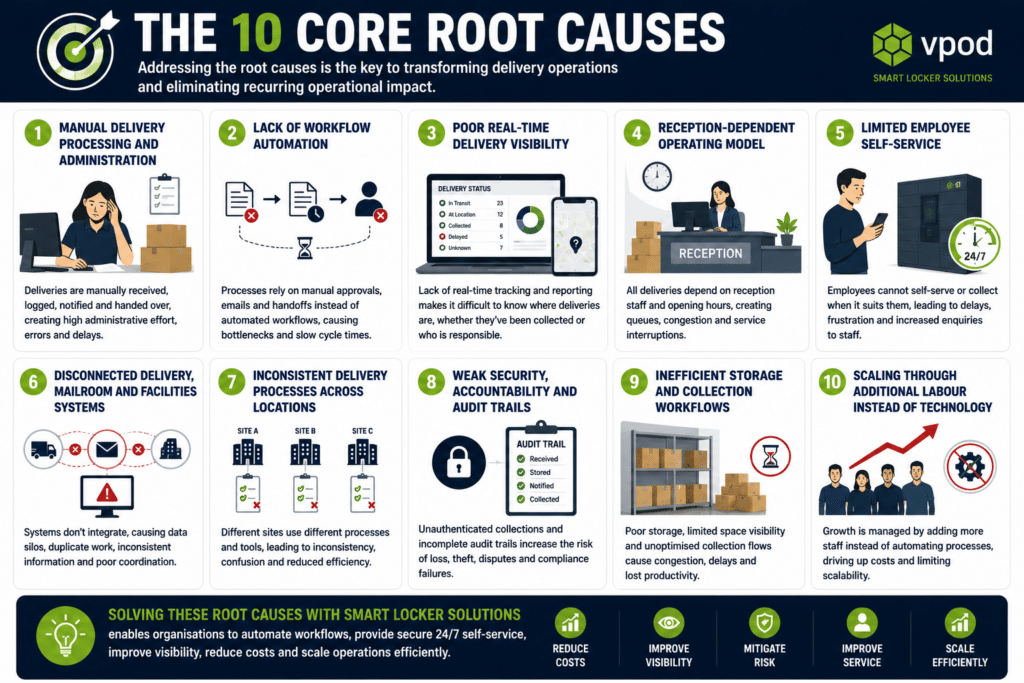
Operations Director Common Issues Smart Delivery Lockers Remove
why delivery chain of custody breaks at scale
Find out more →
why manual parcel handling breaks at scale
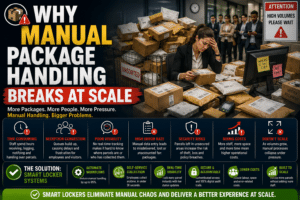
Find out more →
why missed deliveries break offices at scale
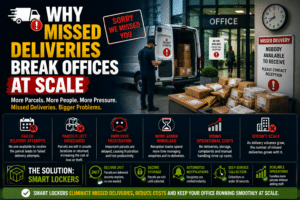
Find out more →
why Delivery Access Control Fails at Scale
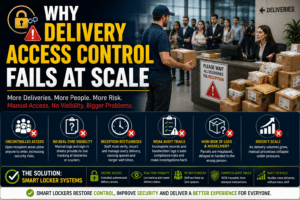
Find out more →
Why courier wait times break buildings at scale
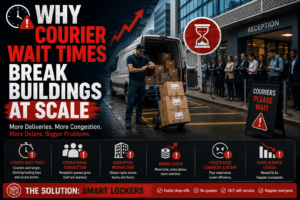
Find out more →
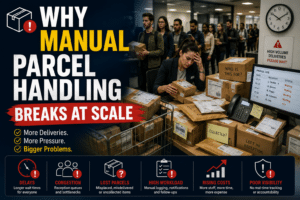
Why Manual Parcel Handling Breaks at Scale
Find out more →
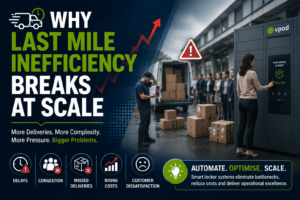
why last mile inefficiency breaks at scale
Find out more →
Outcomes Operations Directors Care About
Higher first-time delivery success
Reduced rework and redelivery
Faster, more predictable routes
Improved SLA performance
Performance Visibility & Operational Control
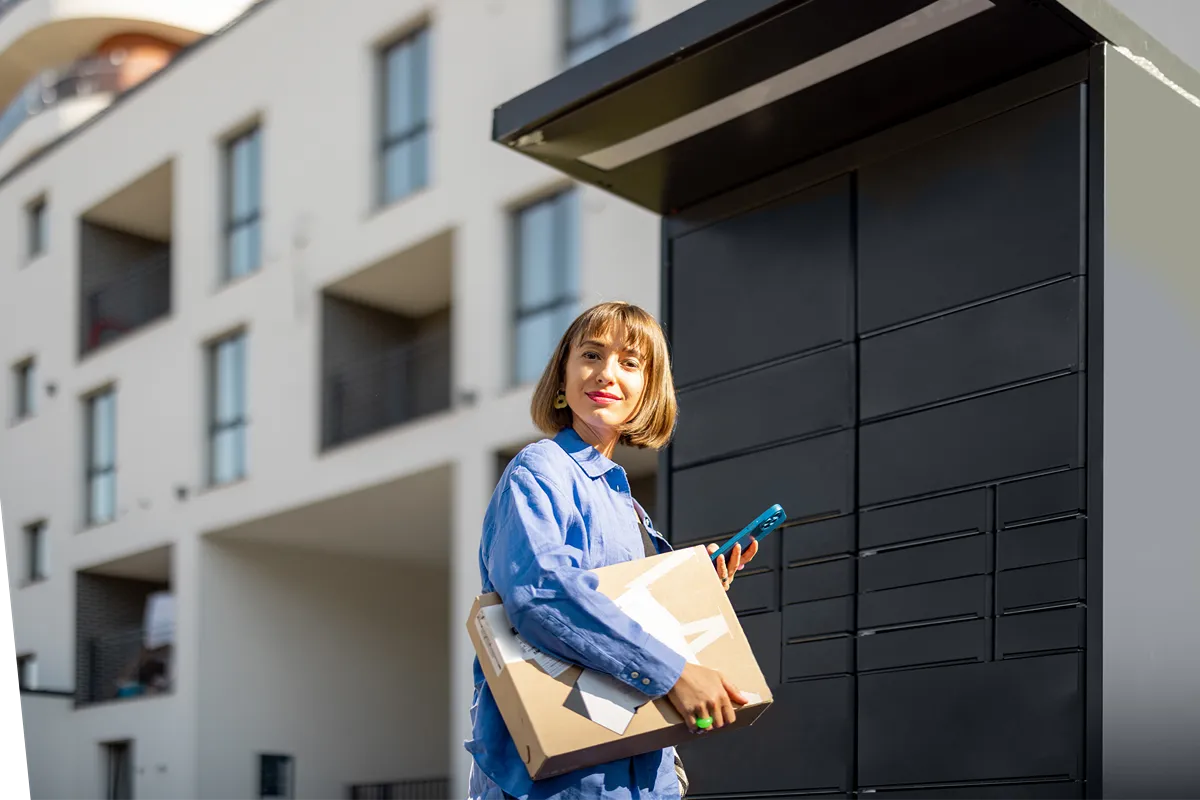
See How Delivery Lockers Work in Practice
Explore Operational Challenges
-
Improve first-time delivery success
-
Enable secure drop-off
-
Standardise delivery workflows
-
Reduce delivery rework
Useful Links
Delivery Lockers Smart Solutions
Delivery Lockers Vs Failed Deliveries