Variable attendance
Demand changes by day, team and location while fixed lockers remain permanently assigned.

We design and deliver integrated systems for streamlined check-ins, secure storage, and enhanced visitor management. Our trusted partner network and focus on sustainability, data security, and customer success drives us to provide the most effective and user-friendly solutions.


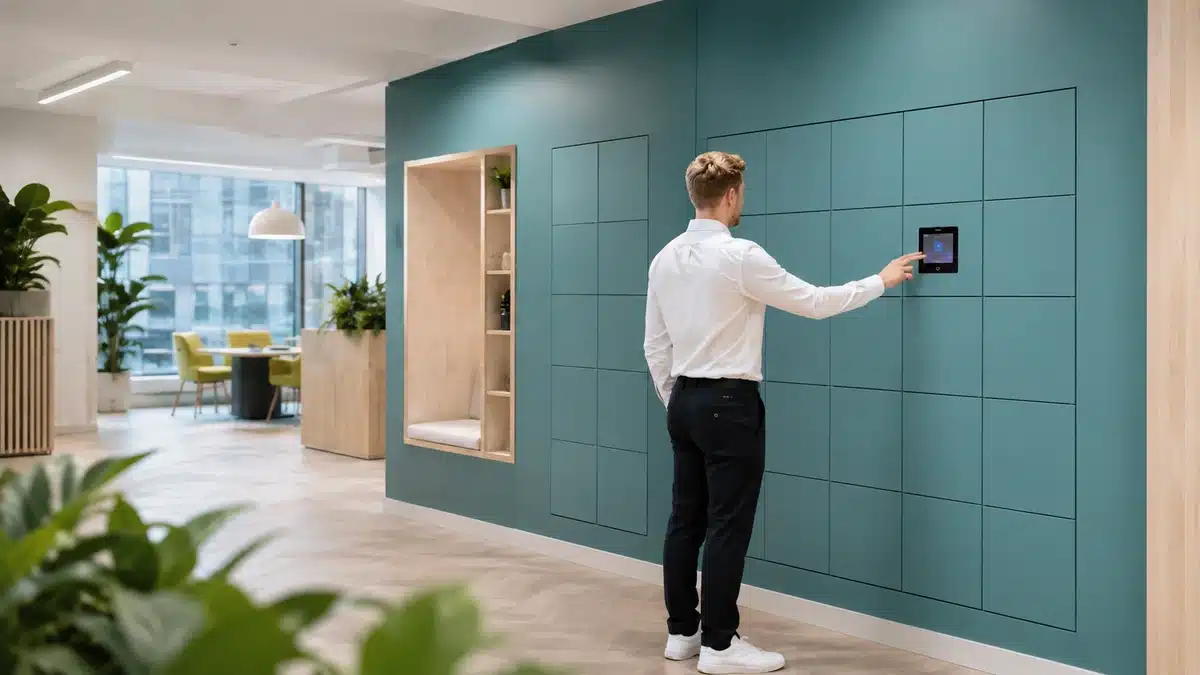

We design and deliver integrated systems for streamlined check-ins, secure storage, and enhanced visitor management. Our trusted partner network and focus on sustainability, data security, and customer success drives us to provide the most effective and user-friendly solutions.
We design and deliver integrated systems for streamlined check-ins, secure storage, and enhanced visitor management. Our trusted partner network and focus on sustainability, data security, and customer success drives us to provide the most effective and user-friendly solutions.
Workplaces & hybrid offices
Give employees secure storage when they are on site, reduce daily facilities administration and create one consistent workplace service across shared desks, buildings and locations.
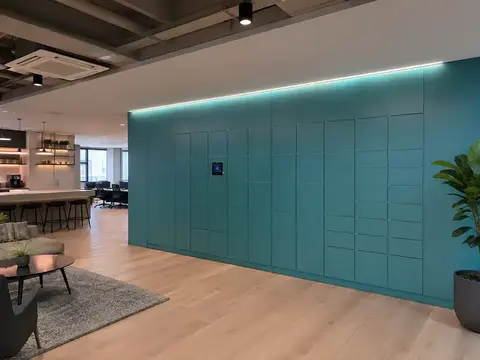
Where hybrid workplaces feel the strain
When people move between desks, neighborhoods and offices, one-locker-per-person models create wasted capacity and avoidable administration.
Demand changes by day, team and location while fixed lockers remain permanently assigned.
Employees arrive without a dependable place for bags, coats and personal belongings.
Physical keys, spreadsheets and manual reallocation absorb facilities time.
Employees perceive scarcity even when unused capacity exists elsewhere in the building.
Rules vary between sites, floors and teams, weakening fairness and employee confidence.
Workplace teams cannot easily see usage, availability, abandoned items or demand patterns.
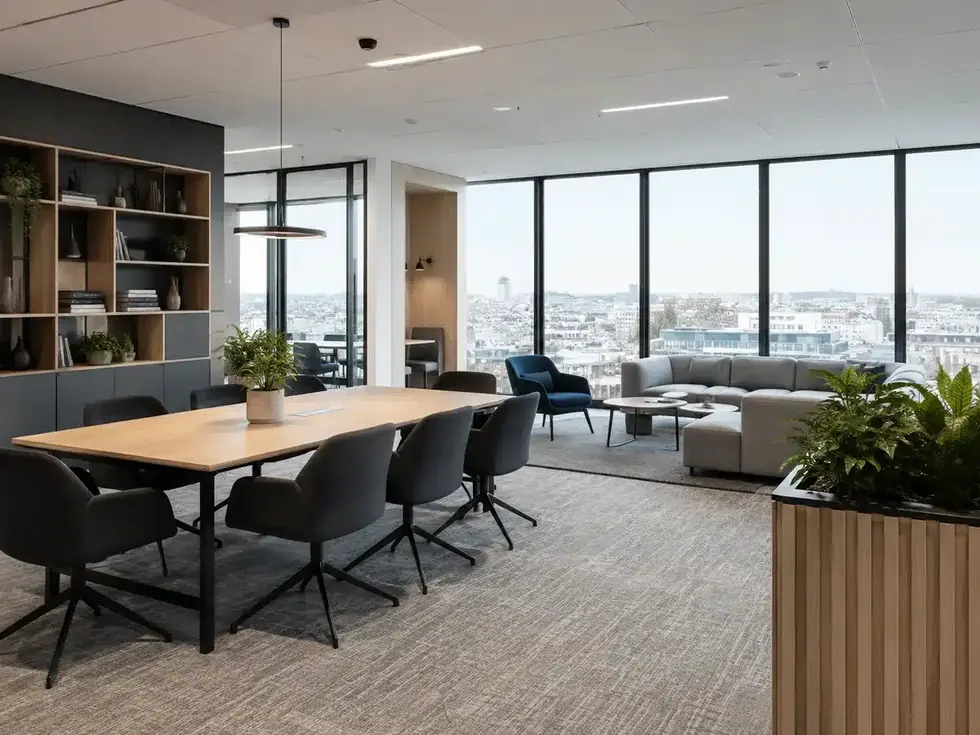
Make storage part of workplace design
Workplace storage solutions should reinforce the employee journey, space strategy and operating model. Locate secure storage near arrival points, shared desks and collaboration zones, then apply consistent rules across the workplace.
A connected employee journey
A clear workplace flow that removes keys, manual allocation and end-of-day chasing.
Using an existing card, mobile credential or PIN.
According to fixed, flexible or dynamic rules.
Close to the employee's working neighborhood.
Access remains simple throughout the working day.
Rules release the locker and preserve the audit record.
Choose the right operating model
Different employee groups can use different rules within the same workplace program.
Longer-term assignment for employees or roles that need dependable dedicated capacity.
Employees select available storage when they attend, improving use across variable demand.
Assignment, duration and release adapt to user type, location and workplace policy.
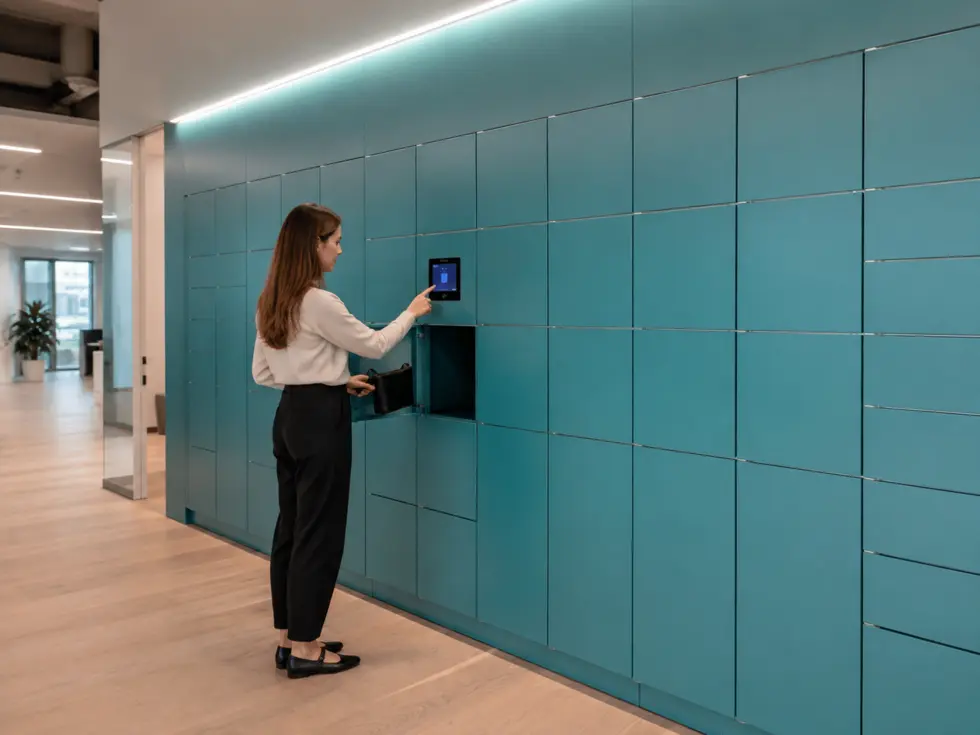
Featured workplace evidence
Cloud-managed workplace storage supports shared desks across London, Edinburgh and Glasgow while giving the workplace team remote control and better visibility.
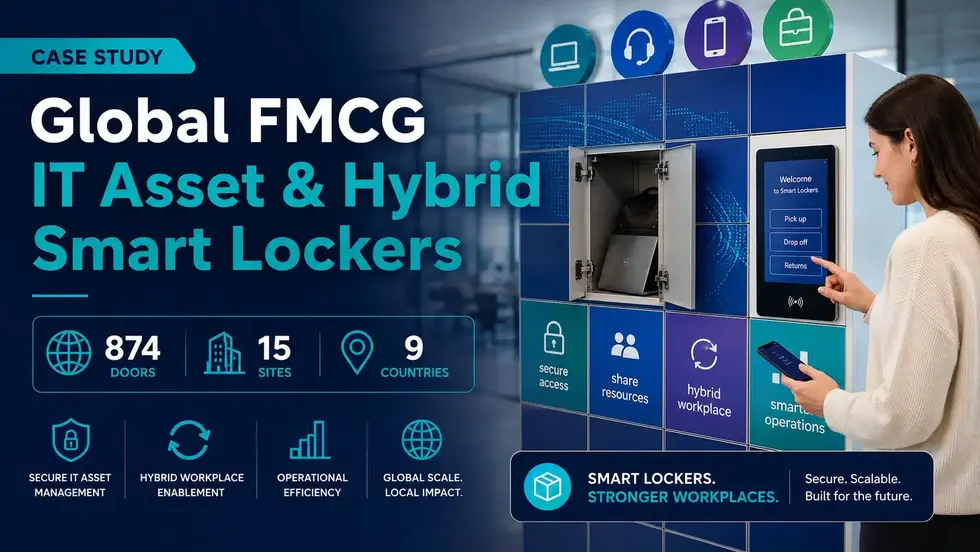
Connected IT asset workflow
The Mars Global FMCG program shows how workplace infrastructure can extend into secure, 24/7 IT device collection and return—without turning the Workplace industry page into an asset-management product page.
Build the workplace business case
Use focused evidence to move from workplace pressure to operating-model and investment decisions.
Diagnose how shared desks, variable attendance and unreliable storage affect the employee day.
Explore desk-sharing pressure →Compare keys and fixed assignments with digital access, allocation and usage visibility.
Compare workplace storage approaches →Assess administration, utilization, capacity and multi-site management rather than hardware alone.
Compare staff cost and automation ROI →Fixed estate vs flexible service
One platform across the workplace estate
Configure adjacent compartments and user journeys around the needs of each building while keeping identity, reporting and management connected.
Explore the Vpod platform →For workplace decision-makers
Connect the industry journey to role-specific guidance without competing for persona search intent.
Improve allocation, utilization, support and consistent workplace standards.
Explore the Facilities view →Standardize employee services and performance across the workplace estate.
Explore the Operations view →Review identity, integrations, data, security and platform governance.
Explore the IT view →Discuss your workplace environment
Share your headcount, attendance profile, buildings, employee groups and existing workplace systems. Vpod will recommend the right capacity, allocation rules and deployment approach.