





Martyn’s Law in Practice: Rethinking Event Entry with Smart Lockers
Event security is no longer just about screening — it’s about managing risk, flow, and crowd safety at scale.
Traditional bag checks slow entry, create queues, and increase pressure at the perimeter — introducing risks that modern regulations like Martyn’s Law aim to reduce.
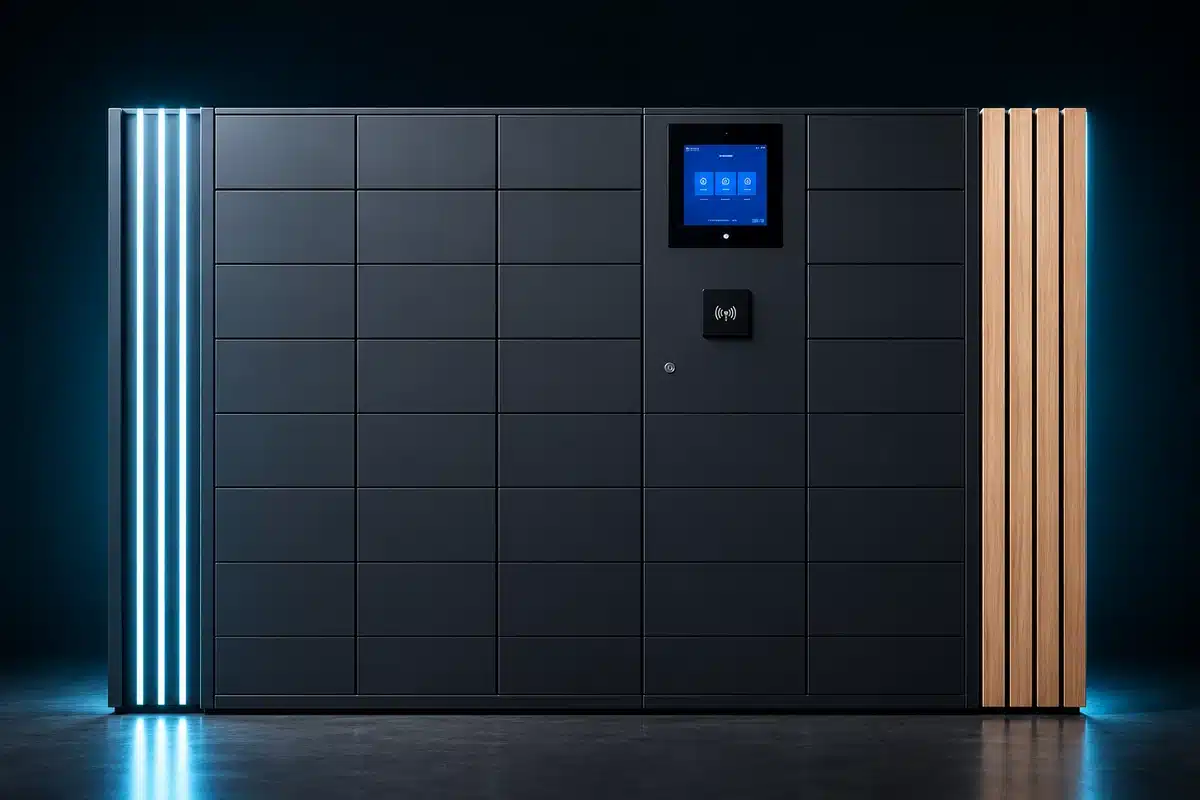
This video shows how pre-entry locker systems remove bags before security, allowing teams to focus on people, increase throughput, and create safer, more controlled entry environments.
See how security + speed can work together — not against each other.
Bag Check Systems vs Smart Event Lockers — Quick Comparison
Bag Check Systems (Manual)
Manual bag inspection
20–40 sec per bag
Slows security throughput
Queues form at peak
High staffing required
Inconsistent inspection
Increases perimeter risk
Smart Event Lockers (Pre-Entry Storage)
Bags stored before entry
5–10 sec per transaction
Speeds up entry flow
No queue dependency
Minimal staffing
Standardised process
Reduces congestion & risk
Event Lockers vs Bag Check Systems — Full Comparison
Category
Operational Model
Throughput Impact
Queue Formation
Staffing Requirement
Consistency
Security Focus
Perimeter Risk
Scalability
Operational Efficiency
Cost Model
Revenue Opportunity
Compliance Support
Bag Check Systems (Manual)
Manual inspection process
Reduces lane capacity by ~50%
High queue risk at entry
Multiple staff per lane
Dependent on staff performance
Bags + people
Increased congestion outside venue
Limited by staffing and space
Reactive and variable
High ongoing labour cost
None
Can create bottlenecks
Smart Event Lockers (Pre-Entry Storage)
Automated pre-entry storage system
Doubles throughput by removing bags
Minimal queues, distributed usage
Minimal supervision required
Standardised, repeatable process
People-focused screening
Reduced external crowding
Scales easily with demand
Predictable and controlled
Lower cost-to-serve
Paid storage potential
Supports safer, controlled ingress
Bag Check Systems (Manual)
Operational Model
Manual inspection process
Throughput Impact
Reduces lane capacity by ~50%
Queue Formation
High queue risk at entry
Staffing Requirement
Multiple staff per lane
Consistency
Dependent on staff performance
Security Focus
Bags + people
Perimeter Risk
Increased congestion outside venue
Scalability
Limited by staffing and space
Operational Efficiency
Reactive and variable
Cost Model
High ongoing labour cost
Revenue Opportunity
None
Compliance Support
Can create bottlenecks
Smart Event Lockers (Pre-Entry Storage)
Operational Model
Automated pre-entry storage system
Throughput Impact
Doubles throughput by removing bags
Queue Formation
Minimal queues, distributed usage
Staffing Requirement
Minimal supervision required
Consistency
Standardised, repeatable process
Security Focus
People-focused screening
Perimeter Risk
Reduced external crowding
Scalability
Scales easily with demand
Operational Efficiency
Predictable and controlled
Cost Model
Lower cost-to-serve
Revenue Opportunity
Paid storage potential
Compliance Support
Supports safer, controlled ingress
How Bag Check Systems Work
Typical Process
- Visitor arrives with bag
- Security inspects contents
- Additional checks if required
- Visitor proceeds to entry
Key Limitations
- Time-intensive
- Dependent on staff performance
- Inconsistent inspection quality
- Slows entire entry system
How Event Lockers Work
Event lockers remove bags before security.
Typical Process
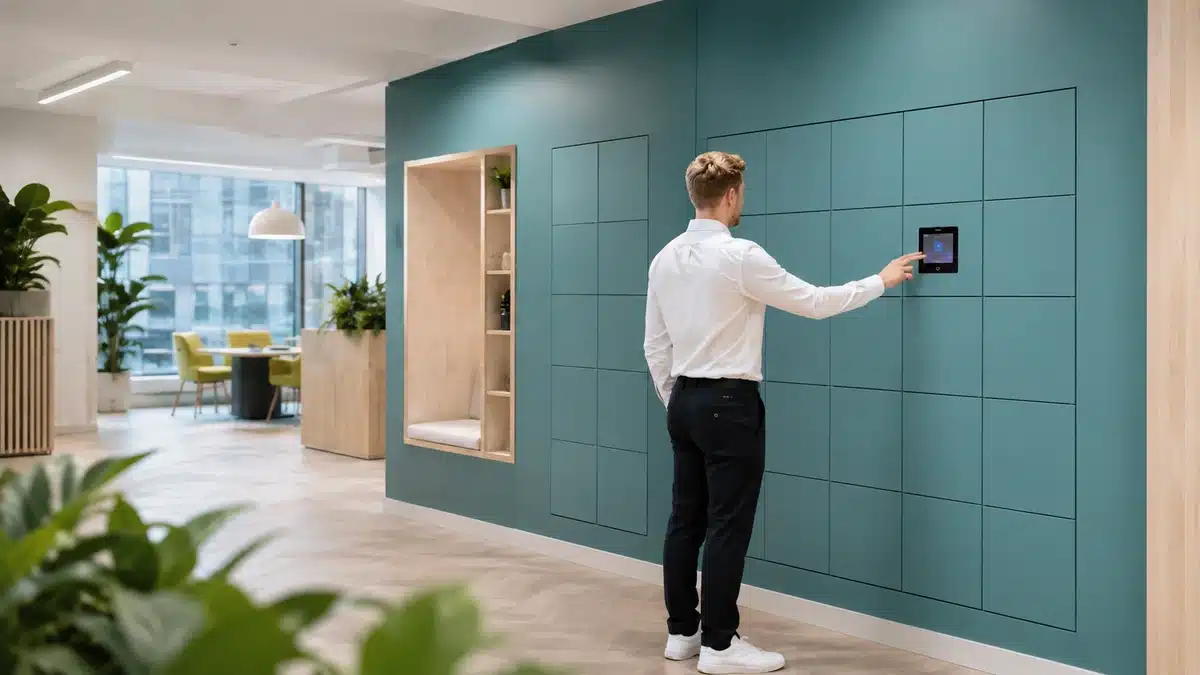
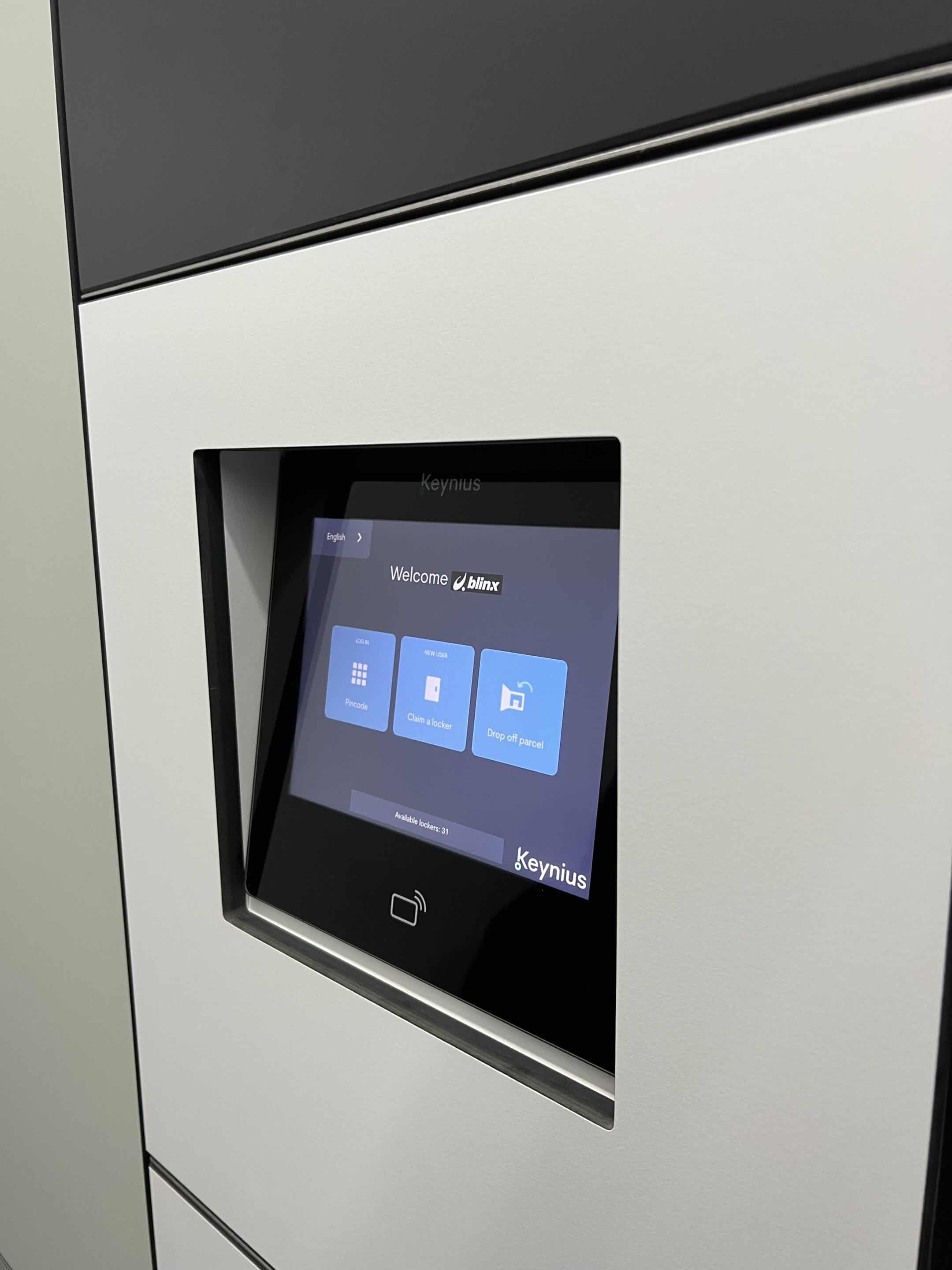
- Visitor stores bag in locker
- Receives access code
- Proceeds to security without bag
Key Advantages
- Removes bag inspection delays
- Improves screening efficiency
- Reduces queue formation
The Core Difference: Throughput
The biggest difference between these systems is:
Scenario
| With bag checks |
| Without bags |
People per hour per lane
| ~200–250 |
| ~450–500 |
Queue Impact
Bag Checks
- Slow processing
- Queues build quickly
- Congestion at entry
Lockers
- Remove delays
- Increase processing speed
- Reduce queues
Security Impact
Bag Check Systems
- Focus on inspecting items
- Divide attention between bags and people
- Create congestion outside venue
Locker Systems
- Remove bags before entry
- Allow security to focus on people
- Reduce perimeter risk
Staffing Requirements
Bag Checks
- Multiple security staff per lane
- High staffing cost
- Ongoing operational burden
Lockers
- Minimal staffing
- Automated process
- Reduced operational cost
Operational Efficiency
Bag Check Model
- Reactive
- Variable performance
- Difficult to scale
Locker Model
- Predictable
- Consistent
- Scalable
Real-World Scenario
10,000 Visitor Event
- 35% bring bags → 3,500 bags
Bag Check Model
- Slows entry significantly
- Queues of 400–800+ people
- Increased perimeter risk
Locker Model
- Removes bags from entry
- Faster throughput
- Minimal queue buildup
When to Use Each Approach
Use Bag Checks When:
- High-security environments
- No storage alternative
- Low attendance events
Use Lockers When:
- Large events
- Need to reduce queues
- Want to improve flow and safety
Best Practice: Combine Both
The most effective model is:
Lockers + Security Screening
- Lockers remove bags
- Security focuses on people
- Throughput increases
- Risk decreases
This creates:
Faster, safer, more controlled entry
See how combining locker systems with security screening improves both safety and throughput.
Final Verdict
Bag checks are:
- Necessary but inefficient at scale
Event lockers are:
- The system that makes security scalable