


Trusted by these customers









- Deployed across 400+ locations in 25+ countries
- SOC 2 / ISO-ready infrastructure for enterprise environments
- Full audit trails and controlled access governance
What Are Delivery Lockers?
These systems are secure, automated drop-off solutions that allow couriers to complete deliveries without recipient presence, using controlled access, digital proof of delivery, and auditable handover processes.
By removing reliance on staff availability, access timing, and manual handovers, this approach enables consistent, unattended delivery completion across sites.
This allows logistics teams to standardise last-mile delivery workflows, improve first-time success rates, and reduce operational variability.
Why Delivery Performance Breaks in Last-Mile Delivery
Delivery operations break down when handover relies on people, timing, or inconsistent processes:
Drivers wait for access or recipients
During last-mile delivery, drivers often wait for staff, security or recipients to be present. This increases dwell time at delivery locations and reduces route efficiency across the network.
Drop-off processes vary by location
Different sites apply different handover rules, forcing drivers to adapt on the fly and reducing repeatability across routes.
Proof of delivery is disputed or incomplete
Manual sign-offs, photos, or informal handovers lead to disagreements over whether, when, or where a delivery was completed.
Rework compounds operational cost
Failed deliveries can increase cost per delivery by 20–40% due to reattempts and exception handling.
Loading bays and access points become congested
Waiting vehicles and manual handovers create bottlenecks at depots, offices, and customer sites during peak delivery windows.
No standardised handover point exists
Without a fixed, auditable drop-off location, delivery completion depends on situational decisions rather than repeatable workflows.
→ Compare delivery lockers vs failed deliveries


How Locker Systems Improve Delivery Economics
Unattended Delivery Completion
Drivers can complete deliveries without waiting for recipients, reception teams or security staff.
This allows deliveries to be completed immediately, improving first-time delivery success and reducing delays during last-mile operations.
Standardised Delivery Workflow
Every site follows the same delivery process.
Drivers arrive, deposit items into a secure locker, and complete the delivery without relying on location-specific handover procedures.
This removes operational variability across delivery networks.
Automated Proof of Delivery
Every locker transaction generates a timestamped digital record that confirms when the delivery occurred and who accessed the locker.
This eliminates disputes about delivery completion and provides auditable proof-of-delivery.
Predictable Throughput During Peak Windows
High delivery volumes can be processed without congestion at reception desks or loading bays.
Drivers complete drop-offs quickly and continue their routes without delays caused by manual handovers.
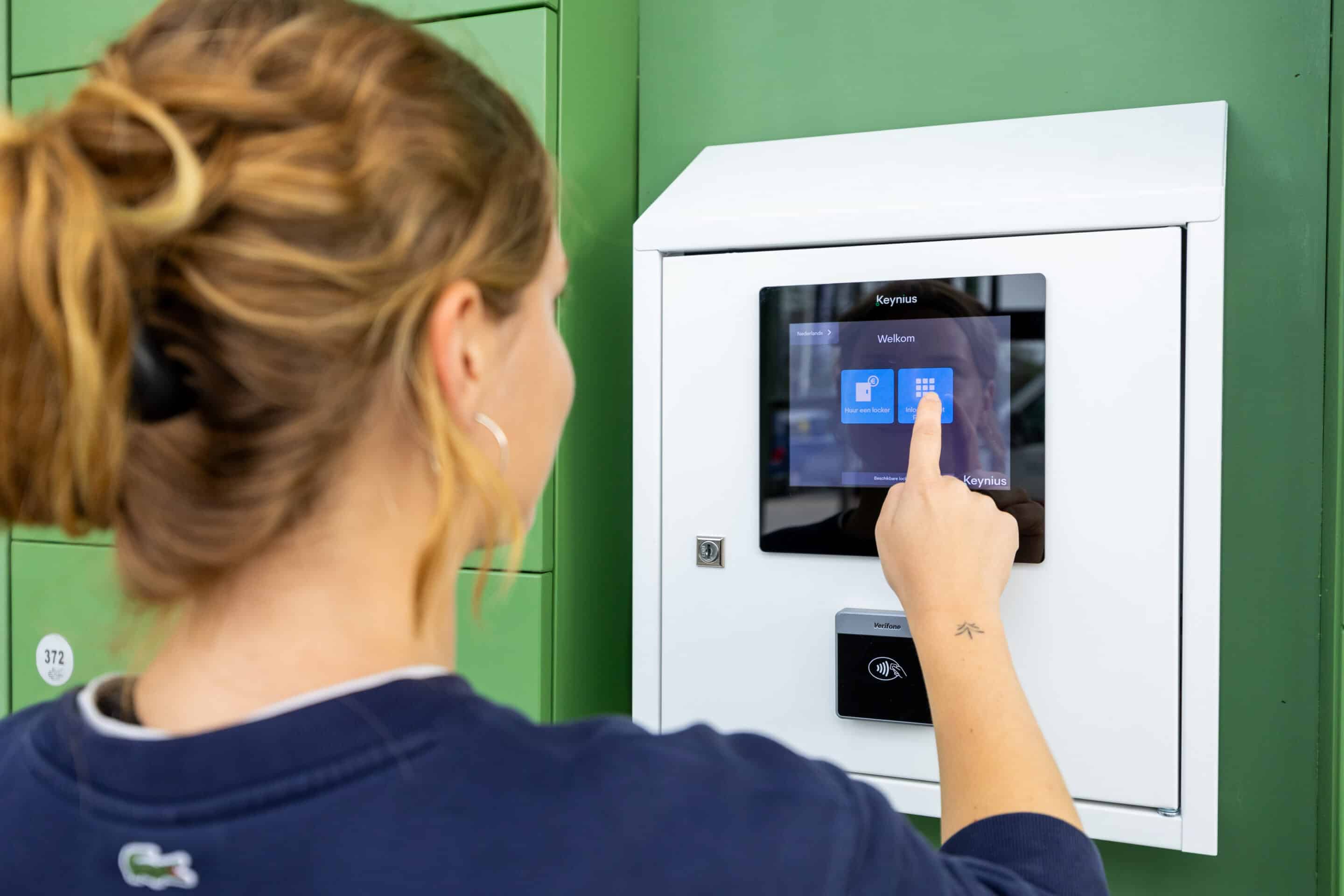
See Delivery Lockers in Real Operational Workflows
Operational KPIs Logistics Teams Track
These locker systems improve measurable logistics performance metrics across delivery networks and customer sites.
Higher first-time delivery success
Unattended, standardised drop-off points allow drivers to complete deliveries without waiting for recipients or access, reducing failed attempts.
Reduced dwell time and site congestion
Faster, repeatable handovers reduce time spent at loading bays, depots, and customer sites during peak delivery windows.
More predictable routes and service levels
Consistent drop-off processes remove variability across locations, helping teams maintain reliable routes and enforce SLAs.
Lower rework and dispute burden
Clear proof of delivery and audit trails reduce redeliveries, customer queries, and manual exception handling.
Improved driver productivity per route
Reduced waiting and rework allow drivers to complete more stops per shift without increasing route length.
Better visibility into delivery performance
Centralised data provides insight into delivery completion rates, bottlenecks, and exceptions, supporting continuous optimisation.
Delivery Lockers for Logistics, Workplaces and Operational Sites
Delivery Lockers for Logistics Networks
Logistics providers use delivery lockers to standardise drop-off processes across routes and delivery locations.
Drivers can complete deliveries without waiting for access or recipients, improving route efficiency and reducing failed delivery attempts.
Typical use cases include:
-
Last-mile delivery completion
-
High-volume delivery routes
-
Multi-site delivery networks
-
SLA-driven delivery operations
Unattended Delivery Systems for Workplaces
Workplaces deploy delivery lockers to remove delivery handling from reception teams and enable secure, unattended drop-offs.
This ensures deliveries can be completed at any time without disrupting staff or creating congestion at entrances and loading areas.
Benefits include:
-
Reduced reception workload
-
Secure unattended deliveries
-
Consistent delivery workflows
-
Improved employee experience
Secure Drop-Off Systems for Depots and Operational Sites
Distribution centres, depots and operational facilities use delivery lockers to manage internal and external deliveries without manual handovers.
This supports controlled access environments where deliveries must be secured, tracked, and completed without interrupting operations.
Typical deployments support:
-
Secure supplier deliveries
-
Internal logistics handovers
-
Controlled site access deliveries
-
High-frequency delivery environments
Who This Is For
Logistics Managers
- Improve first-time delivery success across routes and locations
- Reduce dwell time at customer sites and loading bays
- Maintain consistent handover processes across shifts
Operations Directors
- Standardise delivery completion across multi-site networks
- Reduce rework, redeliveries, and operational variability
- Improve cost control and SLA predictability
IT Directors
- Deploy a centrally managed delivery handover system
- Maintain secure, auditable proof of delivery
- Integrate delivery workflows with existing operational systems
Transform Delivery Operations with Standardised Handover Infrastructure
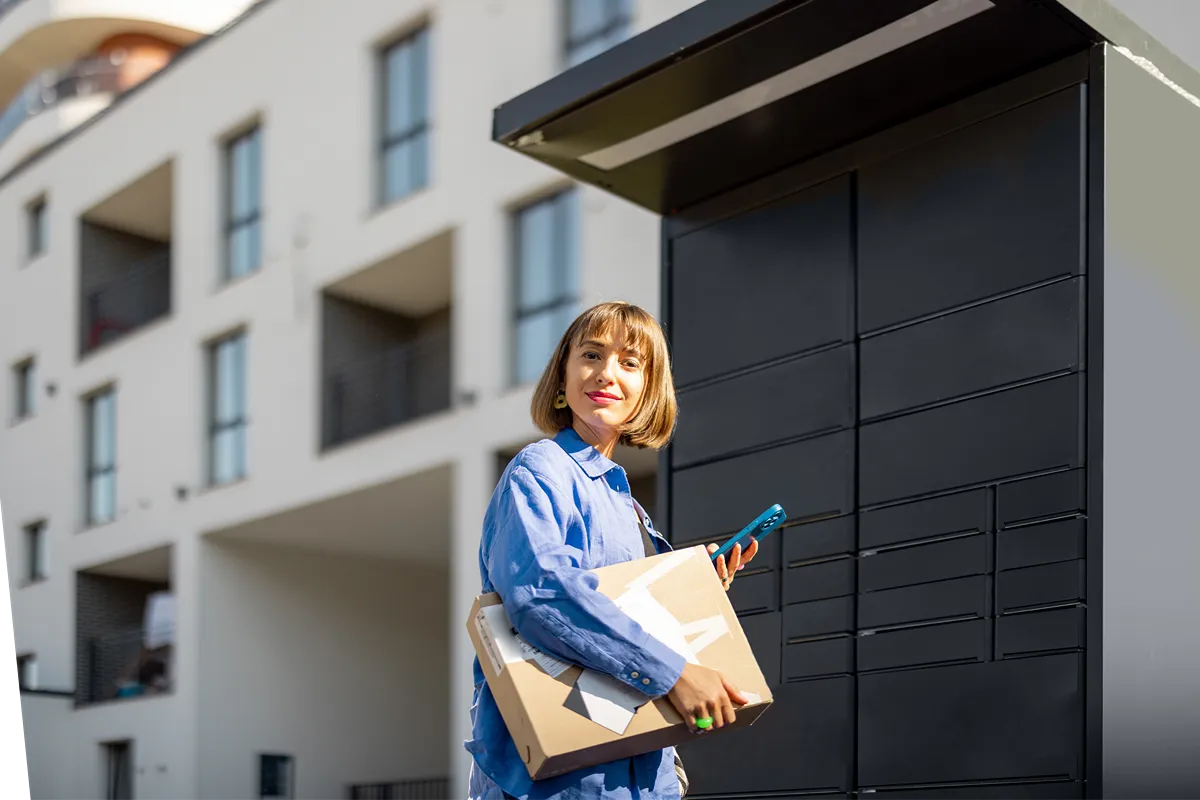
How Delivery Lockers Automate Parcel Management at Scale
Delivery Lockers vs Manual Delivery Handover
→ Compare delivery lockers vs failed deliveries