Support hybrid working
Offer day, shift or longer-term storage without permanently assigning every employee a locker.
Solve hybrid-work storage problems



We design and deliver integrated systems for streamlined check-ins, secure storage, and enhanced visitor management. Our trusted partner network and focus on sustainability, data security, and customer success drives us to provide the most effective and user-friendly solutions.
We design and deliver integrated systems for streamlined check-ins, secure storage, and enhanced visitor management. Our trusted partner network and focus on sustainability, data security, and customer success drives us to provide the most effective and user-friendly solutions.

We design and deliver integrated systems for streamlined check-ins, secure storage, and enhanced visitor management. Our trusted partner network and focus on sustainability, data security, and customer success drives us to provide the most effective and user-friendly solutions.
SMART WORKPLACE LOCKERS
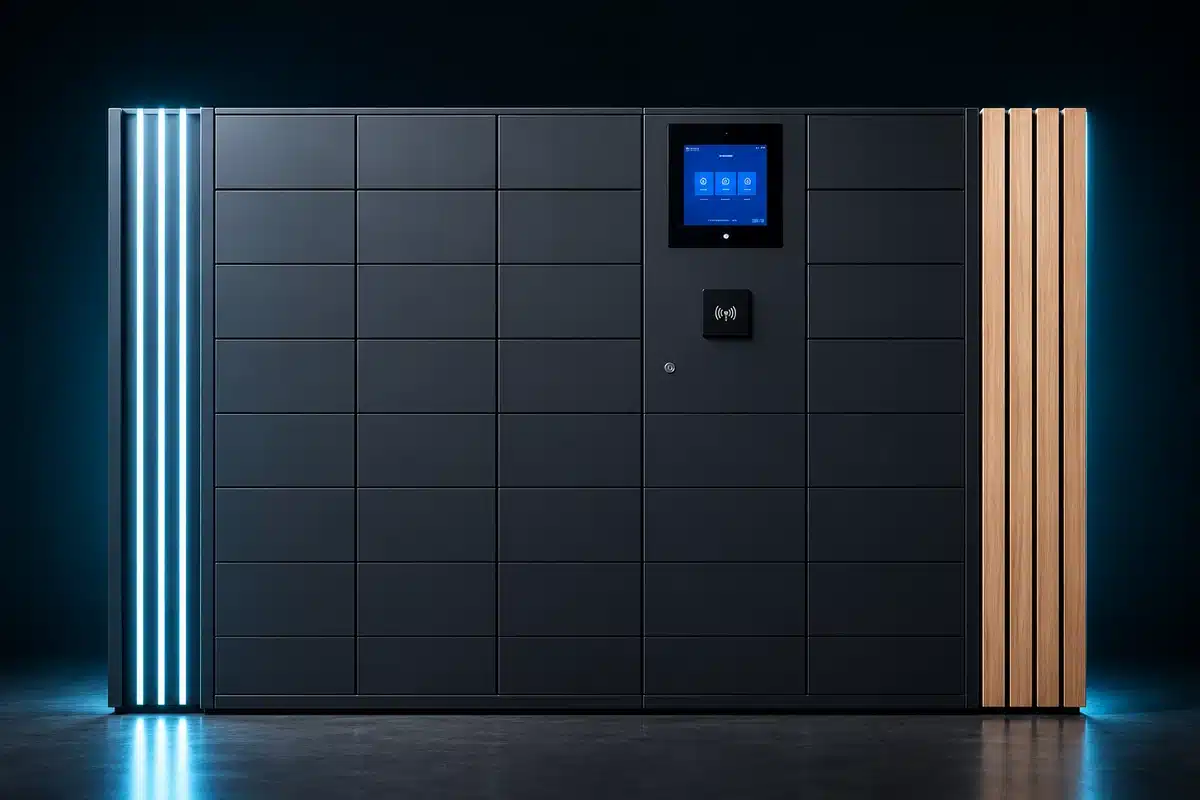
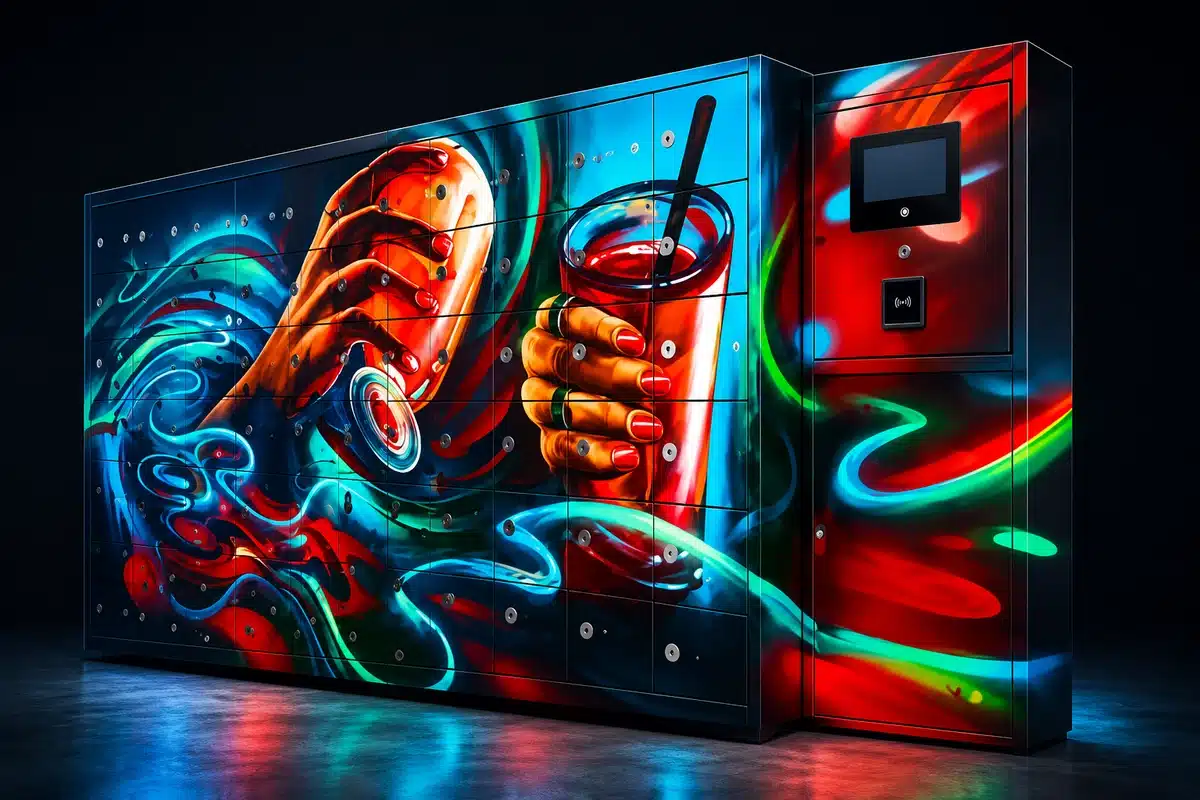
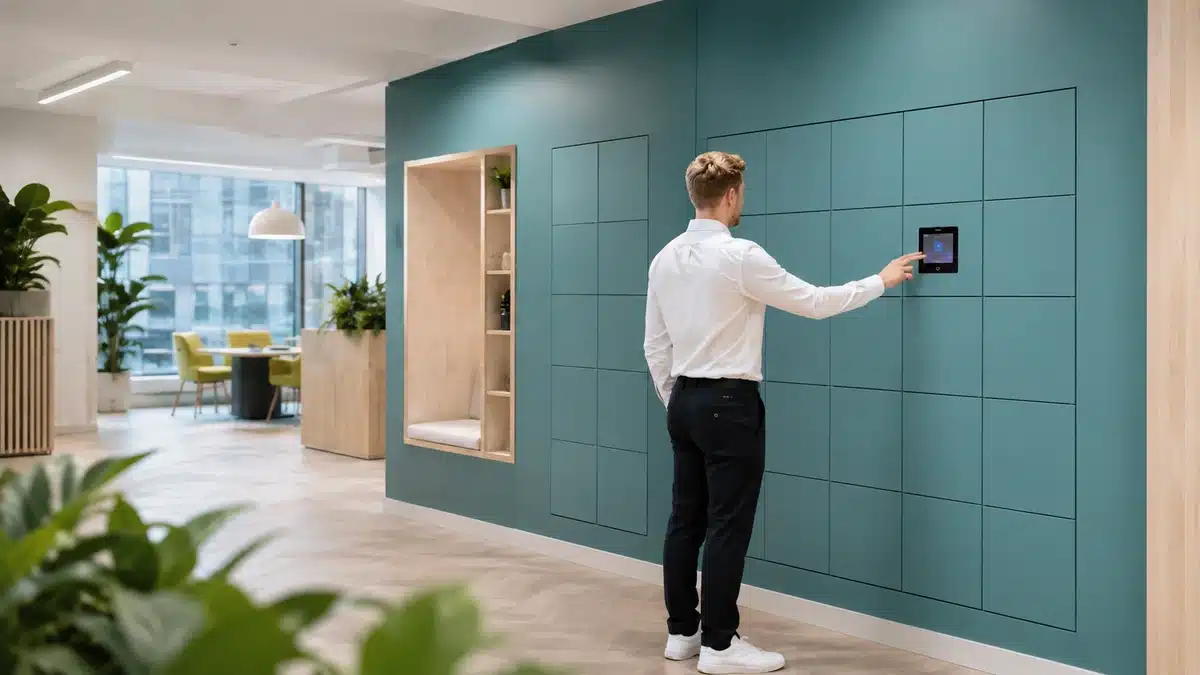
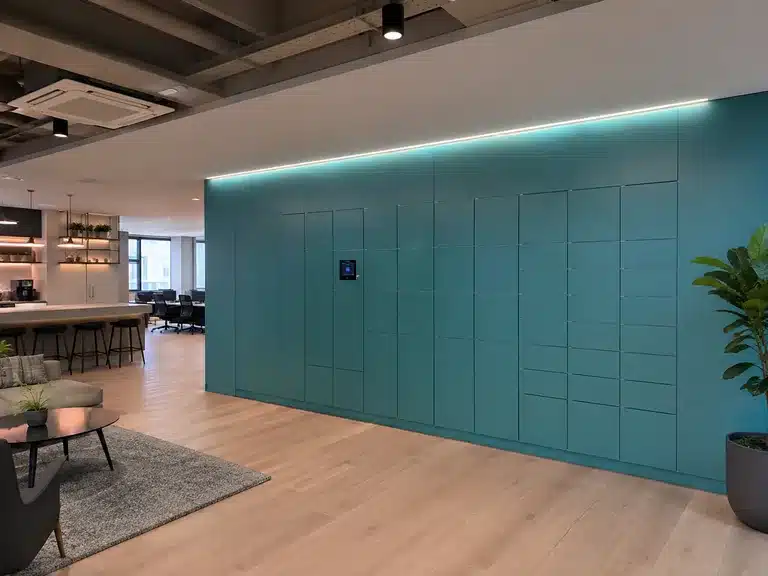
Give employees secure, self-service storage without fixed assignments, physical keys or constant facilities administration. Vpod combines configurable locker hardware with a cloud-managed smart locker platform and workplace integrations for single and multi-site offices.
STORAGE THAT MATCHES HOW PEOPLE WORK
Hybrid attendance makes one-locker-per-person estates expensive and difficult to manage. Vpod’s workplace locker solutions for hybrid offices let authorised users take a locker when they need one, while workplace teams control allocation rules, access and utilisation centrally.
Offer day, shift or longer-term storage without permanently assigning every employee a locker.
Solve hybrid-work storage problemsUse live availability and flexible allocation to serve more people with an appropriately sized locker estate.
Address workplace locker shortagesReplace keys, spreadsheets and manual reassignments with self-service access and automated release rules.
Why manual locker management failsRecord access events and apply consistent permissions across teams, buildings and office locations.
Control unauthorised equipment accessONE CONNECTED WORKFLOW
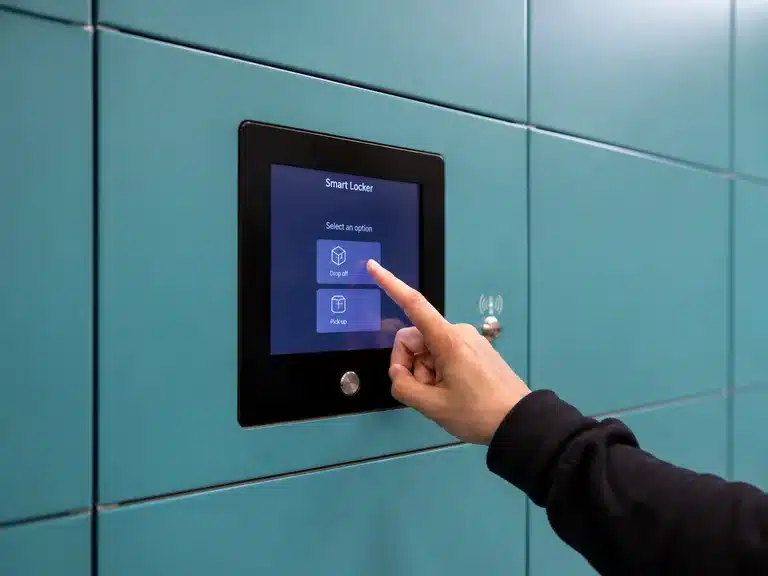
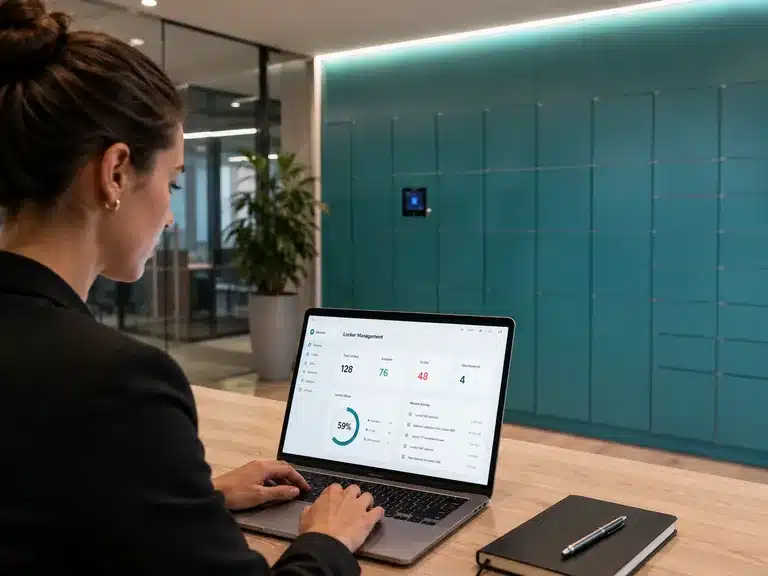
Choose the right model with Vpod’s guide to fixed, flexible and dynamic locker allocation, or review the API and integration requirements with your technology team.
MORE THAN PERSONAL STORAGE
Configure adjacent compartments and user journeys around the needs of each building rather than installing disconnected storage systems.
Secure bags, coats and personal items close to shared desks and collaboration areas.
Remove desk-sharing bottlenecksEnable controlled collection, return and swap workflows for laptops, peripherals and loan devices.
Reduce laptop-loaner delaysUse smart asset lockers for workplace equipment without relying on a staffed service desk or informal handovers.
Fix shared-equipment availabilityCombine employee storage with automated workplace parcel collection where the office requires it.
Compare reception handling with lockersCUSTOMER EVIDENCE
HYBRID WORKPLACE
Cloud-managed workplace storage supports shared desks and a consistent employee experience across Edinburgh, Glasgow and London.
Read the Skyscanner workplace locker case study →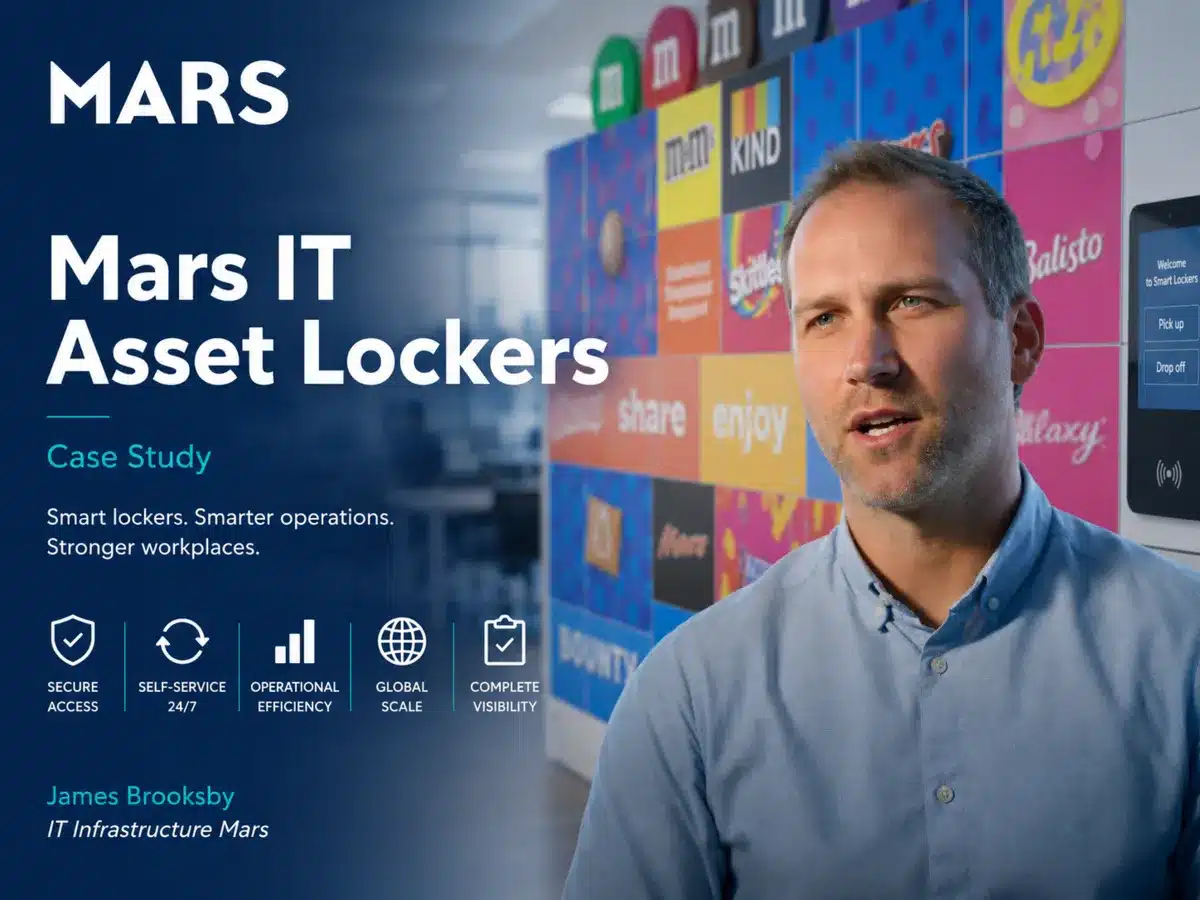
IT ASSET & HYBRID WORKING
A multi-country locker programme enables secure self-service access to replacement devices, returns and accessories.
Explore the global workplace and IT locker deployment →BUILT FOR EACH DECISION-MAKER
The same platform answers different operational, technical and employee-service requirements. Use the role-specific guidance to prepare your internal business case.
EXPLORE THE OPERATIONAL PROBLEM
Use these focused guides to diagnose where employee storage, equipment availability and manual processes are creating avoidable cost or friction.
MAKE AN EVIDENCE-BASED CHOICE
PLAN THE RIGHT WORKPLACE LOCKER ESTATE
Define user groups, attendance patterns, compartment mix, allocation rules, access methods, integrations and support before specifying hardware.