




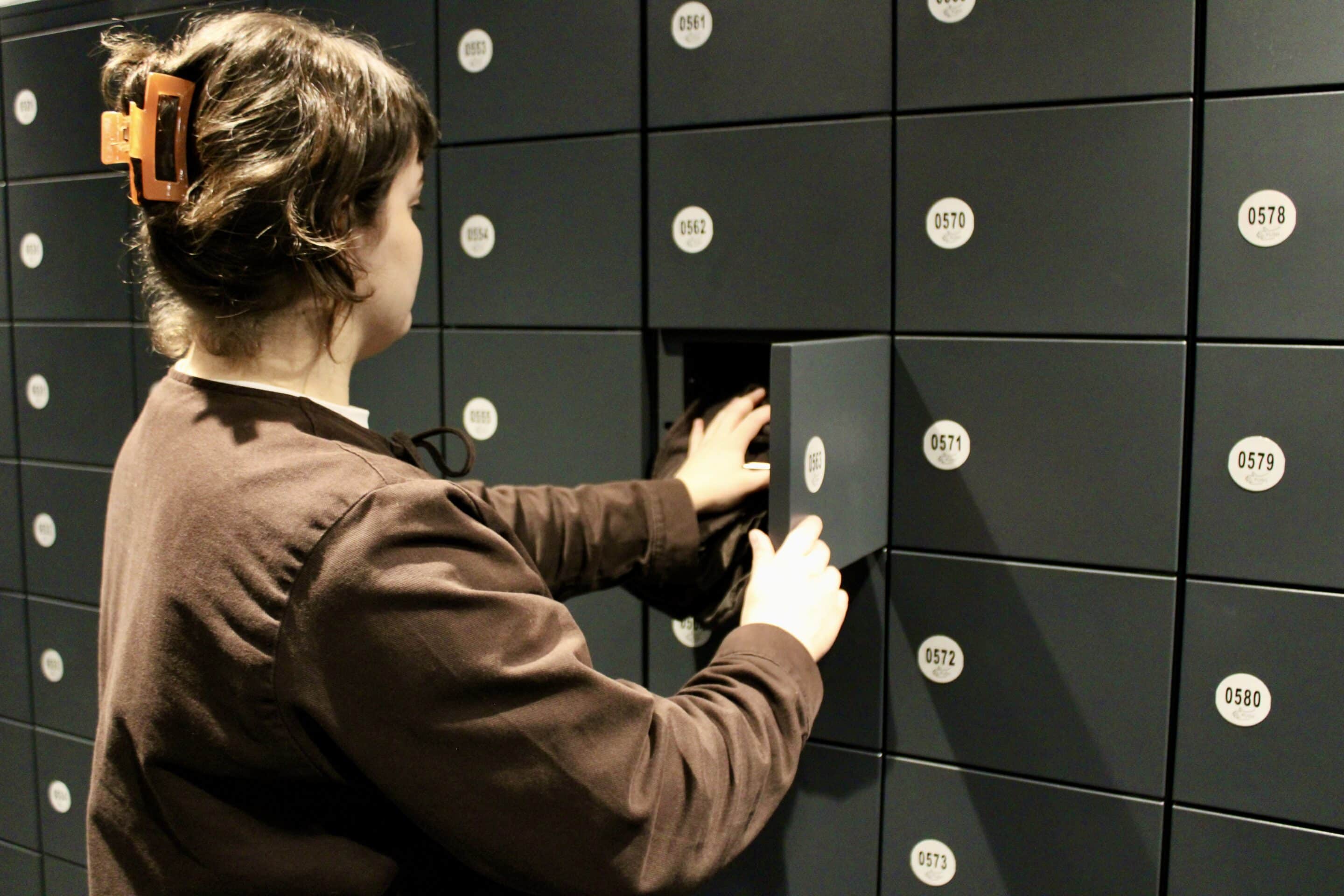
Cloakroom vs Smart Lockers | Why Events Are Replacing Manual Storage
Traditional cloakrooms were designed for smaller crowds and slower event environments — but at scale, they introduce queues, staffing pressure, and operational risk.
This video compares cloakrooms with smart locker systems, showing how self-service storage removes bottlenecks, improves entry throughput, and reduces reliance on manual processes.
Cloakroom vs Smart Lockers (Quick Comparsion)
Cloakroom (Manual Storage)
30–40 sec per item
High staffing required
Queues at entry
Manual handling
Limited scalability
Cash-based systems
No reporting
Smart Lockers (Self-Service)
8–10 sec per transaction
Minimal staffing
No queues
Fully automated
Scalable capacity
Digital payments
Full usage & revenue tracking
Cloakroom vs Smart Lockers – Full Comparison
Throughput Capacity
~100 bags/hour per staff member
~400–500 uses/hour per locker
Cloakroom (Manual Luggage Storage)
30–40 seconds per bag handling
Staff receive, tag, store, retrieve
High staffing required
Queues during peak times
Limited capacity (room-based)
Manual ticketing system
Risk of lost tickets or errors
No real-time visibility
Cash or manual payments
High operational cost
Slows guest flow at peak times
High risk of congestion at entry/exit
Limited security control
No data or analytics
Difficult to scale for large demand
Staff dependency for every interaction
Smart Lockers (Self-Service Luggage Storage)
8–10 seconds self-service
Guests store and collect independently
Minimal staffing (1–2 attendants)
No queues / instant access
Scalable locker banks
Digital access (PIN / QR / app)
Secure, trackable transactions
Full usage & access reporting
Automated digital payments
Lower cost-to-serve
Supports continuous flow
Reduces congestion significantly
Individual secure compartments
Revenue & usage analytics
Easily scalable for high volumes
Fully self-service model
Smart Lockers (Self-Service Luggage Storage)
30–40 seconds per bag handling
8–10 seconds self-service
Staff receive, tag, store, retrieve
Guests store and collect independently
High staffing required
Minimal staffing (1–2 attendants)
Queues during peak times
No queues / instant access
Limited capacity (room-based)
Scalable locker banks
Manual ticketing system
Digital access (PIN / QR / app)
Risk of lost tickets or errors
Secure, trackable transactions
No real-time visibility
Full usage & access reporting
Cash or manual payments
Automated digital payments
High operational cost
Lower cost-to-serve
Slows guest flow at peak times
Supports continuous flow
High risk of congestion at entry/exit
Reduces congestion significantly
Limited security control
Individual secure compartments
No data or analytics
Revenue & usage analytics
Difficult to scale for large demand
Easily scalable for high volumes
Staff dependency for every interaction
Fully self-service model
30–40 seconds per bag handling
Staff receive, tag, store, retrieve
High staffing required
Queues during peak times
Limited capacity (room-based)
Manual ticketing system
Risk of lost tickets or errors
No real-time visibility
Cash or manual payments
High operational cost
Slows guest flow at peak times
High risk of congestion at entry/exit
Limited security control
No data or analytics
Difficult to scale for large demand
Staff dependency for every interaction
The Core Difference
Cloakrooms = Staffed Process
- Staff receive, tag, store, and return items
- Dependent on labour and manual processes
- Slows down under peak demand
Smart Lockers = Self-Service System
- Guests store items independently
- No staff involvement required
- Designed for high-volume throughput
Throughput & Speed Comparison
Speed is the biggest operational difference.
Cloakrooms
- ~35 seconds per bag
- 1 staff member = ~100 bags/hour
- Creates queues during peak arrival
Smart Lockers
- ~8 seconds per transaction
- 1 locker = ~450 uses/hour
- Eliminates storage bottlenecks
Queue Formation & Perimeter Risk
Cloakrooms directly affect security throughput and queue length.
Cloakrooms
- Bags reach security lanes
- Slows screening process
- Reduces throughput (~250 people/hour per lane)
- Creates external queue buildup
Smart Lockers
- Bags removed before security
- Faster screening
- Throughput increases (~450–500 people/hour per lane)
- Shorter queues, improved safety
Staffing & Operational Cost Comparison
Cloakrooms
- 15–25 staff required (large events)
- Labour-heavy process
- High operational cost
Smart Lockers
- 1–2 attendants only
- Fully automated storage
- Significant cost reduction
Revenue & ROI Comparison
Cloakrooms
- Often free or low-cost
- Limited revenue tracking
- High cost-to-serve
Smart Lockers
- £5–£10 per use typical
- Fully trackable revenue
- High-margin income stream
Security & Compliance (Martyn’s Law Impact)
Cloakrooms
- Increase queue buildup outside venues
- Create security vulnerabilities
- Slow ingress
Smart Lockers
- Reduce perimeter congestion
- Support faster entry
- Improve compliance with crowd safety requirements
Guest Experience Comparison
Cloakrooms
- Long wait times
- Ticket-based retrieval
- Frustration during exit
Smart Lockers
- Instant self-service
- No queues
- Faster exit experience
Scalability & Flexibility
Cloakrooms
- Limited by staff
- Difficult to scale quickly
- Fixed process
Smart Lockers
- Modular expansion
- Deploy for temporary or permanent events
- Scales with demand
When Cloakrooms Still Make Sense
To be balanced:
- Small venues with low attendance
- Low bag usage environments
- Non-peak operations
When Smart Lockers Are the Better Choice
Smart lockers are ideal for:
- Events with 1,000+ attendees
- Venues with security screening
- High bag volumes
- Peak arrival windows
- Multi-event venues
Final Verdict
Cloakrooms are a legacy solution built for low-volume, low-speed environments.
Smart lockers are a modern infrastructure solution designed for high-throughput, secure, and scalable event operations.
If your priority is:
- Faster ingress
- Reduced queues
- Improved security
- Lower staffing cost
- New revenue streams
Smart lockers are the clear choice.