





From Coin Lockers to Smart Lockers: The Leisure Upgrade
Coin lockers were built for a different era — one defined by coins, keys, and manual processes.
This video shows how modern leisure environments are upgrading to smart locker systems that eliminate friction and improve user experience.
See how:
– Coin and key dependency is removed
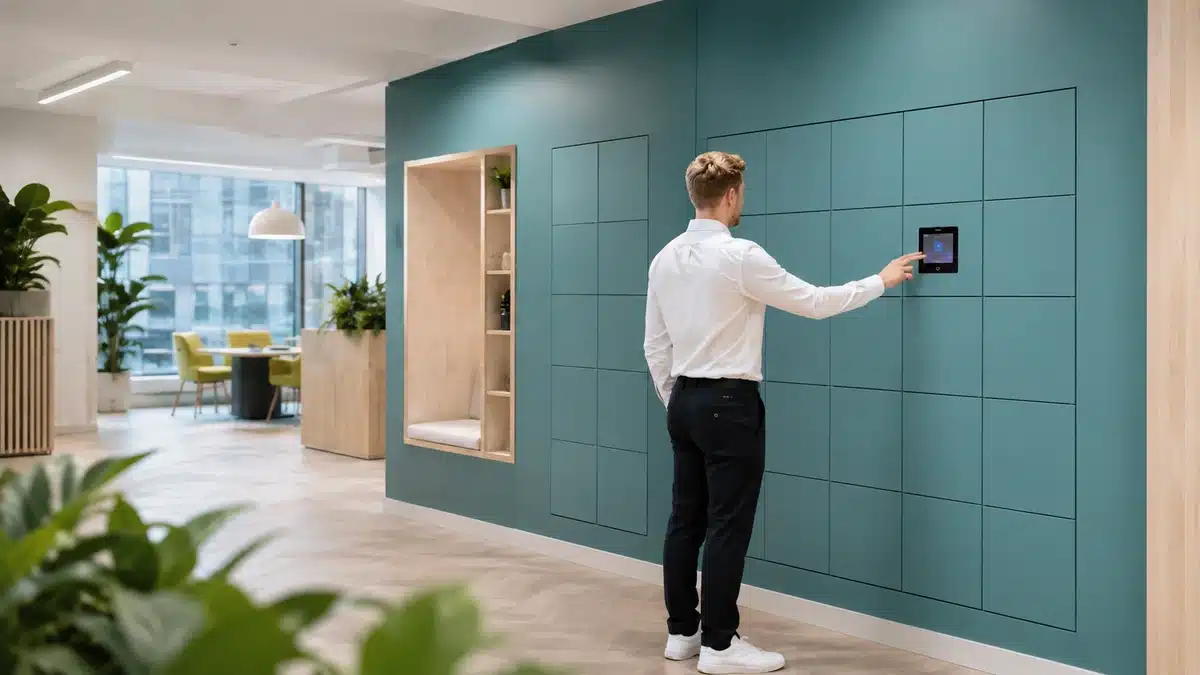
– Locker access becomes instant and digital
– Maintenance issues are reduced
– Users experience faster, smoother storage
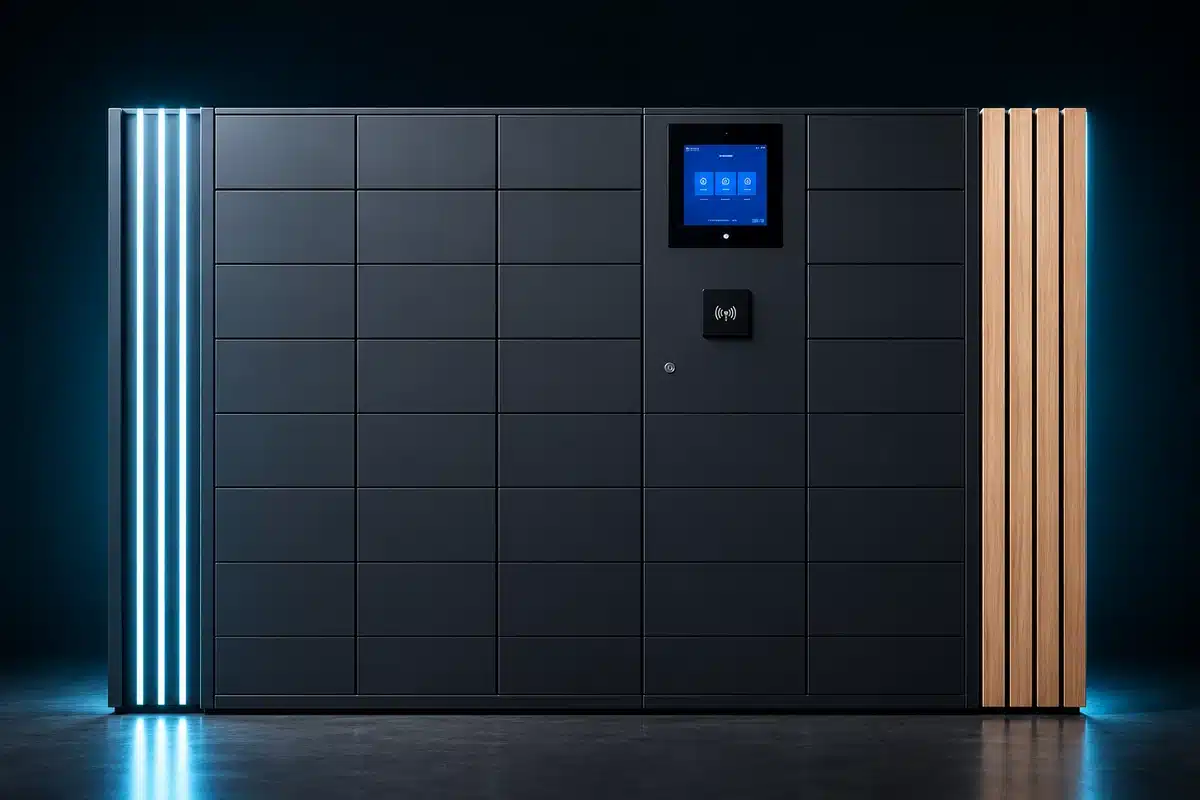
This is the shift from mechanical lockers → to connected, self-service storage systems designed for modern leisure environments.
Coin Lockers vs Smart Lockers — Quick Comparison
Coin Lockers (Traditional)
Coins or keys required
High maintenance & failures
Keys lost or stolen
Manual operation
No usage visibility
Limited pricing control
Poor, inconsistent experience
Smart Lockers (Digital)
PIN, QR, or app access
Low maintenance system
Fully keyless access
Fully automated
Real-time tracking & analytics
Flexible pricing models
Fast, seamless user experience
Coin Lockers vs Smart Lockers— Full Comparison
Category
Access Method
User Experience
Transaction Speed
Peak-Time Performance
Staff Involvement
Key Management
Payment Method
Pricing Flexibility
Revenue Tracking
Revenue Leakage
Monetisation Potential
Maintenance Requirements
Common Failures
Repair Frequency
Operational Downtime
Lifecycle Cost
Scalability
Multi-Site Management
Usage Visibility
Audit Trail
Security Level
Misuse Risk
Overstay Control
Integration Capability
Flexibility of Use Cases
Deployment Types
Space Efficiency
User Support Issues
Data & Reporting
Compliance Readiness
Technology Level
Future-Proofing
Coin Lockers (Traditional)
Coins, tokens, or physical keys
Friction (coins, lost keys)
20–40 seconds
Queues and delays
Frequent intervention required
Keys lost, stolen, or duplicated
Coins only / limited options
Fixed pricing
None or manual
High (untracked coins)
Limited
High (locks, coins, keys)
Coin jams, broken locks, lost key
Frequent
Common
High (maintenance heavy)
Limited
Not possible
None
None
Basic
High
None
None
Single use (storage only)
Fixed
Moderate
Frequent
None
Low
Legacy
Limited
Smart Lockers (Ditigal Systems)
PIN, QR code, mobile app, RFID
Seamless, instant self-service
5-10 seconds
Continuous flow
Fully self-service
No keys required
Digital payments (card, mobile, contactless)
Time-based, peak pricing, dynamic pricing
Real-time renvue reporting
None (fully tracked)
High (ancillary revnue stream)
Low (minimal mechanical parts)
Rare (software-managed systems)
Low
Minimal
Lower total cost of ownership
Hightly scalable
Centralised cloud management
Real-time usage analytics
Full access logs and history
High (controlled access + tracking)
Low (controlled access rules)
Time-limited usage
Integrates with access control, apps, systems
Multi-use (storage, parcel, assets, rentals)
Permanent or temporary
High (configurable layouts)
Minimal
Full analytics dashboard
High (audit + control)
Modern infrastructure
High (software-driven upgrades)
Coin Lockers (Traditional)
Access Method
Coins, tokens, or physical keys
User Experience
Friction (coins, lost keys)
Transaction Speed
20–40 seconds
Peak-Time Performance
Queues and delays
Staff Involvement
Frequent intervention required
Key Management
Keys lost, stolen, or duplicated
Payment Method
Coins only / limited options
Pricing Flexibility
Fixed pricing
Revenue Tracking
None or manual
Revenue Leakage
High (untracked coins)
Monetisation Potential
Limited
Maintenance Requirements
High (locks, coins, keys)
Common Failures
Coin jams, broken locks, lost key
Repair Frequency
Frequent
Operational Downtime
Common
Lifecycle Cost
High (maintenance heavy)
Scalability
Limited
Multi-Site Management
Not possible
Usage Visibility
None
Audit Trail
None
Security Level
Basic
Misuse Risk
High
Overstay Control
None
Integration Capability
None
Flexibility of Use Cases
Single use (storage only)
Deployment Types
Fixed
Space Efficiency
Moderate
User Support Issues
Frequent
Data & Reporting
None
Compliance Readiness
Low
Technology Level
Legacy
Future-Proofing
Limited
Smart Lockers (Ditigal Systems)
Access Method
PIN, QR code, mobile app, RFID
User Experience
Seamless, instant self-service
Transaction Speed
5-10 seconds
Peak-Time Performance
Continuous flow
Staff Involvement
Fully self-service
Key Management
No keys required
Payment Method
Digital payments (card, mobile, contactless)
Pricing Flexibility
Time-based, peak pricing, dynamic pricing
Revenue Tracking
Real-time renvue reporting
Revenue Leakage
None (fully tracked)
Monetisation Potential
High (ancillary revnue stream)
Maintenance Requirements
Low (minimal mechanical parts)
Common Failures
Rare (software-managed systems)
Repair Frequency
Low
Operational Downtime
Minimal
Lifecycle Cost
Lower total cost of ownership
Scalability
Hightly scalable
Multi-Site Management
Centralised cloud management
Usage Visibility
Real-time usage analytics
Audit Trail
Full access logs and history
Security Level
High (controlled access + tracking)
Misuse Risk
Low (controlled access rules)
Overstay Control
Time-limited usage
Integration Capability
Integrates with access control, apps, systems
Flexibility of Use Cases
Multi-use (storage, parcel, assets, rentals)
Deployment Types
Permanent or temporary
Space Efficiency
High (configurable layouts)
User Support Issues
Minimal
Data & Reporting
Full analytics dashboard
Compliance Readiness
High (audit + control)
Technology Level
Modern infrastructure
Future-Proofing
High (software-driven upgrades)
The Core Difference
Coin Lockers = Mechanical System
- Operate using coins, keys, or tokens
- Prone to wear and failure
- Require manual intervention
Smart Lockers = Digital Platform
- Operate via software and digital access
- No physical keys or coins
- Fully automated and configurable
Maintenance & Reliability Comparison
Coin Lockers
- Locks wear out under heavy usage
- Coins jam or mechanisms fail
- Keys are frequently lost or damaged
- Ongoing repair and replacement costs
Smart Lockers
- No mechanical locks or coin systems
- Minimal moving parts
- Reduced maintenance requirements
- Longer operational lifespan
User Experience Comparison
Coin Lockers
- Requires correct coins or tokens
- Users must keep track of keys
- Friction during busy periods
- Frustration when lockers fail
Smart Lockers
- Instant access via PIN, QR, or mobile
- No keys to carry or lose
- Faster access during peak times
- Consistent, reliable experience
Operational Efficiency
Coin Lockers
- Staff handle key issues and failures
- Time lost resolving user problems
- Difficult to manage at scale
Smart Lockers
- Fully self-service
- No staff involvement required
- Centralised management across sites
Revenue & Monetisation
Coin Lockers
- Fixed coin pricing
- No flexibility
- No visibility into usage
- Revenue leakage (coins not tracked)
Smart Lockers
- Flexible pricing (time-based, peak pricing)
- Digital payments
- Full revenue tracking
- Scalable ancillary revenue stream
Data, Visibility & Control
Coin Lockers
- No usage data
- No reporting
- No control over demand
Smart Lockers
- Real-time usage analytics
- Demand tracking
- Performance reporting
- Centralised control
Scalability & Flexibility
Coin Lockers
- Fixed functionality
- Difficult to adapt
- Not suited for modern multi-site operations
Smart Lockers
- Configurable access rules
- Scalable across locations
- Adaptable to different use cases
Security Comparison
Coin Lockers
- Keys can be lost or duplicated
- Limited audit trail
- Risk of misuse
Smart Lockers
- Secure digital access
- Full audit trail
- Controlled usage rules
Cost Comparison (Short vs Long Term)
Coin Lockers
- Lower upfront cost
- High ongoing maintenance
- Staff time required
- No revenue optimisation
Smart Lockers
- Higher upfront investment
- Lower long-term cost
- Reduced maintenance
- Revenue-generating potential
When Coin Lockers Still Make Sense
To stay balanced:
- Very low-usage environments
- Locations without digital infrastructure
- Temporary or legacy installations
When Smart Lockers Are the Better Choice
Smart lockers are ideal for:
High-traffic environments (gyms, venues, leisure centres)
Multi-site operators
Environments requiring low maintenance
Businesses looking to generate revenue
Modern customer experience expectations
Final Verdict
Coin lockers are a legacy solution designed for simple, low-demand environments.
Smart lockers are a modern, scalable system that improves reliability, user experience, and operational performance.