






Trusted by these customers




- IT Administration ↓
- Identity-Based Access 100%
- Audit Visibility ↑
- Multi-Site Management from One Platform
Common IT Workplace Challenges
Why Workplace Infrastructure Becomes an IT Problem
Disconnected Workplace Systems
- Stand-alone locker software
- Separate user databases
- No Single Sign-On
- Manual administration
- Limited governance
Inconsistent Identity Management
- Shared credentials
- Manual provisioning
- Weak authentication
- Local user management
- No role-based permissions
Limited Security & Compliance
- Missing audit logs
- Manual reporting
- Difficult investigations
- Limited visibility
- Compliance gaps
Operational Impact on IT Directors
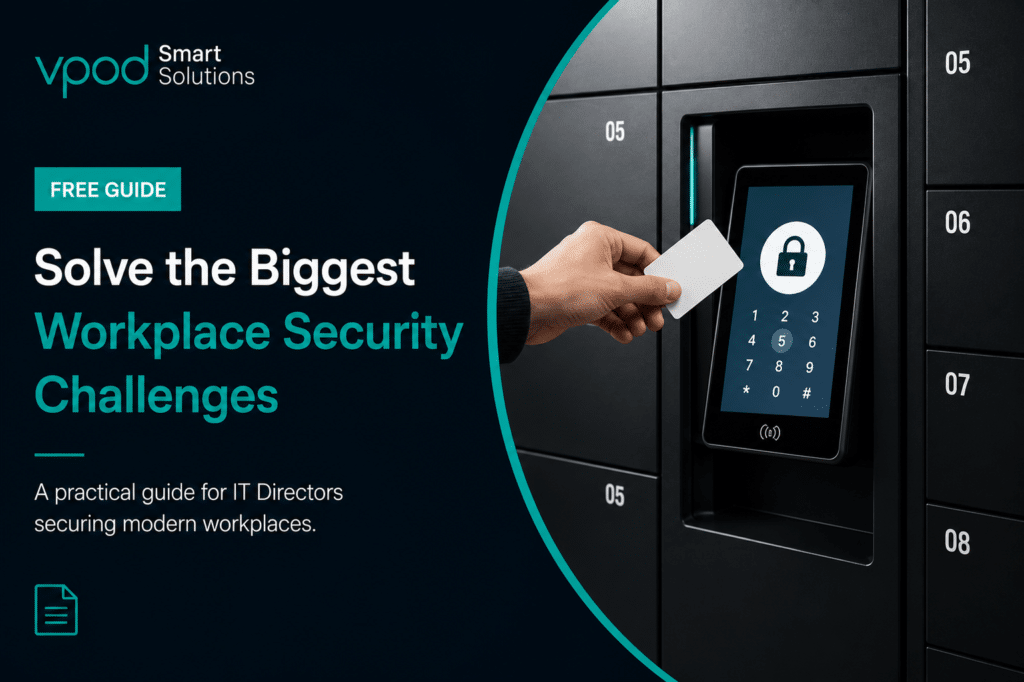
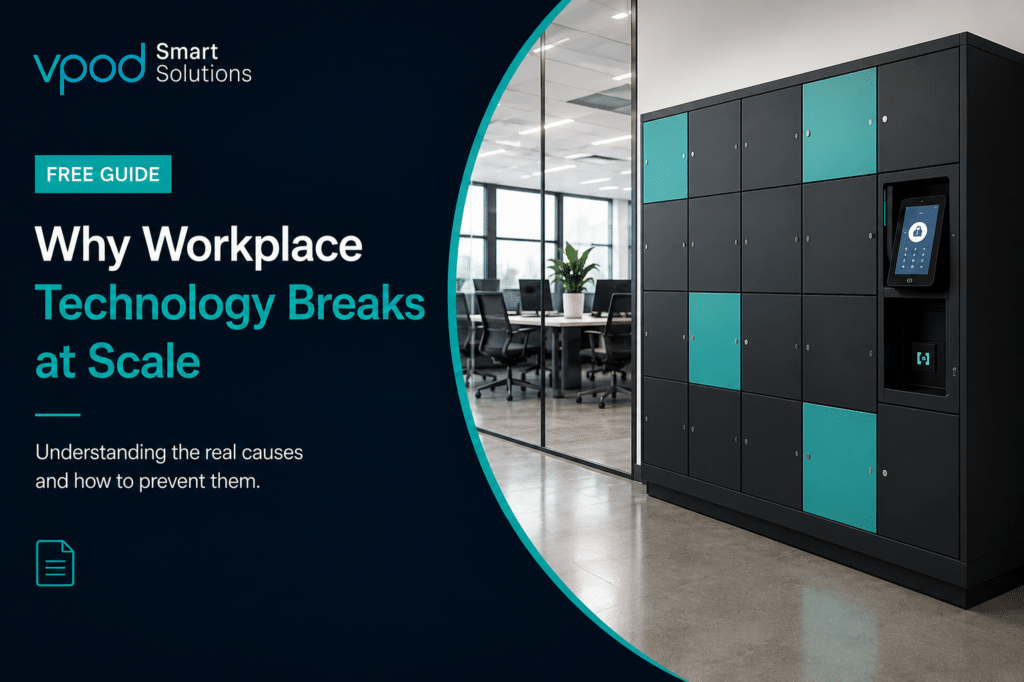
IT Directors are responsible for ensuring workplace technology remains secure, integrated and scalable while supporting hybrid working. Workplace locker systems that operate outside enterprise identity, security and management platforms create unnecessary operational complexity and governance risk.
IT Directors commonly face:
- Fragmented identity management
- Multiple workplace technology vendors
- Manual user provisioning
- Limited audit visibility
- Compliance and governance risks
- Security vulnerabilities
- Infrastructure fragmentation
- Inconsistent access control
- Poor multi-site visibility
- Increased IT administration

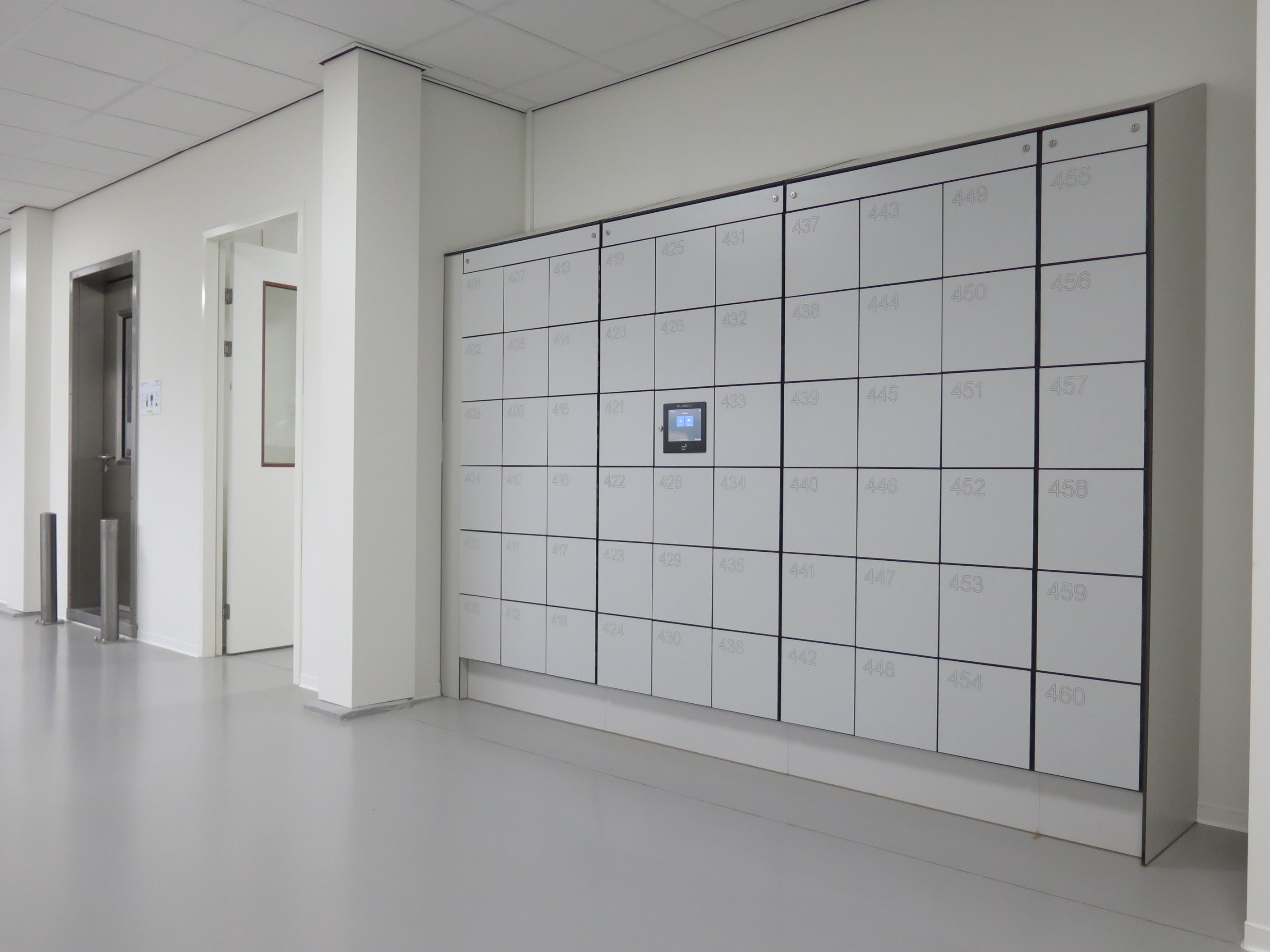

How Workplace Lockers for IT Directors Align with IT Architecture
Access can be linked to identity systems
Usage events are logged and auditable
APIs support integration with workplace platforms
Central management reduces system sprawl
Workplace Lockers as Part of Enterprise IT Strategy
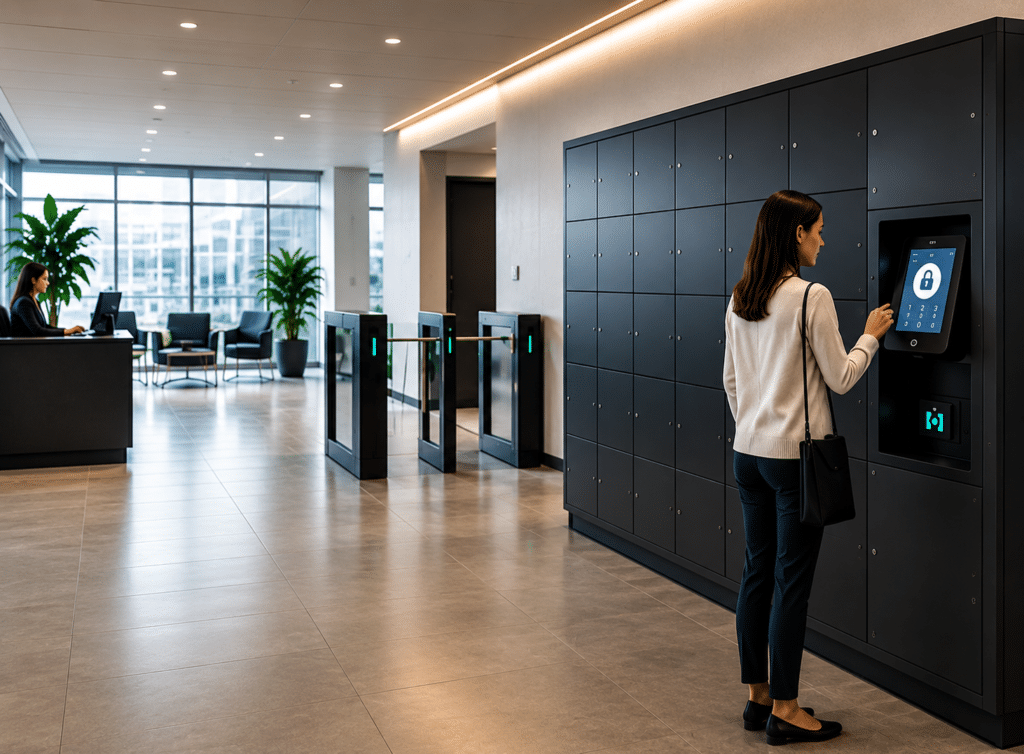
1. Strengthen Identity & Access Management
- Single Sign-On
- Directory integration
- Role-based permissions
- Secure authentication
Operational Impact
- Central user management
- Improved security
- Reduced IT administration
2. Standardise Workplace Technology
- Central configuration
- Consistent deployment
- Cloud management
- Remote administration
Operational Impact
- Lower support effort
- Standardised environments
- Easier rollout
3. Improve Security & Governance
- Digital audit trails
- Encrypted communications
- Access policies
- Secure authentication
Operational Impact
- Better governance
- Reduced security risk
- Improved compliance
4. Improve Workplace Visibility
- Live occupancy
- Usage analytics
- Device health
- Platform monitoring
Operational Impact
- Better planning
- Performance insights
- Proactive management
5. Simplify Hybrid Workplace Management
- Dynamic allocation
- Day lockers
- Permanent lockers
- Self-service booking
Operational Impact
- Reduced administration
- Better utilisation
- Improved employee experience
6. Scale Across Enterprise Estates
- Multi-site deployment
- Cloud platform
- Central policy management
- Global standards
Operational Impact
- Enterprise scalability
- Consistent governance
- Reduced complexity
Traditional Workplace Lockers vs Smart Workplace Lockers
Workplace Lockers for IT Directors in Enterprise Infrastructure
Outcomes IT Directors Care About
Stronger access governance
Reduced security risk
Cleaner system integration
Easier compliance and reporting
Workplace Lockers for IT Directors and Security Compliance
Enterprise Success Stories
ADP — Integrated Workplace Infrastructure
Enterprise-Ready Locker Deployment
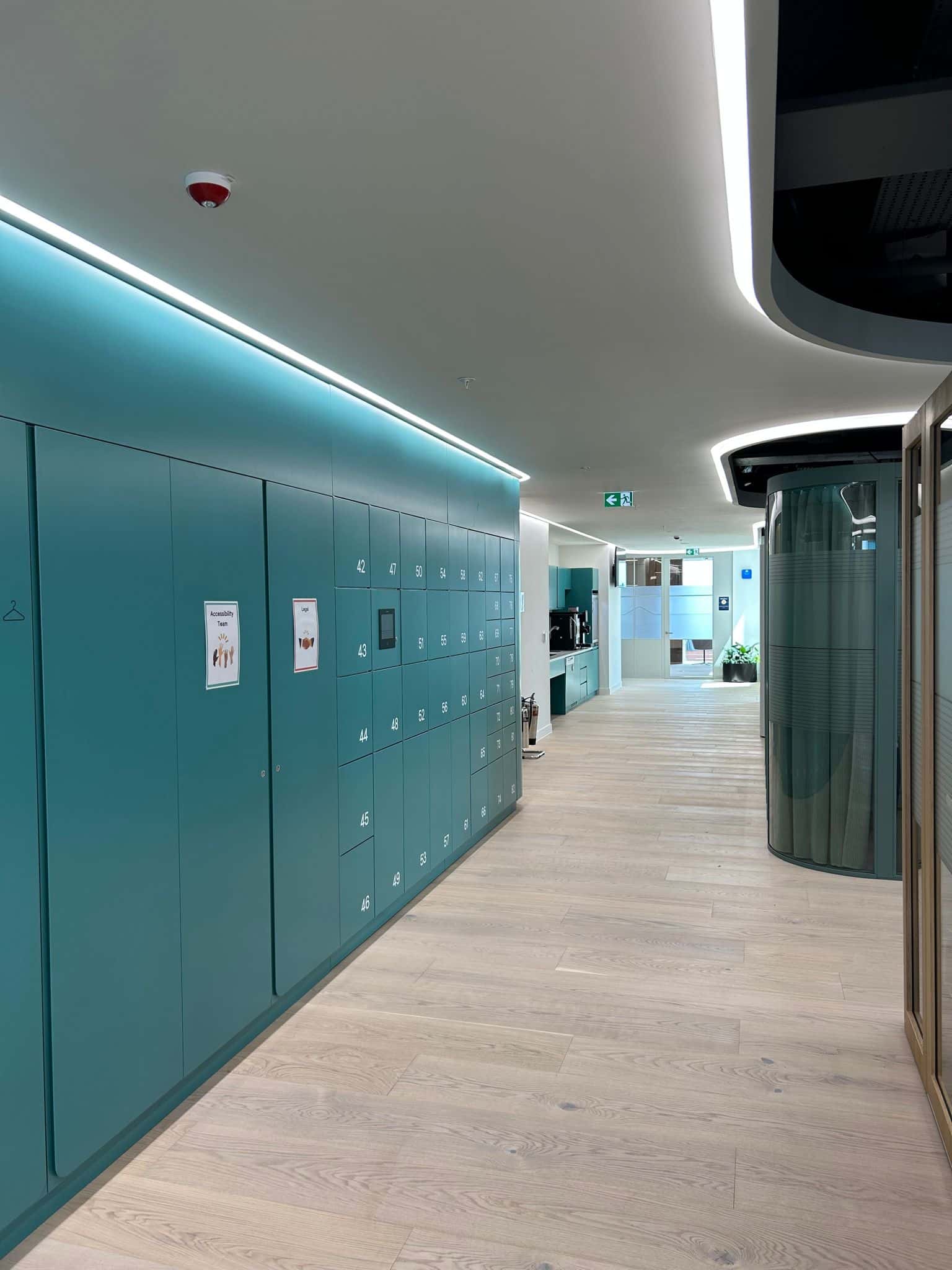
ADP deployed Vflex lockers as part of a connected workplace environment. Access, allocation, and visibility were centrally managed across multiple floors and sites.
For IT leadership, lockers operated as managed infrastructure — not isolated hardware.
Result: Improved governance, visibility, and scalable deployment control.

Mars – Enterprise Workplace Transformation
Scalable Infrastructure Across Four Sites
Mars modernised visitor and contractor management across multiple UK sites using Vgreet and smart lockers. The deployment improved compliance, reduced manual processes, and created scalable infrastructure for expansion.
For IT teams, this meant auditability, structured access control, and central oversight across locations.
Result: Reduced manual risk and future-proofed enterprise deployment.
Built for Enterprise IT
Why Enterprise IT Workplace Teams Choose Vpod
Pain
- Enterprise-ready APIs
- Identity platform integration
- Role-based access control
- Secure cloud platform
- Live monitoring
- Multi-site deployment
- Enterprise implementation & support
For secure device distribution, returns and controlled access, explore
secure IT asset lockers.
See Workplace Lockers Integrated Into Enterprise IT
Explore IT Challenges
-
Integrate lockers with identity systems
-
Ensure secure access control
-
Maintain audit trails
-
Avoid vendor lock-in