


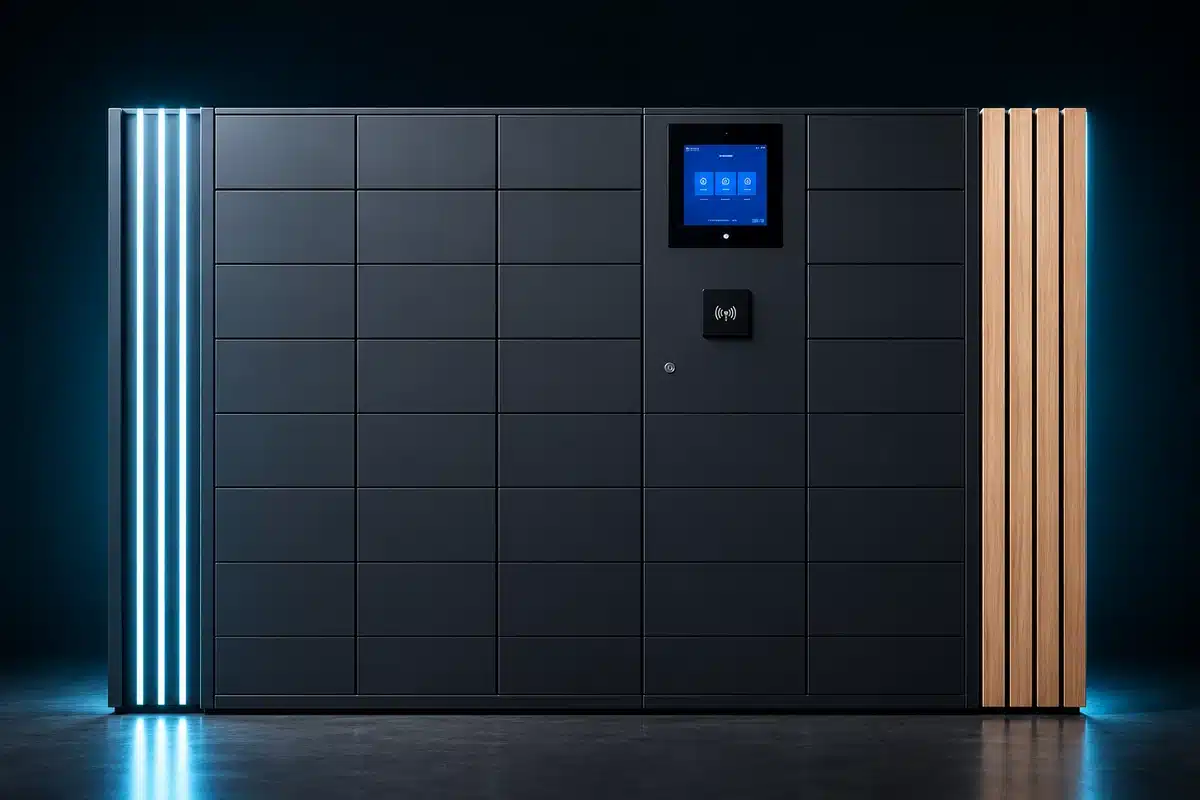





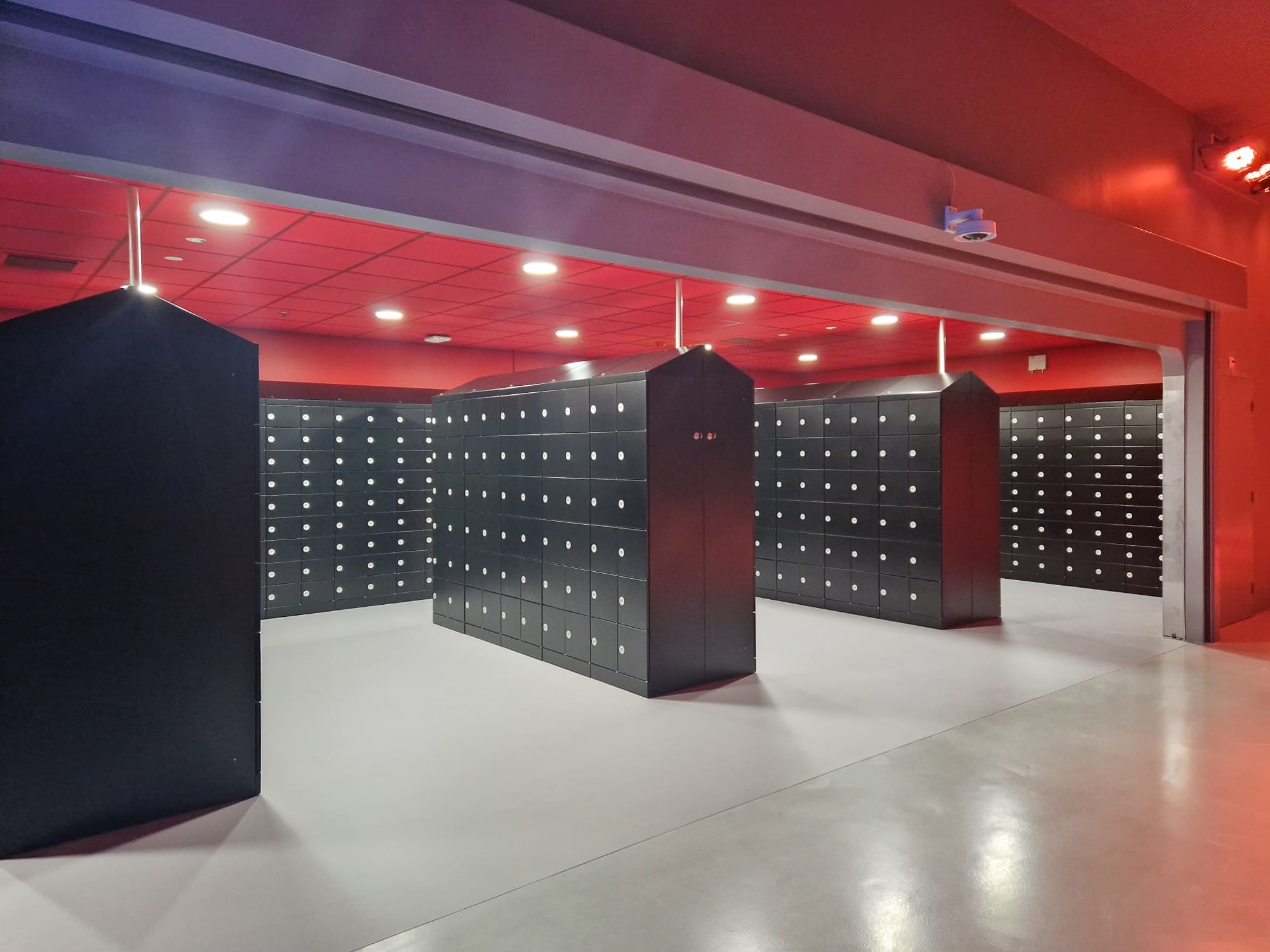
The Economics of Automated Locker Systems | From Cost Centre to Revenue Stream
Free storage may seem simple — but it creates hidden costs that scale with demand.
Staff time, space usage, queue management, and operational risk all add up — without generating any return.
This video breaks down the economics of automated locker deployments, showing how organisations are shifting from:
– absorbing storage costs
– to generating predictable, high-margin revenue
By moving to paid locker systems, storage becomes:
- Self-service instead of staff-dependent
- Scalable instead of constrained
- Revenue-generating instead of cost-heavy
The result is a complete shift in how storage is managed — from operational burden to commercial asset.
Free Storage vs Paid Locker Systems — Quick Comparison
Free Storage (Manual / Shared)
Paid Locker Systems (Self-Service)
Free Storage vs Paid Locker Systems — Full Comparison
Operational Impact
High cost, queues, staff dependency
Controlled, scalable, revenue-generating
Free Storage (Manual)
The Core Difference
Free Storage = Cost-Based Service
Items are handled manually
Staff manage storage and retrieval
No direct revenue generated
Paid Lockers = Revenue-Generating System
Users store items independently
No staff involvement required
Each transaction generates income
Operational Impact & Scalability
Free Storage
- Staff required for every interaction
- Difficult to scale during peak demand
- Unpredictable operational pressure
Paid Lockers
- Self-service removes staff dependency
- Predictable usage patterns
- Easily scalable with additional lockers
Queue Formation & Throughput
Free Storage
- Drop-off queues
- Collection queues
- Bottlenecks at peak times
Paid Lockers
- Parallel usage
- No queue dependency
- Continuous, uninterrupted flow
Cost Comparison (The Hidden Reality)
Free Storage
- Labour cost (staff handling items)
- Space cost (storage rooms)
- Time cost (delays and queues)
- Risk cost (lost or mishandled items)
Paid Lockers
- Lower cost-to-serve
- Automated operation
- Revenue offsets infrastructure cost
Revenue Opportunity
Free Storage
- No direct income
- Pure cost centre
Paid Lockers
- £3–£10 per use typical
- High-margin revenue
- Monetisation of unused space
Example:
200 uses × £5 = £1,000 per day
Security & Risk
Free Storage
- Shared storage areas
- Limited accountability
- Higher risk of loss or disputes
Paid Lockers
- Individual compartments
- Controlled access
- Full audit trail
- Reduced liability
User Experience
Free Storage
- Queue to drop off
- Queue to collect
- Limited access hours
- Reliance on staff
Paid Lockers
- Instant self-service
- 24/7 access
- No waiting
- Full user control
When Free Storage Still Makes Sense
Free storage may work in:
- Low-volume environments
- Premium hospitality (bundled service)
- Small venues with minimal demand
When Paid Locker Systems Are the Better Choice
Paid lockers are essential when:
- High visitor volumes
- Frequent peak demand
- Staff are under pressure
- Storage impacts operations
- Revenue opportunities are being missed
Hybrid Model (Best Practice)
Some operators combine both approaches:
Free storage for small items
Paid lockers for larger or extended use
This balances:
- Guest satisfaction
- Operational efficiency
- Revenue generation