


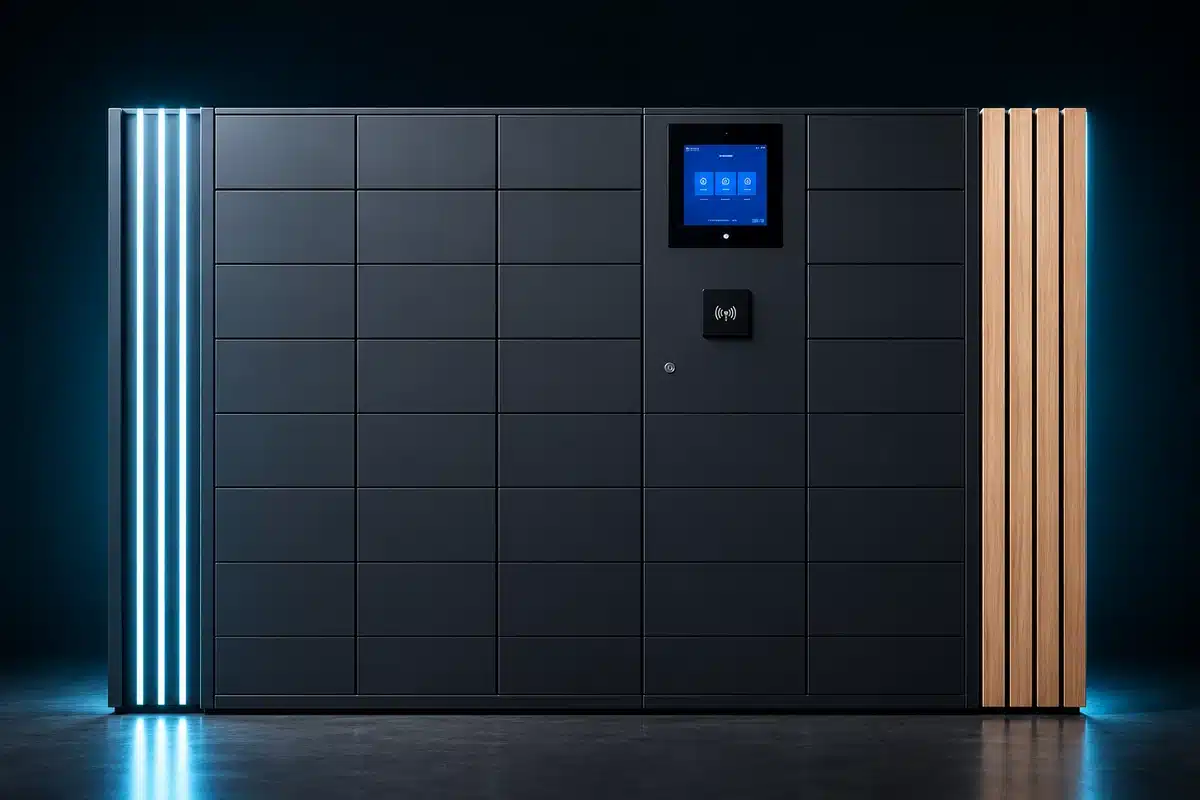





What Is Equipment Loss in the Workplace?
Equipment loss refers to any situation where workplace assets cannot be:
- Located
- Tracked
- Verified
- Recovered
This includes:
- Laptops and IT devices
- Tablets and handheld technology
- Tools and operational equipment
- Shared workplace resources
- Chargers, peripherals, and accessories
The core issue is not always theft.
In many workplaces, equipment becomes lost because organisations lack real-time visibility, controlled access, and reliable asset tracking processes.
As workplaces scale, asset movement increases, accountability decreases, and manual tracking systems struggle to maintain control over shared equipment and workplace assets.
Why Asset Audit Trails Break at Scale (And Why Manual Tracking Fails)
Why Equipment Loss Increases at Scale
1. Asset Movement Increases
In modern workplaces:
- Employees move between locations
- Hybrid working is standard
- Equipment is shared across teams
This creates:
- Constant asset movement
- Reduced ownership clarity
- Increased risk of loss
Organisations can reduce uncontrolled access and improve accountability with
secure asset lockers.
Guide: Why Asset Audit Trails Break at Scale and How to Fix It
2. No Clear Ownership Model
At scale, equipment is often:
- Shared
- Temporarily assigned
- Used across departments
This leads to:
- “Someone else has it” mindset
- Lack of accountability
- Untracked handovers
Why Asset Management Costs Spiral at Scale
3. Manual Tracking Systems Break Down
Many organisations rely on:
- Spreadsheets
- Sign-out sheets
- Email tracking
- Informal processes
At scale, these fail:
- Records are not updated
- Data becomes outdated
- Items go untracked
If tracking is manual, it will be incomplete.
Why Asset Audit Trails Break at Scale (And Why Manual Tracking Fails)
4. No Real-Time Visibility
Without live tracking:
- Equipment location is unknown
- Status is unclear
- Time is lost searching
This results in:
- Delayed operations
- Duplicate purchases
- Increased frustration
5. Storage Is Unstructured
Equipment is often stored in:
- Lockers without tracking
- Drawers or cupboards
- Shared spaces
This leads to:
- Items being misplaced
- Unauthorised access
- No record of usage
6. Volume Multiplies Error
As asset numbers increase:
- Tracking becomes harder
- Errors become more frequent
- Loss becomes normalised
Related Links

The Hidden Impact of Equipment Loss
Financial Loss
Operational Inefficiency
Security Risk
Lack of Asset Utilisation
Why Manual Tracking Systems Fail
Spreadsheets, sign-out sheets, and informal tracking processes become unreliable as workplaces scale.
This leads to:
- outdated records
- missing assets
- untracked handovers
- reduced accountability
Related Links
Why Real-Time Visibility Matters
Without live asset tracking, organisations struggle to locate, verify, and recover workplace equipment efficiently.
This creates:
- operational delays
- duplicate purchases
- wasted budget
- security risk
How Smart Locker Systems Improve Equipment Control
Smart locker systems automate workplace asset storage, tracking, and access management.
Controlled User Access
Only authorised users can access equipment.
Automated Audit Trails
Every asset interaction is recorded automatically.
Real-Time Tracking
Organisations gain full visibility over equipment location and usage.
Secure Self-Service Access
Employees collect equipment independently without manual staff involvement.
Related Links
The Core Problem: No System-Enforced Accountability
Why Workplaces Lose Control of Shared Equipment
Equipment loss happens because there is no controlled system managing who takes what, when assets are accessed, and where equipment is stored.
At scale:
- Processes are skipped
- Ownership becomes unclear
- Asset movement increases
- Tracking becomes unreliable
- Visibility disappears across teams and locations
As workplaces grow, manual asset management systems struggle to maintain accountability and control.
The Scalable Solution: Controlled, Automated Asset Access
To reduce equipment loss and improve asset accountability, workplaces must move from:
- Manual → Automated
- Shared access → Controlled access
- Limited visibility → Real-time tracking
Smart locker systems help organisations secure, track, and manage workplace assets more efficiently at scale.
Related Links
Smart Locker Systems Improve Equipment Control
Smart lockers provide secure, trackable asset storage with automated access management and real-time visibility.
Controlled User Access
Only authorised users can retrieve equipment.
- No anonymous handling
- Improved accountability
- Reduced risk of loss
Automated Audit Trails
Every transaction is recorded automatically.
- Full usage history
- Clear chain of custody
- Improved operational visibility
Real-Time Tracking
Organisations can track equipment location and status instantly.
- Faster asset recovery
- Reduced search time
- Better utilisation visibility
Secure Individual Storage
Each asset is stored separately and securely.
- Reduced shared-access risk
- Better equipment protection
- Improved asset organisation
Self-Service Access
Employees retrieve equipment independently without manual staff involvement.
- Reduced administrative workload
- Faster equipment access
- More efficient workplace operations
Real Operational Impact
With automated equipment management:
- Equipment loss decreases
- Asset visibility improves
- Replacement costs reduce
- Productivity increases
- Security and accountability improve
- Workplace operations scale more efficiently
Why Asset Tracking Problems Break at Scale (And Why Visibility Disappears)
Equipment Loss Reduction Process
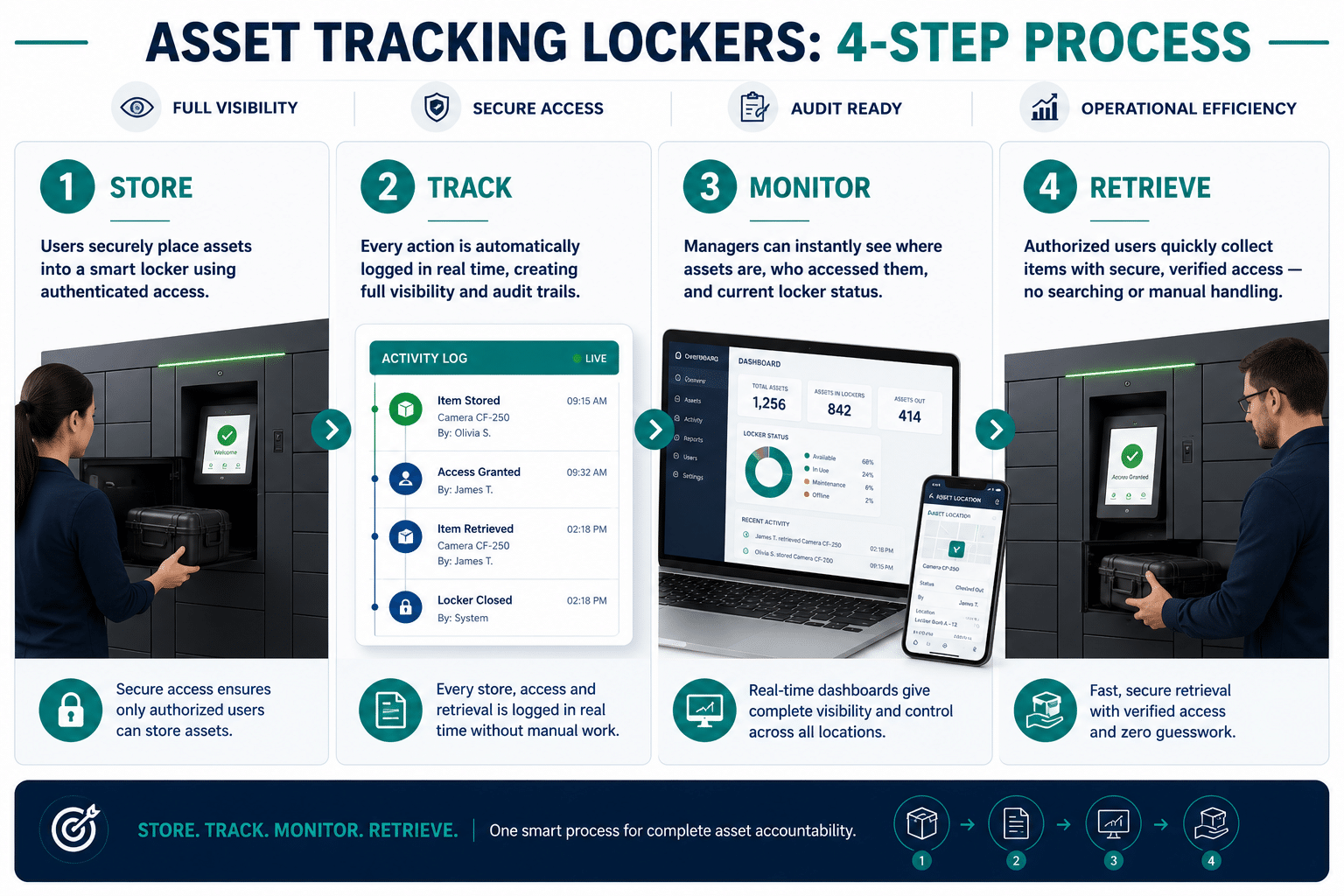
Traditional Equipment Management vs Smart Locker Asset Control





Real-World Workplace Asset Management Results
Skyscanner — Scalable Smart Locker Operations
Equipment Loss & Asset Control Management
Facilities Manager / Workplace Operations Manager
Facilities Manager
Areas of Responsibility
- Workplace equipment management
- Asset storage and access control
- Employee equipment allocation
- Operational efficiency
- Workplace security and accountability
- Shared asset management
Areas of Concern
- Increasing equipment loss
- Lack of asset visibility
- Untracked equipment movement
- Manual tracking inefficiencies
- Security and compliance risks
- Growing operational complexity
Pain Points
- Employees unable to locate equipment
- Manual tracking processes failing
- Lost or misplaced workplace assets
- Time wasted searching for devices and tools
- Poor accountability across teams
- Increasing replacement costs