






What Are Missed Deliveries in Offices?
Missed deliveries occur when a courier cannot successfully complete a delivery due to:
- No recipient available
- No authorised acceptance point
- Restricted access to the building
- Timing mismatches
This is common in:
- Offices and workplaces
- Multi-tenant buildings
- Hybrid work environments
- Corporate campuses
Why Missed Deliveries Increase at Scale
1. Recipients Are Often Not Present
In modern workplaces:
- Employees work hybrid schedules
- Desks are unassigned
- Staff are in meetings or off-site
This means:
The intended recipient is rarely available at the time of delivery.
2. Delivery Timing Does Not Match Occupancy
Couriers deliver based on:
- Route efficiency
- Time windows
- Logistics schedules
Not on:
- Employee availability
- Office occupancy patterns
This mismatch creates:
- Failed delivery attempts
- Re-delivery cycles
3. Reception Cannot Absorb Volume
Most offices rely on:
- Reception desks
- Facilities teams
To accept deliveries.
At scale:
- Volume exceeds capacity
- Staff are unavailable
- Deliveries are refused
Compare smart lockers vs mobile storage
2. Delivery Timing Does Not Match Occupancy
Couriers deliver based on:
- Route efficiency
- Time windows
- Logistics schedules
Not on:
- Employee availability
- Office occupancy patterns
This mismatch creates:
- Failed delivery attempts
- Re-delivery cycles
3. Reception Cannot Absorb Volume
Most offices rely on:
- Reception desks
- Facilities teams
To accept deliveries.
At scale:
- Volume exceeds capacity
- Staff are unavailable
- Deliveries are refused
Compare delivery lockers vs failed deliveries

The Hidden Impact of Missed Deliveries
Delivery Costs Increase
Operational Efficiency Reduces
Employee Experience Suffers
Workplace Productivity Declines
Manual Collection Inefficiency: The Key Issues
The Core Problem: Delivery Processes Depend on Availability
Missed deliveries rarely happen because of a single failed attempt.
They occur when delivery schedules, employee availability, and office processes fail to align, creating delays and unsuccessful delivery outcomes.
1. Recipient Availability Becomes Unpredictable
Hybrid working, meetings, and flexible schedules mean recipients are often unavailable when deliveries arrive.
Impact: Increased failed delivery attempts and re-delivery requirements.
2. Delivery Volumes Create Pressure
As parcel volumes increase, reception teams and mailrooms struggle to process deliveries efficiently.
Impact: Delivery congestion, delayed acceptance, and reduced operational efficiency.
3. Reception Becomes the Bottleneck
Many offices rely on reception teams to manage incoming deliveries. During busy periods, capacity becomes limited and delivery handling slows down.
Impact: Missed deliveries, increased staff workload, and operational disruption.
→ Compare staff cost vs locker automation ROI
Why Traditional Delivery Processes Fail
Recipient Availability Creates Delivery Failures
Many offices still rely on employees or reception teams being available to accept deliveries. With hybrid working and flexible schedules, this becomes increasingly unreliable.
Common issues include:
- Failed delivery attempts
- Re-delivery requirements
- Delayed parcel acceptance
- Reduced delivery success rates
Delivery Timing Creates Delays
Couriers operate to logistics schedules, not employee availability. As a result, deliveries often arrive when recipients are unavailable.
Challenges include:
- Missed deliveries
- Repeated delivery attempts
- Delayed parcel access
- Reduced workplace productivity
Compare reception parcel handling vs lockers
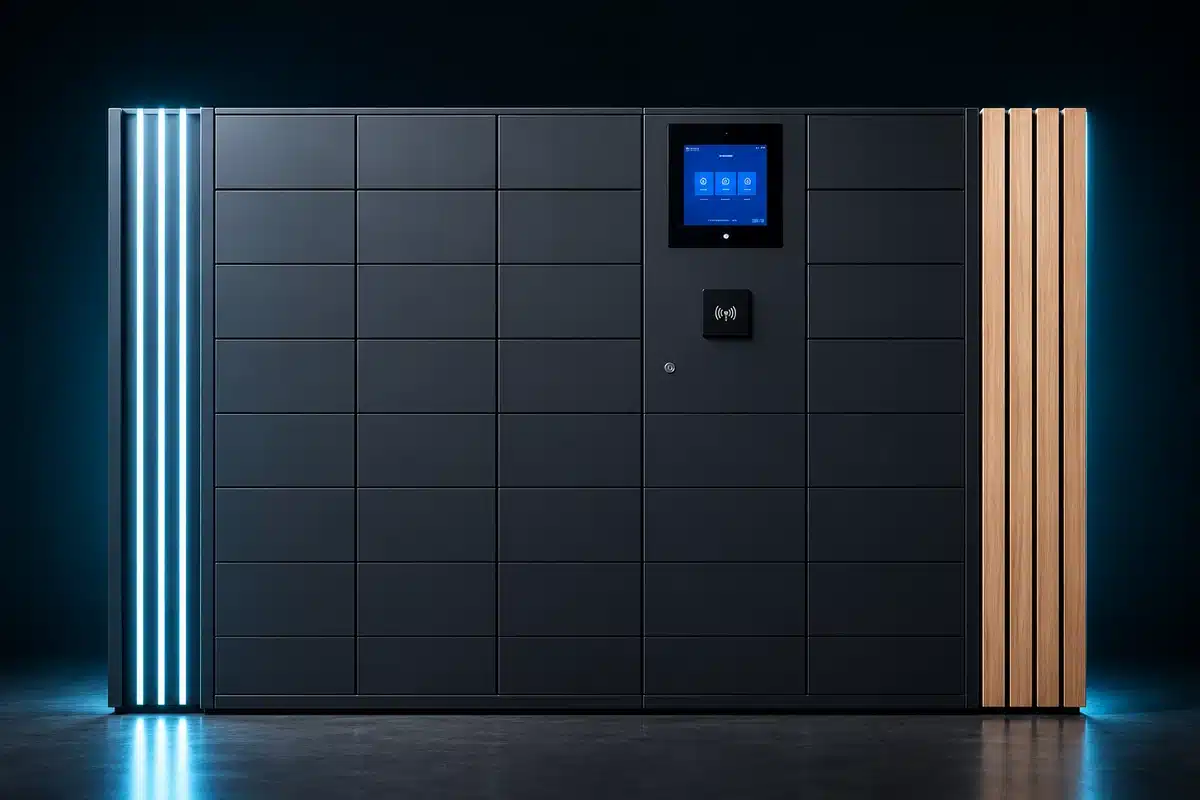
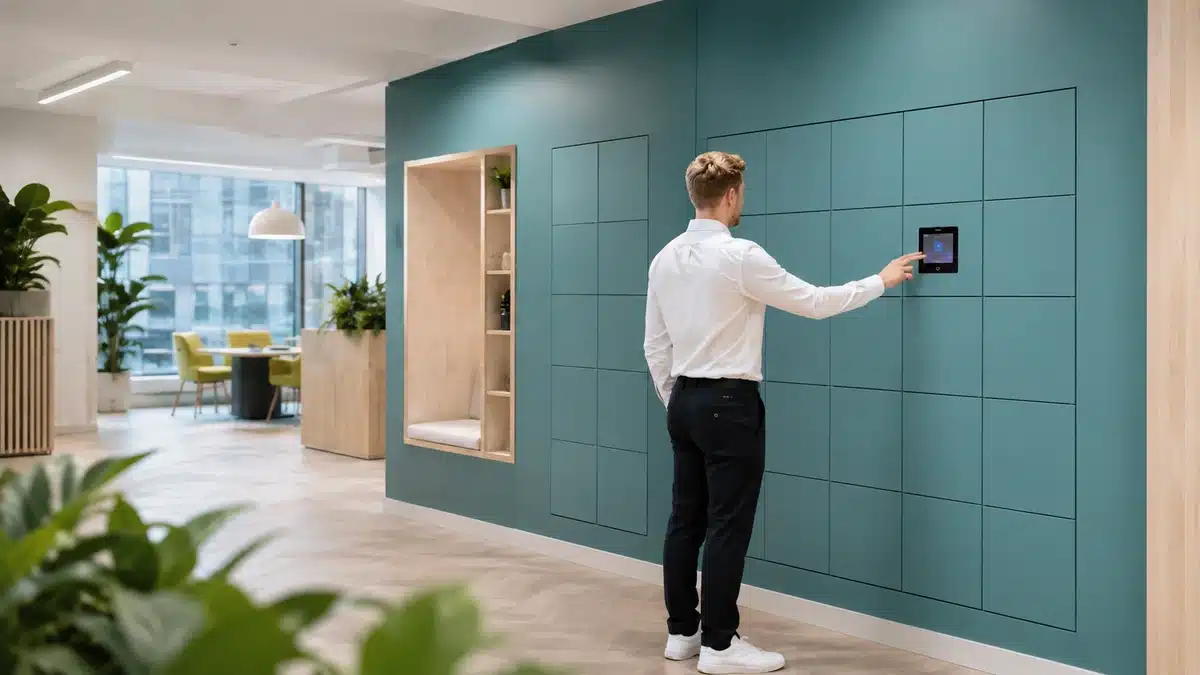
A smart locker platform for secure deliveries provides a controlled location for parcels, helping reduce missed deliveries and enabling convenient self-service collection.
Reception Teams Become Overloaded
As parcel volumes increase, reception desks and facilities teams struggle to absorb growing delivery demand.
This results in:
- Delivery congestion
- Increased staff workload
- Processing bottlenecks
- Reduced operational efficiency
How Smart Lockers Eliminate Missed Deliveries
Smart parcel lockers provide a secure, always-available delivery solution for modern workplaces.
Benefits include:
- Direct courier-to-locker delivery
- 24/7 parcel collection
- Reduced reliance on reception teams
- Real-time delivery notifications
- Secure employee access
- Improved delivery success rates
By replacing manual delivery acceptance processes with smart lockers, organisations can reduce missed deliveries, improve workplace efficiency, and create a more scalable parcel management operation.
→ Compare manual parcel handling vs smart parcel lockers
→ Automate handover with lockers
→ Compare staff cost vs locker automation ROI
Automated Parcel Delivery Process
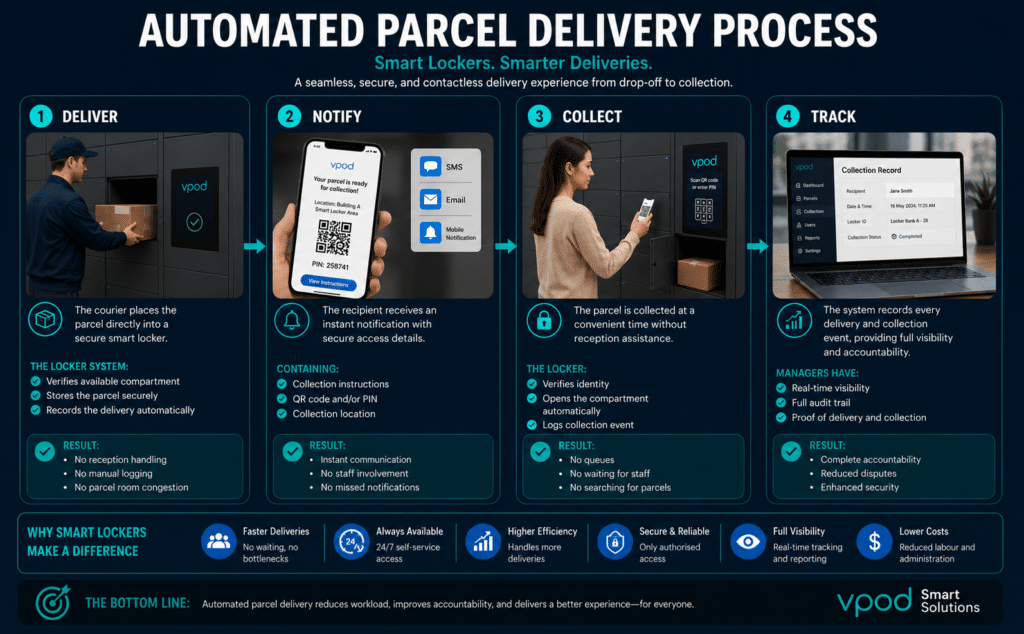
Traditional Office Delivery Processes vs Smart Parcel Locker Systems





Case Study: Global Enterprise & VPOD
How Smart Lockers Eliminated Missed Delivery Challenges
Mars required a more consistent approach to managing workplace assets, equipment, and employee access across multiple office locations. Varying processes between sites created administrative complexity, limited visibility, and made it difficult to scale workplace operations efficiently.
To address these challenges, Mars implemented VPOD workplace locker solutions and asset lockers across its workplace estate. The deployment standardised storage, access control, and equipment management, creating a more consistent experience for employees while reducing the burden on workplace and IT teams.
Results Included:
- Reduced manual administration across multiple locations
- Improved operational consistency and governance
- Enhanced visibility and control of workplace assets
- Streamlined employee access to equipment and resources
- Reduced reliance on manual handovers and local processes
- Created scalable workplace infrastructure for future growth
Who Is Affected by Missed Deliveries?
Facilities & Workplace Managers& Reception / Workplace Experience Teams
Facilities & Workplace Managers
Key Challenges
- Managing growing parcel volumes
- Reducing failed delivery attempts
- Maintaining efficient workplace operations
- Controlling delivery-related costs
- Supporting hybrid working environments
Operational Pain Points
- Re-delivery administration
- Delivery congestion at reception
- Increased pressure on facilities teams
- Lost productivity managing delivery issues
- Limited visibility across incoming parcels