

Manual Parcel Handling vs Smart Parcel Lockers | Why Automation Wins at Scale

Compare manual parcel handling vs smart parcel lockers to understand how automation improves efficiency, reduces workload, and eliminates delivery friction.

Parcel volumes have grown rapidly.

But many organisations still rely on manual processes:

  • reception handling
  • mailrooms
  • parcel rooms

A common setup also seen in parcel room vs parcel lockers

These systems work at low volume.

But at scale:

  • They break

Especially when compared to delivery lockers vs failed deliveries


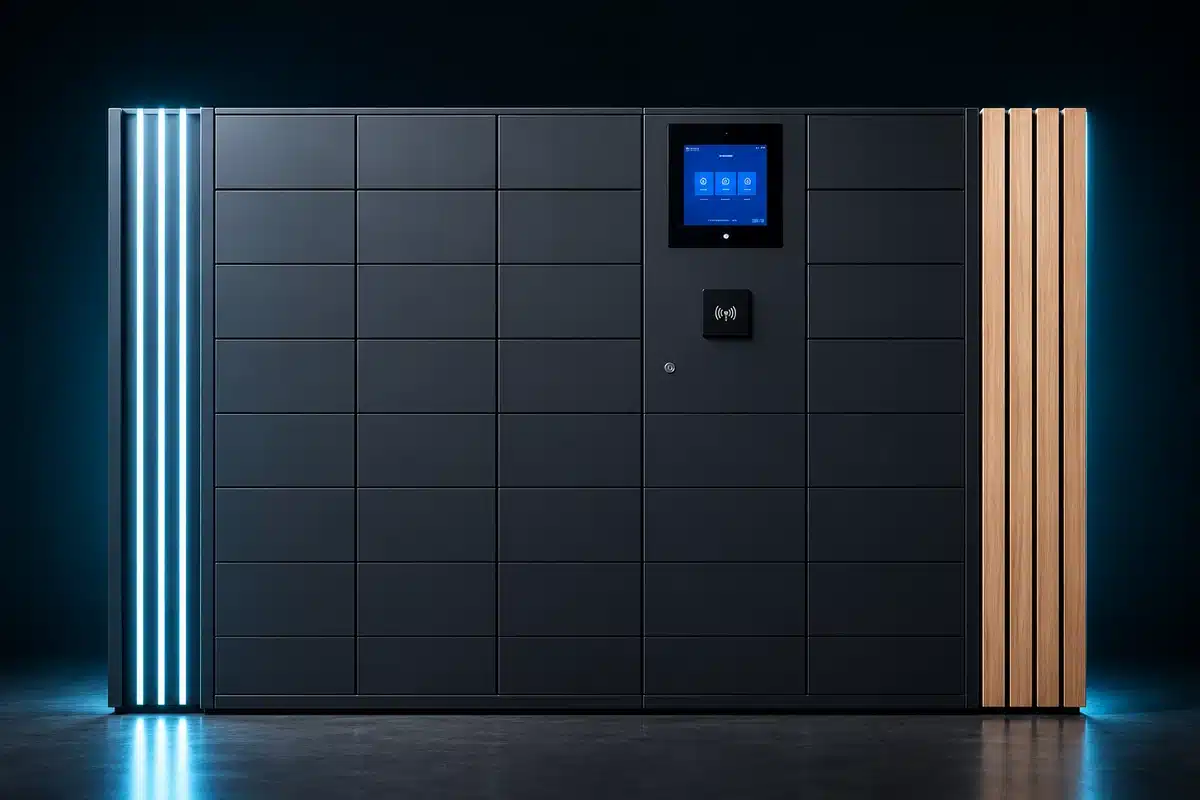
Smart parcel lockers replace manual handling with a structured, automated system.

From Manual Handling to Smart Parcel Lockers: Eliminate Delivery Chaos

See how smart parcel lockers replace manual parcel handling with a structured, automated system designed for scale.

This video shows how organisations move from reception desks, mailrooms, and parcel rooms — where deliveries rely on staff, coordination, and manual processes — to a self-service locker system that removes bottlenecks, reduces workload, and improves delivery speed.

From instant drop-off to automated notifications and independent collection, smart lockers eliminate inefficiencies and create a predictable, scalable delivery operation across workplaces, residential buildings, and multi-tenant environments.

See comparison: reception parcel handling vs lockers

Quick Comparison: Manual Handling vs Smart Parcel Lockers

Manual Parcel Handling
Staff-managed processes with multiple manual steps
Slow processing with delays at peak times
High staff involvement and constant interruptions
Manual, inconsistent tracking with limited visibility
Variable security with shared access and risk
Poor scalability as volume increases
High error rate with lost or misplaced parcels
Smart Parcel Lockers
Fully automated, self-service delivery and collection
Fast, instant drop-off and collection
Minimal staff involvement with automated workflows
Full digital tracking with real-time visibility
Controlled, auditable access with secure compartments
High scalability without additional staffing
Low error rate with structured storage and tracking

Manual Parcel Handling vs Smart Parcel Lockers (Full Comparison)

Category
Core Model
Process
Dependency
Delivery Success Rate
Speed (Handling)
Speed (Collection)
Queue Risk
Throughput Capacity
Staffing Requirement
Operational Complexity
Scalability
Peak Demand Handling
Organisation of Parcels
Space Efficiency
Security Level
Parcel Loss / Misplacement Risk
Audit Trail
Accountability
User Experience
User Independence
Availability
Courier Efficiency
Failed Deliveries
Cost Model
Cost Predictability
Cost Per Parcel
Revenue Potential
Integration Capability
Consistency Across Sites
Data & Insights
Customer / Resident Satisfaction
Operational Control
Maintenance Requirements
Environmental Impact
Failure Points
Use Case Fit
Manual Parcel Handling (Staff-Managed)
Staff receive, sort, store, and hand over parcels
Multi-step: receive → log → store → notify → retrieve
High — relies on staff and recipient availability
Variable — depends on coordination
Slow — manual sorting and logging
Delayed — queuing or staff assistance required
High — peak-time congestion at collection points
Limited — constrained by staff speed
High — receiving, organising, handing over
High — coordination, tracking, communication
Limited — requires more staff and space
Poor — backlog and disorganisation
Often cluttered or inconsistent
Low — parcels pile up in shared areas
Moderate — shared access, human error risk
High — mis-sorting, human error
Limited — manual logs or none
Weak — unclear responsibility for loss/damage
Frustrating — waiting, searching, delays
Low — reliant on staff availability
Limited — tied to staffing hours
Low — time spent locating staff or space
Common — no access or unclear process
Ongoing labour and operational costs
Variable — depends on volume and staffing
High — labour per transaction
None — cost centre
Limited — manual or basic systems
Low — varies by team and process
None — limited visibility into volume or trends
Low — inconvenience and delays
Limited — difficult to enforce processes
Ongoing manual organisation required
Higher — inefficient delivery attempts
Human error, lost parcels, delays, miscommunication
Low-volume, informal environments
Smart Parcel Lockers (Self-Service / Automated)
Couriers deposit parcels directly into lockers for user collection
Simple: deposit → notify → collect
None — system-driven, 24/7 access
High — consistent first-time delivery
Fast — instant locker allocation
Instant — self-service access
Eliminated — parallel user access
High — multiple users simultaneously
Minimal — oversight only
Low — automated workflows
Highly scalable — add locker capacity
Strong — structured and distributed storage
Structured — one parcel per compartment
High — compact, organised storage
High — controlled, individual access
Low — tracked and assigned storage
Full digital tracking and reporting
Strong — each action logged to user
Seamless — fast, predictable collection
High — fully autonomous
24/7 access
High — quick drop-off into lockers
Reduced — lockers accept deliveries anytime
Lower long-term cost-to-serve
Predictable — infrastructure-based
Low — marginal cost per use
Possible — premium delivery or storage services
Integrates with courier APIs, apps, notifications
High — standardised system-wide
Full analytics on usage, demand, peak times
High — convenience and reliability
High — rules and access digitally controlled
Low — system maintenance only
Lower — fewer failed deliveries and trips
Minimal — system-driven reliability
High-volume, structured delivery environments
Manual Parcel Handling (Staff-Managed)
Core Model
Staff receive, sort, store, and hand over parcels
Process
Multi-step: receive → log → store → notify → retrieve
Dependency
High — relies on staff and recipient availability
Delivery Success Rate
Variable — depends on coordination
Speed (Handling)
Slow — manual sorting and logging
Speed (Collection)
Delayed — queuing or staff assistance required
Queue Risk
High — peak-time congestion at collection points
Throughput Capacity
Limited — constrained by staff speed
Staffing Requirement
High — receiving, organising, handing over
Operational Complexity
High — coordination, tracking, communication
Scalability
Limited — requires more staff and space
Peak Demand Handling
Poor — backlog and disorganisation
Organisation of Parcels
Often cluttered or inconsistent
Space Efficiency
Low — parcels pile up in shared areas
Security Level
Moderate — shared access, human error risk
Parcel Loss / Misplacement Risk
High — mis-sorting, human error
Audit Trail
Limited — manual logs or none
Accountability
Weak — unclear responsibility for loss/damage
User Experience
Frustrating — waiting, searching, delays
User Independence
Low — reliant on staff availability
Availability
Limited — tied to staffing hours
Courier Efficiency
Low — time spent locating staff or space
Failed Deliveries
Common — no access or unclear process
Cost Model
Ongoing labour and operational costs
Cost Predictability
Variable — depends on volume and staffing
Cost Per Parcel
High — labour per transaction
Revenue Potential
None — cost centre
Integration Capability
Limited — manual or basic systems
Consistency Across Sites
Low — varies by team and process
Data & Insights
None — limited visibility into volume or trends
Customer / Resident Satisfaction
Low — inconvenience and delays
Operational Control
Limited — difficult to enforce processes
Maintenance Requirements
Ongoing manual organisation required
Environmental Impact
Higher — inefficient delivery attempts
Failure Points
Human error, lost parcels, delays, miscommunication
Use Case Fit
Low-volume, informal environments
Smart Parcel Lockers (Self-Service / Automated)
Core Model
Couriers deposit parcels directly into lockers for user collection
Process
Simple: deposit → notify → collect
Dependency
None — system-driven, 24/7 access
Delivery Success Rate
High — consistent first-time delivery
Speed (Handling)
Fast — instant locker allocation
Speed (Collection)
Instant — self-service access
Queue Risk
Eliminated — parallel user access
Throughput Capacity
High — multiple users simultaneously
Staffing Requirement
Minimal — oversight only
Operational Complexity
Low — automated workflows
Scalability
Highly scalable — add locker capacity
Peak Demand Handling
Strong — structured and distributed storage
Organisation of Parcels
Structured — one parcel per compartment
Space Efficiency
High — compact, organised storage
Security Level
High — controlled, individual access
Parcel Loss / Misplacement Risk
Low — tracked and assigned storage
Audit Trail
Full digital tracking and reporting
Accountability
Strong — each action logged to user
User Experience
Seamless — fast, predictable collection
User Independence
High — fully autonomous
Availability
24/7 access
Courier Efficiency
High — quick drop-off into lockers
Failed Deliveries
Reduced — lockers accept deliveries anytime
Cost Model
Lower long-term cost-to-serve
Cost Predictability
Predictable — infrastructure-based
Cost Per Parcel
Low — marginal cost per use
Revenue Potential
Possible — premium delivery or storage services
Integration Capability
Integrates with courier APIs, apps, notifications
Consistency Across Sites
High — standardised system-wide
Data & Insights
Full analytics on usage, demand, peak times
Customer / Resident Satisfaction
High — convenience and reliability
Operational Control
High — rules and access digitally controlled
Maintenance Requirements
Low — system maintenance only
Environmental Impact
Lower — fewer failed deliveries and trips
Failure Points
Minimal — system-driven reliability
Use Case Fit
High-volume, structured delivery environments

What Is Manual Parcel Handling?

Typical Workflow
  1. Courier delivers parcel
  2. Staff receive and store it
  3. Recipient is notified manually
  4. Staff hand over parcel
Common Environments
  • Reception desks
  • Mailrooms
  • Parcel rooms

Often compared in parcel room vs parcel lockers

The Problems with Manual Handling

Staff Dependency & Lack of Visibility
  • Constant interruptions
  • Time-consuming processes
  • Increased workload
  • No real-time tracking – See how this improves with smart parcel lockers
  • Parcels misplaced
  • Difficult to monitor usage
Inefficiency at Scale
  • Processes slow down as volume increases
  • Queues and delays form
  • Errors increase

Also explored in delivery lockers vs failed deliveries

How Smart Parcel Lockers Work

Typical Workflow
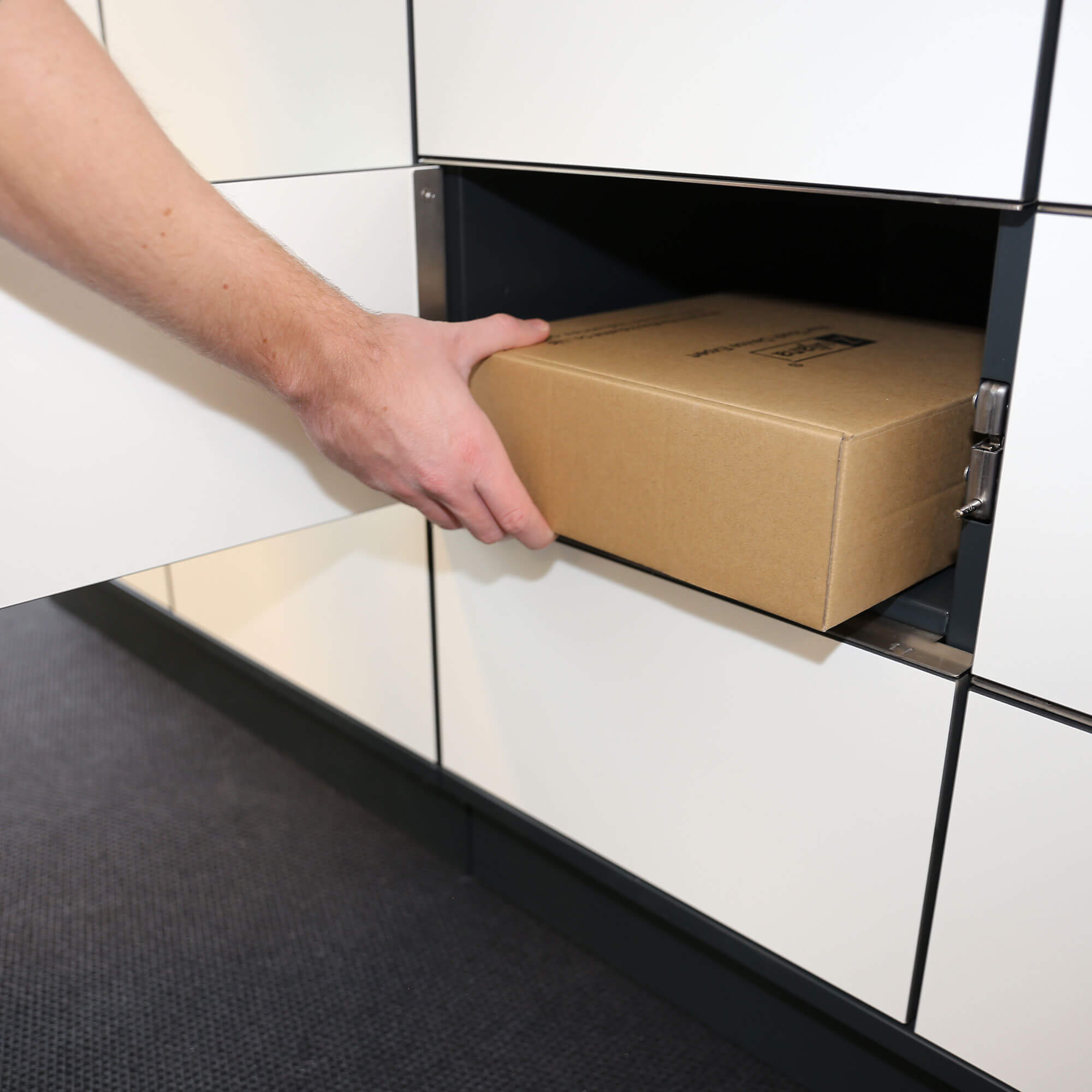
  1. Courier places parcel in locker
  2. System notifies recipient instantly
  3. Recipient collects independently
Key Benefits
  • No staff handling
  • Instant access
  • Automated tracking

Speed & Efficiency

Manual Handling
  • Multiple steps
  • Delays between delivery and collection
  • Staff bottlenecks

Common in staffed storage vs self-service lockers

Smart Lockers
  • Instant drop-off
  • Instant notification
  • Fast collection

Staff Workload

Manual Model
  • Staff receive parcels
  • Answer queries
  • Manage collections

Compare cost impact: staff cost vs locker automation ROI

Locker Model
  • Self-service
  • Automated notifications
  • Minimal involvement

Security & Accountability

Manual Handling
  • Shared access
  • No clear audit trail
  • Disputes over missing items

See improvement with automated storage systems

Smart Lockers
  • Individual access control
  • Full digital logs
  • Clear chain of custody

User Experience

Manual Handling
  • Wait for staff
  • Limited collection times
  • Inconsistent service

Compared with self-service lockers vs staffed storage

Smart Lockers
  • 24/7 access
  • Instant collection
  • Predictable experience

Delivery Efficiency

Manual Handling
  • Couriers wait for staff
  • Delayed handovers
  • Inconsistent process

Related: delivery lockers vs failed deliveries

Smart Lockers
  • Fast, standardised drop-off
  • No waiting
  • Reliable process

Scalability

Manual Systems
  • Require more staff as volume grows
  • Break under pressure
  • Difficult to manage across sites

See how lockers scale in logistics environments

And workplace environments

Smart Lockers
  • Scale without additional staff
  • Consistent across locations
  • Centralised management

Cost Comparison

 Manual Handling

  • Hidden labour costs
  • Inefficiency costs
  • Increasing operational burden

See breakdown: staff cost vs locker automation ROI

Smart Lockers

Real-World Scenario: Busy Office or Residential Building

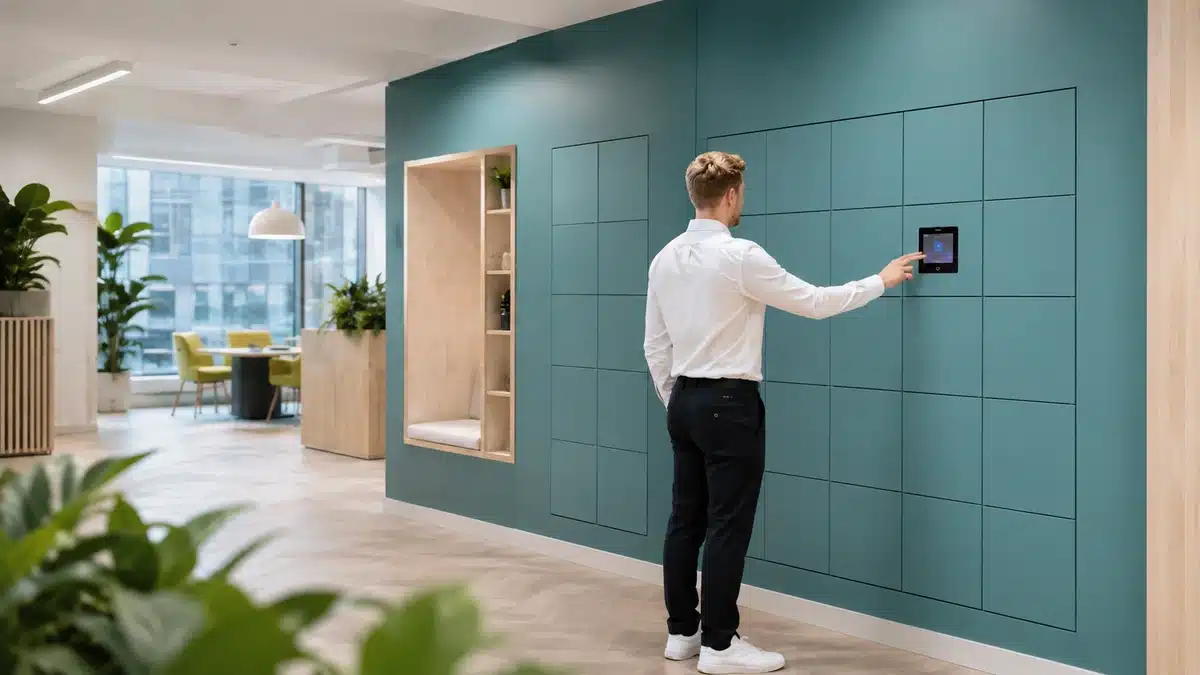
In high-volume environments, the difference between manual parcel handling and smart lockers becomes clear. As delivery demand increases, manual systems struggle, while automated locker systems maintain control and efficiency.
Manual handling leads to staff becoming overwhelmed as parcel volumes increase.
Manual processes result in misplaced parcels and lack of organisation.
Manual systems create delays and increase complaints from users.
Smart lockers enable organised delivery with structured storage and clear allocation.
Smart lockers provide instant access with minimal staff involvement and improved user experience.

When to Use Each Model: Reactive Handling vs Automated Infrastructure

Manual parcel handling and smart lockers serve different operational needs — but the key difference is how they scale and perform under pressure.

Use Manual Handling If:

  • Very low parcel volume
  • Small organisation
  • Limited infrastructure

Manual storage vs lockers

Use Smart Parcel Lockers If:

  • High delivery volume
  • Multi-tenant environments
  • Need to reduce staff workload
  • Want operational control

Parcel locker solutions

The Strategic Difference

Manual parcel handling is reactive — it relies on people, availability, and manual processes to manage deliveries.

Smart parcel lockers are automated infrastructure — designed to optimise delivery flow, remove bottlenecks, and scale efficiently.

This is the difference between managing deliveries and optimising them.

See also: parcel room vs parcel lockers

Final Verdict: Simple Handling vs Scalable Automation

Manual parcel handling is simple but inefficient, while smart parcel lockers provide a scalable, efficient, and controlled system — making automation essential for modern buildings and workplaces.

Replace Manual Processes with Automated Parcel Management

Move from staff-dependent handling to a smart, automated locker system that reduces workload, improves efficiency, and delivers scalable parcel management across buildings and workplaces.