




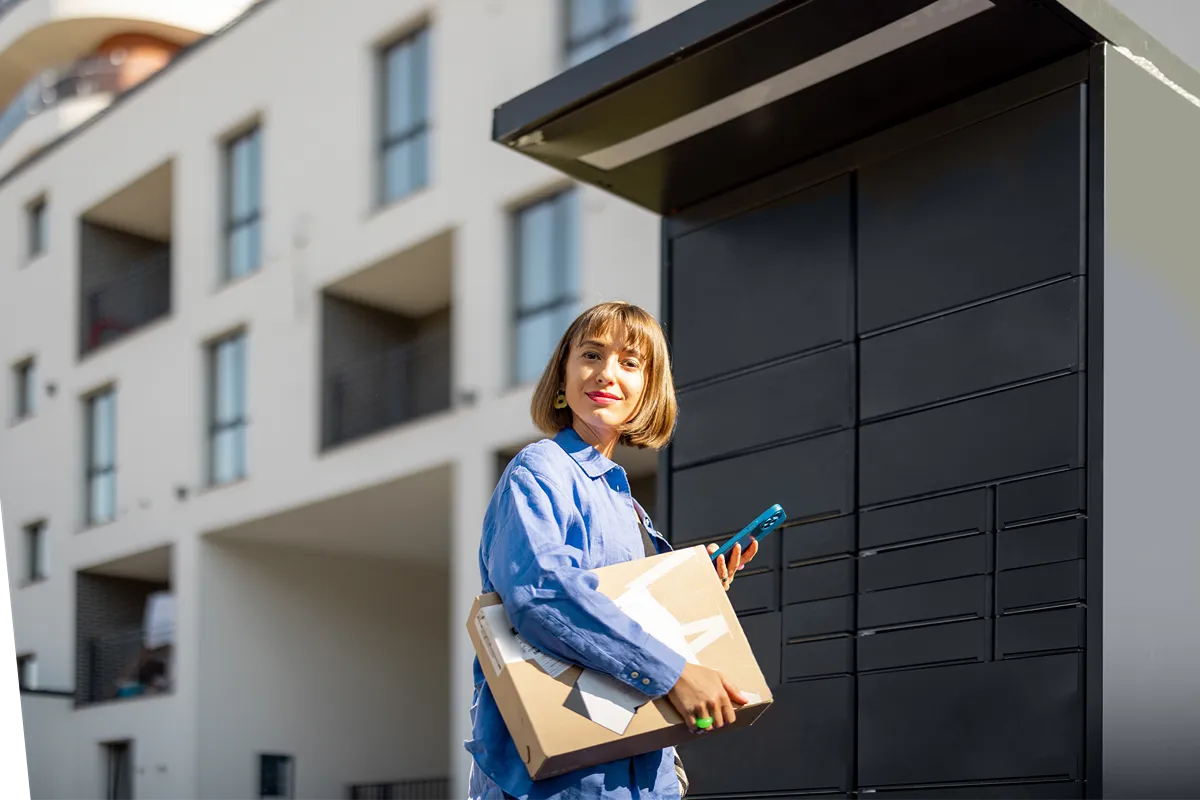
Smart Parcel Lockers for Automated Delivery Management at Scale
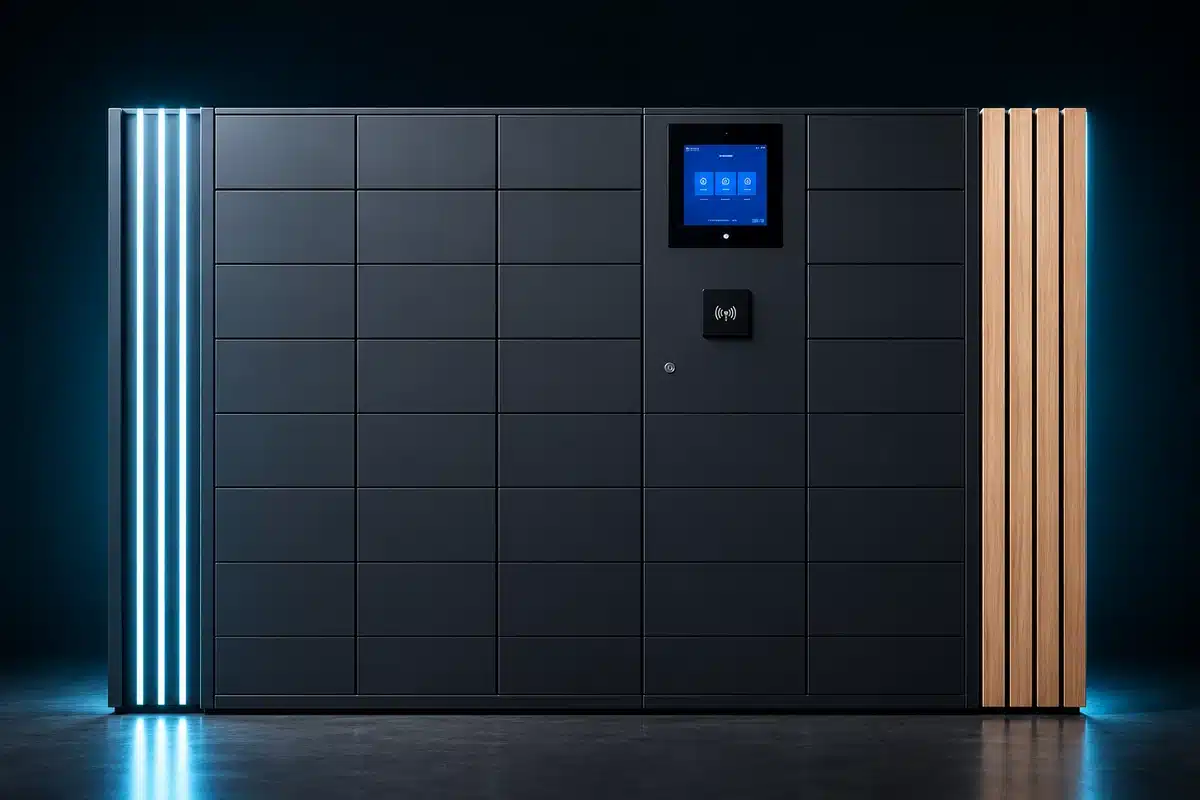
See how smart parcel lockers transform delivery handling from an unstructured parcel room into a controlled, automated system.
Learn how this compares to manual parcel handling vs smart parcel lockers
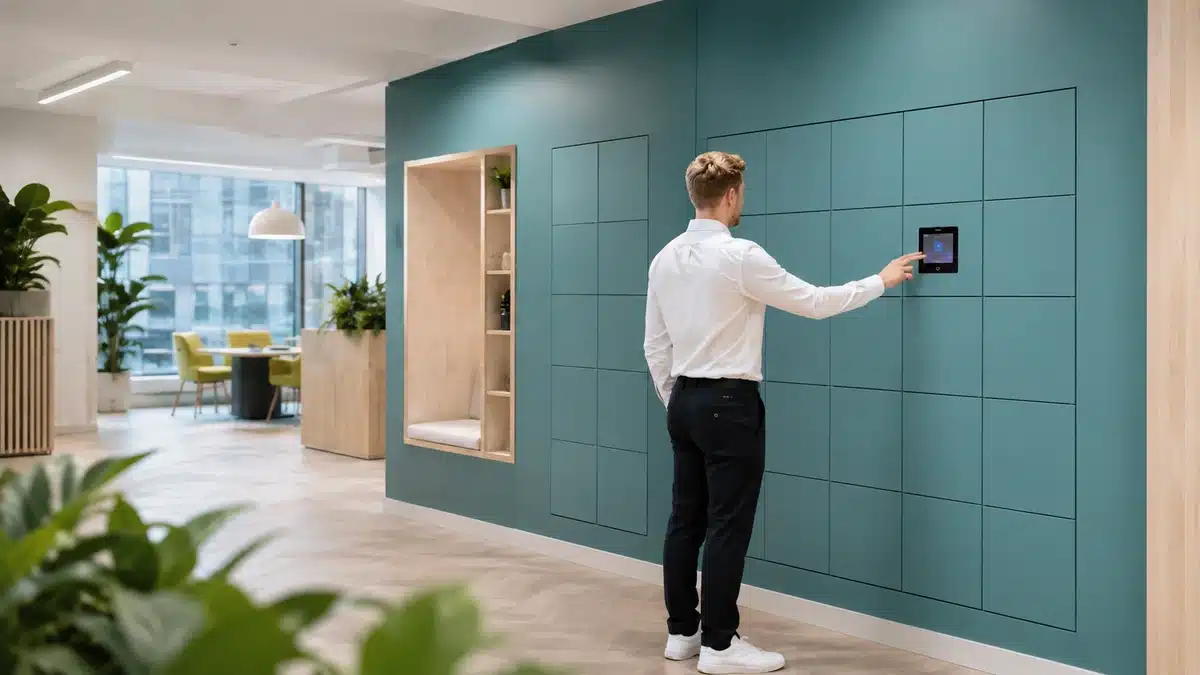
This video shows how deliveries are securely stored, tracked, and collected through a self-service locker network — eliminating manual handling, reducing overflow, and improving operational control across residential buildings, workplaces, and multi-tenant environments.
From courier drop-off to user collection, every step is standardised, auditable, and designed to scale with demand.
Quick Comparison: Parcel Room vs Parcel Lockers
Parcel Room (Manual)
Manual handling and staff-managed processes
Unstructured storage with shared space
Low security with shared access
Limited tracking and no real-time visibility
High staff involvement and interruptions
Poor scalability as volume increases
High risk of overflow, delays, and inconsistency
Parcel Lockers (Smart System)
Automated self-service delivery and collection
Structured compartments with defined allocation
High security with controlled, individual access
Full digital audit trail and tracking
Minimal staff involvement with automation
High scalability across buildings and sites
Controlled capacity with predictable user experience
Parcel Room vs Parcel Lockers (Full Comparison)
Category
Core Model
Process
Collection Method
Speed (Collection)
Queue Risk
Throughput Capacity
Staffing Requirement
Operational Complexity
Scalability
Peak Demand Handling
Security Level
Theft / Loss Risk
Audit Trail
Parcel Accountability
User Experience
User Independence
Availability
Space Efficiency
Organisation
Courier Efficiency
Failed Deliveries
Cost Model
Cost Predictability
Revenue Potential
Integration Capability
Consistency Across Locations
Data & Insights
Maintenance Requirements
Resident / User Satisfaction
Operational Control
Failure Points
Use Case Fit
Parcel Room (Manual / Shared Storage)
Shared room where parcels are stored manually
Staff or couriers place items in a shared space
Manual search or staff-assisted retrieval
Slow — searching, queuing, or waiting
High — peak-time congestion
Limited — depends on space and organisation
Moderate to high — sorting, managing, assisting
High — sorting, organisation, access control
Limited — space fills quickly, becomes chaotic
Poor — overcrowding and delays
Low to moderate — shared access, risk of theft
High — misplacement, unauthorised access
Limited — manual logs or none
Weak — difficult to track responsibility
Frustrating — searching, waiting, uncertainty
Low — may require staff or time constraints
Limited — often tied to staff or access hours
Poor — cluttered, inefficient use of space
Low — parcels pile up, hard to manage
Low — time spent locating space or staff
Common — no recipient or unclear process
Ongoing labour and management cost
Variable — depends on volume and staffing
None
None or minimal
Low — varies by building/team
None — no visibility into parcel volume
Ongoing manual organisation
Low — inconvenience and risk
Limited — hard to enforce rules
Lost parcels, theft, overcrowding
Low-volume, informal environments
Parcel Lockers (Smart / Self-Service)
Individual secure lockers for automated parcel storage
Courier deposits parcel into assigned locker
User receives code → collects instantly
Instant — grab-and-go access
Eliminated — parallel access
High — multiple users simultaneously
Minimal — system-managed
Low — automated workflows
Highly scalable — add locker banks
Strong — distributed access handles volume
High — individual compartments with secure access
Low — controlled access and tracking
Full digital audit trail
Strong — linked to individual users
Seamless — fast, predictable collection
High — fully self-service
24/7 access
High — structured, compact storage
High — organised by compartment
High — quick drop-off into lockers
Reduced — lockers accept deliveries anytime
Lower cost-to-serve after setup
Predictable — infrastructure-based
Possible — premium delivery services
Integrates with courier systems, apps, notifications
High — standardised system
Full analytics and reporting
Low — system maintenance only
High — convenience and reliability
High — rules and access digitally enforced
Minimal — system-managed reliability
High-volume, structured delivery environments
Parcel Room (Manual / Shared Storage)
Core Model
Shared room where parcels are stored manually
Process
Staff or couriers place items in a shared space
Collection Method
Manual search or staff-assisted retrieval
Speed (Collection)
Slow — searching, queuing, or waiting
Queue Risk
High — peak-time congestion
Throughput Capacity
Limited — depends on space and organisation
Staffing Requirement
Moderate to high — sorting, managing, assisting
Operational Complexity
High — sorting, organisation, access control
Scalability
Limited — space fills quickly, becomes chaotic
Peak Demand Handling
Poor — overcrowding and delays
Security Level
Low to moderate — shared access, risk of theft
Theft / Loss Risk
High — misplacement, unauthorised access
Audit Trail
Limited — manual logs or none
Parcel Accountability
Weak — difficult to track responsibility
User Experience
Frustrating — searching, waiting, uncertainty
User Independence
Low — may require staff or time constraints
Availability
Limited — often tied to staff or access hours
Space Efficiency
Poor — cluttered, inefficient use of space
Organisation
Low — parcels pile up, hard to manage
Courier Efficiency
Low — time spent locating space or staff
Failed Deliveries
Common — no recipient or unclear process
Cost Model
Ongoing labour and management cost
Cost Predictability
Variable — depends on volume and staffing
Revenue Potential
None
Integration Capability
None or minimal
Consistency Across Locations
Low — varies by building/team
Data & Insights
None — no visibility into parcel volume
Maintenance Requirements
Ongoing manual organisation
Resident / User Satisfaction
Low — inconvenience and risk
Operational Control
Limited — hard to enforce rules
Failure Points
Lost parcels, theft, overcrowding
Use Case Fit
Low-volume, informal environments
Parcel Lockers (Smart / Self-Service)
Core Model
Individual secure lockers for automated parcel storage
Process
Courier deposits parcel into assigned locker
Collection Method
User receives code → collects instantly
Speed (Collection)
Instant — grab-and-go access
Queue Risk
Eliminated — parallel access
Throughput Capacity
High — multiple users simultaneously
Staffing Requirement
Minimal — system-managed
Operational Complexity
Low — automated workflows
Scalability
Highly scalable — add locker banks
Peak Demand Handling
Strong — distributed access handles volume
Security Level
High — individual compartments with secure access
Theft / Loss Risk
Low — controlled access and tracking
Audit Trail
Full digital audit trail
Parcel Accountability
Strong — linked to individual users
User Experience
Seamless — fast, predictable collection
User Independence
High — fully self-service
Availability
24/7 access
Space Efficiency
High — structured, compact storage
Organisation
High — organised by compartment
Courier Efficiency
High — quick drop-off into lockers
Failed Deliveries
Reduced — lockers accept deliveries anytime
Cost Model
Lower cost-to-serve after setup
Cost Predictability
Predictable — infrastructure-based
Revenue Potential
Possible — premium delivery services
Integration Capability
Integrates with courier systems, apps, notifications
Consistency Across Locations
High — standardised system
Data & Insights
Full analytics and reporting
Maintenance Requirements
Low — system maintenance only
Resident / User Satisfaction
High — convenience and reliability
Operational Control
High — rules and access digitally enforced
Failure Points
Minimal — system-managed reliability
Use Case Fit
High-volume, structured delivery environments
What Is a Parcel Room?
How They Work
- Couriers drop parcels in a room
- Staff or residents locate items manually
- No structured allocation
Common Problems
- Clutter and disorganisation
- Lost or misplaced parcels
- Lack of accountability
- Increasing overflow
What Are Parcel Lockers?
Parcel lockers are secure, self-service storage systems.
How They Work
- Courier places parcel in locker
- System notifies recipient
- Recipient collects via PIN/app
Key Advantage
- Structured, trackable delivery process
Explore parcel locker solutions
The Biggest Issue: Parcel Overflow
Parcel Rooms
- Limited space
- No structure
- Parcels stack up quickly
A common issue in parcel room vs parcel lockers comparisons →
Leads to:
- clutter
- delays
- complaints
Parcel Lockers
- Controlled capacity
- Defined compartments
- Faster turnover
Security & Liability
Parcel Rooms
- Shared access
- No tracking
- Disputes over lost items
Parcel Lockers
- Individual access control
- Audit trail
- Clear chain of custody
Staffing & Operational Load
Parcel Rooms
- Staff manage deliveries
- Handle enquiries
- Locate parcels
Parcel Lockers
- Self-service collection
- Automated notifications
- Minimal staff involvement
Delivery Efficiency
Parcel Rooms
- Couriers search for space
- Manual drop-offs
- Delays at busy times
Parcel Lockers
- Fast, standardised drop-off
- No interaction required
- Predictable process
User Experience
Parcel Rooms
- Difficult to find items
- Inconsistent organisation
- Frustration
Parcel Lockers
- Instant notification
- Easy collection
- Reliable experience
Multi-Site Scalability
Parcel Rooms
- Vary by location
- Inconsistent processes
- Difficult to manage centrally
Parcel Lockers
- Standardised system
- Centralised management
- Scalable across portfolios
Real-World Scenario
Parcel Room
- Overcrowded space
- Parcels misplaced
- Resident complaints
Parcel Lockers
- Organised delivery
- Secure access
- Smooth collection
Cost Comparison
Parcel Rooms
- Hidden costs (staff time, complaints, inefficiency)
- Space inefficiency
- Growing operational burden
See full breakdown: staff cost vs locker automation ROI →
Parcel Lockers
- Structured system
- Reduced operational cost
- Long-term efficiency gains
The Strategic Difference: Unmanaged Space vs Controlled Delivery Systems
Parcel rooms and parcel lockers may appear to solve the same problem — storage — but they operate in fundamentally different ways. One relies on shared space and manual processes, while the other creates a structured, controlled system designed for security, efficiency, and scale.
Unmanaged vs controlled: Parcel rooms rely on open, shared access, while lockers provide controlled, individual access to every delivery.
Storage vs system: Parcel rooms simply store parcels, whereas lockers actively manage delivery, tracking, and collection.
Manual vs automated: Parcel rooms depend on staff and manual organisation, while lockers automate the entire workflow.
Reactive vs predictable: Parcel rooms struggle as volume increases, while lockers are designed to handle demand consistently.
Limited vs scalable: Parcel rooms break under pressure, while locker systems scale across buildings and portfolios.
When to Use Each Option
Use Parcel Rooms If:
- Very low delivery volume
- Small buildings
- Limited budget
Use Parcel Lockers If:
- High delivery volume
- Multi-tenant buildings
- Need to reduce complaints
- Want operational control