


Delivery Lockers vs Failed Deliveries | How to Eliminate Delivery Inefficiency

Compare delivery lockers vs traditional delivery models to understand how failed deliveries impact cost, efficiency, and customer experience — and how to eliminate them.

Failed deliveries are one of the biggest hidden inefficiencies in logistics and building operations.

A core issue also seen in manual parcel handling vs smart parcel lockers

They happen when:

  • Recipients aren’t available
  • Access is restricted
  • Handover fails

Common in reception parcel handling vs lockers

The result:

  • Delays
  • Rework
  • Increased cost

Delivery lockers solve this by removing dependency on availability.


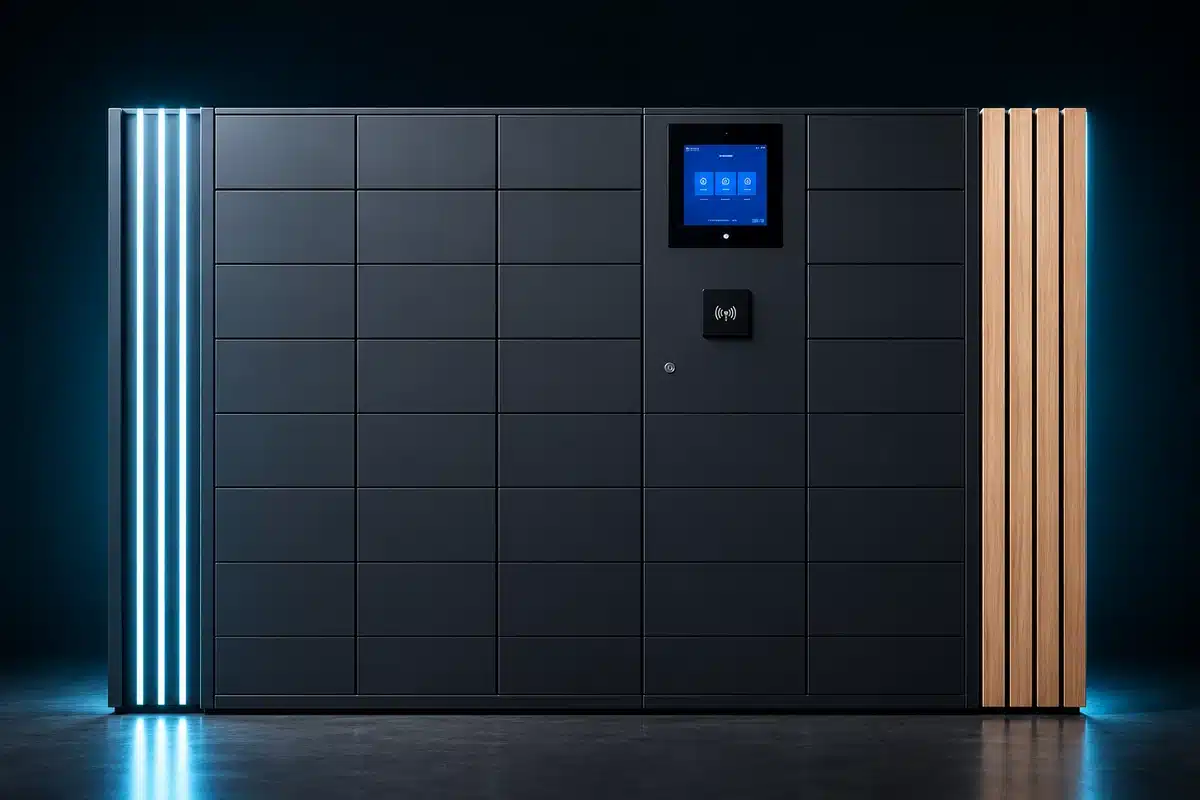
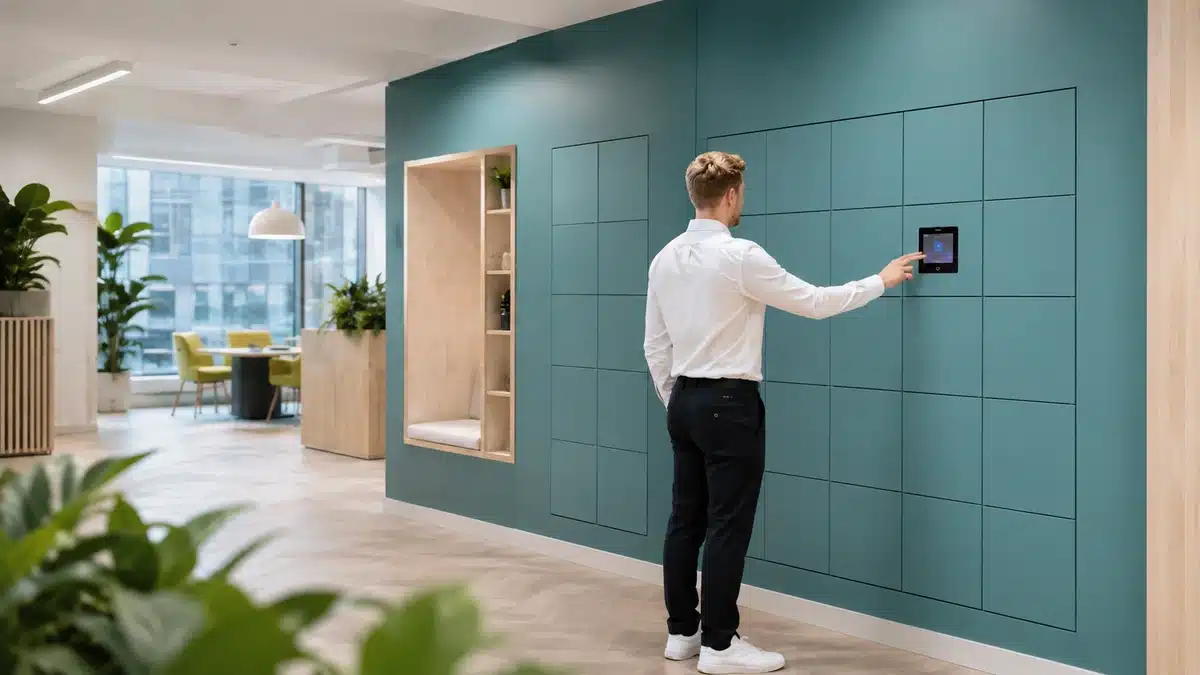
Smart delivery lockers provide an alternative by removing dependency on recipient availability and enabling secure, unattended delivery.

Eliminate Failed Deliveries with Smart Parcel Locker Systems

See how delivery lockers remove the root cause of failed deliveries by eliminating dependency on recipient availability.

This video demonstrates how parcels can be securely delivered on the first attempt using a self-service locker system — reducing repeat visits, cutting delivery costs, and improving operational efficiency across buildings, workplaces, and logistics networks.

From instant drop-off to automated notifications and flexible collection, delivery lockers create a predictable, scalable system that transforms delivery performance and removes failure from the process entirely.

See comparison: parcel room vs parcel lockers

Quick Comparison: Failed Deliveries vs Delivery Lockers

Traditional Delivery (Failed Delivery Model)
Variable delivery success with frequent failures
Dependent on recipient availability
Frequent re-deliveries and repeat visits
Low operational efficiency and inconsistent performance
High driver time due to waiting and repeat attempts
High cost per delivery due to inefficiencies
Limited tracking and weak proof of delivery
Delivery Lockers (Smart System)
Near 100% first-time delivery success
Independent of recipient availability
Re-deliveries eliminated
High efficiency with predictable delivery flow
Reduced driver time with instant drop-off
Lower cost per delivery with reduced rework
Full visibility with automated proof of delivery

Delivery Lockers vs Failed Deliveries (Full Comparison)

Category
Core Model
Delivery Success Rate
Process
Dependency
First-Time Delivery Success
Speed (Delivery Completion)
Courier Waiting Time
Queue / Delay Risk
Throughput (Per Courier)
Operational Efficiency
Cost Per Delivery
Labour Requirement
Route Efficiency
Scalability
Peak Volume Handling
Customer Experience
Customer Dependency
Flexibility (Collection)
Security
Parcel Loss / Theft Risk
Audit Trail
Accountability
Failed Delivery Rate Impact
Environmental Impact
Customer Support Load
Infrastructure Requirement
Integration Capability
Consistency Across Locations
Data & Insights
Revenue Potential
Failure Points
Use Case Fit
Failed Deliveries (Traditional Delivery Model)
Delivery depends on recipient availability
Low to variable — frequent failures
Attempt → fail → reattempt → reschedule
High — recipient must be present
Unreliable
Delayed — multiple attempts required
High — waiting for access or recipient
High — bottlenecks at access points
Low — time lost on failed attempts
Poor — inefficient routes and reattempts
High — reattempts increase cost
High — repeated delivery efforts
Reduced — disrupted by failures
Poor — more volume = more failures
Struggles — backlog builds quickly
Frustrating — missed deliveries, delays
High — must be present or reschedule
Limited — tied to delivery attempts
Risk — parcels left unattended or redelivered
Higher — doorstep or redelivery risk
Limited — unclear delivery confirmation
Weak — disputes over delivery attempts
High operational drag
Higher — repeated trips and emissions
High — complaints, tracking issues
None — but inefficient
Limited — legacy delivery systems
Low — varies by delivery success
Limited — poor visibility into failure causes
None — purely cost centre
Recipient absence, access issues, timing conflicts
Low-density, flexible delivery environments
Delivery Lockers (Smart / Self-Service)
Delivery to secure, always-available locker
High — near 100% first-time success
Deliver → store → notify → collect
None — locker available 24/7
Consistent and predictable
Instant — completed on first attempt
None — immediate drop-off
Eliminated — parallel drop-offs
High — rapid multi-drop capability
High — optimised delivery flow
Low — single successful attempt
Lower — fewer attempts needed
Improved — predictable routing
High — handles increasing volume efficiently
Strong — lockers absorb demand
Convenient — collect anytime
Low — collect at convenience
High — 24/7 access
High — secure compartments
Lower — controlled access
Full digital tracking and confirmation
Strong — logged access and delivery events
Eliminated — system designed for success
Lower — fewer journeys required
Low — predictable and transparent
Required — but highly efficient
Integrates with courier systems and apps
High — standardised experience
Full analytics on delivery and usage
Possible — premium delivery options
Minimal — system-driven reliability
High-density, repeatable delivery locations
Failed Deliveries (Traditional Delivery Model)
Core Model
Delivery depends on recipient availability
Delivery Success Rate
Low to variable — frequent failures
Process
Attempt → fail → reattempt → reschedule
Dependency
High — recipient must be present
First-Time Delivery Success
Unreliable
Speed (Delivery Completion)
Delayed — multiple attempts required
Courier Waiting Time
High — waiting for access or recipient
Queue / Delay Risk
High — bottlenecks at access points
Throughput (Per Courier)
Low — time lost on failed attempts
Operational Efficiency
Poor — inefficient routes and reattempts
Cost Per Delivery
High — reattempts increase cost
Labour Requirement
High — repeated delivery efforts
Route Efficiency
Reduced — disrupted by failures
Scalability
Poor — more volume = more failures
Peak Volume Handling
Struggles — backlog builds quickly
Customer Experience
Frustrating — missed deliveries, delays
Customer Dependency
High — must be present or reschedule
Flexibility (Collection)
Limited — tied to delivery attempts
Security
Risk — parcels left unattended or redelivered
Parcel Loss / Theft Risk
Higher — doorstep or redelivery risk
Audit Trail
Limited — unclear delivery confirmation
Accountability
Weak — disputes over delivery attempts
Failed Delivery Rate Impact
High operational drag
Environmental Impact
Higher — repeated trips and emissions
Customer Support Load
High — complaints, tracking issues
Infrastructure Requirement
None — but inefficient
Integration Capability
Limited — legacy delivery systems
Consistency Across Locations
Low — varies by delivery success
Data & Insights
Limited — poor visibility into failure causes
Revenue Potential
None — purely cost centre
Failure Points
Recipient absence, access issues, timing conflicts
Use Case Fit
Low-density, flexible delivery environments
Delivery Lockers (Smart / Self-Service)
Core Model
Delivery to secure, always-available locker
Delivery Success Rate
High — near 100% first-time success
Process
Deliver → store → notify → collect
Dependency
None — locker available 24/7
First-Time Delivery Success
Consistent and predictable
Speed (Delivery Completion)
Instant — completed on first attempt
Courier Waiting Time
None — immediate drop-off
Queue / Delay Risk
Eliminated — parallel drop-offs
Throughput (Per Courier)
High — rapid multi-drop capability
Operational Efficiency
High — optimised delivery flow
Cost Per Delivery
Low — single successful attempt
Labour Requirement
Lower — fewer attempts needed
Route Efficiency
Improved — predictable routing
Scalability
High — handles increasing volume efficiently
Peak Volume Handling
Strong — lockers absorb demand
Customer Experience
Convenient — collect anytime
Customer Dependency
Low — collect at convenience
Flexibility (Collection)
High — 24/7 access
Security
High — secure compartments
Parcel Loss / Theft Risk
Lower — controlled access
Audit Trail
Full digital tracking and confirmation
Accountability
Strong — logged access and delivery events
Failed Delivery Rate Impact
Eliminated — system designed for success
Environmental Impact
Lower — fewer journeys required
Customer Support Load
Low — predictable and transparent
Infrastructure Requirement
Required — but highly efficient
Integration Capability
Integrates with courier systems and apps
Consistency Across Locations
High — standardised experience
Data & Insights
Full analytics on delivery and usage
Revenue Potential
Possible — premium delivery options
Failure Points
Minimal — system-driven reliability
Use Case Fit
High-density, repeatable delivery locations

What Is the Failed Deliveries Model?

Typical Workflow
  1. Driver attempts delivery
  2. Recipient unavailable
  3. Delivery fails
  4. Re-delivery scheduled
Common Causes
  • Restricted access
  • Timing mismatch
  • Missed handovers

Often caused by staffed storage and manual processes

The True Cost of Failed Deliveries

Operational & Financial Impact
  • Additional delivery attempts
  • Route inefficiencies
  • Increased driver time
  • Higher cost per parcel

See full breakdown: staff cost vs locker automation ROI

  • Wasted labour
  • Increased fuel costs

Related model shift: capex vs opex locker model 

Customer Experience Impact
  • Delays
  • Missed deliveries
  • Frustration

How Delivery Lockers Work

Typical Workflow
  1. Driver deposits parcel in locker
  2. System generates access code
  3. Recipient collects at convenience
Key Advantage
  • Delivery is completed first time, every time

First-Time Delivery Success

Traditional Model
Locker Model
  • Delivery always succeeds
  • No dependency on recipient
  • Consistent outcomes

Driver Efficiency

Failed Delivery Model
  • Repeated visits
  • Waiting for access
  • Route delays

Also impacted in manual parcel handling vs smart parcel lockers

Locker Model
  • Instant drop-off
  • No waiting
  • Optimised routes

Operational Efficiency

Traditional Model
  • Reactive
  • Unpredictable
  • Inefficient

Similar inefficiencies in parcel room vs parcel lockers

Locker Model
  • Predictable
  • Structured
  • Scalable

Cost Comparison

Failed Deliveries
  • Cost increases with each attempt
  • Inefficiency compounds
  • Hidden operational cost

See detailed analysis: staff cost vs locker automation ROI

Delivery Lockers
  • Lower cost per delivery
  • Reduced rework
  • Scalable economics

Understand pricing models: capex vs opex locker model

Customer Experience

Traditional Model
  • Missed deliveries
  • Rescheduling
  • Inconvenience

Compared with self-service lockers vs staffed storage

Locker Model
  • Instant notification
  • Flexible collection
  • Predictable experience

Security & Accountability

Traditional Model
  • Parcels left unattended
  • Disputes over delivery
  • Limited proof

See improvement via automated storage systems

Locker Model
  • Secure storage
  • Digital proof-of-delivery
  • Full audit trail

Real-World Scenario

High-Density Building

Failed Delivery Model

  • Multiple missed deliveries
  • Couriers returning repeatedly
  • Frustrated occupants

Reception parcel handling vs lockers

Locker Model

  • All deliveries completed first time
  • No repeat visits
  • Smooth collection process

When to Use Each Delivery Model

Traditional delivery and locker-based systems serve different operational needs. The right choice depends on delivery volume, access conditions, and the level of control required.
Use traditional delivery in low-volume environments where delivery demand is predictable and manageable.
Use traditional delivery where recipients are consistently available to receive parcels.
Use traditional delivery in simple environments with minimal access restrictions or operational complexity.
Use delivery lockers in high-volume environments where manual handling creates delays and inefficiency.
Use delivery lockers in multi-tenant or restricted access environments where reliable, unattended delivery is required.

The Strategic Difference

Failed delivery model is:

  • Reactive

Delivery lockers are:

  • Proactive infrastructure

This is the difference between:

  • Retrying delivery vs completing it first time

See also: parcel room vs parcel lockers

Final Verdict: Unpredictable Delivery vs Reliable Infrastructure

Traditional delivery is inefficient and unpredictable, while delivery lockers provide a reliable, efficient, and scalable system — making them the definitive solution for eliminating failed deliveries in modern logistics and buildings.

Eliminate Failed Deliveries with Scalable Delivery Infrastructure

Replace unreliable, repeat delivery attempts with a secure, self-service locker system that ensures first-time delivery success, reduces operational costs, and improves efficiency across buildings and logistics networks.