





How Self-Service Lockers Eliminate Queues & Replace Staffed Storage Bottlenecks
Staffed storage slows operations because every interaction depends on people.
At peak times, this creates queues, increases staffing pressure, and limits how fast your operation can run.
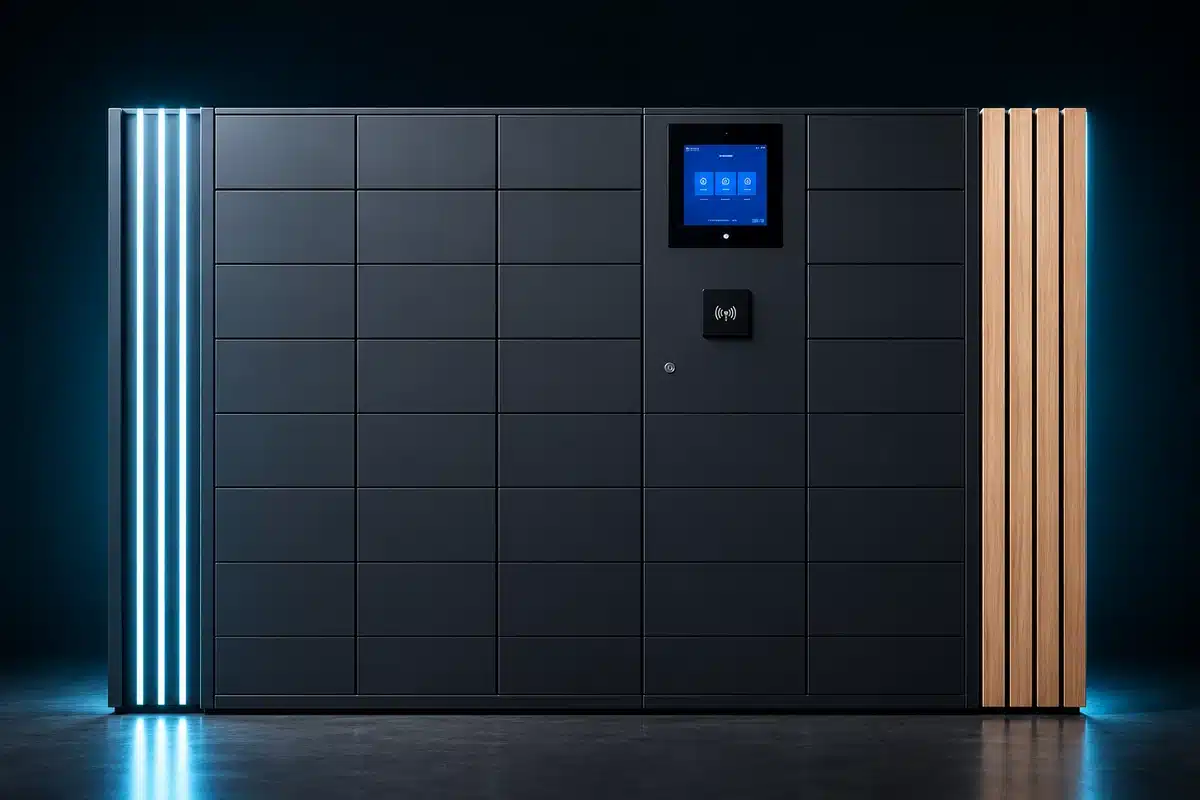
This video shows how self-service lockers remove that bottleneck completely.
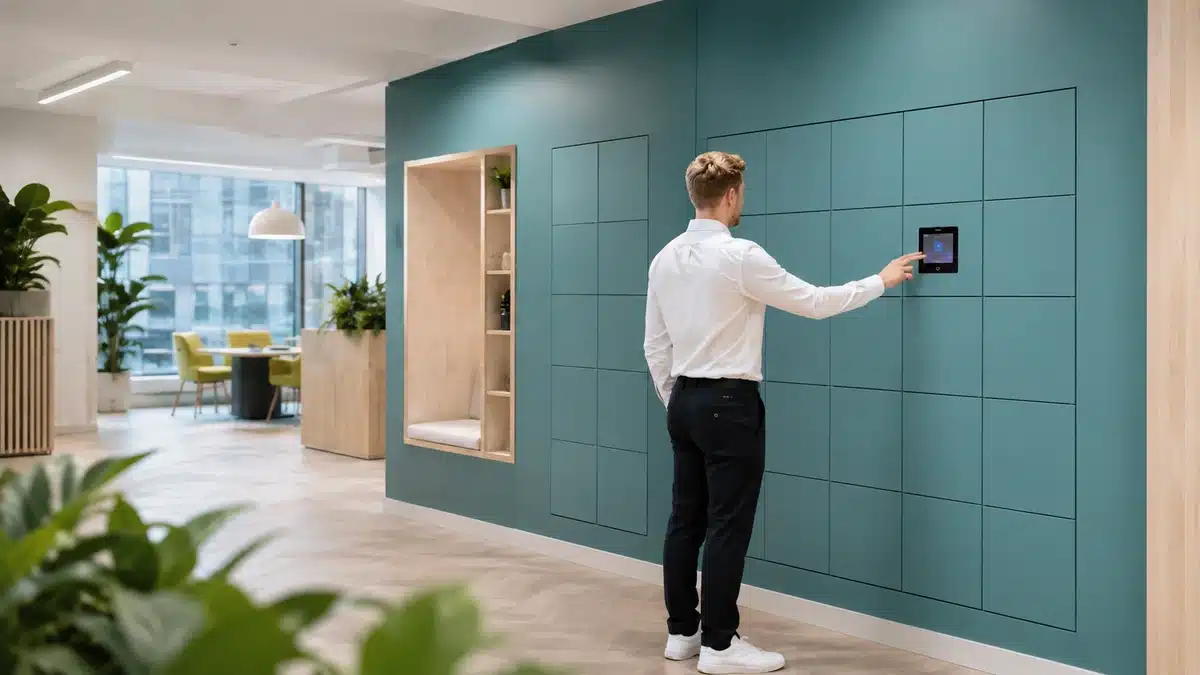
By automating storage, users store and retrieve items independently — enabling continuous flow, faster throughput, and consistent performance without increasing staff.
The result:
- No queues during peak demand
- Lower staffing requirements
- Faster, more efficient operations
Staffed Storage vs Self-Service Lockers — Quick Comparison
Staffed Storage (Manual)
Staff manage every interaction
30–60 sec per item
Queues during peak periods
High staffing cost
Error-prone processes
Limited scalability
No reporting
Self-Service Lockers (Automated)
Fully self-service
5–10 sec per transaction
No queues
Minimal staffing
System-controlled
Highly scalable
Real-time analytics
Staffed Storage vs Self-Service Lockers - Full Comparison
Operational Impact
Bottlenecks, queues, high staffing
Fast flow, low staffing, scalable
Category
Storage Process
Transaction Speed
Throughput Capacity
Peak-Time Performance
Queue Formation
Staff Dependency
Operational Model
User Experience
Consistency
Error Risk
Item Tracking
Ticketing / Tagging
Item Retrieval
Security Level
Loss / Disputes
Audit Trail
Accountability
Scalability
Multi-Site Operations
Space Efficiency
Operational Control
Flexibility
Maintenance Requirements
Operational Downtime
Cost Structure
Staffing Requirements
Revenue Capability
Payment Options
Revenue Tracking
Data & Analytics
Demand Visibility
Compliance Readiness
Integration Capability
Operational Risk
User Support Issues
Future Scalability
Staffed Storage (Manual)
Staff manage every interaction
30–60 sec per item
~60–120 items/hour per staff
Queues and bottlenecks
High risk
High (every interaction)
Labour-driven
Slow, inconsistent
Varies by staff and shift
High (misplaced items, mistakes)
Manual / unreliable
Required
Staff-dependent
Medium (human error risk)
Common
Limited or none
Low
Limited by staff
Inconsistent
Back-of-house storage required
Low
Low
Staff-heavy management
Possible during overload
High labour cost
10–25+ staff (large events)
Limited or none
Manual / inconsistent
None
None
None
Weak
None
High
Frequent
Limited
Self-Service Lockers (Automated)
Fully self-service
5-10 sec per transaction
~400–500 uses/hour per locker
Continuous flow
Eliminated
Minimal (1-2 attendants max)
Automated System
Fast, seamless
Standardised experience
Very low (system-controlled)
Full digital tracking
Not required
Instant self-service
High (controlled access)
Rare
Full access logs
High
Easily scalable
Centralised management
Optimised locker layouts
High
Configurable rules (time, access, pricing)
Low maintenance
Minimal
Lower cost-to-serve
1–2 staff
Strong monetisation potential
Automated digital payments
Full reporting
Real-time usage insights
Full visibility
Strong (audit + control)
Integrates with systems
Low
Minimal
High
Staffed Storage (Manual)
Storage Process
Staff manage every interaction
Transaction Speed
30–60 sec per item
Throughput Capacity
~60–120 items/hour per staff
Peak-Time Performance
Queues and bottlenecks
Queue Formation
High risk
Staff Dependency
High (every interaction)
Operational Model
Labour-driven
User Experience
Slow, inconsistent
Consistency
Varies by staff and shift
Error Risk
High (misplaced items, mistakes)
Item Tracking
Manual / unreliable
Ticketing / Tagging
Required
Item Retrieval
Staff-dependent
Security Level
Medium (human error risk)
Loss / Disputes
Common
Audit Trail
Limited or none
Accountability
Low
Scalability
Limited by staff
Multi-Site Operations
Inconsistent
Space Efficiency
Back-of-house storage required
Operational Control
Low
Flexibility
Low
Maintenance Requirements
Staff-heavy management
Operational Downtime
Possible during overload
Cost Structure
High labour cost
Staffing Requirements
10–25+ staff (large events)
Revenue Capability
Limited or none
Payment Options
Manual / inconsistent
Revenue Tracking
None
Data & Analytics
None
Demand Visibility
None
Compliance Readiness
Weak
Integration Capability
None
Operational Risk
High
User Support Issues
Frequent
Future Scalability
Limited
Self-Service Lockers (Automated)
Storage Process
Fully self-service
Transaction Speed
5-10 sec per transaction
Throughput Capacity
~400–500 uses/hour per locker
Peak-Time Performance
Continuous flow
Queue Formation
Eliminated
Staff Dependency
Minimal (1-2 attendants max)
Operational Model
Automated System
User Experience
Fast, seamless
Consistency
Standardised experience
Error Risk
Very low (system-controlled)
Item Tracking
Full digital tracking
Ticketing / Tagging
Not required
Item Retrieval
Instant self-service
Security Level
High (controlled access)
Loss / Disputes
Rare
Audit Trail
Full access logs
Accountability
High
Scalability
Easily scalable
Multi-Site Operations
Centralised management
Space Efficiency
Optimised locker layouts
Operational Control
High
Flexibility
Configurable rules (time, access, pricing)
Maintenance Requirements
Low maintenance
Operational Downtime
Minimal
Cost Structure
Lower cost-to-serve
Staffing Requirements
1–2 staff
Revenue Capability
Strong monetisation potential
Payment Options
Automated digital payments
Revenue Tracking
Full reporting
Data & Analytics
Real-time usage insights
Demand Visibility
Full visibility
Compliance Readiness
Strong (audit + control)
Integration Capability
Integrates with systems
Operational Risk
Low
User Support Issues
Minimal
Future Scalability
High
The Core Difference
Staffed Storage = Labour-Driven System
- Staff receive, log, store, and retrieve items
- Every interaction requires human involvement
- Performance depends on staffing levels
Self-Service Lockers = Automated System
- Users store and retrieve items independently
- No staff required for day-to-day operation
- Designed for high-volume, peak-demand environments
Speed & Throughput Comparison
Speed is the biggest differentiator.
Staffed Storage
- ~30–60 seconds per transaction
- 1 staff member = ~60–120 items/hour
- Creates bottlenecks during peak periods
Self-Service Lockers
- ~5–10 seconds per transaction
- 1 locker = ~400–500 uses/hour
- Supports continuous, parallel usage
Impact on Queues & Peak Demand
Staffed Storage
- Queues form quickly
- Staff become bottleneck
- Service slows as demand increases
Self-Service Lockers
- No dependency on staff
- Parallel usage eliminates queues
- Stable performance under peak demand
Staffing & Cost Comparison
Staffed Storage
- High labour costs
- Requires multiple staff during peak periods
- Ongoing operational expense
Self-Service Lockers
- Minimal staffing required
- Automated operation
- Lower cost-to-serve
Accuracy, Security & Accountability
Staffed Storage
- Human error (misplaced items)
- Lost tickets or tags
- Disputes common
- Limited accountability
Self-Service Lockers
- Secure, individual compartments
- Digital access control
- Full audit trail
- Reduced disputes
User Experience
Staffed Storage
- Waiting in line
- Dependent on staff availability
- Slower service during busy periods
Self-Service Lockers
- Instant, on-demand access
- No waiting
- Fast, consistent experience
Data, Visibility & Operational Control
Staffed Storage
- No real-time data
- No usage visibility
- Difficult to optimise operations
Self-Service Lockers
- Real-time analytics
- Full usage visibility
- Centralised control across sites
Scalability & Multi-Site Operations
Staffed Storage
- Difficult to scale
- Inconsistent service across locations
- Staff-dependent processes
Self-Service Lockers
- Easily scalable
- Standardised across sites
- Centrally managed
Revenue & ROI
Staffed Storage
- Typically cost centre
- Limited or no monetisation
- High labour cost
Self-Service Lockers
- Enables paid usage models
- High-margin revenue stream
- Full revenue tracking
Real-World Impact Example
High-Traffic Event Scenario
Staffed Storage
- Requires 15–25 staff
- Long queues at peak times
- High operational cost
Self-Service Lockers
- Minimal staffing required
- No queue buildup
- Faster entry and exit
When Staffed Storage Still Makes Sense
- Low-volume environments
- Small venues with minimal demand
- Temporary or legacy setups
When Self-Service Lockers Are the Better Choice
Self-service lockers are ideal for:
High-traffic venues and events
Leisure and sports facilities
Hotels and hospitality
Workplaces and logistics environments
Any environment with peak demand
Final Verdict
Staffed storage is a labour-intensive, slow, and difficult-to-scale solution.
Self-service lockers are a modern, automated system that improves speed, reduces cost, and delivers consistent performance.
If your priority is:
- reducing staffing costs
- eliminating queues
- improving service speed
- scaling operations
- generating revenue
Self-service lockers are the clear choice.