



Hotel Luggage Room vs Smart Lockers | Which Is Better for Guest Storage?

Compare traditional hotel luggage rooms vs smart luggage lockers to understand which solution improves guest flow, reduces staff workload, and scales with demand.

Most hotels offer luggage storage.

But how they deliver it varies.

Many still rely on luggage rooms:

Similar to manual luggage storage vs self-service lockers

  • Staff-managed
  • Manual processes
  • Shared storage spaces

At low volume, this works.

At scale:

  • It breaks

Hotel concierge storage vs lockers


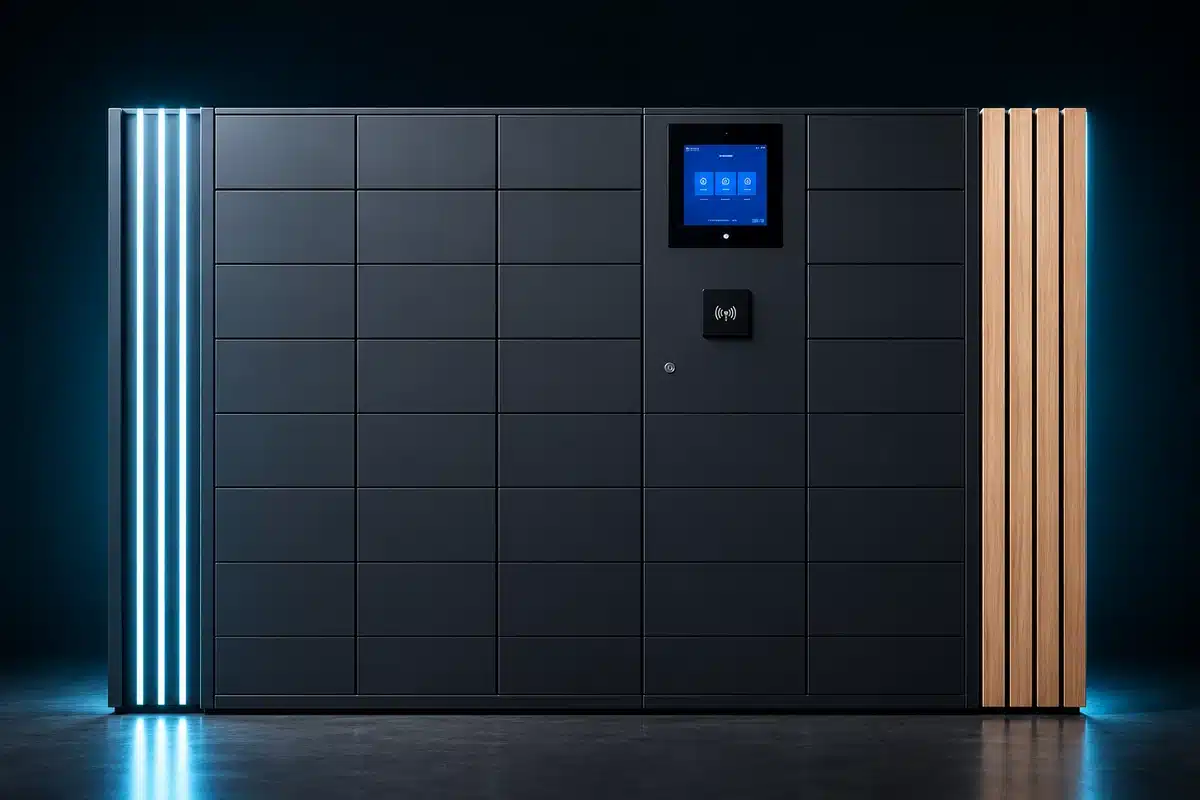
Smart lockers replace manual storage with a structured, self-service system.

Hotel Luggage Storage Reimagined: From Backroom Bottleneck to Smart Lockers

Hotel luggage rooms work — until guest volume increases. As arrivals, departures, and early check-ins overlap, manual storage creates queues, delays, and constant pressure on front desk teams.

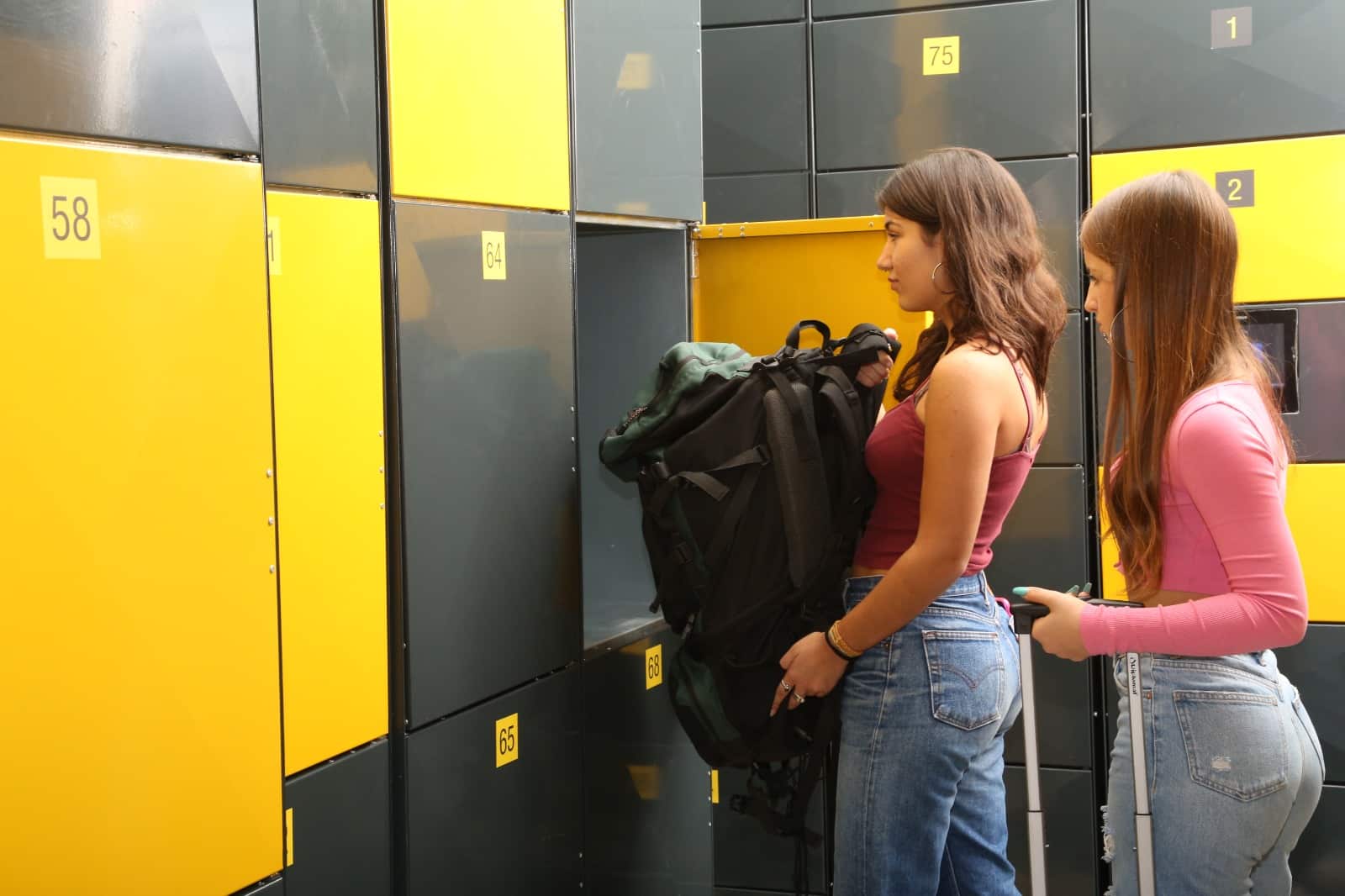
This video shows how smart luggage lockers replace staff-managed luggage rooms with a structured, self-service system. Guests can store and collect bags instantly, without waiting, while hotels eliminate congestion, reduce workload, and maintain a seamless guest experience.

By moving from shared, manual storage to controlled locker infrastructure, hotels can improve flow, increase efficiency, and scale storage operations without adding staff.

See comparison: manual luggage storage vs self-service lockers

Hotel Luggage Room Vs Smart Locker - Quick Comparison

Hotel Luggage Room (Manual)
Staff-managed process
Slow (30–60 sec per bag)
Queues common at peak
High staff involvement
Shared / variable security
Manual tracking
Limited scalability
Smart Luggage Lockers
Self-service system
Fast (5–10 sec)
Queues eliminated
Minimal staff involvement
Individual & controlled
Digital audit trail
High scalability

Hotel Luggage Room vs Smart Lockers (Full Comparison)

Category
Core Model
Process
Dependency
Speed (Drop-off)
Speed (Collection)
Queue Risk
Throughput Capacity
Staffing Requirement
Operational Complexity
Scalability
Peak Demand Handling
Availability
Guest Experience
Guest Independence
Security Level
Liability Risk
Audit Trail
Accountability
Space Efficiency
Organisation
Error Rate
Staff Workload Impact
Cost Model
Cost Predictability
Revenue Potential
Early Arrivals / Late Departures
Multi-Property Consistency
Integration Capability
Data & Insights
Brand Perception
Failure Points
Use Case Fit
Hotel Luggage Room (Manual Storage)
Staff store and retrieve guest luggage in shared room
Drop-off → tag → store → retrieve via staff
High — reliant on staff availability
Slower — queue + manual handling
Delayed — queue at reception/storage
High — especially at peak check-in/out times
Limited — depends on staff and space
High — handling, tagging, managing requests
High — coordination, tracking, disputes
Limited — more demand = more staff + space
Poor — congestion and delays
Limited — tied to reception hours
Inconsistent — queues, delays, dependency
Low — must rely on staff
Moderate — shared room, human error risk
High — disputes over lost/damaged items
Limited — manual tagging/logs
Weak — shared responsibility
Low — cluttered storage rooms
Often chaotic at peak
Higher — misplacement, tagging errors
High — distracts from core guest service
Ongoing labour cost
Variable — depends on volume
None — cost centre
Difficult to manage efficiently
Low — varies by hotel/team
None
None — no usage visibility
Functional, sometimes chaotic
Lost luggage, delays, queues, disputes
Low-volume or small properties
Smart Lockers (Self-Service / Digital)
Guests store and collect luggage independently
Store → access → retrieve (self-service)
None — fully autonomous guest access
Fast — instant locker access
Instant — self-service retrieval
Eliminated — distributed access
High — multiple guests simultaneously
Minimal — oversight only
Low — automated and standardised
Highly scalable — add lockers
Strong — handles surges efficiently
24/7 access
Seamless — fast, independent, predictable
High — fully self-service
High — secure compartments with access control
Low — clear accountability and audit trail
Full digital tracking of access and duration
Strong — individual user access logs
High — structured, compact footprint
Structured — one locker per user
Low — system-managed storage
Low — removes luggage handling tasks
Lower long-term cost-to-serve
Predictable — infrastructure-based
High — paid storage (£5–£10 per use)
Seamless — guests store anytime
High — standardised across locations
Integrates with payments, apps, PMS systems
Full analytics on demand and usage
Premium, modern, guest-centric
Minimal — system-driven reliability
High-volume, high-turnover hotels
Hotel Luggage Room (Manual Storage)
Core Model
Staff store and retrieve guest luggage in shared room
Process
Drop-off → tag → store → retrieve via staff
Dependency
High — reliant on staff availability
Speed (Drop-off)
Slower — queue + manual handling
Speed (Collection)
Delayed — queue at reception/storage
Queue Risk
High — especially at peak check-in/out times
Throughput Capacity
Limited — depends on staff and space
Staffing Requirement
High — handling, tagging, managing requests
Operational Complexity
High — coordination, tracking, disputes
Scalability
Limited — more demand = more staff + space
Peak Demand Handling
Poor — congestion and delays
Availability
Limited — tied to reception hours
Guest Experience
Inconsistent — queues, delays, dependency
Guest Independence
Low — must rely on staff
Security Level
Moderate — shared room, human error risk
Liability Risk
High — disputes over lost/damaged items
Audit Trail
Limited — manual tagging/logs
Accountability
Weak — shared responsibility
Space Efficiency
Low — cluttered storage rooms
Organisation
Often chaotic at peak
Error Rate
Higher — misplacement, tagging errors
Staff Workload Impact
High — distracts from core guest service
Cost Model
Ongoing labour cost
Cost Predictability
Variable — depends on volume
Revenue Potential
None — cost centre
Early Arrivals / Late Departures
Difficult to manage efficiently
Multi-Property Consistency
Low — varies by hotel/team
Integration Capability
None
Data & Insights
None — no usage visibility
Brand Perception
Functional, sometimes chaotic
Failure Points
Lost luggage, delays, queues, disputes
Use Case Fit
Low-volume or small properties
Smart Lockers (Self-Service / Digital)
Core Model
Guests store and collect luggage independently
Process
Store → access → retrieve (self-service)
Dependency
None — fully autonomous guest access
Speed (Drop-off)
Fast — instant locker access
Speed (Collection)
Instant — self-service retrieval
Queue Risk
Eliminated — distributed access
Throughput Capacity
High — multiple guests simultaneously
Staffing Requirement
Minimal — oversight only
Operational Complexity
Low — automated and standardised
Scalability
Highly scalable — add lockers
Peak Demand Handling
Strong — handles surges efficiently
Availability
24/7 access
Guest Experience
Seamless — fast, independent, predictable
Guest Independence
High — fully self-service
Security Level
High — secure compartments with access control
Liability Risk
Low — clear accountability and audit trail
Audit Trail
Full digital tracking of access and duration
Accountability
Strong — individual user access logs
Space Efficiency
High — structured, compact footprint
Organisation
Structured — one locker per user
Error Rate
Low — system-managed storage
Staff Workload Impact
Low — removes luggage handling tasks
Cost Model
Lower long-term cost-to-serve
Cost Predictability
Predictable — infrastructure-based
Revenue Potential
High — paid storage (£5–£10 per use)
Early Arrivals / Late Departures
Seamless — guests store anytime
Multi-Property Consistency
High — standardised across locations
Integration Capability
Integrates with payments, apps, PMS systems
Data & Insights
Full analytics on demand and usage
Brand Perception
Premium, modern, guest-centric
Failure Points
Minimal — system-driven reliability
Use Case Fit
High-volume, high-turnover hotels

What Is a Hotel Luggage Room?

How It Works
  1. Guest hands bag to staff
  2. Bag is tagged
  3. Stored in shared room – Similar to manual storage vs lockers
  4. Retrieved manually later
Common Problems

What Are Smart Luggage Lockers?

Smart lockers are self-service storage systems for guests.
How They Work
  1. Guest stores bag in locker
  2. Receives access code
  3. Collects independently
Key Advantage

Removes staff from the process

The Biggest Issue: Peak-Time Pressure

Luggage Rooms
  • Early arrivals + late departures
  • High volume at check-in/out
  • Queues build quickly

A key issue in manual luggage storage vs self-service lockers

Smart Lockers
  • Distributed storage
  • No staff bottleneck
  • Smooth flow

Guest Experience

Luggage Room
  • Wait for staff
  • Uncertainty
  • Delays

Compared with self-service lockers vs staffed storage

Lockers
  • Instant access
  • Self-service
  • Predictable

Staff Workload

Luggage Room
  • Staff handle every bag
  • Interruptions at reception
  • Time-consuming

See cost impact: staff cost vs locker automation ROI

Lockers
  • No handling required
  • Minimal intervention
  • Staff focus on guests

Security & Liability

Luggage Room
  • Shared access
  • Manual tracking
  • Risk of disputes

See improvement with automated storage systems

Lockers
  • Individual compartments
  • Digital access logs
  • Clear accountability

Space & Organisation

Luggage Room
  • Cluttered storage
  • Inefficient use of space
  • Difficult to manage

Similar to manual storage vs lockers

Lockers
  • Structured compartments
  • Organised storage
  • Efficient footprint

Scalability Across Hotels

Luggage Rooms
  • Vary by property
  • Inconsistent processes
  • Difficult to standardise

See how lockers scale in hotel environments

Lockers
  • Repeatable system
  • Centralised management
  • Consistent across locations

Revenue Opportunity

Luggage Rooms
  • No monetisation
  • Pure operational cost

Compare with free storage vs paid locker systems

Lockers
  • Optional paid storage
  • Controlled demand
  • Additional revenue stream

Real-World Scenario

Busy City Hotel

Luggage Room

Lockers

  • Guests store bags instantly
  • No queues
  • Smooth guest flow

When to Use Luggage Rooms vs Smart Lockers

The right storage approach depends on guest volume, operational pressure, and the level of service your hotel needs to deliver.
Use luggage rooms in very low guest volume environments where demand is limited and manageable.
Use luggage rooms in small properties with simple operations and minimal storage requirements.
Use luggage rooms where infrastructure or space does not yet support automated systems.
Use smart lockers in high occupancy hotels with frequent early arrivals and late departures.
Use smart lockers to reduce reception pressure and deliver a faster, more consistent guest experience.

The Strategic Difference

Luggage rooms are:

  •  Manual storage

Smart lockers are:

  • Automated guest infrastructure

This is the difference between:

  • Handling bags vs managing flow

See also: hotel concierge storage vs lockers

Final Verdict: Simple Storage vs Scalable Guest Experience

Hotel luggage rooms are simple but inefficient, while smart lockers deliver a scalable, efficient, and guest-friendly solution — making them essential for modern hotels operating at scale.

Replace Luggage Room Bottlenecks with Smart, Scalable Storage

Transform guest storage with self-service lockers that reduce queues, remove staff pressure, and deliver a faster, more seamless hotel experience.