







From Manual Luggage Handling to Self-Service Lockers: Scaling Storage Without Bottlenecks
Manual luggage storage works when demand is low — but as volumes increase, every bag handled by staff creates delays, queues, and operational pressure.
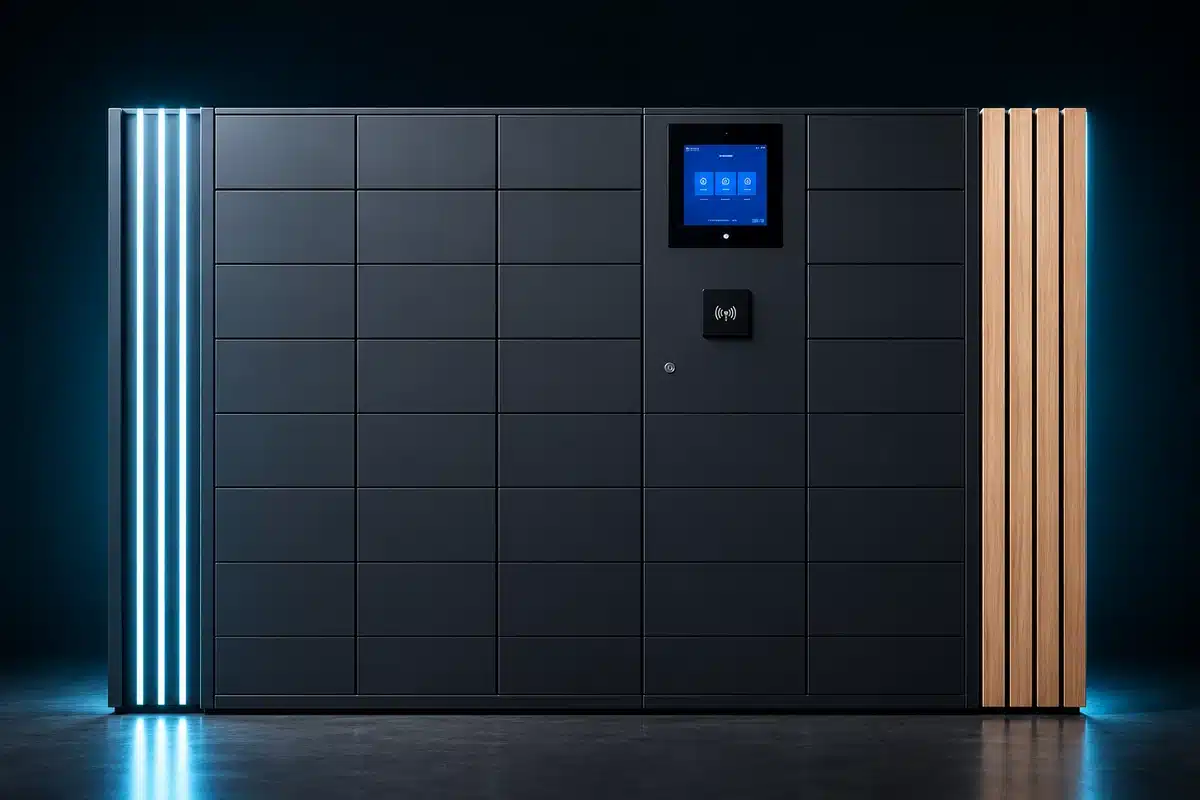
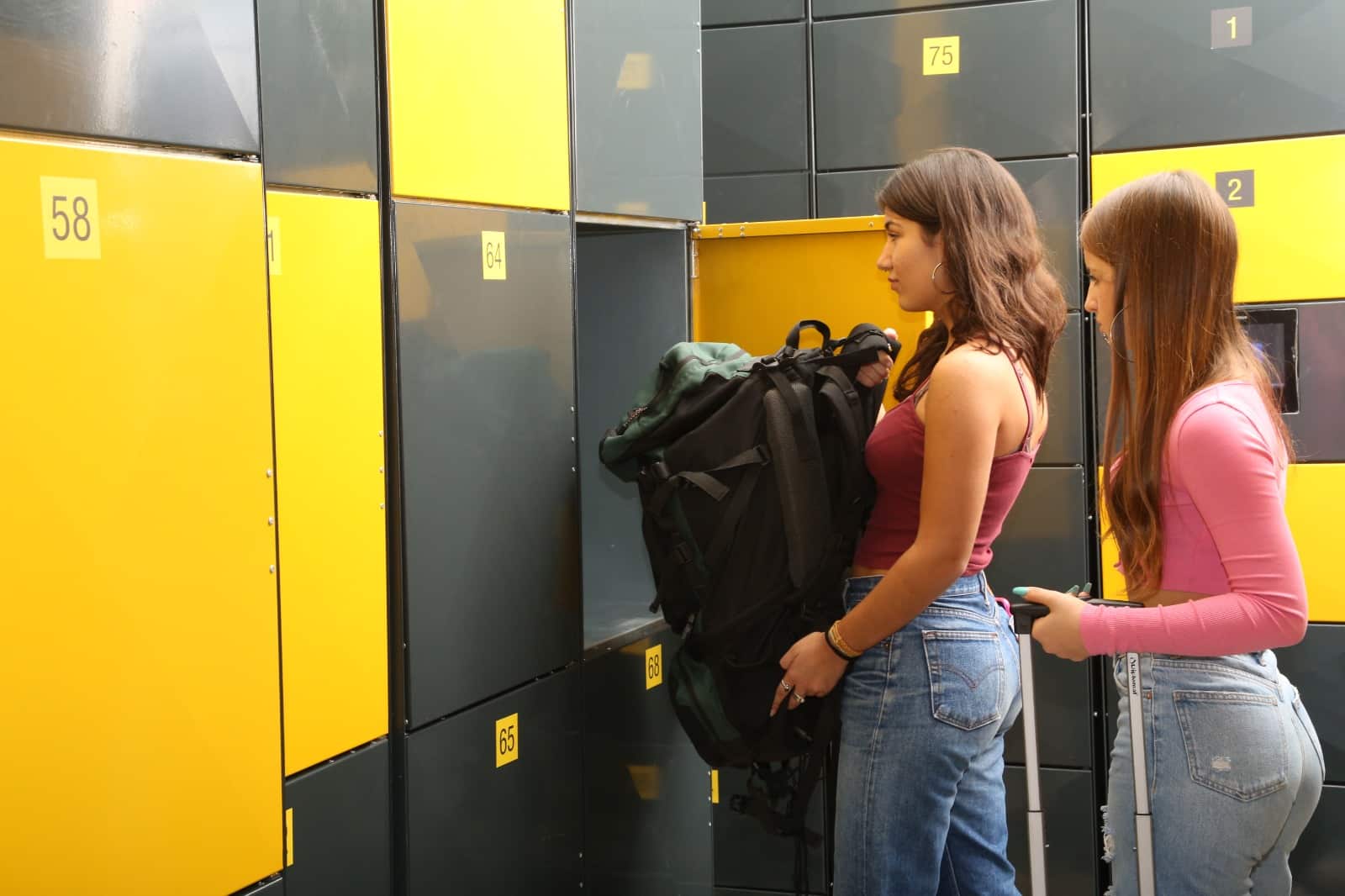
This video shows how self-service lockers replace manual handling with a scalable, automated system. Instead of relying on staff, guests store and retrieve items independently, eliminating queues and reducing workload across hotels, venues, and high-footfall environments.
By shifting from one-to-one handling to a distributed, self-service model, organisations can improve throughput, enhance security, and deliver a faster, more predictable storage experience at any scale.
Related: manual storage vs lockers →
Quick Comparison: Manual Storage vs Self-Service Lockers
Manual Luggage Storage
Self-Service Lockers
Manual Luggage Storage vs Self-Service Lockers (Full Comparison)
Manual Luggage Storage (Staff-Managed)
What Is Manual Luggage Storage?
Manual luggage storage relies on staff-managed processes, typically involving:
- Bag tagging systems
- Staff handling and storing luggage
- Back-of-house storage rooms – Similar to manual storage vs lockers →
- Manual retrieval on guest return
Common environments:
- Hotels
- Hostels
- Event cloakrooms
- Transport hubs
What Are Self-Service Lockers?
Self-service lockers are automated, digital storage systems where users:
- Store items independently
- Access lockers via QR code, PIN, or app
- Retrieve belongings without staff involvement
Key features:
- 24/7 availability
- Secure individual compartments
- Contactless operation
- Integrated payment systems
Why Self-Service Lockers Win
Manual Storage:
- One-to-one handling (staff to bag)
- Queues form as demand increases
- High labour dependency
- Shared storage with higher risk
See also: hotel luggage room vs smart lockers →
Self-Service Lockers:
- Parallel, distributed storage (many users at once)
- Queues eliminated with instant access
- Minimal or no staff involvement
- Secure, individual compartments with full audit trail
- Supports revenue through pay-per-use models
Operational Impact
Manual Storage:
- Bottleneck at reception or cloakroom
- Staff diverted from core roles
- Space inefficient (pile-based storage)
Common in manual storage vs lockers →
Smart Lockers:
- Distributed storage across venue
- Predictable throughput
- Modular expansion (add more lockers)
Customer Experience Comparison
Manual:
- Queue to drop bag
- Queue to collect bag
- Trust staff to manage belongings
- Limited access times
Compared with self-service lockers vs staffed storage →
Self-Service:
- Store in seconds
- Retrieve anytime
- Full control of belongings
- Frictionless experience
When Manual Storage Breaks
Manual systems typically fail at:
- Peak check-in/check-out (hotels)
- Event ingress (venues)
- High turnover environments
- Large group arrivals
A key issue in event lockers vs cloakrooms →
ROI Snapshot
Manual Storage Costs:
- Staff wages
- Space inefficiency
- Lost productivity
- No revenue
Compare with free storage vs paid locker systems →
Self-Service Lockers Deliver:
- Labour cost reduction
- New revenue stream- Learn more: capex vs opex locker model →
- Faster throughput
- Improved guest satisfaction
Best Use Cases for Smart Lockers
- Hotels & hospitality
- Stadiums & arenas
- Festivals & events
- Transport hubs
- Tourist locations
- Workplaces
The Bottom Line
Manual luggage storage was designed for low-volume environments.
Modern demand requires systems that:
- Scale instantly
- Remove human bottlenecks
- Improve flow and experience
Self-service lockers aren’t just an upgrade — they’re a structural shift.
See full comparison: hotel luggage room vs smart lockers →