


Trusted by these customers


- Reduce collection time by 70–80%
- Cut staff involvement by 70%+
- Handle 2–3× more orders
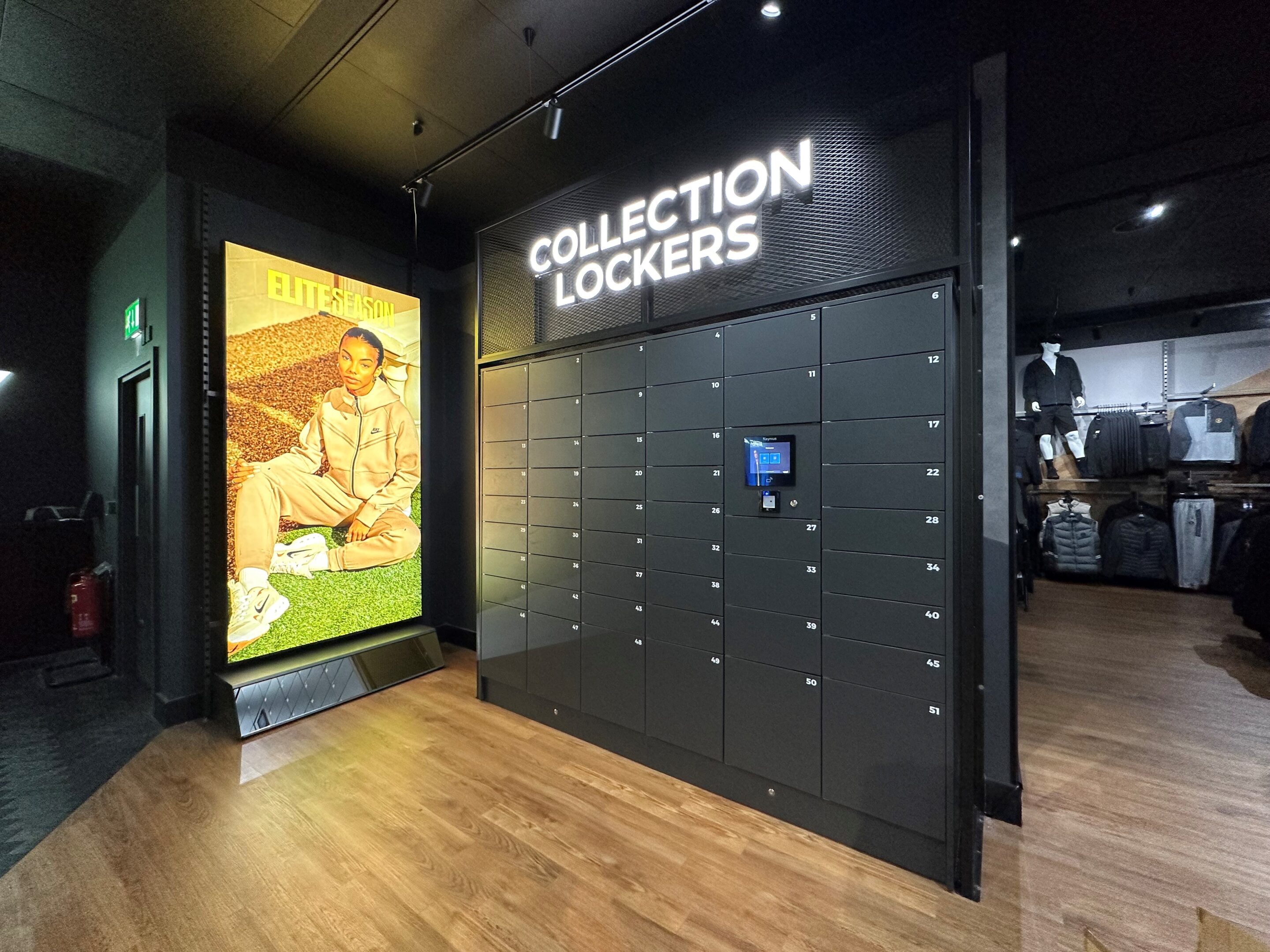
Click & Collect Without Queues or Staff Dependency
Retail Lockers for Click & Collect: Space & Labour Challenges
Retail environments operate with limited space, rising labour costs, and increasing demand for click & collect — making fulfilment a critical operational pressure point. When processes rely on manual handling and staff involvement, small inefficiencies quickly scale into congestion, cost, and lost revenue.
→ Compare manual storage vs lockers
Click & Collect Bottlenecks
Click & collect has become a core retail channel, but many stores still rely on manual, staff-led fulfilment processes. Each order requires picking, storage, and in-person handover — slowing service during peak periods.
This leads to:
Longer collection times (2–4 minutes per order)
Queues forming at collection points
Increased pressure on store teams
→ Click & collect inefficiency in retail
→ Automate collection with smart lockers
Retail Space Constraints
Retail space is one of the most valuable assets in-store. Traditional fulfilment processes consume front-of-store counters, backroom storage, and overflow areas during peak demand.
This results in:
Reduced selling space
Cluttered store environments
Inefficient use of high-value retail space
→ Retail space inefficiency in stores
→ Optimise space with retail lockers
Labour Dependency & Staffing Pressure
Manual fulfilment processes rely heavily on staff to manage picking, storage, and customer handover. As order volumes increase, teams must scale to keep up.
This creates:
Higher staffing costs
Staff diverted from sales to fulfilment
Inconsistent service during peak periods
→ Retail staffing pressure in fulfilment
→ Reduce labour dependency with lockers
→ Compare staff cost vs locker automation ROI
Peak Demand & Collection Delays
During peak trading periods, click & collect demand increases rapidly. Manual systems cannot scale efficiently, leading to delays and operational breakdown.
This causes:
Longer queues and wait times
Slower collection speeds
Reduced customer satisfaction
→ Retail peak demand challenges
→ Improve collection speed with lockers
Commercial Impact on Retail Operations
When fulfilment is inefficient, the impact is felt across the entire store operation — from revenue to customer experience.
Revenue Impact
Reduced selling space
Lower sales per square foot
Cost Impact
Higher staffing requirements
Increased operational overhead
→ Compare staff cost vs locker automation ROI
Experience Impact
Slower service
Customer frustration
→ Retail fulfilment inefficiency impact
→ Improve retail performance with lockers
From Manual Fulfilment to Scalable Click & Collect
These challenges are not isolated — they are the result of fulfilment systems that cannot scale with modern retail demand.
Smart locker systems provide a structured, self-service solution — automating order storage, enabling fast customer collection, and reducing reliance on staff.
This enables:
Faster, self-service collection (10–15 seconds)
Reduced queues and congestion
Improved space utilisation
Lower staffing requirements
→ Compare staffed storage vs self-service lockers
From Cost Centre to Operational Advantage
With smart lockers, click & collect shifts from a labour-intensive cost centre into a scalable, efficient fulfilment system — improving store performance, customer experience, and operational control.
Counter-Based Click & Collect vs Smart Retail Lockers
Where Retail Fulfilment Breaks Down In-Store
Click & Collect Pickup Points and Queue Build-Up
Click and collect pickup points are one of the biggest sources of in-store friction. As order volumes grow, customer collections concentrate around service desks and entrances.
This leads to:
- Click and collect queues during peak trading periods
- Retail collection delays at service counters
- Disruption to overall store flow
Explore:
- Click and collect queue problems
- Self-service collection lockers
Returns and Exchanges Creating Bottlenecks
Returns and exchanges counters are a major contributor to in-store congestion. High return volumes consume staff time and physical space, often overlapping with collections.
This results in:
- Retail returns processing delays
- Increased queue length at service desks
- Higher staff workload during peak periods
Explore:
- Retail returns processing challenges
- Retail lockers for returns and collections
Customer Service Desks Under Fulfilment Pressure
Customer service and help desks are often used to manage fulfilment queries, collections, and returns simultaneously.
This creates:
- Increased pressure on retail staff workload
- Slower response times for customer service
- Reduced focus on sales and in-store experience
Explore:
- Reduce retail staff workload
- Retail lockers for operations directors
High-Footfall Stores and Retail Congestion
Flagship and city-centre stores experience constant customer movement, leaving little tolerance for delays in fulfilment processes.
In these environments:
- Retail congestion builds quickly around collection points
- Store crowding issues impact customer experience
- Fulfilment delays disrupt overall store performance
Explore:
- Retail congestion and store flow issues
- Improve store flow with lockers
Seasonal Peaks and Promotional Demand Surges
Sales events, holidays, and promotional periods significantly increase click and collect and returns volumes.
Without scalable systems:
- Queue lengths increase rapidly
- Staff workload becomes difficult to manage
- Fulfilment processes slow down under pressure
Explore:
- Retail peak trading challenges
- Scalable retail locker systems
Limited Back-of-House Space and Order Staging Issues
Many stores lack dedicated back-of-house space for fulfilment operations, forcing order storage into customer-facing areas.
This leads to:
- Cluttered retail environments
- Reduced space for customers and staff
- Inefficient order staging and retrieval
Explore:
- Retail storage space challenges
- Space-efficient retail lockers


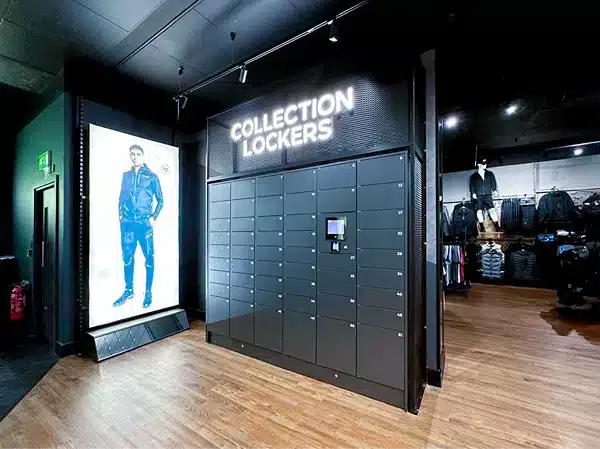
How Retail Fulfilment Fits Into Store Operations
Maintain Store Flow During Peak Trading
Click and collect and returns activity must operate without disrupting customer movement during busy periods. When fulfilment is unmanaged, queues form at service points and retail congestion increases across the store.
Reduce Pressure on Service and Returns Counters
Click and collect and returns place significant pressure on service desks, particularly in high-footfall stores. Staff are required to manage collections, returns, and customer queries simultaneously, increasing workload and slowing service.
Create Predictable, Repeatable In-Store Processes
Manual fulfilment processes vary between stores, shifts, and teams. Without standardised workflows, order collection and returns handling become inconsistent and difficult to scale.
Support Consistent Omnichannel Fulfilment at Scale
Retailers operating across multiple locations must deliver a consistent click and collect experience regardless of store layout or staffing levels. Consistency is critical for scalable omnichannel fulfilment.
Reduce Retail Congestion Across Store Environments
Unstructured fulfilment creates congestion around entrances, service counters, and high-traffic areas. Structured systems are required to maintain store flow and support both customers and staff during peak demand.
Retail Lockers for Click & Collect Workflow: Traditional vs Self-Service
This shows how click and collect lockers replace manual, counter-based collection with a structured, self-service retail fulfilment system — eliminating queues, reducing staff involvement, and improving in-store flow.
Traditional Click & Collect Workflow
Customer places online order
↓
Customer arrives at store
↓
Customer joins click and collect queue
↓
Staff locate order manually
↓
Manual handover at service counter
Operational Challenges
- Click and collect queues during peak trading periods
- Staff diverted from sales and customer service
- Slow and inconsistent order collection
- Increased pressure on service counters
→ Compare manual storage vs lockers
Smart Locker Click & Collect Workflow
Customer places online order
↓
Order is placed in a click and collect locker
↓
Customer receives secure access code
↓
Customer arrives at store
↓
Customer collects order independently from locker
Operational Advantages
- Removes staff involvement from order collection
- Eliminates click and collect queues
- Enables fast, predictable self-service collection
- Supports higher order volumes without additional staff
- Improves retail fulfilment efficiency across stores
Retail Locker Case Study & Measurable Results

Leading Footwear Retailer – Reimagining Click & Collect
A UK footwear retailer with over 70 stores faced growing pressure from increasing click and collect volumes. Manual, counter-based collection was creating queues, back-of-house congestion, and pulling staff away from sales.
Challenge
- Click and collect queues during peak trading
- Staff diverted from customer engagement
- Congestion in storage and service areas
Solution
The retailer introduced click and collect lockers, enabling customers to collect orders independently without staff involvement.
Results
- 78% reduction in staff time spent on order collection
- 5,500+ click and collect orders handled annually
- Reduced queues and improved in-store flow
→ Compare staff cost vs locker automation ROI
Explore:
Retail Locker Solutions for Click & Collect and In-Store Fulfilment

Retail environments vary from high-footfall flagship stores and shopping centres to distributed high-street and multi-site retail estates. As click and collect volumes increase, retailers require fulfilment systems that reduce queues, improve store flow, and operate without increasing staff workload.
Retail locker solutions provide a structured, self-service approach to managing order collection, returns, and deliveries across stores.
Retail Lockers for Click & Collect and Returns
Retail lockers are designed to support click and collect lockers and in-store returns, replacing manual, counter-based processes with a fast, self-service system.
They enable retailers to:
- Eliminate click and collect queues at service counters
- Reduce staff involvement in order collection
- Improve in-store flow during peak trading periods
- Support scalable, high-volume order collection
→ Explore retail lockers for click and collect
Delivery Lockers for Inbound Store Fulfilment
Delivery lockers are used to manage inbound store deliveries, stock transfers, and internal logistics without disrupting store operations.
They enable:
- Unattended delivery and collection of stock
- Reduced disruption to shop floors and back-of-house areas
- Faster, more predictable delivery workflows
- Improved visibility across store operations
→ Explore delivery lockers for retail
Why Retailers Use Locker-Based Fulfilment Systems
Retail locker systems support key operational priorities across modern retail environments:
- Reduced congestion at service counters and collection points
- Lower labour cost per order through automation
- Improved store throughput during peak trading periods
- Consistent fulfilment processes across multi-site retail estates
By replacing manual fulfilment workflows with self-service systems, retailers can scale click and collect operations while maintaining store performance and customer experience.
→ Compare capex vs opex locker model
Who Retail Locker Solutions Are Designed For
Operations Directors
Operations directors are responsible for managing in-store fulfilment, customer flow, and overall store performance across retail environments.
Pain:
Managing click and collect queues, retail congestion, and inconsistent fulfilment processes during peak trading periods. As order volumes increase, manual collection systems create delays, reduce throughput, and impact store performance.
Outcome:
Faster in-store fulfilment, reduced congestion at service counters, and scalable click and collect operations that perform consistently during peak demand.
Explore:
Retail lockers for operations directors
Reduce click and collect queues
Commercial Directors
Commercial directors focus on profitability, cost control, and delivering scalable omnichannel growth across retail operations.
Pain:
Rising labour cost per order, inefficient use of store space, and increasing pressure on margins as click and collect volumes grow.
Outcome:
Lower fulfilment cost per order, improved store throughput, and new revenue opportunities through efficient, automated collection systems.
Explore:
Reduce retail labour cost per order
IT Directors
IT directors are responsible for system integration, data visibility, and ensuring consistency across retail store networks.
Pain:
Limited visibility across fulfilment processes, fragmented systems between stores, and operational disruption during technology rollouts.
Outcome:
Centralised control over fulfilment workflows, consistent systems across locations, and improved visibility into order collection and customer behaviour.
Explore:
Retail lockers for IT directors
Improve fulfilment visibility