






Trusted by these customers







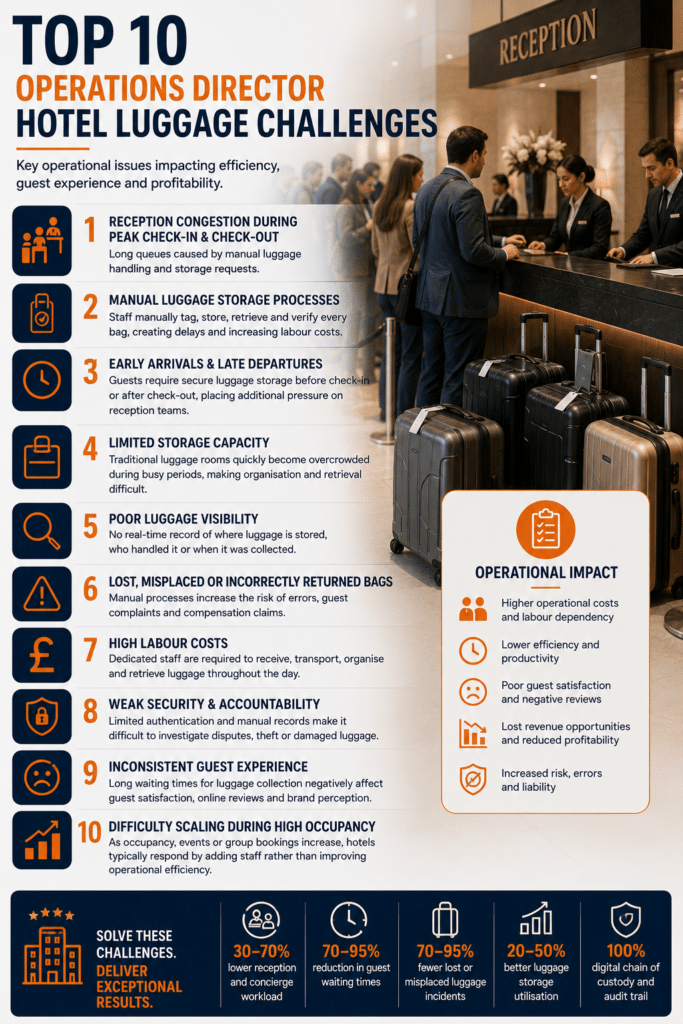
- Reduce Reception & Concierge Workload ↓ 30–70% Automates luggage drop-off and collection, allowing staff to focus on guest service instead of manual luggage handling.
- Accelerate Guest Journeys <30-Second Collection ↓ 70–95% Guest Waiting Time Self-service luggage storage eliminates queues, improves check-in/check-out flow and enhances the guest experience.
- Reduce Lost Luggage & Improve Security ↓ 70–95% Authenticated access, secure storage and complete digital audit trails significantly reduce misplaced luggage, disputes and compensation claims.
- Increase Operational Efficiency & Scalability ↓ 70–95% Manual Administration ↑ 20–50% Storage Utilisation Hotels manage higher occupancy, early arrivals and late departures without proportionally increasing staffing levels or storage space.
Common Hotel Operations Director Challenges
Why Luggage Storage Fails for Operations Directors
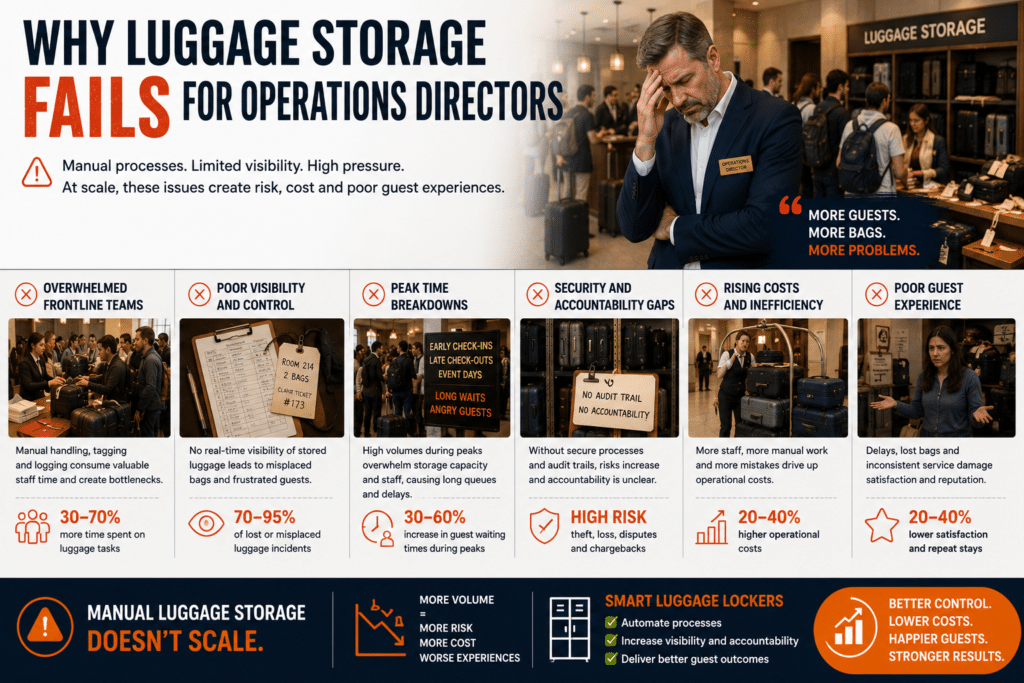
For operations teams, manual luggage handling causes:
- Front-desk congestion during peak windows
- Staff pulled away from higher-value tasks
- Inconsistent handling across shifts and sites
- Increased risk of disputes or loss
As volume grows, these issues compound.


How Luggage Lockers Support Operations Directors:
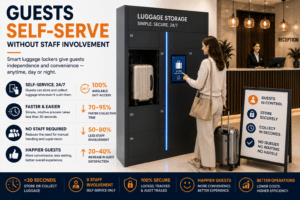
Guests self-serve without staff involvement
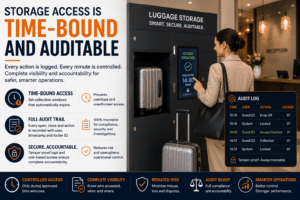
Storage access is time-bound and auditable
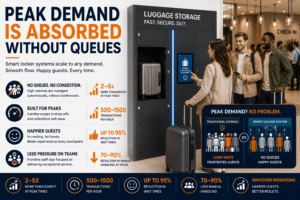
Peak demand is absorbed without queues
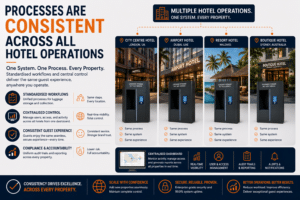
Processes are consistent across locations
Locker Systems as Part of a Hotel Operational Strategy
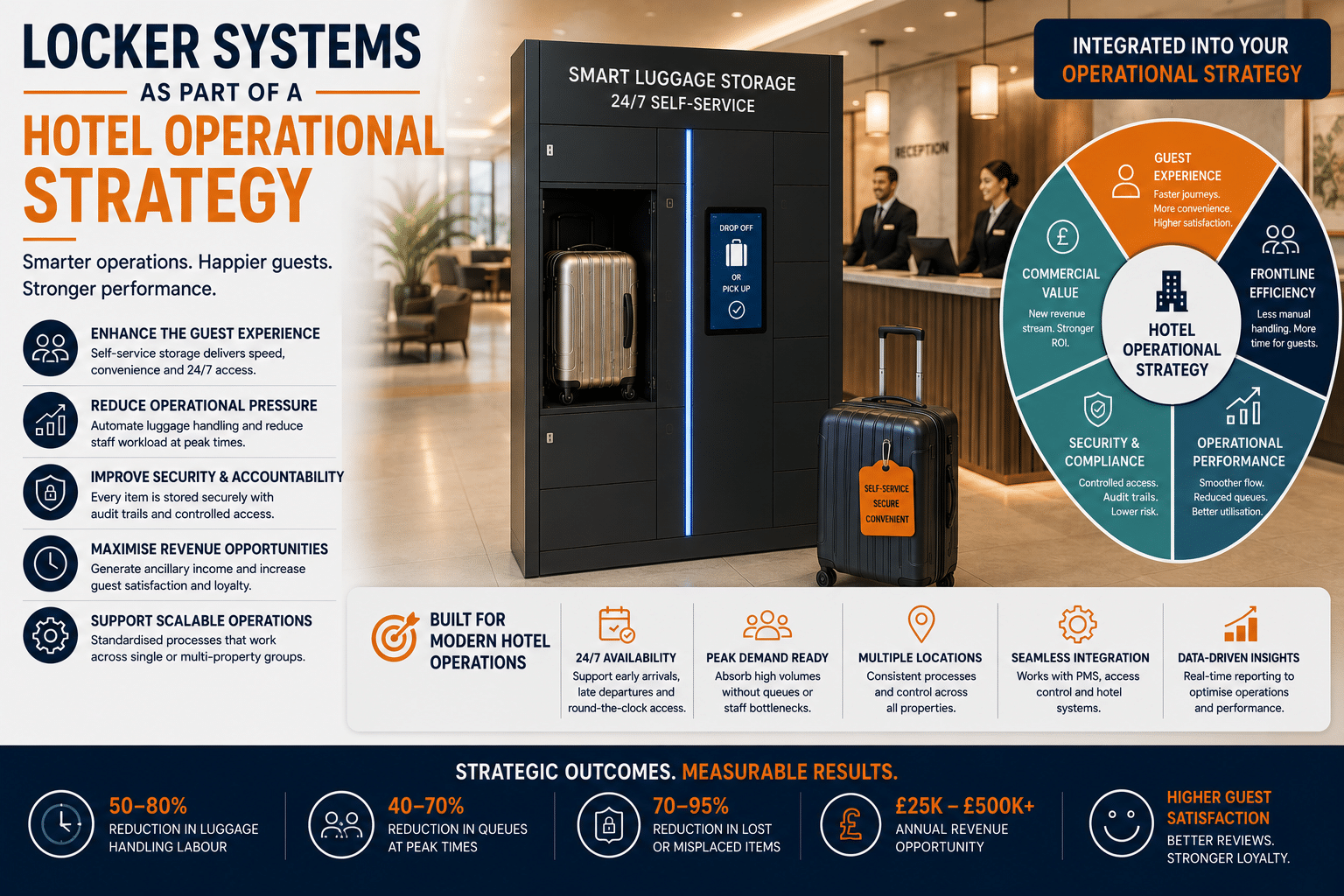
Manned Cloakroom vs Smart Hotel Luggage Lockers
Scaling Across Multiple Locations
Challenges Hotel Smart Luggage Lockers Overcome
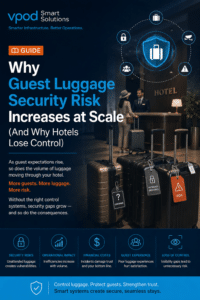
Why Guest Luggage Security Risk Increases at Scale
Find out more →
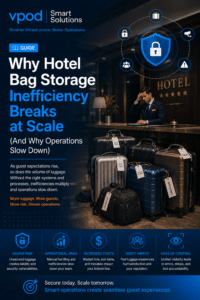
Why Hotel Bag Storage Inefficiency Breaks at Scale
Find out more →
Why Hotel Luggage Storage Problems Break at Scale

Find out more →
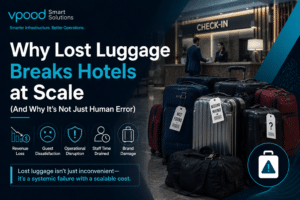
Why Lost Luggage Breaks Hotels at Scale
Find out more →
Why Luggage Storage Queues Break Hotels at Scale
Find out more →
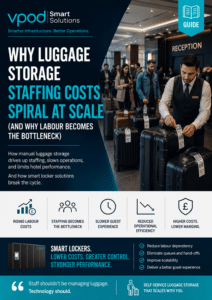
Why Luggage Storage Staffing Costs Spiral at Scale
Find out more →
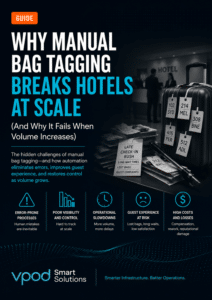
Why Manual Bag Tagging Breaks Hotels at Scale
Find out more →
Why Visitor Belongings Security Risk Increases at Scale
Find out more →
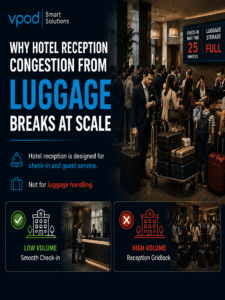
Why Hotel Reception Congestion From Luggage Breaks at Scale
Find out more →
Outcomes Operations Directors Care About
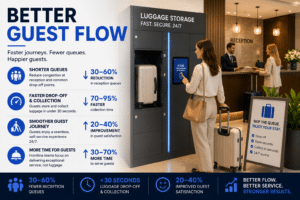
Faster guest flow
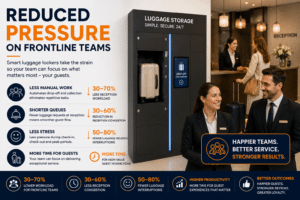
Reduced pressure on frontline teams
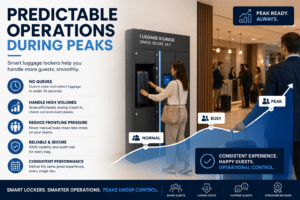
Predictable operations during peaks
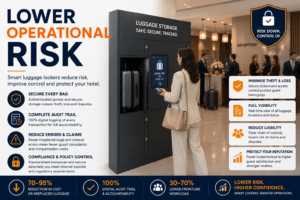
Lower operational risk
Operational Visibility & Governance
Explore Specific Use Cases
Ibis Hotel Geneva — Operational Luggage Automation
Ibis Hotel Geneva replaced manual luggage room processes with 29 self-service smart locker walls to manage early arrivals and late departures. The system reduced front desk interruptions, eliminated queue build-up, and introduced structured, time-bound storage with full visibility.
For Operations Directors, this meant peak check-in pressure was absorbed without increasing headcount.
Result: Reduced staff workload, improved guest flow, and created a new revenue stream with 6x ROI in year one.
Premier Inn Cologne — Operational Luggage Automation
Premier Inn Cologne replaced manual luggage room handling with 54 self-service smart lockers to manage early arrivals, late departures, and out-of-hours access. The structured, PIN-based system introduced time-bound storage, remote oversight, and integrated payment, removing reliance on front-desk staff for baggage handling.
For Operations Directors, this meant peak check-in and check-out pressure was absorbed without increasing headcount or expanding back-of-house space.
Result: Reduced staff workload, improved front-desk efficiency, and delivered a 6× ROI within the first year through controlled, monetised storage.
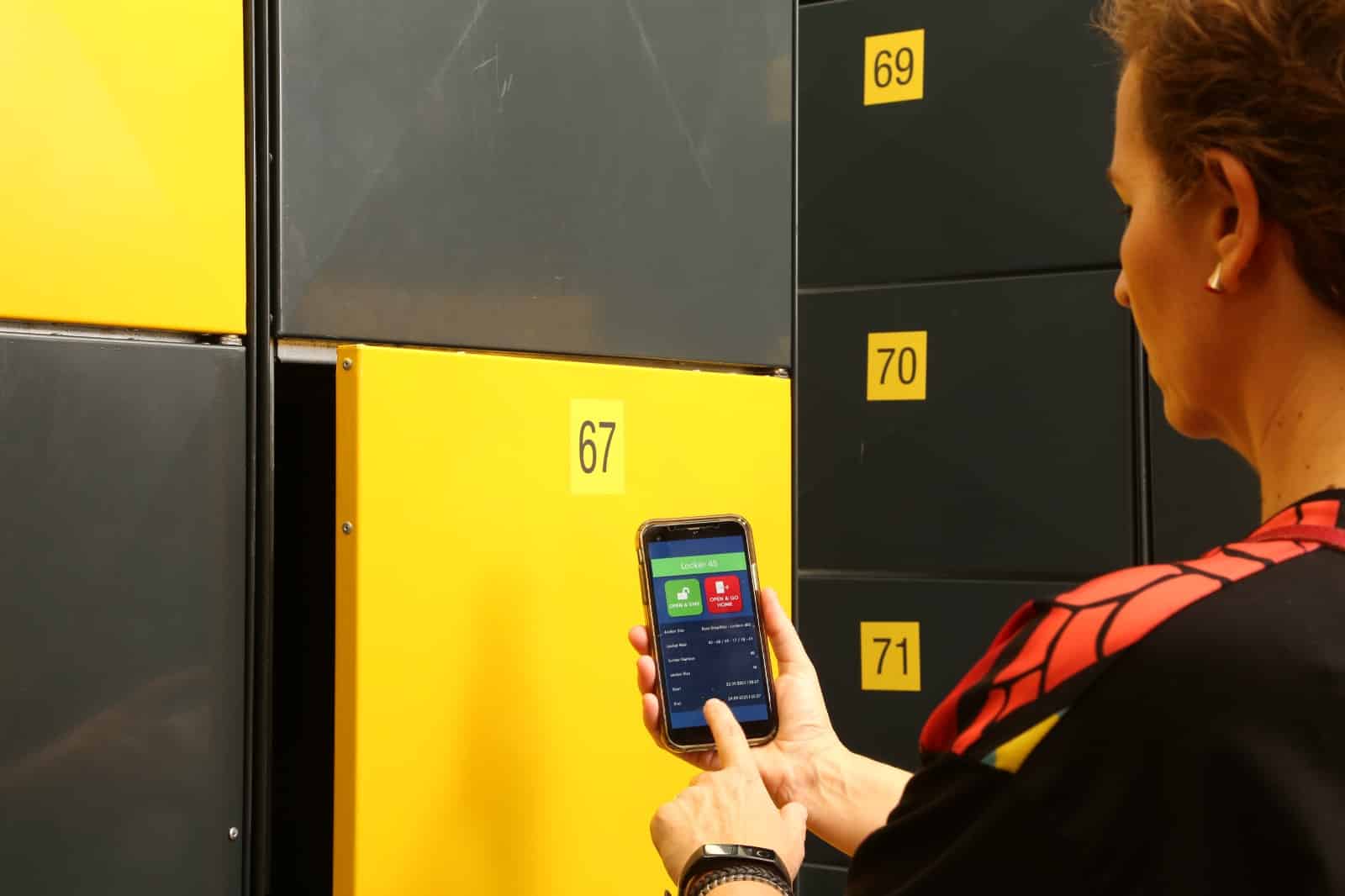
See How It Works in Practice
Explore Operational Challenges
-
Reduce front-desk congestion
-
Improve early arrival handling
-
Manage late departure storage
-
Reduce staff workload during peak periods
Useful Links
Luggage Lockers Smart Solutions