



Bag Check vs Smart Lockers | Which Is Better for Event Security & Ingress Speed?

Compare traditional bag checks with smart locker systems to understand which delivers safer, faster, and more efficient event entry.

Security screening is a critical part of event operations. But one of the biggest challenges venues face is balancing:

  • Thorough security checks
  • Fast, safe crowd movement

Bag checks are a standard approach — but they significantly slow entry and create queues that can become security risks.

See how event locker systems remove bag-related delays and improve ingress flow at high-volume events.

See how cloakrooms cause event inefficiency

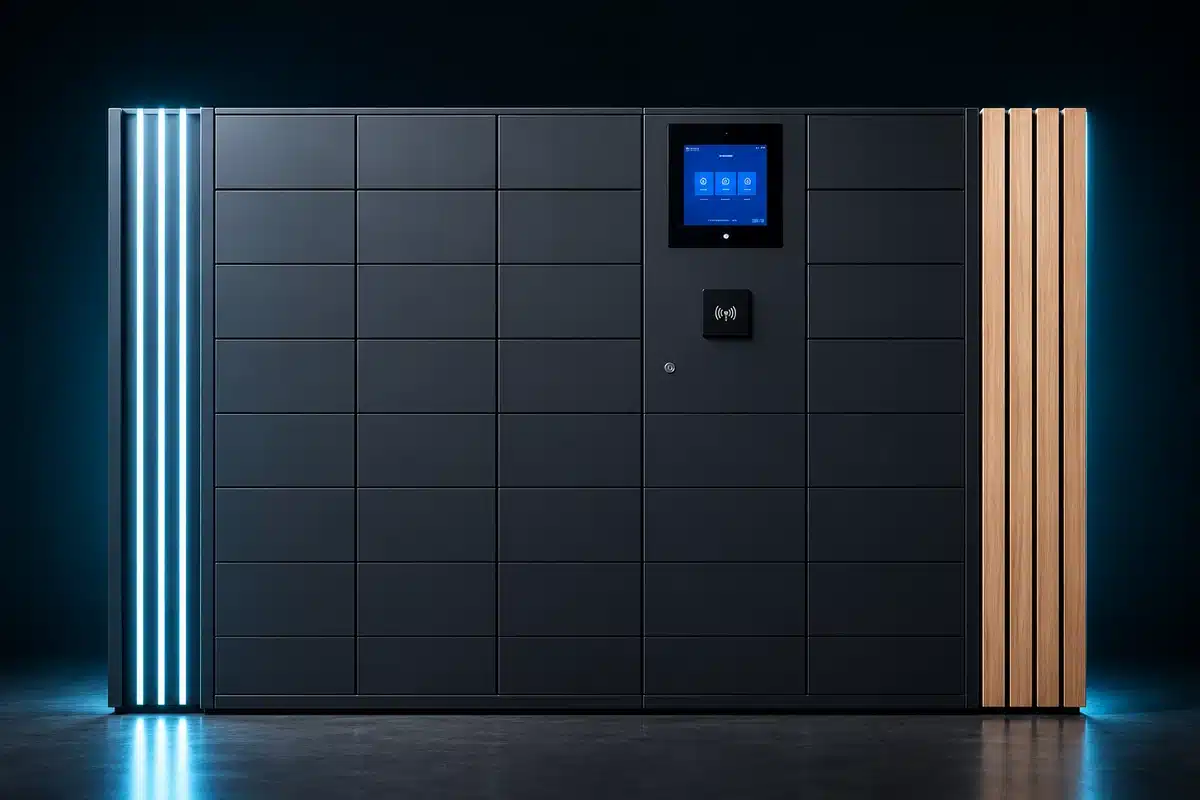
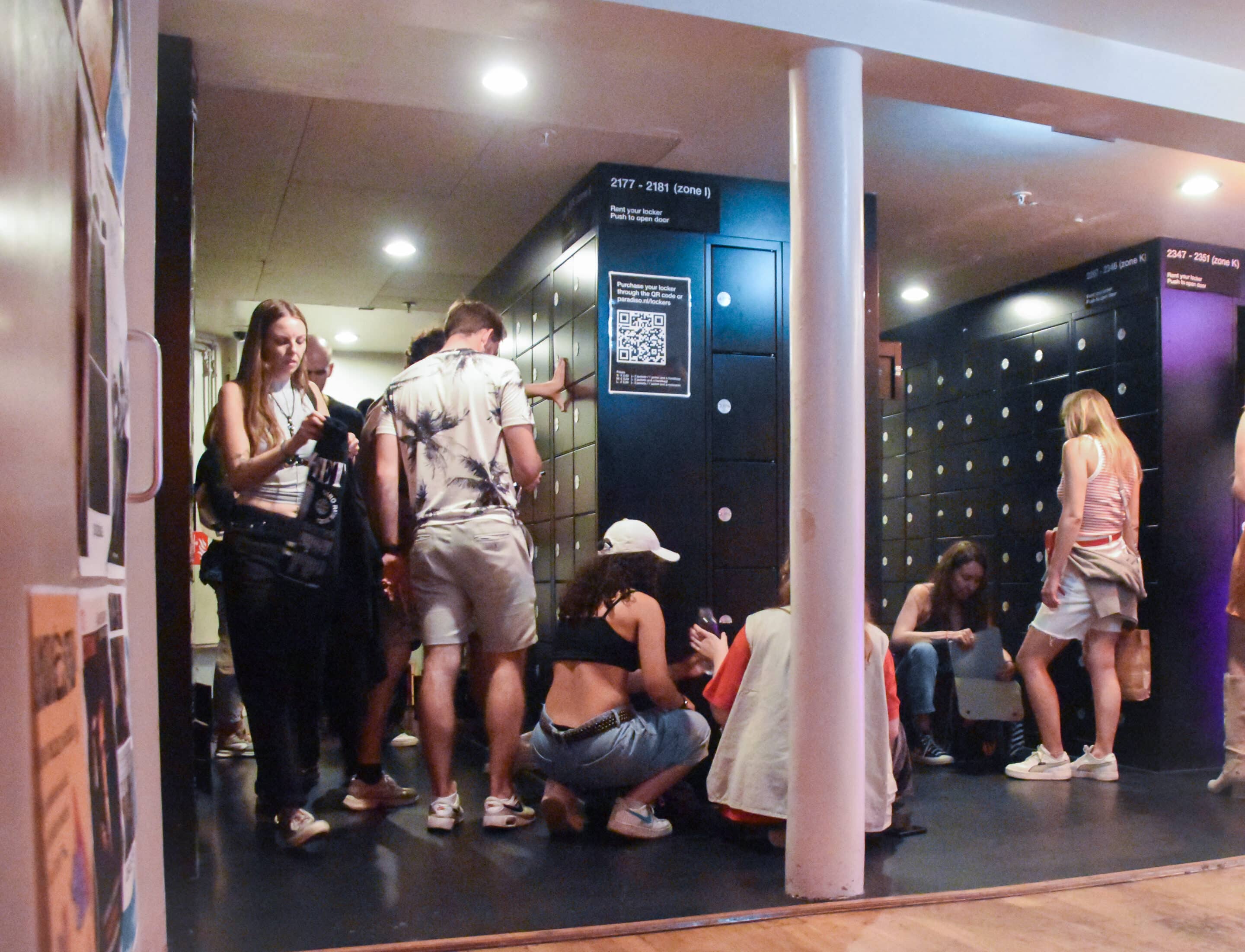
Smart lockers provide an alternative by removing bags before security, improving both safety and throughput.

Martyn’s Law, Event Security & Crowd Flow | Why Entry Design Matters

Event security is no longer just about screening — it’s about managing risk before it reaches the entrance.

Under Martyn’s Law, venues are expected to reduce crowd density, improve ingress flow, and minimise perimeter risk. Traditional bag check systems increase pressure at entry points, creating queues that can become a security vulnerability.

Smart lockers change this model by removing bags before security. This reduces congestion, improves throughput, and allows security teams to focus on people — not belongings.

The result is faster, safer, and more compliant event entry.

Bag Check vs Smart Lockers — Quick Comparison

Bag Checks (Manual Security Screening)
Manual inspection of bags
Slows security lanes
20–40 sec per bag
Creates queues
Staff-intensive
Inconsistent process
Increases congestion risk
Bag Checks (Manual Security Screening)
Bags removed before entry
Speeds up screening
5–10 sec storage
Reduces queues
Minimal staffing
Standardised system
Reduces perimeter risk

Bag Check vs Smart Lockers — Full Comparison

Operational Impact
Slower entry, higher risk, heavy staffing
Faster entry, safer flow, scalable
Category
Security Approach
Storage Handling
Inspection Method
Transaction Speed
Security Throughput
Impact on Security Lanes
Queue Formation
Perimeter Congestion
Crows Safety Risk
Peak-Time Performance
Staff Requirements
Operational Complexity
Consistency of Process
Focus of Security Teams
Error Risk
User Experience
Entry Speed
Ingress Flow
Exit Impact
Scalability
Integration with Security Strategy
Martyn's Law Alignment
Operational Risk
Infrastructure Requirement
Revenue Potential
Cost Structure
Data & Visibility
Future Readiness
Bag Checks (Manual Security Screening)
Reactive (inspect bags at entry)
Bags brought into security zone
Manual bag checks
20-40 sec per bag
~200-250 people/hour per lane
Slows screening significantly
High (queues build rapidly)
High risk
Increased due to queues
Degrades under pressure
High (security + bag handling)
High (inspection + flow management)
Variable (staff-dependant)
Split between bags and people
Human error in inspection
Slow, frustrating
Slow
Interrupted
Bags retrieved post-event (delays)
Limited by staff and lanes
Adds friction
Creates queue risk at perimeter
High (queues + congestion)
Minimal but inefficient
None
High staffing cost
None
Legacy approach
Smart Lockers (Pre-Entry Storage)
Preventative (remove bags before entry)
Bags stored before security
No bag inspection required (reduced volume)
5-10 sec per transaction
~450-500 people/hour per lane
Speeds up screening
Reduced or eliminated
Low risk
Reduced through faster flow
Stable at peak demand
Lower (focused security only)
Lower (separated storage + security)
Standardised system
Focused on people and threats
Reduced reliance on inspection
Fast, predictable
Fast
Continuous
Fast retrieval (self-service)
Scales with locker capacity
Enhances flow + compliance
Supports safer ingress design
Lower (controlled flow)
Structured pre-entry storage zones
High (paid storage per use)
Lower cost-to-serve
Full usage and demand tracking
Modern security infrastructure
Bag Checks (Manual Security Screening)
Security Approach
Reactive (inspect bags at entry)
Storage Handling
Bags brought into security zone
Inspection Method
Manual bag checks
Transaction Speed
20-40 sec per bag
Security Throughput
~200-250 people/hour per lane
Impact on Security Lanes
Slows screening significantly
Queue Formation
High (queues build rapidly)
Perimeter Congestion
High risk
Crows Safety Risk
Increased due to queues
Peak-Time Performance
Degrades under pressure
Staff Requirements
High (security + bag handling)
Operational Complexity
High (inspection + flow management)
Consistency of Process
Variable (staff-dependant)
Focus of Security Teams
Split between bags and people
Error Risk
Human error in inspection
User Experience
Slow, frustrating
Entry Speed
Slow
Ingress Flow
Interrupted
Exit Impact
Bags retrieved post-event (delays)
Scalability
Limited by staff and lanes
Integration with Security Strategy
Adds friction
Martyn's Law Alignment
Creates queue risk at perimeter
Operational Risk
High (queues + congestion)
Infrastructure Requirement
Minimal but inefficient
Revenue Potential
None
Cost Structure
High staffing cost
Data & Visibility
None
Future Readiness
Legacy approach
Smart Lockers (Pre-Entry Storage)
Security Approach
Preventative (remove bags before entry)
Storage Handling
Bags stored before security
Inspection Method
No bag inspection required (reduced volume)
Transaction Speed
5-10 sec per transaction
Security Throughput
~450-500 people/hour per lane
Impact on Security Lanes
Speeds up screening
Queue Formation
Reduced or eliminated
Perimeter Congestion
Low risk
Crows Safety Risk
Reduced through faster flow
Peak-Time Performance
Stable at peak demand
Staff Requirements
Lower (focused security only)
Operational Complexity
Lower (separated storage + security)
Consistency of Process
Standardised system
Focus of Security Teams
Focused on people and threats
Error Risk
Reduced reliance on inspection
User Experience
Fast, predictable
Entry Speed
Fast
Ingress Flow
Continuous
Exit Impact
Fast retrieval (self-service)
Scalability
Scales with locker capacity
Integration with Security Strategy
Enhances flow + compliance
Martyn's Law Alignment
Supports safer ingress design
Operational Risk
Lower (controlled flow)
Infrastructure Requirement
Structured pre-entry storage zones
Revenue Potential
High (paid storage per use)
Cost Structure
Lower cost-to-serve
Data & Visibility
Full usage and demand tracking
Future Readiness
Modern security infrastructure

The Core Difference

Bag Checks = Inspection-Based Security
  • Bags are brought to entry points
  • Security staff manually inspect contents
  • Every bag slows the screening process
Smart Lockers = Prevention-Based Security
  • Bags are stored before security
  • Fewer items reach screening
  • Security focuses on people, not belongings

Impact on Security Throughput

Throughput is the key factor in safe event entry.
Bag Checks
  • Each bag adds inspection time
  • Security lane throughput drops significantly
  • Typical throughput: ~200–250 people/hour per lane
Smart Lockers
  • Bags removed from entry lanes
  • Faster screening process
  • Throughput increases to ~450–500 people/hour

Queue Formation & Perimeter Risk

Queues are not just operational problems — they are security risks.
Bag Checks
  • Long queues outside venues
  • Congestion at perimeter
  • Increased exposure to risk

event queue problems at scale

Smart Lockers
  • Reduced queue length
  • Faster entry
  • Safer, more controlled perimeter

Operational Impact on Security Teams

Bag Checks
  • High staffing requirements
  • Repetitive manual inspections
  • Increased pressure during peak arrival
Smart Lockers
  • Reduced bag volume at entry
  • Security teams focus on threat detection
  • Lower operational strain

Speed Comparison

Bag Checks
  • 20–40 seconds per bag
  • Creates bottlenecks
  • Slows overall entry

event queue problems at scale

Smart Lockers
  • 5–10 seconds per transaction/li>
  • Removes delays before entry
  • Enables continuous flow

Security Effectiveness

Bag Checks
  • Reactive approach
  • Dependent on human inspection
  • Slows process without eliminating risk
Smart Lockers
  • Preventative approach
  • Reduces items entering venue
  • Supports cleaner, more focused screening

Martyn’s Law & Compliance Impact

Martyn’s Law places increased emphasis on:
  • crowd safety
  • risk mitigation
  • controlled ingress
Bag Checks
  • Increase queue formation
  • Create perimeter congestion
  • May introduce additional risk
Smart Lockers
  • Reduce external queue pressure
  • Improve flow into venues
  • Support safer entry environments

Guest Experience

Bag Checks
  • Slower entry
  • Frustration during peak times
  • Inconsistent experience
Smart Lockers
  • Faster, smoother entry
  • Clear storage option
  • Reduced friction

Cost & Operational Efficiency

Bag Checks
  • High staffing costs
  • Slower entry impacts operations
  • No revenue generation
Smart Lockers
  • Lower staffing requirements
  • Faster entry improves operations
  • Generates revenue (paid storage)

When Bag Checks Still Make Sense

  • Low-attendance events
  • Strict no-storage policies
  • Minimal bag usage environments

When Smart Lockers Are the Better Choice

Smart lockers are ideal for:
Events with 1,000+ attendees
Venues with security screening
High bag volumes
High-risk or regulated environments
Events requiring fast ingress

Final Verdict

Bag checks are necessary — but they create bottlenecks when used as the primary solution.

Smart lockers complement and improve security by removing bags before screening, increasing throughput and reducing risk.

The most effective approach is:

Smart lockers + focused security screening

See the Impact on Your Venue

Understand how removing bag-related bottlenecks can improve security, speed, and event performance.