


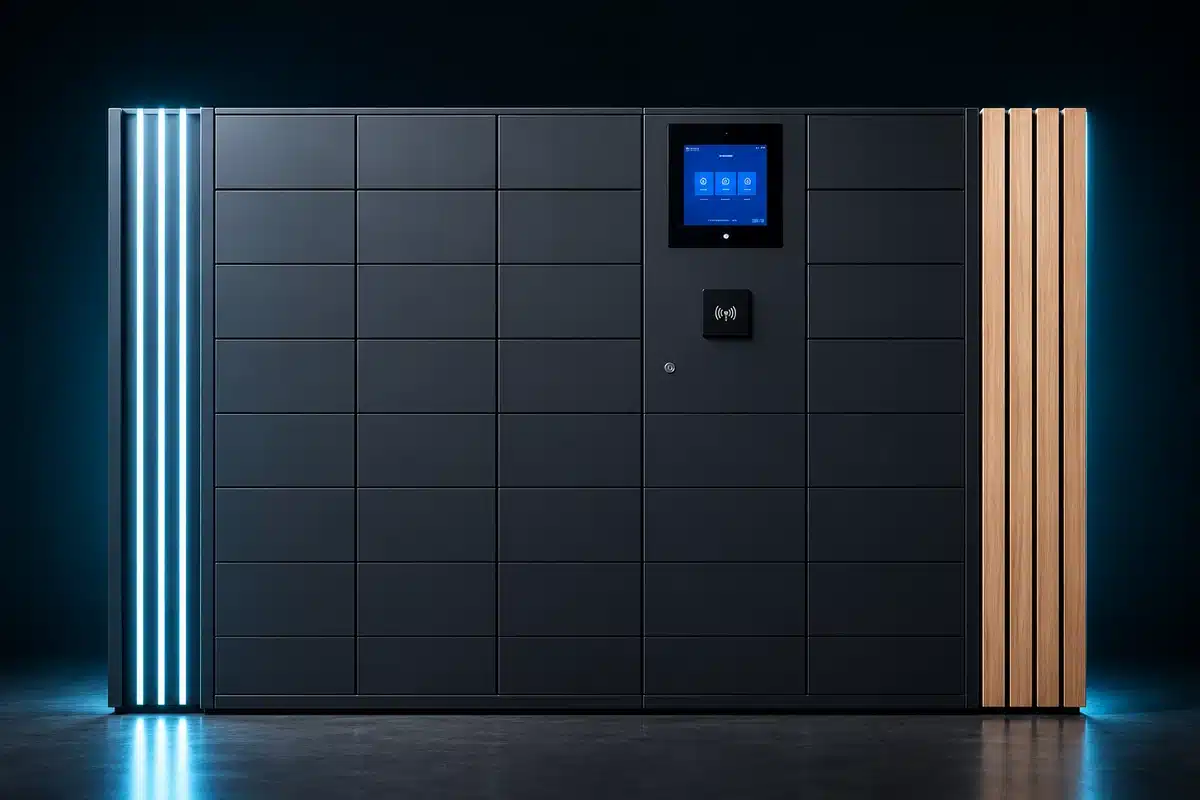





The Operational Reality Behind Hotel Luggage Storage Failures

Hotel luggage storage seems simple—until peak demand hits.
Early arrivals, late departures, and guests waiting for rooms create sudden spikes in baggage handling. What begins as a convenience service quickly becomes a bottleneck affecting reception teams, guest experience, and operational efficiency.
For many hotels, luggage storage problems only become visible during peak check-in periods when demand overwhelms manual processes.
Understanding why this happens is the first step to fixing it.
Why Luggage Storage Problems Appear During Peak Check-In
Most hotels operate luggage storage using a manual process:
- Staff receive bags at reception
- Tags or labels are applied
- Bags are placed in a back room or storage area
- Guests return later to retrieve them
This works at low volume, but when dozens or hundreds of bags arrive within a short window, the process breaks down.
The main issues are not staff capability or guest behaviour. The real problem is a storage system designed for occasional use being pushed to operate at scale.
The Most Common Hotel Luggage Storage Problems
Every luggage interaction interrupts the primary role of reception: guest check-in.
Reception Bottlenecks
Staff must:
- Tag luggage
- Store items
- Locate bags later
- Verify ownership
At peak demand, this creates queues at the front desk and delays the check-in process.
Hotels that switch to self-service storage solutions such as hotel smart lockers remove this interruption entirely, allowing reception teams to focus on guest service.
Lack of Chain of Custody
Manual storage systems rely on tags, handwritten logs, or memory.
Common risks include:
- Misplaced luggage
- Incorrect retrieval
- Lost property disputes
- Liability questions
Without a controlled system, it becomes difficult to track which bag belongs to which guest.
These hotel luggage storage problems become particularly visible during shift changes or busy event days.
Space Constraints Behind Reception
otels rarely design their front-of-house layout around large-scale baggage storage.
During peak demand, luggage often accumulates:
- Behind reception desks
- In corridors
- In temporary storage rooms
This creates both operational inefficiencies and visual clutter in guest areas.
Automated storage solutions such as hotel smart lockers contain luggage within a dedicated footprint and eliminate overflow.
Staff Time Scales With Volume
Manual luggage storage requires staff involvement for every bag.
That means:
More bags = more staff time
At high occupancy levels, hotels must either:
- Add temporary staffing
- Accept longer queues and slower service
Neither option is efficient.
Self-service locker systems scale differently: one system can manage large spikes in demand without increasing labour costs.
Guest experience Friction
Guests expect fast, frictionless service—especially during arrival.
Waiting in line simply to drop off luggage can negatively impact first impressions.
Typical guest frustrations include:
- Long queues at reception
- Delayed access to stored luggage
- Uncertainty about security
- Confusion around retrieval
These issues directly affect guest satisfaction scores.
Why Luggage Storage Problems Increase as Hotels Scale
The fundamental issue is structural.
Manual luggage storage systems are designed for low-volume handling, but hotels increasingly operate in environments with:
- High occupancy levels
- Early arrival trends
- Late departures
- Event-driven demand spikes
- Group travel
As these pressures grow, manual systems reach their operational limits.
This is why many hotels begin exploring automated alternatives such as self-service luggage storage and hotel smart lockers
What Hotels Use Instead of Manual Luggage Storage?
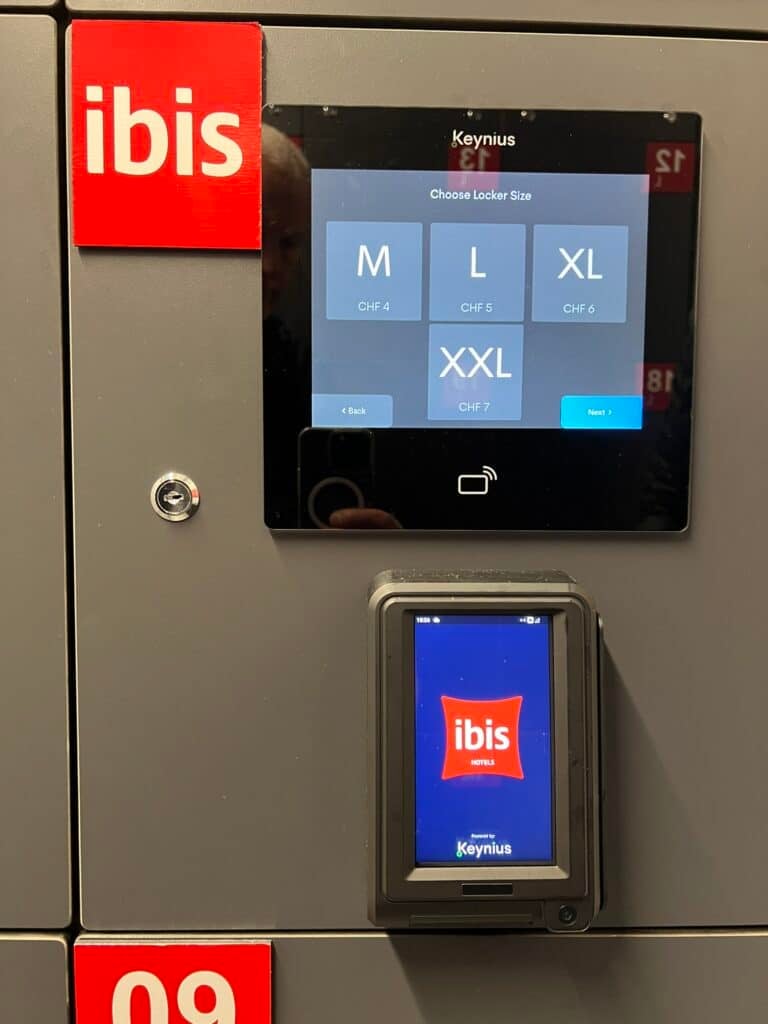
Forward-thinking operators are moving toward automated luggage storage systems.
These systems allow guests to store and retrieve bags independently using secure lockers.
Key benefits include:
Reduced Reception Queues
Guests store bags themselves, eliminating interruptions to check-in workflows.
Improved Security
Each storage transaction is logged digitally, creating a clear chain of custody.
Predictable Space Usage
Lockers provide a controlled footprint rather than expanding baggage piles.
Operational Efficiency
Staff no longer spend time handling luggage manually.
For hotels evaluating the financial impact, tools such as a locker ROI calculator can estimate the operational and revenue benefits of automated storage.
When Hotels Should Upgrade Their Storage System
Not every hotel needs automated storage immediately.
However, luggage storage problems typically become unavoidable when:
- Occupancy regularly exceeds 70–80%
- Early arrivals are common
- Guest queues appear at reception
- Storage areas overflow during peak hours
- Lost property incidents increase
At this stage, the problem is no longer procedural—it is structural.
The Future of Hotel Luggage Storage
As hotels continue to focus on efficiency and guest experience, self-service infrastructure is becoming standard.
Automated storage systems provide a scalable solution that aligns with modern hospitality operations.
Rather than managing luggage manually, hotels can provide secure, convenient storage that works seamlessly with high-volume guest flows.

Key Takeaway
Hotel luggage storage problems are rarely caused by staff or process errors.
They occur when manual systems designed for occasional use are forced to handle peak demand.
By replacing manual baggage handling with automated storage systems such as hotel smart lockers, hotels can eliminate queues, improve operational efficiency, and deliver a better guest experience.