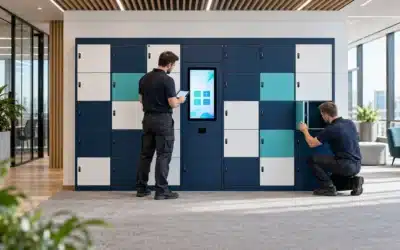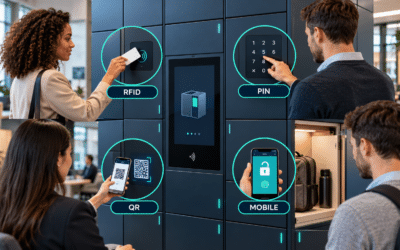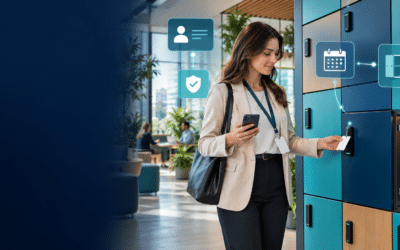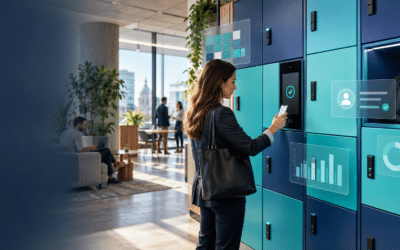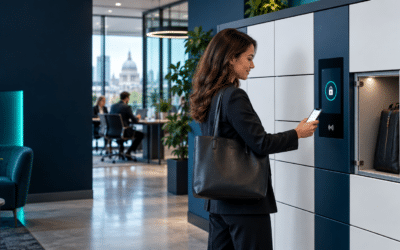
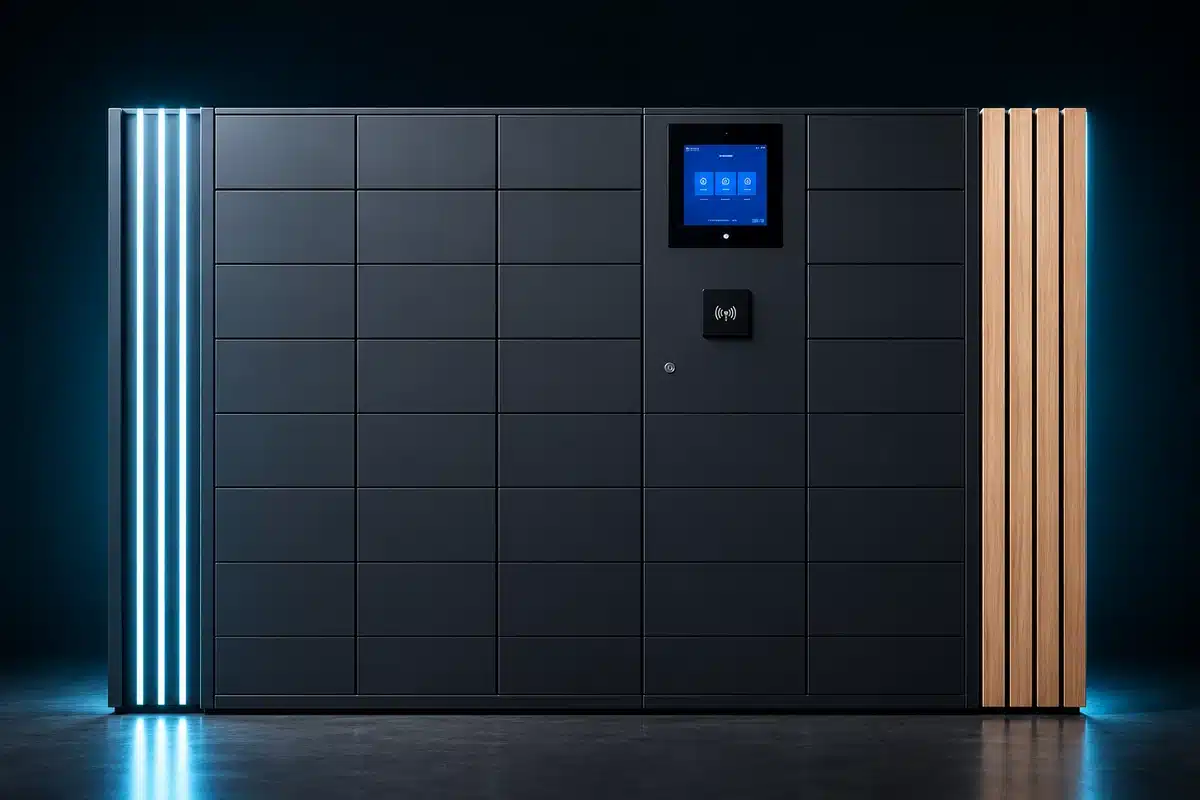
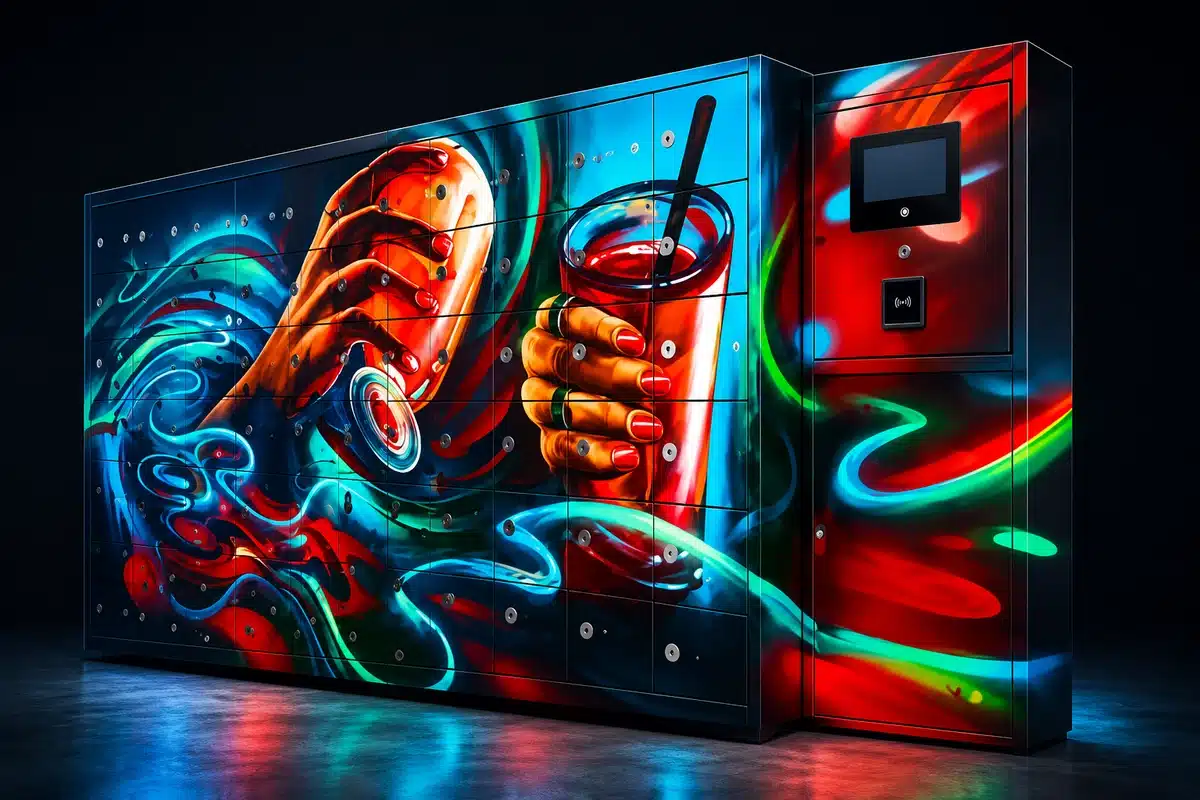

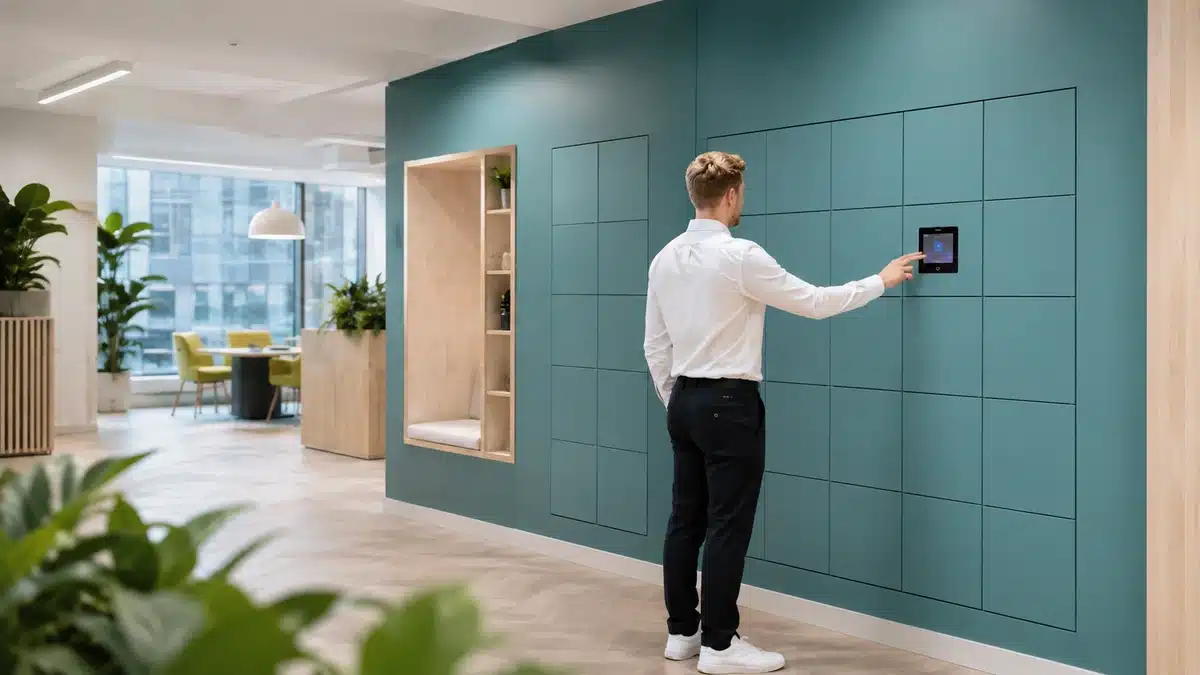
FlipOut Lakeside demonstrates how smart locker revenue share can turn visitor storage into a commercial opportunity. Through a managed deployment of 105 Vpod smart lockers, the venue gained secure self-service storage, reduced administration and a new recurring income stream without purchasing the system upfront.
BLOG
Vpod Smart Locker Resources: Latest insights and news.
These Vpod smart locker resources cover real-world challenges, deployments, and operational improvements across industries.
Smart Locker Best Practice Guide for Venues, Attractions and Events
Discover 25 practical ways to improve venue locker revenue, utilisation, security, customer satisfaction and operational efficiency. Download the guide and book an optional personalised Q&A session to apply the recommendations to your venue.
FacilityOS, LogisticsOS & Vpod Integration Case Study | Connected Parcel Management
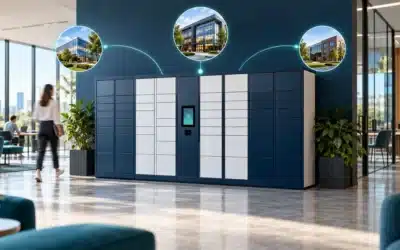
FacilityOS, LogisticsOS and Vpod create a connected parcel-management ecosystem linking parcel receipt, recipient matching, digital chain of custody, smart locker allocation, secure storage, notifications and 24/7 self-service collection. The integration gives facilities and logistics teams greater visibility, stronger security, searchable audit trails and actionable operational insight across the complete parcel journey.
Martyn’s Law for management
Martyn’s Law doesn’t affect one team — it exposes weaknesses across your entire operation.
This video series highlights how different roles experience risk, from security and crowd safety to operations and revenue. Each perspective reveals where queues form, where control is lost, and what needs to change to reduce exposure and meet compliance in real-world conditions.
Martyn’s Law for your role
Explore how Martyn’s Law impacts key venue roles including security, operations, facilities, and compliance teams. Understand responsibilities and how to reduce risk across live environments.
Padel
Smart lockers are transforming padel clubs by removing operational bottlenecks, improving customer experience, and unlocking new revenue streams. By replacing manual storage with self-service systems, clubs can reduce queues, lower staffing pressure, and generate £100k+ annually — all while delivering a faster, more seamless player journey.
Event Storage Solutions | Cloakrooms vs Lockers vs Bag Policies
Compare cloakrooms, smart lockers, and bag policies to find the best event storage solution. Learn how each approach impacts queue length, security throughput, and visitor experience — and discover why smart lockers are transforming event operations.
How to Reduce Event Queues
Learn how to reduce event queues by improving throughput and crowd flow. Discover why queues form, how to eliminate bottlenecks, and how smart locker systems transform event entry performance.
Event Ingress Bottlenecks Explained | Why Entry Systems Fail at Scale
Event ingress is where first impressions are made—and where operations often break down. From insufficient staffing and system failures to slow ID checks and poor surge planning, even well-managed venues can experience critical bottlenecks under peak demand. Understanding the five biggest ingress challenges is essential for improving crowd flow, reducing queues, and delivering a seamless, secure entry experience at scale.
Event Throughput Explained
Event throughput determines how many people can enter a venue per hour — and whether queues form or disappear. Learn how security lanes perform, what limits entry capacity, and how to increase throughput to improve flow, safety, and event operations.
Martyns Law Risk Reduction
Queues are one of the biggest challenges at events, impacting experience, operations, and safety. Learn how to reduce event queues by improving crowd flow, increasing throughput, and eliminating entry bottlenecks.
What Martyn’s Law Means for the Event Industry
Martyn’s Law is reshaping how venues approach security, placing new emphasis on crowd flow and ingress efficiency. This article explores why entry queues and bag handling are now critical risks—and how smart locker systems can dramatically improve throughput, safety and event profitability.