




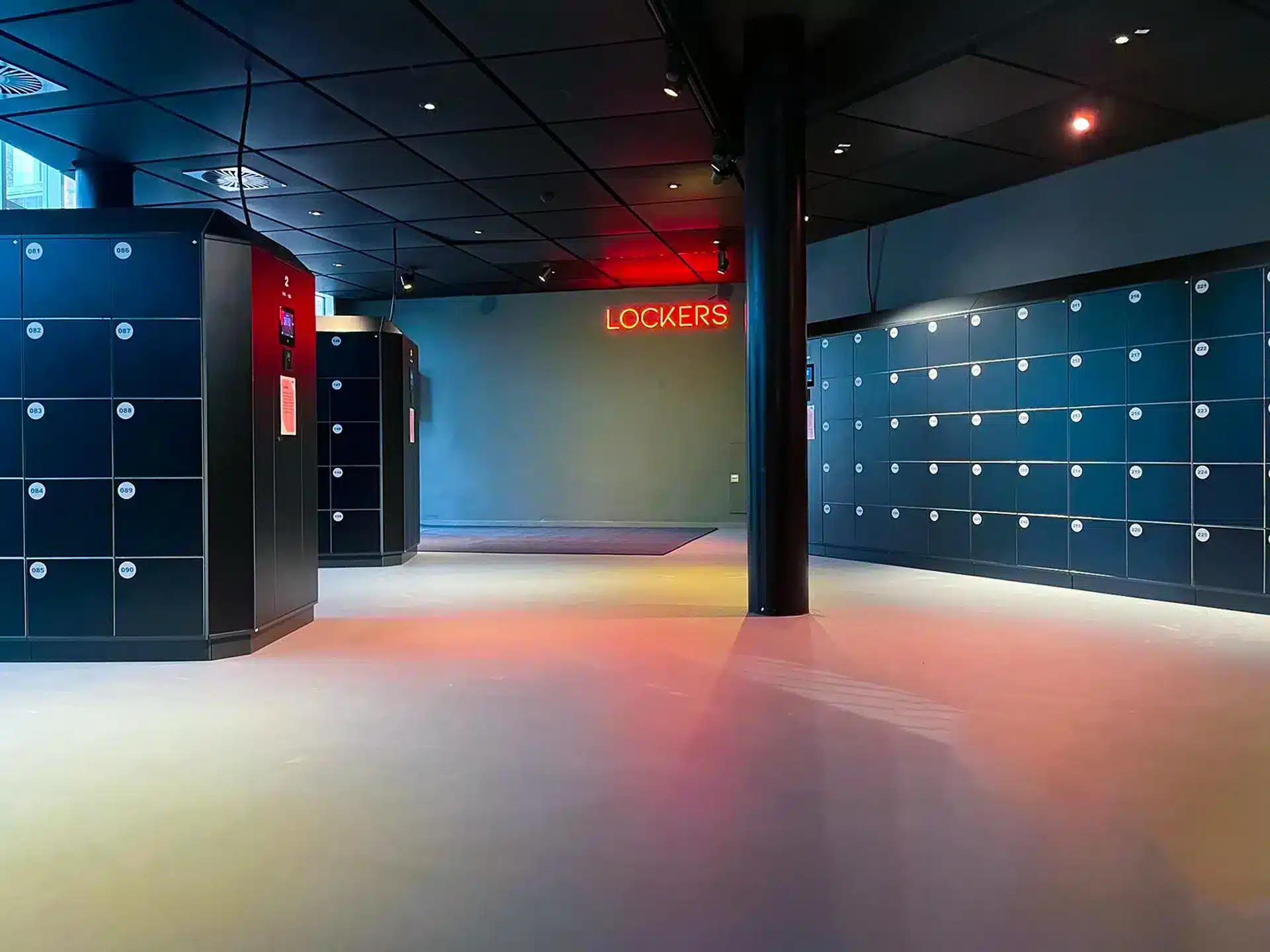
The Science of Event Ingress: Why Infrastructure Outperforms Temporary Storage
Temporary storage solutions solve short-term problems — but they don’t scale.
Pop-up cloakrooms, portable units, and bag drop zones rely on manual processes that introduce queues, staffing pressure, and inconsistent performance at peak demand.
This video breaks down the science behind event ingress and shows why permanent locker infrastructure delivers faster flow, higher throughput, and predictable operations at scale.
- See how designed systems outperform temporary fixes in real-world event environments.
Temporary Storage vs Venue Lockers — Quick Comparison
Temporary Storage Solutions
Venue Lockers (Smart Lockers)
Venue Lockers vs Temporary Storage Solutions — Full Comparison
Temporary storage = operational burden at scale
Venue lockers = controlled, revenue-generating infrastructure
The difference: managing problems vs eliminating them
Temporary Storage Solutions
What Are Temporary Storage Solutions?
Short-Term, Event-Based Storage
Temporary storage is typically used for one-off events, overflow capacity, or seasonal demand where permanent infrastructure is not in place.
Common Types of Temporary Storage
Temporary solutions include pop-up cloakrooms, staffed bag drop areas, portable storage units, and temporary tents or designated storage zones.
How Temporary Storage Works
Items are managed manually by staff, relying on labour-intensive processes and temporary setups that must be rebuilt for each event.
Key Limitation: Not Designed for Scale
Temporary storage solutions struggle under peak demand, creating queues, staffing pressure, and operational inefficiencies.
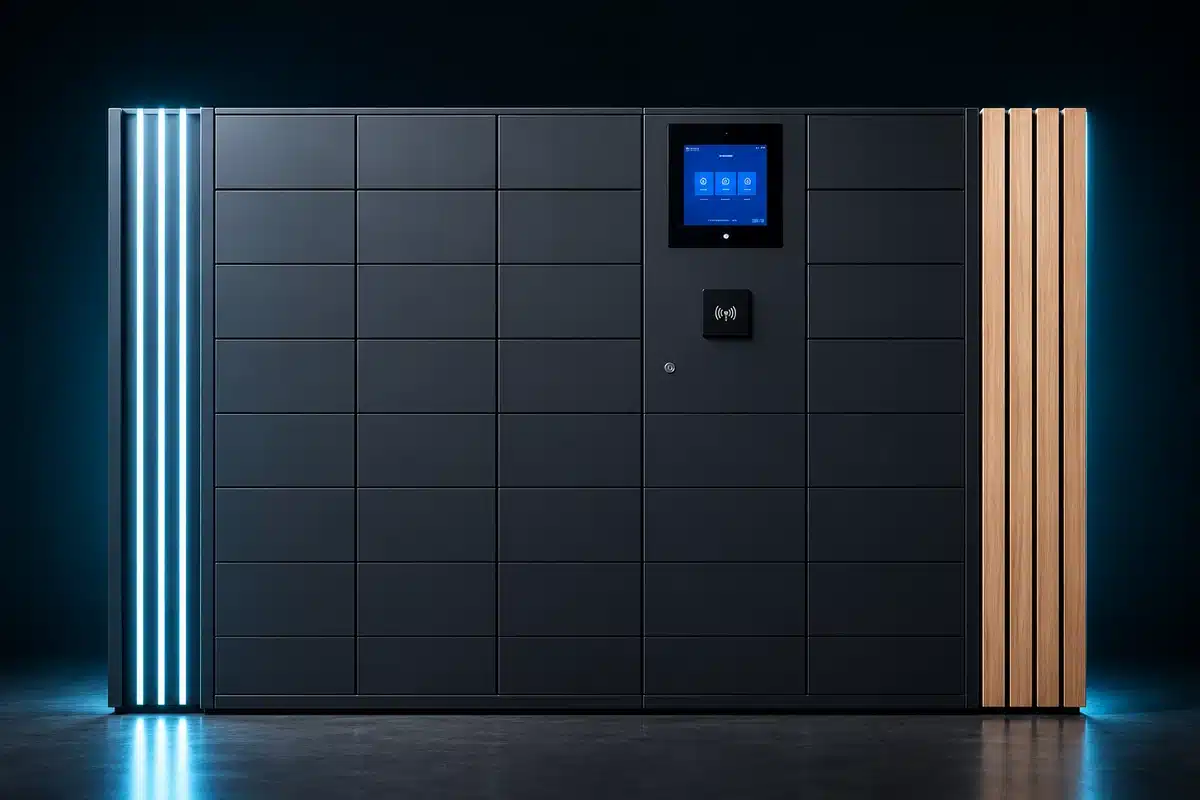
What Are Venue Lockers?
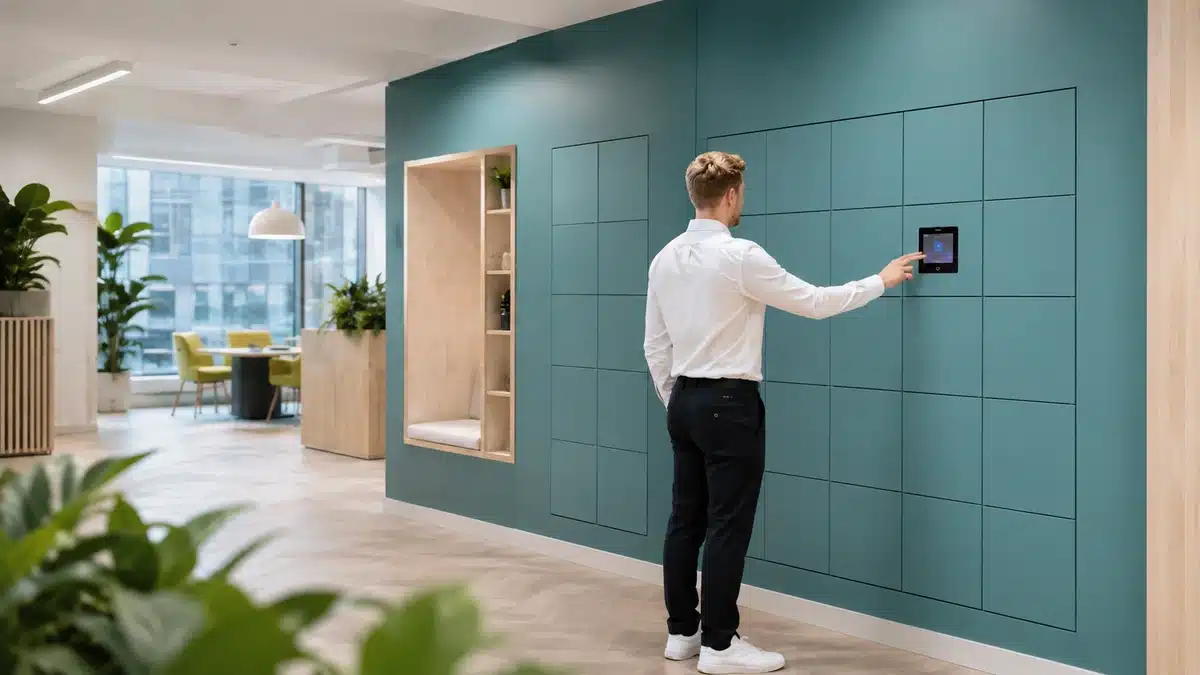
How They Work
- Users store items independently
- Digital access (PIN / QR / mobile)
- Automated management
Key Advantage
- Designed as operational infrastructure
Speed & Throughput Comparison
Temporary Storage
- Manual handling
- 20–60 sec per item
- Queues during peak
Venue Lockers
- 5–10 sec per transaction
- High throughput
- Continuous flow
See how locker systems increase throughput and remove bottlenecks during peak event entry periods.
Queue & Congestion Impact
Temporary Storage
- Queues form quickly
- Staff become bottlenecks
- Congestion builds at entry
Venue Lockers
- Distributed usage
- No staff bottleneck
- Reduced congestion
Staffing Requirements
Temporary Storage
- Large teams required
- Setup and coordination
- Ongoing supervision
Venue Lockers
- minimal staffing
- automated operation
- lower operational burden
Operational Consistency
Temporary Solutions
- Vary by event
- Dependent on staff
- Inconsistent experience
Venue Lockers
- Repeatable system
- Consistent process
- Predictable performance
Security, Risk & Compliance (Martyn’s Law Impact)
Temporary Storage Risks
Temporary storage introduces security gaps through manual handling, limited audit trails, and reduced control over who accesses stored items.
- No clear tracking of items
- Increased risk of loss or disputes
- Congestion around storage areas
Venue Lockers: Controlled & Auditable Security
Venue lockers provide structured, system-controlled storage that improves accountability and reduces operational risk.
- Digital access logs and full audit trails
- Controlled, individual storage compartments
- Reduced congestion at entry points
Why This Matters for Martyn’s Law
Modern event regulations emphasise controlled environments, reduced congestion, and clear accountability.
Venue lockers support:
- Safer, more controlled ingress
- Reduced perimeter risk
- Improved operational oversight
Cost Comparison
Temporary Storage
- Recurring setup costs
- Staffing costs
- Inefficiency costs
Venue Lockers
- Upfront investment
- Lower ongoing costs
- Scalable economics
Revenue Opportunity
Temporary Storage
- Rarely monetised
- Difficult to manage payments
Venue Lockers
- Pay-per-use model
- Integrated payments
- Scalable revenue
Example:
- 3,500 users × £6
= £21,000 per event
See how smart locker systems turn event storage into a scalable, revenue-generating operation.
Real-World Scenario
10,000 Visitor Event
Temporary Storage
- Queues at peak
- High staffing
- Inconsistent performance
Venue Lockers
- Fast transactions
- Minimal staff
- Predictable flow
When to Use Each Storage Option
Temporary storage for one-off events
Temporary storage for very low visitor volume
Temporary storage where no permanent infrastructure is possible
Venue lockers for recurring or high-volume events
Venue lockers to reduce queues and generate revenue
The Strategic Difference
Temporary storage is:
- Reactive
Venue lockers are:
- Designed infrastructure