

Leisure Lockers vs Coin Lockers | Why Coin-Operated Lockers No Longer Work

Compare traditional coin-operated lockers vs modern leisure locker systems to understand which delivers better security, efficiency, and user experience.

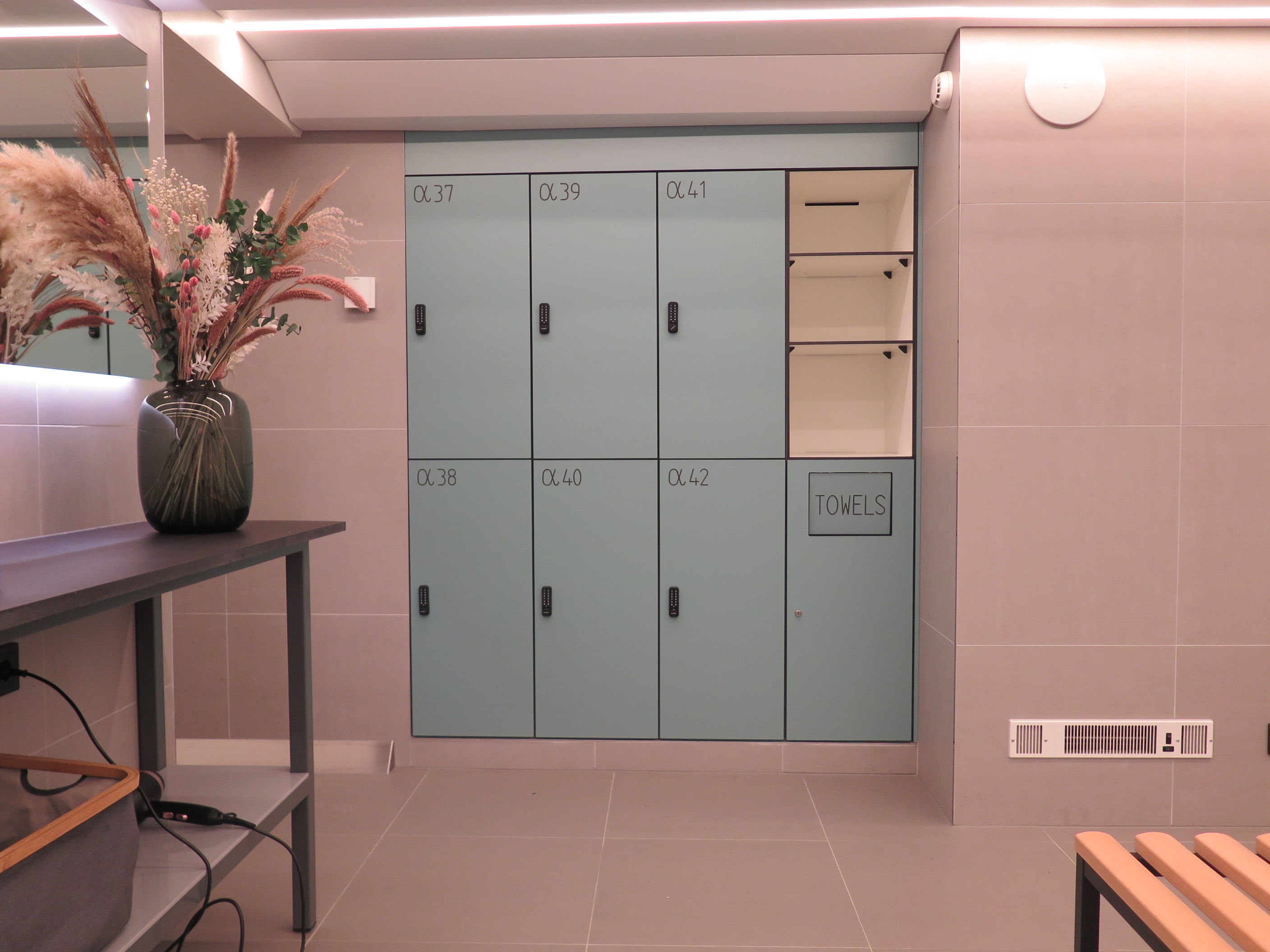
Coin lockers have been a standard in leisure environments for decades.

But today, they create more problems than they solve:

  • Lost coins
  • Broken locks
  • Misuse
  • Manual maintenance

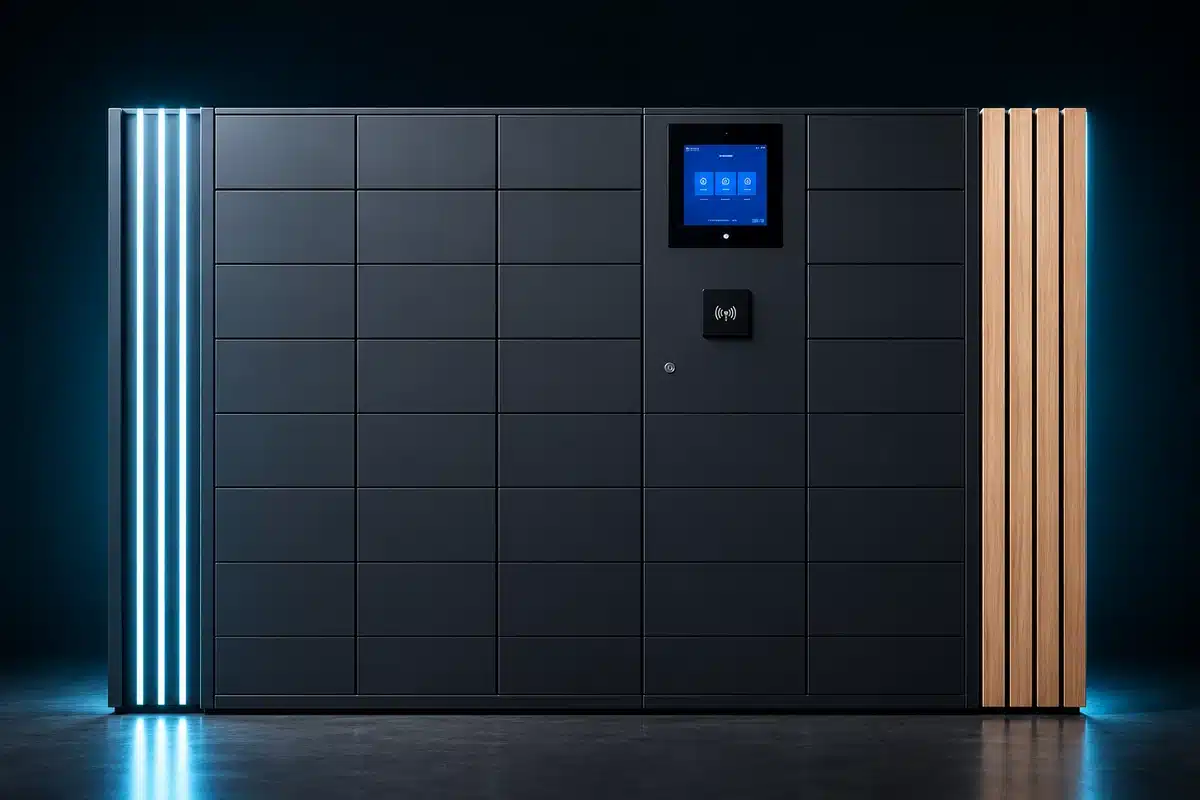
Modern leisure operators are replacing them with smart lockers.

Because storage is no longer just about access – it’s about control, efficiency, and experience.

See how leisure locker systems improve operational efficiency, reduce maintenance, and enhance user experience in high-footfall environments.

From Coin Lockers to Smart Lockers: The Modern Leisure Upgrade

Coin-operated lockers were built for a different era — one where cash, keys, and manual systems were the norm. Today, they create friction, maintenance issues, and inconsistent user experiences across leisure environments.

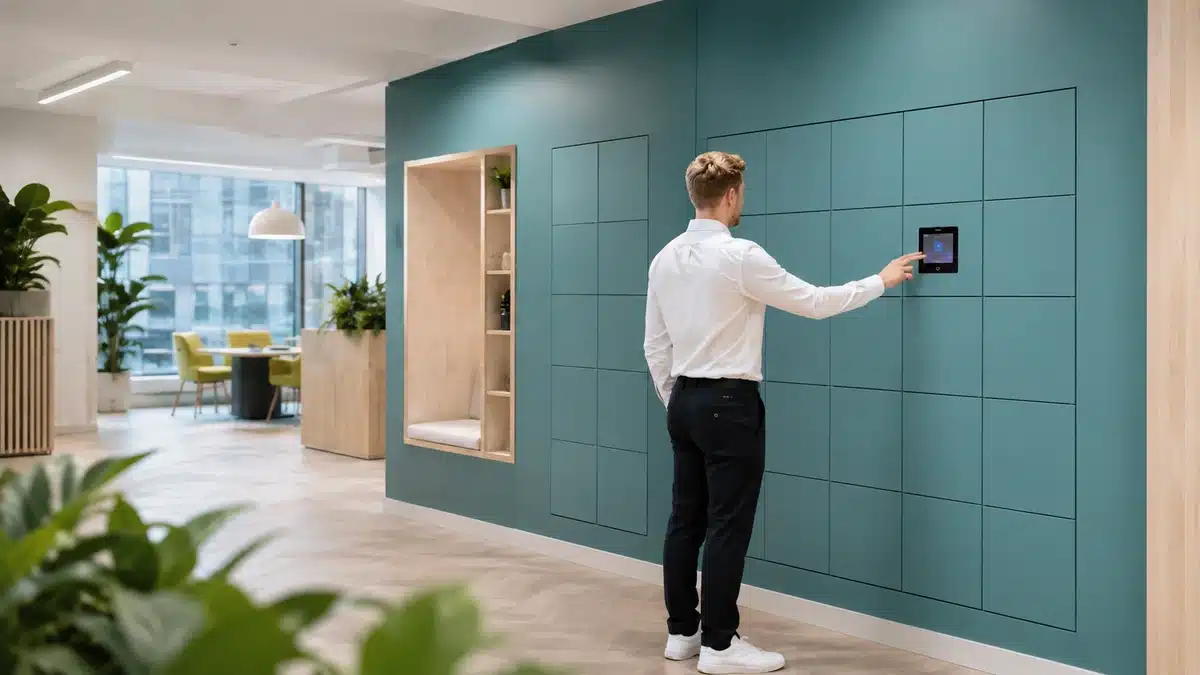
This video shows how smart locker systems transform gyms, leisure centres, and padel clubs by replacing outdated coin mechanisms with secure, self-service digital access. See how modern locker infrastructure improves reliability, reduces staff involvement, and delivers a faster, more seamless experience for every user.

Discover how leisure operators are upgrading from mechanical lockers to connected, high-performance storage systems.

Explore how smart locker systems improve flow and reduce congestion across gyms, leisure centres, and padel clubs.

Coin Lockers vs Smart Lockers — Quick Comparison

Coin Lockers (Traditional)
Friction-heavy user experience
High maintenance and frequent faults
Basic security with no audit trail
Frequent staff intervention required
Limited scalability and no visibility
Smart Leisure Lockers (Digital)
PIN, app, or card access
Seamless self-service experience
Low maintenance, reliable system
Advanced, fully auditable security
Controlled usage with defined rules
Scalable with real-time data and control

Coin Lockers vs Smart Lockers — Full Comparison

User experience, payment friction, and reliability
Maintenance, staffing impact, and operational efficiency
Security, scalability, and long-term commercial value
Category
Operational Model
Access Method
Setup & Infrastructure
Daily Operation
Throughput
Transaction Speed
Queue Formation
Locker Availability
Misuse Risk
Maintenance Requirement
Mechanical Reliability
Staff Involvement
Staff Productivity
User Experience
Payment Experience
Consistency
Security
Audit Trail
Accountability
Dispute Resolution
Space Utilisation
Peak-Time Performance
Scalability
Multi-Site Management
Reporting & Data
Visibility
Revenue Model
Revenue Tracking
Cost to Operate
Cash Handling
Operational Risk
Guest Satisfaction
Brand Perception
Long-Term Viability
Overall Outcome
Coin Lockers (Traditional)
Mechanical, user-dependent
Coins required
Coin-operated hardware
Manual, reactive
Slows during peak demand
Variable (coin handling)
Delays when users need coins
Unpredictable
High (bypassed or held lockers)
High (coin mechanisms fail)
Prone to jams and faults
Frequent issue resolution
Reduced by interruptions
Friction-heavy, outdated
Requires exact coins
Varies by usage and condition
Basic, no user tracking
None
Limited
Difficult
Inefficient, long occupancy
Breaks under demand
Limited
Not possible
None
No usage insight
Fixed coin pricing
Manual or none
High ongoing maintenance
Required
High (failures, complaints)
Inconsistent
Outdated
Declining
Simple but inefficient
Smart Leisure Lockers (Digital)
Automated, system-controlled
PIN, app, RFID access
Digital locker system
Fully self-service
High-speed, continuous flow
~5–10 seconds per use
Minimal / no queues
Controlled, predictable
Low (time-controlled usage)
Low (minimal moving parts)
Highly reliable system
Minimal intervention
Protected for core tasks
Seamless, modern
Cashless, digital payments
Standardised experience
Secure, auditable access
Full usage logs
User-linked accountability
Data-backed resolution
Optimised, high turnover
Easily scalable
Centralised control
Real-time analytics
Full operational visibility
Flexible digital pricing
Automated tracking
Lower cost-to-serve
Eliminated
Low (controlled system)
Improved experience
Modern, premium
Future-proof solution
Scalable, high-performance system
Coin Lockers (Traditional)
Operational Model
Mechanical, user-dependent
Access Method
Coins required
Setup & Infrastructure
Coin-operated hardware
Daily Operation
Manual, reactive
Throughput
Slows during peak demand
Transaction Speed
Variable (coin handling)
Queue Formation
Delays when users need coins
Locker Availability
Unpredictable
Misuse Risk
High (bypassed or held lockers)
Maintenance Requirement
High (coin mechanisms fail)
Mechanical Reliability
Prone to jams and faults
Staff Involvement
Frequent issue resolution
Staff Productivity
Reduced by interruptions
User Experience
Friction-heavy, outdated
Payment Experience
Requires exact coins
Consistency
Varies by usage and condition
Security
Basic, no user tracking
Audit Trail
None
Accountability
Limited
Dispute Resolution
Difficult
Space Utilisation
Inefficient, long occupancy
Peak-Time Performance
Breaks under demand
Scalability
Limited
Multi-Site Management
Not possible
Reporting & Data
None
Visibility
No usage insight
Revenue Model
Fixed coin pricing
Revenue Tracking
Manual or none
Cost to Operate
High ongoing maintenance
Cash Handling
Required
Operational Risk
High (failures, complaints)
Guest Satisfaction
Inconsistent
Brand Perception
Outdated
Long-Term Viability
Declining
Overall Outcome
Simple but inefficient
Smart Leisure Lockers (Digital)
Operational Model
Automated, system-controlled
Access Method
PIN, app, RFID access
Setup & Infrastructure
Digital locker system
Daily Operation
Fully self-service
Throughput
High-speed, continuous flow
Transaction Speed
~5–10 seconds per use
Queue Formation
Minimal / no queues
Locker Availability
Controlled, predictable
Misuse Risk
Low (time-controlled usage)
Maintenance Requirement
Low (minimal moving parts)
Mechanical Reliability
Highly reliable system
Staff Involvement
Minimal intervention
Staff Productivity
Protected for core tasks
User Experience
Seamless, modern
Payment Experience
Cashless, digital payments
Consistency
Standardised experience
Security
Secure, auditable access
Audit Trail
Full usage logs
Accountability
User-linked accountability
Dispute Resolution
Data-backed resolution
Space Utilisation
Optimised, high turnover
Peak-Time Performance
Optimised, high turnover
Scalability
Easily scalable
Multi-Site Management
Centralised control
Reporting & Data
Real-time analytics
Visibility
Full operational visibility
Revenue Model
Flexible digital pricing
Revenue Tracking
Automated tracking
Cost to Operate
Lower cost-to-serve
Cash Handling
Eliminated
Operational Risk
Low (controlled system)
Guest Satisfaction
Improved experience
Brand Perception
Modern, premium
Long-Term Viability
Future-proof solution
Overall Outcome
Scalable, high-performance system

How Coin Lockers Work

Typical Setup
  • Users insert coins
  • Locker locks manually
  • Coin returned or retained depending on system
Common Issues
  • Coins not available
  • Mechanisms jam or fail
  • Lost or stuck coins
  • Inconsistent usage

How Smart Leisure Lockers Work

Typical Setup
  • Digital access (PIN, RFID, mobile)
  • Automated locker allocation
  • Time-controlled usage
Key Benefits

The Biggest Problem with Coin Lockers

Payment Friction & Mechanical Failure
  • Users need correct coins
  • Delays at peak times
  • Coin jams and broken locks
  • Frequent maintenance calls
Misuse & Lack of Control
  • Lockers left occupied
  • Coins bypassed or manipulated
  • No visibility or accountability


Maintenance & Facilities Burden

Coin Lockers
  • Frequent repairs
  • Coin collection required
  • Manual resets
Smart Lockers
  • No moving coin parts
  • Remote monitoring
  • Fewer failures

Staff Involvement

Coin Locker Model
  • Staff resolve issues
  • Manage complaints
  • Handle refunds
Smart Locker Model
  • Self-service
  • Automated processes
  • Minimal intervention

User Experience

Coin Lockers
  • Inconvenient
  • Outdated
  • Unreliable
Smart Lockers
  • Fast
  • Intuitive
  • Modern

Security & Accountability

Coin Lockers
  • No user tracking
  • Limited accountability
  • Disputes difficult to resolve
Smart Lockers
  • Full audit trail
  • User-linked access
  • Controlled usage

Revenue & Commercial Model

Coin Lockers
  • Fixed coin pricing
  • Limited flexibility
  • Cash handling required
Smart Lockers

Space Utilisation

Coin Lockers
  • Inefficient usage
  • Long-term occupation
  • Poor turnover
Smart Lockers
  • Time-controlled access
  • Higher turnover
  • Optimised usage

Real-World Scenario

Busy Gym / Leisure Centre

Coin Lockers
  • Users searching for coins
  • Broken lockers out of service
  • Staff resolving issues
Smart Lockers
  • Instant access
  • High availability
  • Smooth operation

When Coin Lockers Still Exist

Only viable if:
Very low usage
Legacy infrastructure
No upgrade budget

When Smart Lockers Are Essential

Recommended if:

  • High footfall
  • Premium experience
  • Need to reduce maintenance
  • Desire for revenue generation

The Strategic Difference

Coin lockers are:

  • Outdated hardware

Smart lockers are:

  • Connected operational systems

This is the difference between:

  • Managing problems daily vs eliminating them permanently

Explore smart locker solutions designed for high-demand leisure environments and multi-site operators.

Final Verdict

Coin lockers are simple but inefficient, while smart lockers deliver a scalable, efficient, and future-ready system—making them the new standard for modern leisure environments.

Upgrade from coin-operated lockers to a modern, scalable smart locker system that improves reliability, reduces maintenance, and enhances user experience.

Upgrade from outdated coin lockers to a modern, scalable solution that improves user experience, reduces maintenance, and delivers better operational control.