


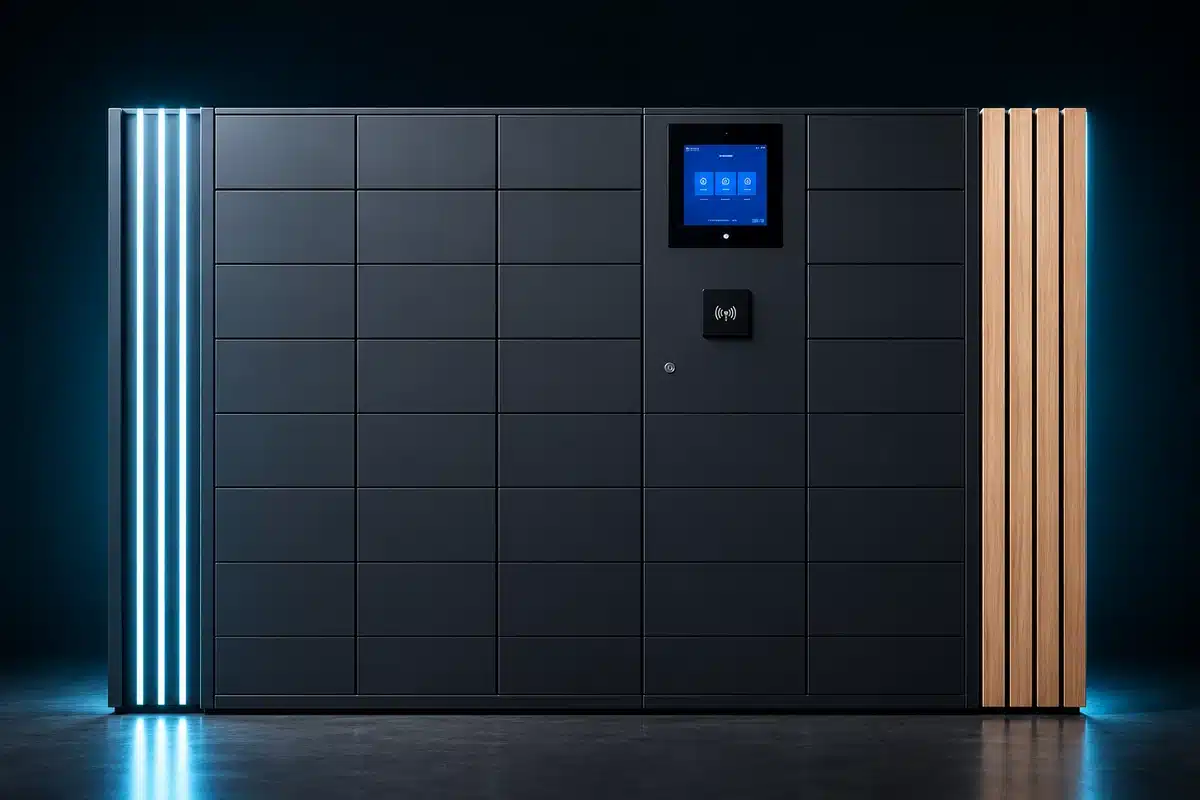





What Is Crowd Safety Risk in Leisure Venues?
Crowd safety risk refers to the potential for harm caused by:
- Overcrowding
- Restricted movement
- Poor crowd flow
- Delayed response times
This applies across:
- Stadiums and arenas
- Theme parks
- Festivals and outdoor events
- Entertainment complexes
- Public attractions
The key issue:
Risk increases when density increases and movement decreases.
Why Crowd Safety Risk Increases at Scale
1. Crowd Density Increases Exponentially
As attendance grows:
- More people occupy the same space
- Movement becomes restricted
- Builds within the crowd
At high density:
- Small disruptions can escalate quickly
- Individual control is reduced
2. Movement Is Not Continuous
Crowd movement happens in surges:
- Entry peaks
- Interval or half-time movement
- Exit waves
These surges create:
- Sudden congestion
- Pressure on infrastructure
- Temporary overcrowding
3. Bottlenecks Create Points
Key friction areas include:
- Entry gates
- Security checkpoints
- Concessions
- Restrooms
- Storage and cloakrooms
When flow slows:
- People accumulate
- Density increases
- Risk escalates
4. Queues Become High-Risk Zones
Queues are often:
- Static
- Dense
- Uncontrolled
This is particularly dangerous:
- Outside venues
- At perimeter entry points
- In confined internal spaces
The most dangerous place is often where people are waiting, not moving.
→ Compare cloakroom vs locker for event security
See how Martyn’s Law identifies queue build-up and ingress delays as critical safety risks
→ Learn why venue ingress is one of the highest-risk areas under Martyn’s Law
5. Limited Visibility Reduces Control
At scale:
- Staff cannot see all areas
- Issues are detected late
- Response times increase
This leads to:
- Delayed intervention
- Escalation of incidents
6. Human Behaviour Becomes Unpredictable
In large crowds:
- Stress increases
- Patience decreases
- Behaviour changes
This can lead to:
- Pushing
- Surging
- Panic reactions

The Hidden Triggers of Crowd Risk
Entry Delays
Bag Handling and Security Friction
Poor Space Design
Lack of Real-Time Control
The Impact of Crowd Safety Failures
Increased Risk of Injury
High-density environments can lead to:
- Trips and falls
- Crushing or crowd surges
- Emergency incidents
Operational Delays
High crowd density and venue congestion can lead to:
- Slower venue entry
- Reduced crowd movement
- Increased queue pressure
- Delayed response times
- Higher operational pressure on staff
Compliance and Legal Risk
Under regulations like Martyn’s Law:
- Venues must manage crowd risk
- Points must be mitigated
Failure can result in:
- Legal exposure
- Regulatory penalties
- Operational disruption
- Reputational damage
Financial and Reputational Damage
Incidents lead to:
- Compensation claims
- Negative media coverage
- Loss of customer trust
Poor Visitor Experience
Even without incidents:
- Congestion reduces enjoyment
- Movement becomes stressful
- Experience quality declines
The Core Problem: Too Many People, Not Enough Flow
The Core Problem: Poor Crowd Flow
Crowd safety risk is not caused by crowd size alone. It increases when venues cannot manage crowd movement efficiently at scale.
When movement slows:
- Congestion increases
- Bottlenecks form
- Queue pressure grows
- Crowd density rises
- Operational visibility decreases
As crowd density increases, crowd safety risk escalates across entry points, security checkpoints, walkways, and public spaces.
The Biggest Hidden Driver of Crowd Risk: Friction
Across leisure venues, one factor consistently increases crowd safety risk:
Friction in movement.
This includes:
- Security delays
- Bag checks and manual handling
- Storage and cloakroom queues
- Narrow access points
- Slow venue ingress
The more friction a venue creates, the harder it becomes to maintain safe crowd movement during peak demand.
Remove friction…
…and crowd flow improves.
The Scalable Solution: Design for Continuous Crowd Flow
The safest high-volume venues are not those with the most restrictions.
They are the venues with the most efficient crowd movement systems.
To improve crowd safety, venues must create environments that are:
- Structured
- Scalable
- Efficient
- Easy to navigate
- Designed for continuous movement
Pre-Entry Smart Locker Systems
Smart locker systems improve crowd flow and reduce congestion by removing bags before visitors enter security and high-density areas.
Faster Venue Entry
Reducing bag handling improves security throughput and speeds up venue ingress.
Reduced Queue Formation
Fewer delays at entry points help lower queue pressure and reduce external crowd density.
Improved Crowd Movement
Less congestion around walkways, storage areas, and checkpoints supports more efficient visitor movement throughout the venue.
Reduced Operational Pressure
Automated storage systems reduce manual handling and improve operational control during peak attendance periods.
Better Real-Time Visibility
Smart locker systems help venues improve crowd monitoring, reduce congestion hotspots, and maintain safer operational flow.
Real Operational Impact
With improved crowd flow systems:
- Crowd density decreases
- Queue pressure is reduced
- Bottlenecks are minimised
- Venue entry becomes faster
- Operational visibility improves
- Crowd safety risk decreases
- Compliance becomes easier to manage
See: /solutions/event-smart-lockers/
Compare: /cloakrooms-vs-lockers-event-security/
Explore: /martyns-law-event-security/
Why Crowd Flow Matters for Leisure Venues
In stadiums, arenas, festivals, entertainment venues, and public attractions, visitor movement directly impacts safety, operational efficiency, and overall experience.
Poor crowd flow can lead to:
- Delayed entry
- Congestion hotspots
- Increased staff pressure
- Slower emergency response
- Poor visitor experience
- Increased compliance risk
Therefore, crowd flow management is no longer just an operational consideration — it is a critical part of modern venue safety strategy.
Better Crowd Flow Reduces Risk
Crowd safety risk increases when venues cannot manage movement efficiently at scale.
As attendance grows:
- Bottlenecks form
- Density increases
- Queue pressure escalates
- Operational control decreases
Crowd Flow Management Process
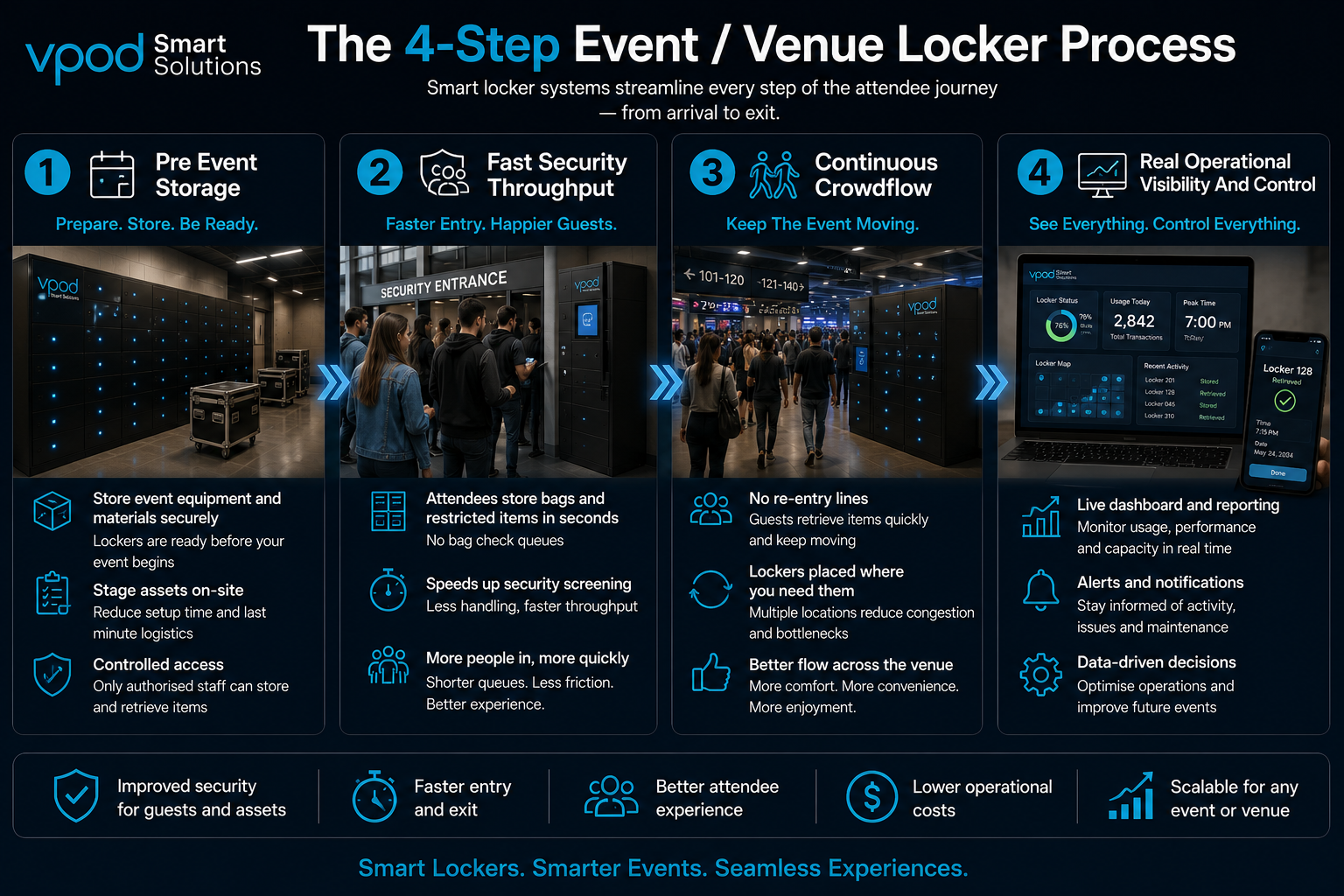
Traditional Crowd Control vs Smart Locker Flow Management




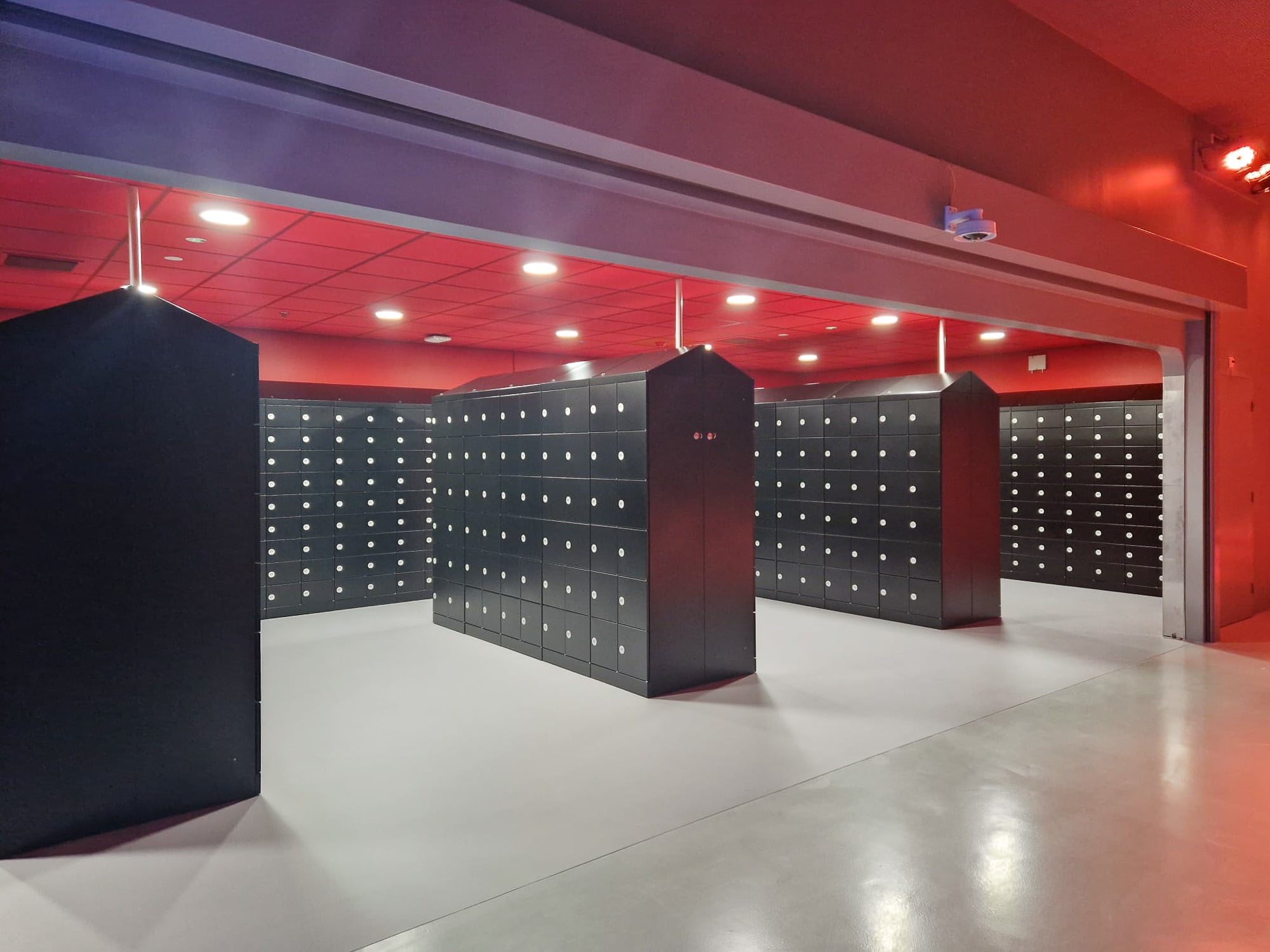
Real-World Venue Results
AFAS Live — Large-Scale Venue Operations
AFAS Live deployed CrowdStor smart lockers to reduce cloakroom congestion, improve crowd flow, and support faster venue exit during high-volume events.
Deployment Results:
- 56% reduction in post-concert exit times
- Reduced queue congestion
- Improved crowd flow
- Reduced staff pressure
Smart Crowd Flow Management
Venue Operations Manager / Event Operations Director & Security / Crowd Safety Manager
Venue Operations Manager / Event Operations Director
Areas of Responsibility
- Crowd flow and venue movement
- Entry and exit operations
- Queue management
- Visitor experience
- Venue throughput
- Operational efficiency during peak demand
Areas of Concern
- Entry congestion
- Crowd bottlenecks
- Delayed venue ingress
- Queue pressure
- High-density areas
- Maintaining crowd flow at scale
Pain Points
- Long entry queues
- Security delays slowing throughput
- Congestion around entrances
- Poor visibility across crowd movement
- Staff pressure during peak periods
- Slower ingress increasing crowd risk