







Guide : Why Collection Staffing Costs Spiral at Scale

What’s Really Happening
Manual collection requires staff to:
- Locate items
- Verify ownership
- Retrieve and hand over goods
- Manage queues
Each interaction is sequential and staff-led.
One staff member = one transaction at a time
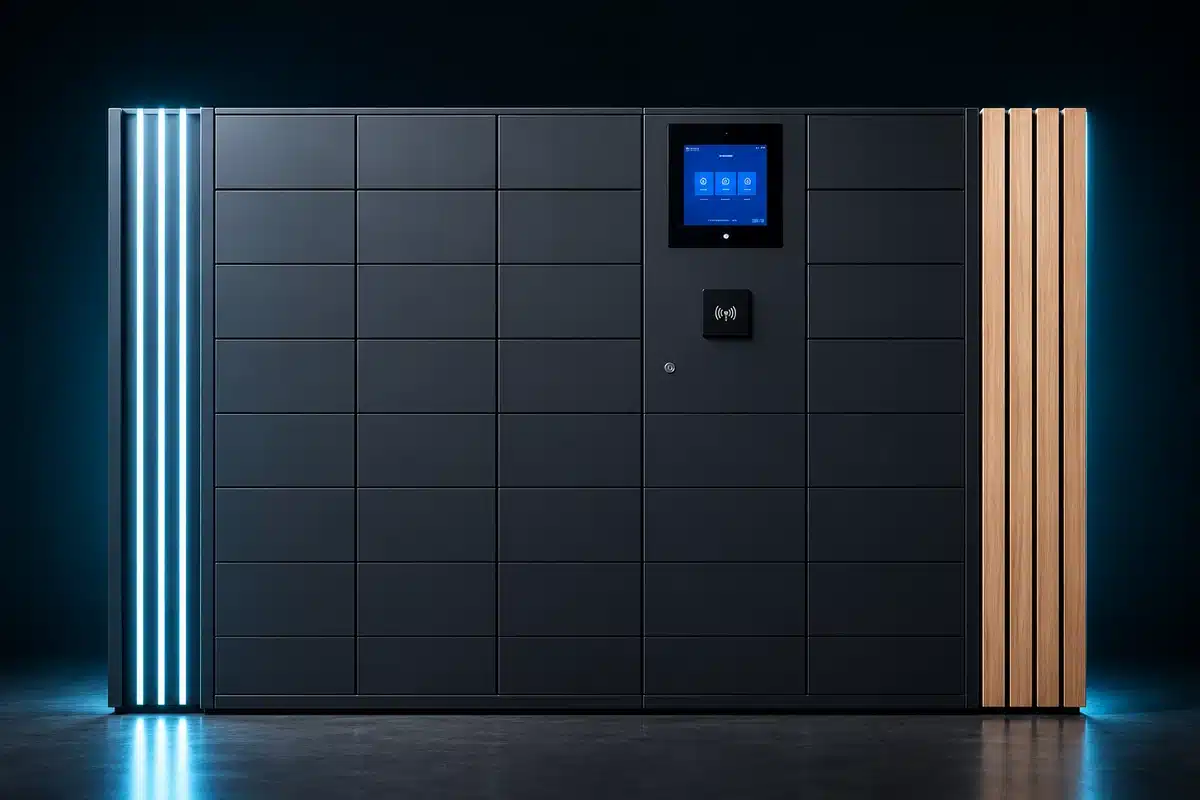
Retail Collection Locker Solutions
Why Staffing Costs Increase at Scale

Why Costs Escalate at Scale
Labour scales with demand
- More collections → more staff → higher cost
- Linear cost growth with volume
Peak demand drives overstaffing
- Short, intense collection windows
- Staff hired for peak, underutilised off-peak
Inefficient labour use
Queues increase pressure and cost
- Longer queues → more staff deployed
- Staff speed drops under pressure
- Errors increase
More demand → more queues → more cost
Retrieval time drives cost per transaction
- Searching and verification slow throughput
- Fewer collections per hour, higher unit cost
Staff become the bottleneck
- Throughput limited by human capacity
- Performance varies by individual
Inconsistent service, limited scalability
Errors create hidden costs
- Misplaced items
- Incorrect handovers
- Disputes and investigations
Additional labour and compensation costs
Guide : Why Traditional Fixes Don't Work

The Hidden Cost Multipliers
Rising Cost Per Collection
- Efficiency drops at scale
- Cost per transaction increases
Management Overhead
- More supervisors
- More coordination
- Greater complexity
Time = Cost
- Delays in retrieval and queues directly increase labour spend
Opportunity Cost
- Staff tied up in collection cannot support revenue-generating activity
Why Traditional Fixes Fail
They optimise labour—but don’t remove dependency on it:
- More staff → higher cost
- Better training → marginal gains
- Process improvements → limited impact
- Larger collection areas → higher space cost
These approaches do not change the cost structure
Guide : How To Solve the Staff Collection Cost Problem
The Core Problem
Collection systems are built on:
- Sequential processing
- Human interaction
- Fixed capacity per staff member
At scale:
Labour becomes both the biggest cost and the biggest constraint
The Scalable Alternative Automated, self-service collection systems
Why It Works
Removes labour from the transaction
- No manual handover
- No queue management
Enables parallel processing
- Multiple users collect simultaneously
- No staff bottleneck
Reduces cost per transaction
- Higher volume without increasing staff
- Lower operating cost
Handles peak demand efficiently
- No need to overstaff
- System scales automatically
Improves control and accuracy
- Automated tracking
- Fewer errors and disputes
Operational Outcome
Automated collection delivers:
- Significant reduction in labour costs
- Lower cost per collection
- Increased throughput
- Stable staffing requirements
- Predictable ROI
Operational Outcome
Automated audit trails deliver:
- 100% transaction visibility
- Reduced loss and misplacement
- Improved compliance
- Faster issue resolution
- Stronger customer trust
The Bottom Line
Bottom Line
Collection staffing costs don’t rise due to poor management.
They rise because:
The system depends on labour to scale.
At scale:
- Costs increase
- Efficiency decreases
- Complexity grows
The solution is not to reduce staff.
It’s to remove labour from the transaction entirely.