




What Is Revenue-Generating Self-Service Storage?
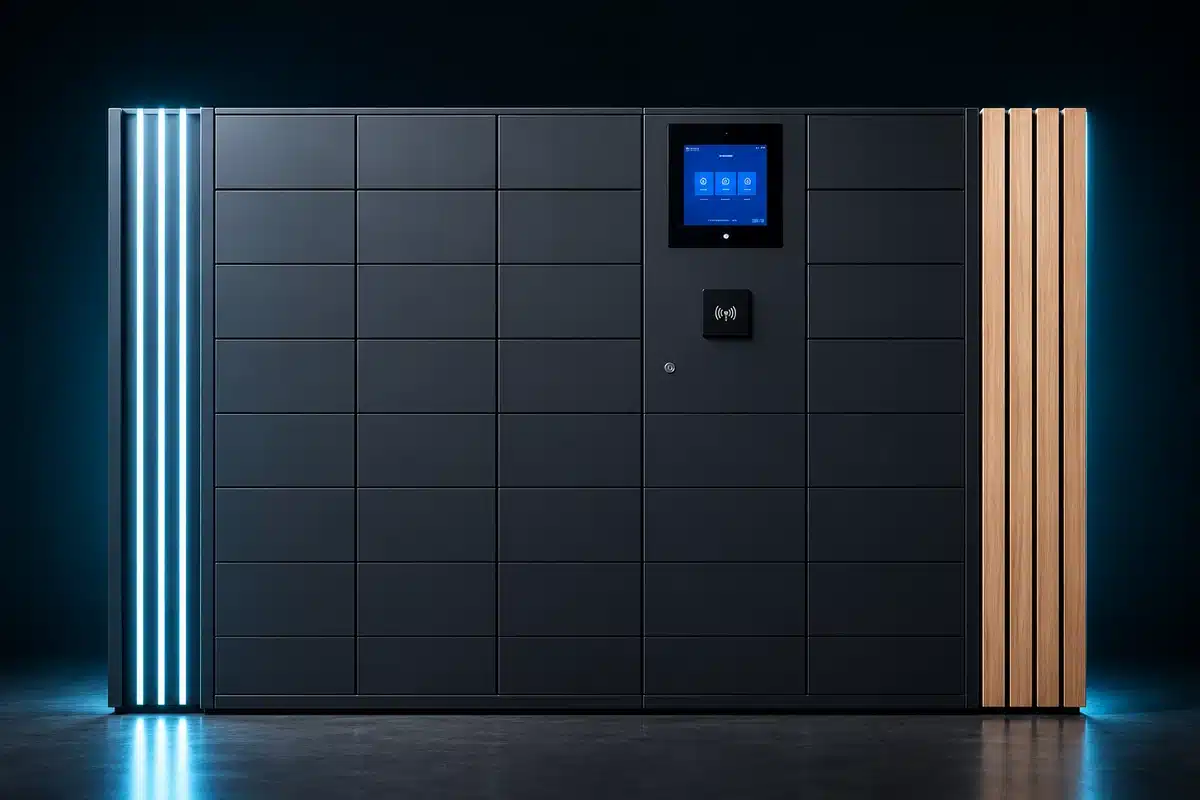
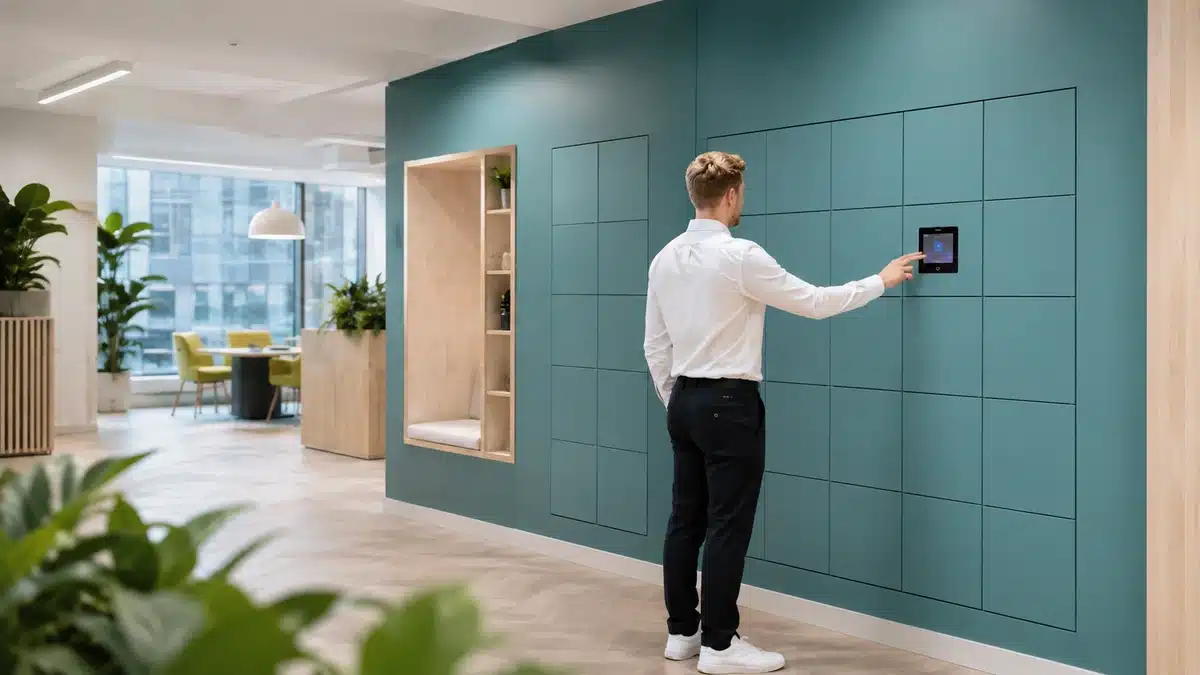
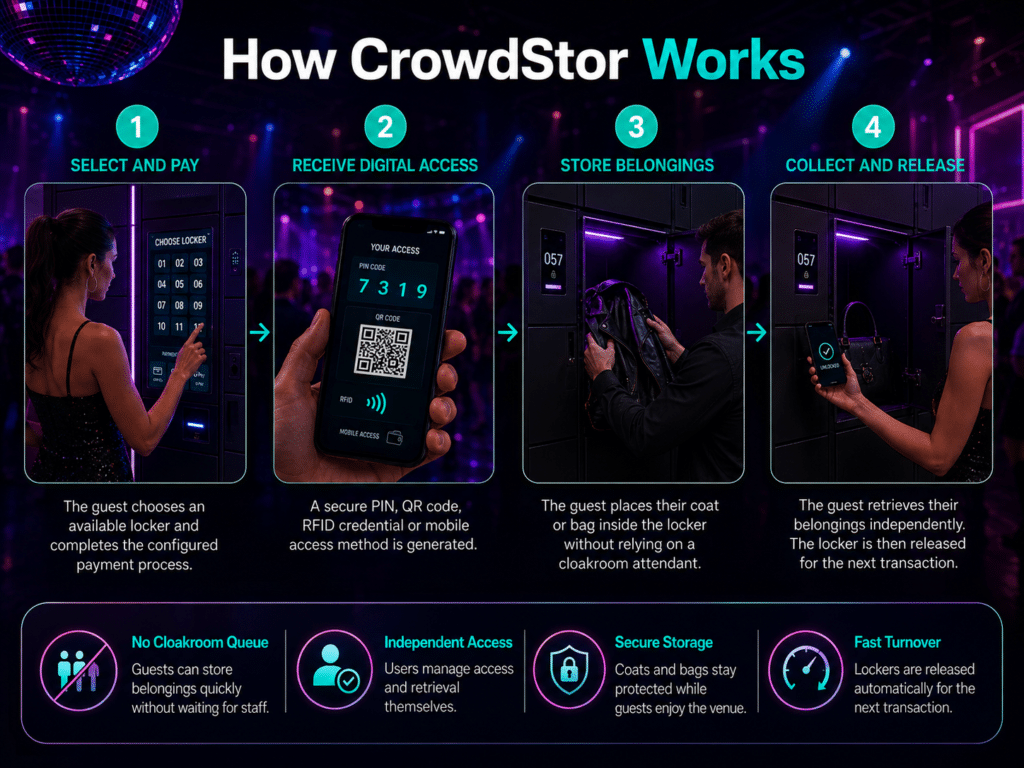
Revenue-generating self-service storage allows guests to select, pay for and access a locker without relying on a cloakroom attendant.
Guests complete the transaction using a touchscreen or digital payment journey. They then receive a secure PIN, QR code, RFID credential or mobile access method.
This replaces multiple manual steps with one automated process.
Operators can also use a central platform to monitor:
- Locker occupancy
- Transaction volumes
- Storage revenue
- Peak demand periods
- Locker availability
- System performance
The result is a storage service that can operate with less routine staff involvement while generating clear, trackable revenue.
Why Traditional Cloakrooms Limit Nightclub Profitability
1. Every Transaction Requires Paid Staff Time
A traditional cloakroom depends on employees to:
- Accept coats and bags
- Process payments
- Issue tickets
- Organise stored belongings
- Locate items during collection
- Resolve missing-ticket problems
The venue pays for staff throughout the shift, even when storage demand changes during the night.
As guest numbers increase, more employees are needed simply to maintain the same level of service.
Impact:
Labour costs rise alongside attendance, reducing the profit generated from each storage transaction.
2. Cloakroom Queues Reduce Time Available to Spend
Guests waiting to store or collect belongings are not spending time at the bar, ordering food or using other paid venue services.
A slow arrival process can delay the point at which guests begin spending inside the venue.
At closing time, guests may also leave bars or entertainment areas early because they expect a long collection queue.
Impact:
A labour-intensive cloakroom can reduce the amount of commercially valuable time guests spend inside the main venue.
3. Manual Payments Restrict Transaction Capacity
Cash payments, card terminals and staff-operated transactions slow down the storage process.
Each payment must be accepted and matched to the correct item before the next guest can be served.
During busy periods, the venue may have storage space available but still be unable to process guests quickly enough.
Impact:
Long queues can discourage guests from purchasing storage and restrict total cloakroom revenue.
4. Fixed Pricing Misses Revenue Opportunities
Traditional cloakrooms often use one fixed price for every guest, event and storage type.
This makes it difficult to introduce:
- Different locker sizes
- Event-specific pricing
- Peak-period pricing
- Premium storage options
- Multi-use or extended access
- Promotional offers
Impact:
The venue cannot easily adjust its storage model to match demand or commercial objectives.
5. Staffed Cloakrooms Have Limited Operating Flexibility
A manual cloakroom can only operate when trained staff are available.
Additional shifts, extended opening hours and special events require more scheduling, supervision and payroll.
Self-service lockers can remain available according to the venue’s operating requirements without a dedicated employee processing every transaction.
Impact:
Manual storage creates a recurring labour cost every time the service operates.
6. Operators Cannot Measure Performance Clearly
Traditional cloakrooms provide limited information about:
- Revenue per event
- Transactions per hour
- Peak storage demand
- Locker or storage utilisation
- Average transaction value
- Performance across different sites
Without accurate information, commercial decisions are based on estimates rather than live results.
Impact:
Operators cannot easily identify underperformance, optimise pricing or forecast storage revenue.

The Hidden Commercial Cost of Manual Cloakrooms
High Labour Dependency
Lost Guest Spending Time
Missed Storage Revenue
Limited Commercial Visibility
Why Traditional Cloakrooms Hold Nightclubs Back
The Core Commercial Problem
Traditional cloakrooms depend on staff to manage every stage of the storage journey.
Employees must process payments, issue tickets, receive belongings, organise storage and locate items when guests return.
As attendance increases, the venue needs more staff to process more transactions. This means cloakroom revenue remains directly linked to labour costs.
Manual storage can also keep guests waiting instead of spending time at bars, hospitality areas and other revenue-generating parts of the venue.
Staff-Dependent Transactions
Every coat or bag requires an employee to accept payment, issue a ticket and place the item into storage.
Impact:
Labour costs increase as storage demand grows.
Limited Transaction Capacity
A staffed cloakroom can only serve as many guests as the counter and available team can process.
Impact:
Queues discourage storage purchases and restrict potential cloakroom revenue.
Lost Guest Spending Time
Guests waiting to store or collect belongings are not spending time inside the main venue.
Impact:
Long cloakroom queues reduce commercially valuable time at bars and other paid services.
Fixed Pricing Models
Traditional cloakrooms often use one price for every event, guest and item.
Impact:
Operators miss opportunities to introduce flexible, premium or event-specific pricing.
Limited Revenue Visibility
Manual systems provide little information about transactions, demand or storage performance.
Impact:
Operators cannot easily measure profitability, optimise pricing or forecast revenue.
Rising Staffing Requirements
Busier nights require more attendants, longer shifts and additional supervision.
Impact:
Operating costs grow alongside attendance, reducing the profit generated from storage.
How Self-Service Smart Lockers Improve Nightclub Profitability
Automated Guest Payments
Guests select and pay for their own locker through a configured digital payment process.
This removes the need for staff to process every payment and allows multiple transactions to happen simultaneously.
Independent Storage and Collection
Guests store and retrieve belongings using a secure PIN, QR code, RFID credential or mobile access method.
Staff no longer need to receive, organise and manually locate every coat or bag.
Cloud-Based Revenue Management
Operators can manage lockers from a central cloud platform with live information about occupancy, availability and system performance.
Depending on the system configuration, transaction data can also support clearer commercial reporting.
Flexible Pricing Options
Self-service lockers can support different commercial models based on:
- Locker size
- Event type
- Storage duration
- Premium access
- Peak demand
- Promotional pricing
Real-Time Commercial Visibility
Managers can monitor locker usage, transaction demand and storage capacity.
Live information helps venues:
- Identify the busiest periods
- Measure locker utilisation
- Improve pricing decisions
- Plan capacity for future events
- Compare performance between venues
- Forecast potential storage revenue
How Smart Lockers Increase Guest Spend and Reduce Labour Costs
Smart lockers turn a labour-intensive cloakroom into an automated, measurable storage service.
Key Benefits
- Automated payments create direct storage revenue
- Guests reach bars and hospitality areas sooner
- Multiple transactions can happen simultaneously
- Fewer staff are required for routine cloakroom tasks
- Digital access replaces paper tickets
- Flexible pricing supports different revenue models
- Live information improves commercial decision-making
- Staff can focus on guest service, security and venue operations
The result is higher storage revenue, lower labour dependency and more time for guests to spend inside the venue.
How CrowdStor Works
Staffed Cloakrooms vs Revenue-Generating Smart Lockers





Case Study: Jassie — A Revenue-Generating Nightlife Storage Hub
Jassie Centralised Coat and Bag Storage Across Breda’s Nightlife District
Jassie replaced traditional cloakroom operations with a self-service smart-locker model in Breda’s nightlife district.
The solution created a faster and more secure storage service while generating €180,000 during its first year. It also reduced cloakroom queues and supported faster guest entry.
Key Outcomes
✓ €180,000 generated in year one
✓ Self-service storage revenue
✓ Reduced manual cloakroom operations
✓ Faster guest entry
✓ Reduced cloakroom queues
✓ Improved guest security
Read the Full Jassie Case Study
Who Benefits from Revenue-Generating Smart Lockers?
Venue Owners and Commercial Directors & General Managers
Venue Owners and Commercial Directors
Key Challenges
- Increasing revenue per guest
- Improving profit margins
- Creating new revenue streams
- Scaling the venue efficiently
Pain Points
- Underperforming cloakroom revenue
- High labour costs
- Limited pricing flexibility
- Poor commercial visibility
Operations Directors
Key Challenges
- Controlling operating costs
- Managing peak demand
- Improving staff productivity
- Standardising operations
Pain Points
- Labour-intensive storage
- Complex shift planning
- Long transaction times
- Inconsistent performance