


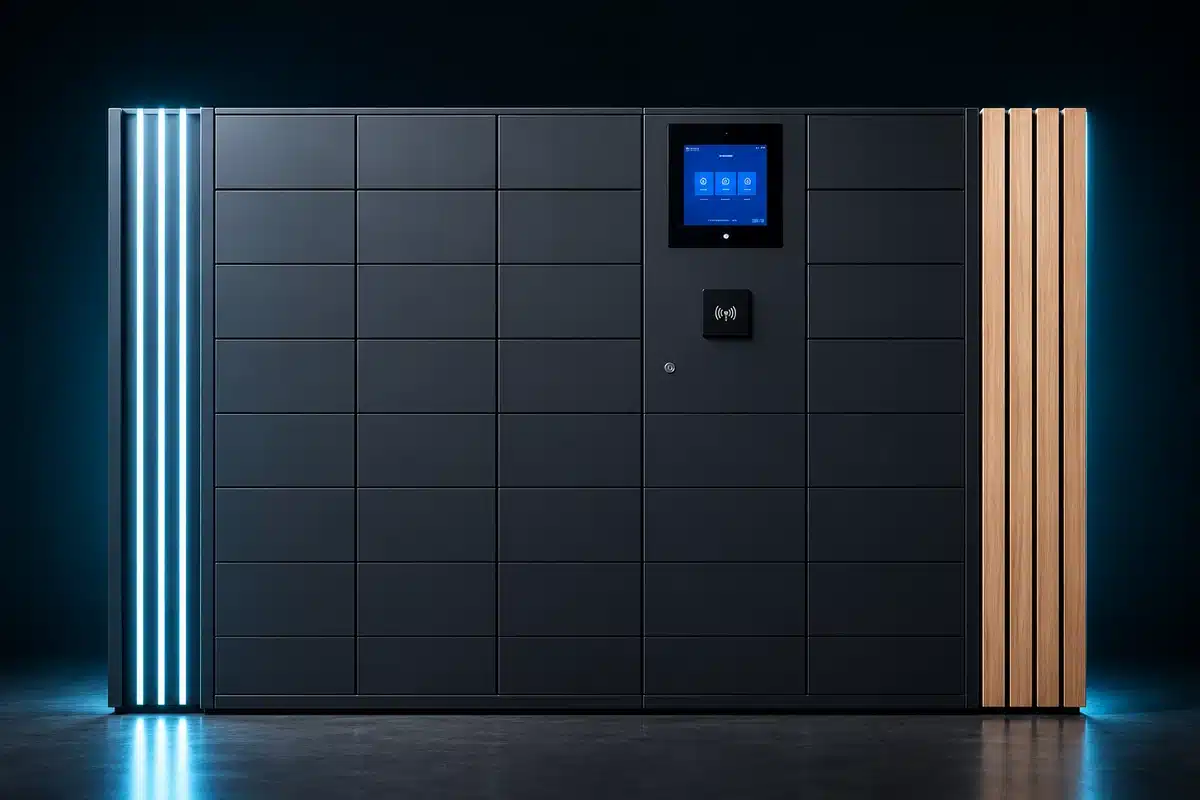





What Are Asset Management Costs?
Asset management costs are the direct and indirect expenses associated with tracking, maintaining, retrieving, and replacing physical assets across an organisation.
These typically appear in:
- Warehouses and distribution centres
- Retail and event environments
- Facilities and property management
- Healthcare and equipment-heavy industries
- Construction and field operations
The result:
- Uncontrolled asset loss
- Duplicate or emergency purchasing
- Excessive staff hours on manual tracking
- Compliance and audit failures
- manual storage → Why Manual Storage Fails at Scale
- shared equipment pools → Workplace Asset Lockers
- uncontrolled access systems → Access Control Lockers
Why Asset Management Costs Break at Scale
Asset Volumes Grow Faster Than Tracking Capability
As organisations scale:
- Asset quantities multiply
- Locations become distributed
- Manual tracking systems fall behind
This creates visibility gaps, not steady control.
Tracking Is Still a Manual Process
Even with spreadsheets or basic software, asset management requires:
- Staff logging movements manually
- Physical checks and audits
- Reconciling records after the fact
This creates a linear process: One staff member = one asset checked at a time
- manual collection systems → Why Collection Staffing Costs Spiral
- inventory tracking → Asset Tracking Lockers
- storage environments → Smart Locker Solutions
Why Asset Retrieval Time Increases Costs
Assets are often:
- Stored without clear location data
- Shared across teams without proper sign-out processes
- Unavailable when needed
This leads to:
- Delays in operations
- Emergency replacements
- Lost productivity
Storage Environments Are Rarely Designed for Control
- Shared cupboards or backrooms
- Decentralised storage locations
- Unsecured access points
- No real-time audit trail
-
real-time location visibility →
Real-Time Asset Tracking -
duplicate purchasing →
Asset Loss Prevention -
missing assets →
Smart Asset Management Systems
For organisations looking to reduce manual handling, loss and replacement spend, explore
asset lockers that reduce management costs.

The Hidden Business Impact of Poor Asset Control
Operational Breakdown
Financial Loss
Administrative Inefficiency
Compliance and Liability Risk
Periodic Audits
Audits identify problems after they occur.
They are:
- Labour intensive
- Reactive rather than preventative
- Ineffective between audit cycles
Hiring More Administrative Staff
Adding staff increases operational overhead but does not eliminate inefficiency.
The process remains manual.
As volumes grow, labour requirements continue to rise.
Basic Barcode Systems
Barcode systems improve visibility only when users consistently scan assets at every interaction point.
In practice, compliance gaps remain common.
This creates unreliable data and incomplete accountability.
Where Smart Asset Management Delivers the Biggest Impact
Healthcare
Control shared medical devices, reduce loss, and maintain audit readiness.
Warehousing & Logistics
Track scanners, handheld devices, radios, and operational equipment across shifts.
Retail Operations
Reduce backroom loss and improve visibility of shared store assets.
Venues & Events
Secure radios, tablets, production equipment, and staff devices with controlled access.
Traditional Asset Management vs Automated Smart Locker Systems




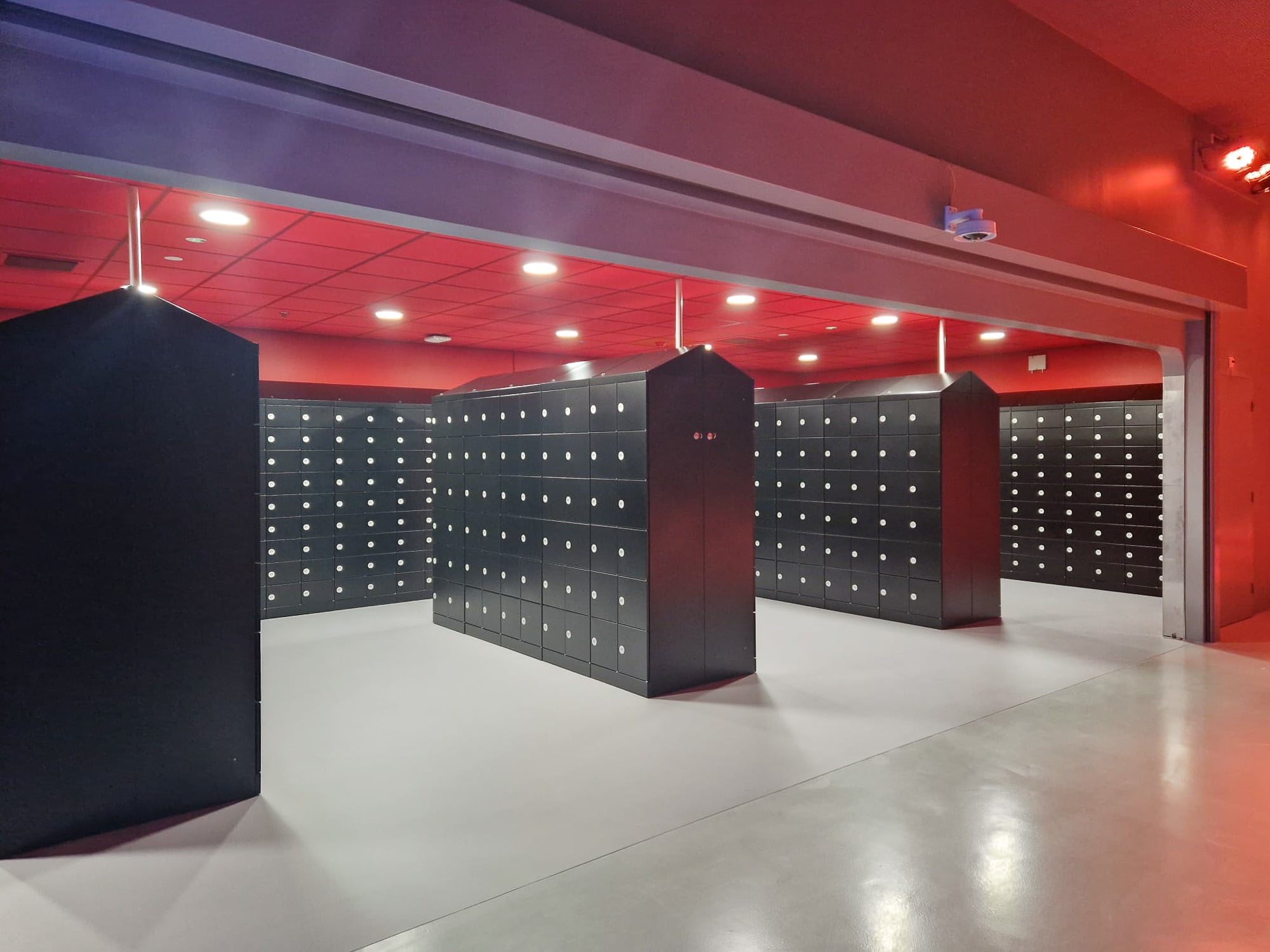
Why Companies Choose Vpod
Smart asset management systems transform operations by enabling:
- Real-time asset visibility Know exactly where every asset is at all times.
- Controlled access Assets are only accessible to authorised users via authenticated sign-out.
- Automated audit trails Every transaction is logged without manual input.
- Loss prevention Accountability is built into the process — not reliant on user compliance.
- Reduced administration Teams retrieve and return assets without staff involvement or manual logging.
Operations Director / Facilities - Asset Manager
Operations Director / Head of Operations
Area of responsibility
- Overall operational efficiency,
- asset availability,
- cost control,
- process performance
Primary goals
- Reduce labour dependency,
- improve asset visibility,
- stop cost leakage,
- scale without adding admin.
Pain points they need to overcome
- Rising staff time,
- slow asset retrieval,
- duplicated purchasing,
- poor visibility,
- inefficient manual processes
Facilities / Asset Manager
Area of responsibility
- Day-to-day control of equipment,
- storage areas,
- audits,
- accountability,asset tracking
Primary goals
- Know where every asset is,
- control access,
- reduce loss,
- maintain accurate audit trails
Pain points they need to overcome
- Missing assets,
- unreliable spreadsheets,
- shared storage rooms,
- incomplete sign-out records,
- audit failures