


Trusted by these customers




- Eliminate key and coin locker systems
- Reduce congestion in high-traffic areas
- Improve locker utilisation by 2–3×
- Lower maintenance and staff intervention
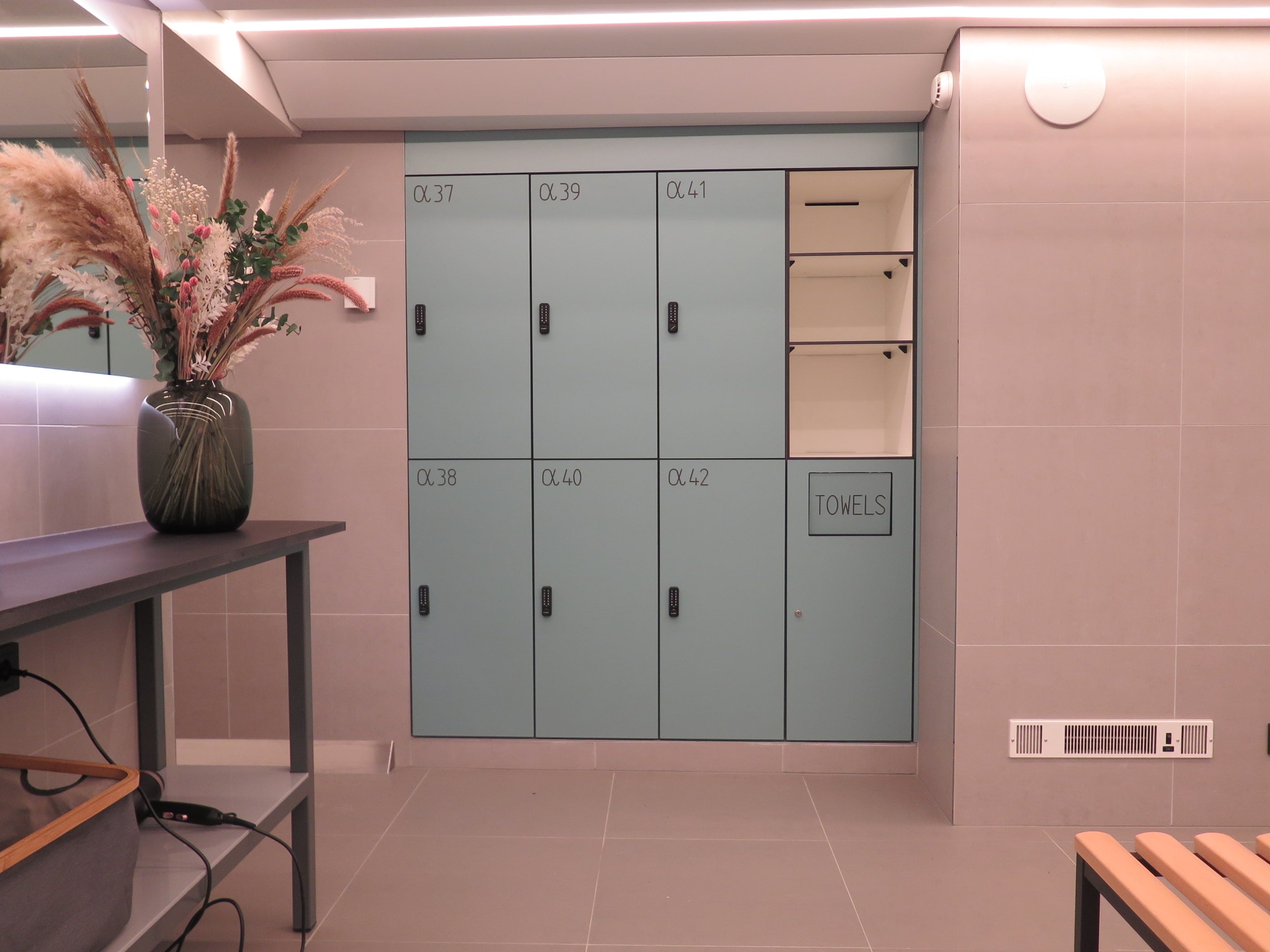
Seamless Guest Storage in High-Footfall Leisure Spaces
Common Leisure Storage Challenges
Leisure environments operate with high-frequency usage, peak-time demand, and shared spaces — making storage a constant operational pressure point. When locker systems are outdated, manual, or inconsistent, they create friction across guest flow, staffing, maintenance, and overall experience.
Gym Locker Problems
Gym lockers are used continuously throughout the day, with peak pressure during morning, lunchtime, and evening sessions. Traditional lockers struggle to manage demand, leading to limited availability, lost keys, and inconsistent usage — causing congestion in changing areas and frustration for members.
→ Gym locker problems
→ Gym storage systems
Leisure Venue Congestion
Peak periods create high-density movement across entrances, locker areas, and changing zones. Without structured storage, queues form and movement slows — reducing operational efficiency and impacting guest experience.
→ Leisure congestion issues
→ Reduce congestion with lockers
Locker Maintenance Issues
High usage leads to frequent locker failures, including broken locks, jammed mechanisms, and key replacements. This reduces availability, increases maintenance costs, and disrupts daily operations.
→ Locker maintenance problems
→ Low-maintenance smart lockers
Lost Property & Security Issues
Unmanaged storage in shared environments leads to lost, misplaced, or stolen belongings. Staff are pulled into resolving disputes, increasing workload and impacting guest satisfaction.
→ Lost property issues
→ Secure locker systems
Coin Locker Limitations
Coin-operated lockers create friction through cash dependency, jammed mechanisms, and lack of tracking. They require staff intervention and provide no visibility into usage or demand.
→ Compare coin lockers vs smart lockers
→ Coin locker problems
→ Cashless smart lockers
Where Storage Is Used Across Leisure Environments
Storage plays a critical role across leisure environments where guest flow, space constraints, and peak usage patterns intersect. Different venue types experience storage challenges in different ways — but all require systems that support fast turnover, minimal staff involvement, and predictable usage during peak periods.
Gym & Fitness Locker Challenges
Gyms and fitness centres operate with high-frequency, repeat usage, particularly during peak morning, lunchtime, and evening sessions. Members require fast, reliable storage before and after workouts, often within tight time windows.
Traditional locker systems struggle to keep up with this level of demand. Lockers remain occupied for extended periods, availability becomes inconsistent during peak times, and lost or damaged keys create friction for both members and staff. This leads to congestion in changing areas, delays in session flow, and increased staff involvement to resolve access issues.
In high-usage environments, these inefficiencies quickly impact overall facility performance and member experience.
→For facilities managers in gyms and fitness centres
Theme Park & Attraction Storage
Theme parks and attractions operate with high visitor volumes and long dwell times, creating sustained pressure on storage throughout the day. Guests often carry bags, coats, and valuables, as well as items that are not permitted on rides.
Without structured storage, congestion builds at entrances and ride-adjacent areas as guests attempt to manage belongings. This slows movement between attractions, increases queue times, and can impact overall throughput and operational flow across the site.
→ Compare smart lockers vs mobile storage
During peak periods, storage becomes a critical factor in maintaining guest experience, safety, and efficiency across the venue.
Understand leisure congestion problems in attractions
Padel & Sports Club Storage
Padel clubs, tennis centres, and sports venues operate on tightly scheduled bookings, where players arrive and leave in defined time slots. Storage must support fast transitions between sessions without creating delays or overlap between users.
Players frequently arrive with sports bags, equipment, and personal belongings, placing pressure on locker availability during peak booking periods. When storage is unmanaged or inconsistent, congestion builds between sessions, reducing court utilisation and disrupting schedules.
These environments require predictable, self-service storage that enables fast turnover while minimising staff involvement.
Explore peak-time locker demand issues in sports venues
→For operations managers in sports and leisure venues
Pools & Recreation Centre Storage
Pools and recreation centres operate in wet, high-traffic environments where storage must be durable, easy to use, and consistently available during peak periods. Visitors require secure storage for belongings while moving between changing areas, pools, and shared facilities.
Traditional lockers often struggle in these conditions, leading to congestion in changing rooms, misuse of lockers, and increased maintenance requirements. During busy periods, limited availability can disrupt flow and create pressure on staff to manage access and resolve issues.
Explore locker maintenance challenges in leisure venues
Family Entertainment Venue Storage
Family-focused leisure venues experience amplified storage demand, as groups often arrive with multiple bags, coats, and personal items. Managing belongings across shared spaces can quickly create clutter, congestion, and confusion for guests.
Without clear and accessible storage, items are left unattended, staff become involved in managing belongings, and overall guest experience declines — particularly during peak times.
Understand lost property problems in leisure venues
Multi-Site Leisure Operator Storage
Operators managing multiple leisure locations face additional complexity in maintaining consistent storage systems across different layouts, visitor patterns, and peak demand cycles.
Without standardised storage, processes vary between sites, visibility is limited, and operational inefficiencies increase. This makes it harder to deliver a consistent guest experience and scale operations effectively.
→ Compare smart lockers vs mobile storage
→ Compare capex vs opex locker model
Explore operational inefficiencies in leisure environments
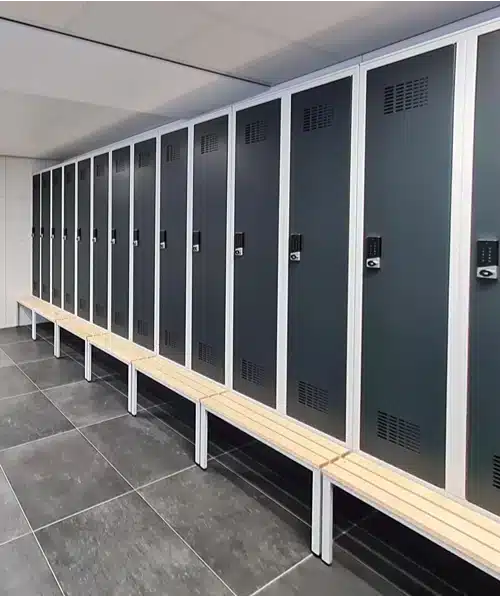


How Smart Lockers Improve Leisure Operations
Reduce Congestion During Peak Periods
Peak usage puts pressure on entrances, changing areas, and activity zones. Smart lockers enable fast, self-service access, reducing queues and improving leisure venue congestion during busy periods.
Cut queue build-up at peak times by 50–70%.
Eliminate Manual Storage Handling
Traditional lockers require staff to manage keys, resolve lockouts, and handle lost property. These processes create manual storage inefficiency in leisure venues, increasing workload and operational friction. Smart lockers remove these dependencies through automated, self-service access.
→ Compare staff cost vs locker automation ROI
Eliminate key management, staff intervention, and lost property handling.
Increase Locker Utilisation
Fixed-use lockers and poor visibility lead to underused capacity and peak-time shortages. This often results in locker shortages in leisure venues, even when lockers are technically available. Smart lockers enable dynamic allocation and faster turnover between users.
Achieve 2–3× higher utilisation vs traditional lockers.
Reduce Maintenance and Downtime
Mechanical locks, coins, and keys create ongoing locker maintenance issues in gyms and high-usage environments. Smart lockers remove these failure points, reducing downtime and improving overall system reliability.
Eliminate coin jams, broken locks, and key replacement.
Improve Operational Consistency Across Locations
Without standardised systems, operators experience operational inefficiencies in leisure environments across multiple sites. Smart lockers create consistent, self-service processes that improve control, scalability, and overall operational performance.
Leisure Storage Case Study
Eliminated Coin Locker Issues at Healthclub Jordaan
Healthclub Jordaan, a high-usage community gym in Amsterdam, was experiencing growing operational friction caused by outdated coin-operated lockers. During peak periods, members were required to find coins, manage physical keys during workouts, and deal with unavailable or broken lockers.
At the same time, staff were heavily involved in resolving issues — handling lockouts, replacing lost keys, maintaining damaged lockers, and managing ongoing member complaints. These challenges created congestion in changing areas, reduced locker availability, and disrupted overall facility flow.
Outcome
By replacing coin-operated lockers with smart locker systems, Healthclub Jordaan transformed its storage operations:
- Removed coins and keys entirely, enabling seamless, self-service access
- Reduced maintenance issues significantly by eliminating mechanical failure points
- Improved member experience with faster, more reliable locker access
- Aligned storage with a modern, cashless gym environment
Operational Impact
- Increased locker availability during peak periods
- Reduced staff time spent on locker-related issues
- Eliminated cash handling and associated risks
- Delivered a cleaner, more professional facility experience
Leisure Locker Solutions for High-Usage Environments

Leisure venues require storage systems that can handle constant usage, peak-time surges, and fast guest turnover without adding operational complexity. Smart locker solutions are designed to support self-service access, predictable flow, and minimal staff involvement across gyms, sports venues, and high-footfall leisure environments.
Leisure Lockers
Handle high-frequency, repeat usage without staff involvement
Leisure lockers are designed for environments where guests need fast, reliable access to storage multiple times per day, often within short time windows. They help address gym locker problems in high-usage environments while reducing operational pressure for facilities managers in leisure venues. Unlike traditional lockers, they operate as a self-service system, removing friction from both the guest journey and operational workflows.
Key Benefits
- Eliminate key and coin systems, removing the need for physical keys and cash handling
- Improve guest flow with fast access and turnover during peak periods
- Reduce maintenance requirements by removing mechanical failure points → Compare capex vs opex locker model
Compare leisure lockers vs coin lockers
Explore leisure locker solutions
Compare coin lockers vs smart lockers
Calculate leisure ROI
Venue Lockers
Support high-footfall leisure environments with structured, scalable storage
Venue lockers are designed for larger leisure environments such as theme parks, attractions, sports complexes, and multi-activity venues. They help reduce leisure congestion problems in high-density environments while supporting operations directors managing large venues with scalable, structured storage systems.
Key Benefits
- Handle large visitor volumes efficiently during peak attendance
- Support entry flow and transitions between activities and zones
- Enable optional paid usage through digital and contactless payments
- Improve operational control across high-density environments
Explore event venue lockers
Compare smart lockers vs traditional storage
Calculate ROI
Who Uses Leisure Locker Solutions
Operations Directors
Operations directors are focused on maintaining smooth guest flow and consistent operations across busy, high-footfall environments.
Pain
Managing leisure venue congestion, inconsistent processes, and operational friction during peak periods across multiple activity areas.
Outcome
Predictable guest flow with reduced congestion, standardised processes, and minimal staff involvement during high-demand periods.
Operations directors managing leisure venues
Smart locker systems for leisure venues
Facilities Managers
Facilities managers are responsible for maintaining safe, organised, and efficient environments across high-usage leisure spaces.
Pain
Managing ongoing locker maintenance issues in gyms, limited space, and reactive repair work caused by high-frequency usage and outdated locker systems.
Outcome
Reliable, low-maintenance storage that maximises available space, reduces downtime, and removes the need for constant intervention.
Commercial Directors
Commercial directors are responsible for balancing operational costs with revenue generation and overall guest experience.
Pain
Addressing operational inefficiencies in leisure environments while maximising revenue opportunities and maintaining service quality during peak attendance.
Outcome
New revenue streams, improved space utilisation, and measurable ROI without increasing staffing or operational complexity.
→ Compare staff cost vs locker automation ROI