



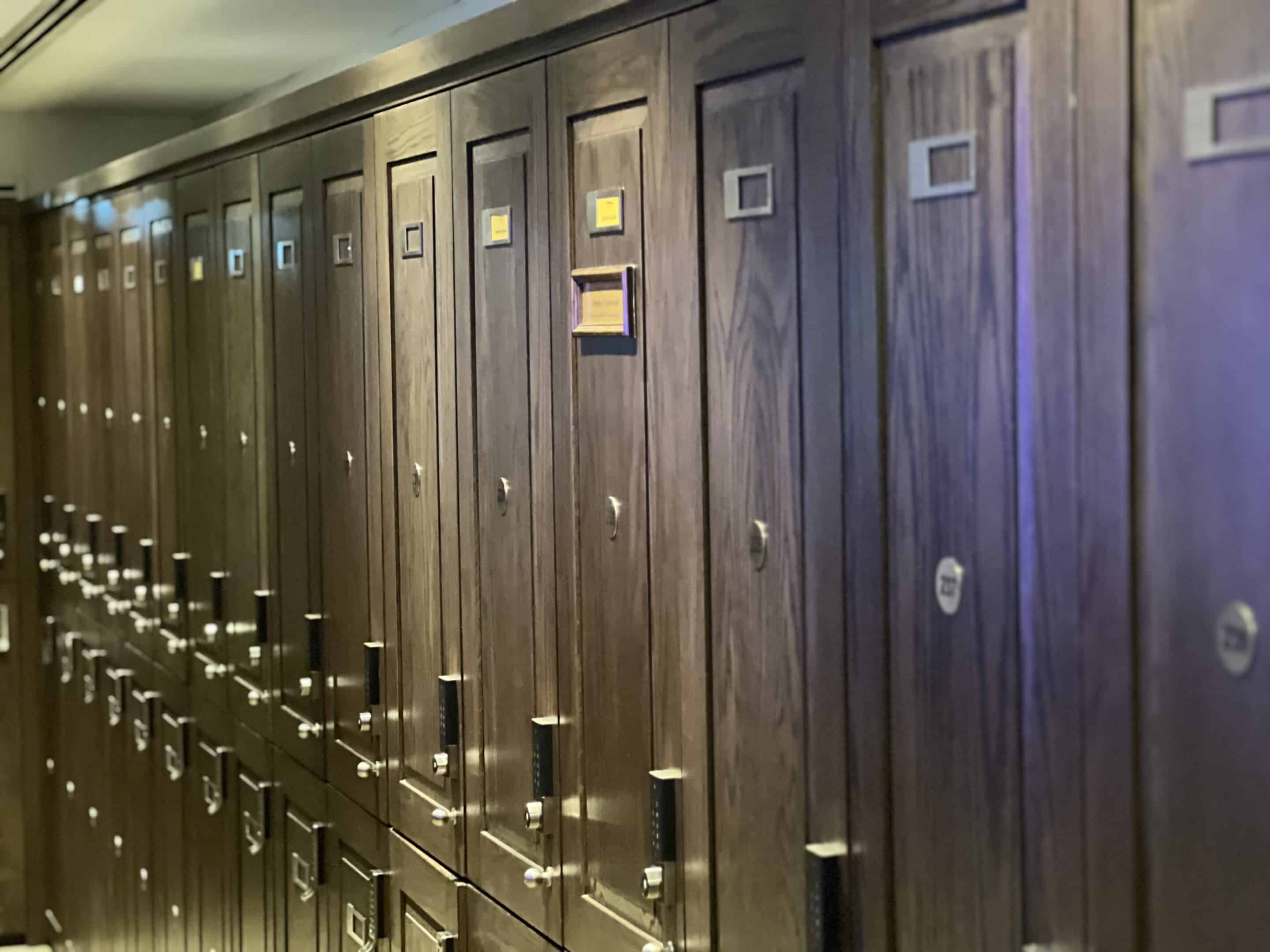
Smart Lockers in Action: The Modern Gym & Padel Experience
Traditional gym lockers create friction — lost keys, broken locks, and inconsistent availability that disrupt both members and staff.
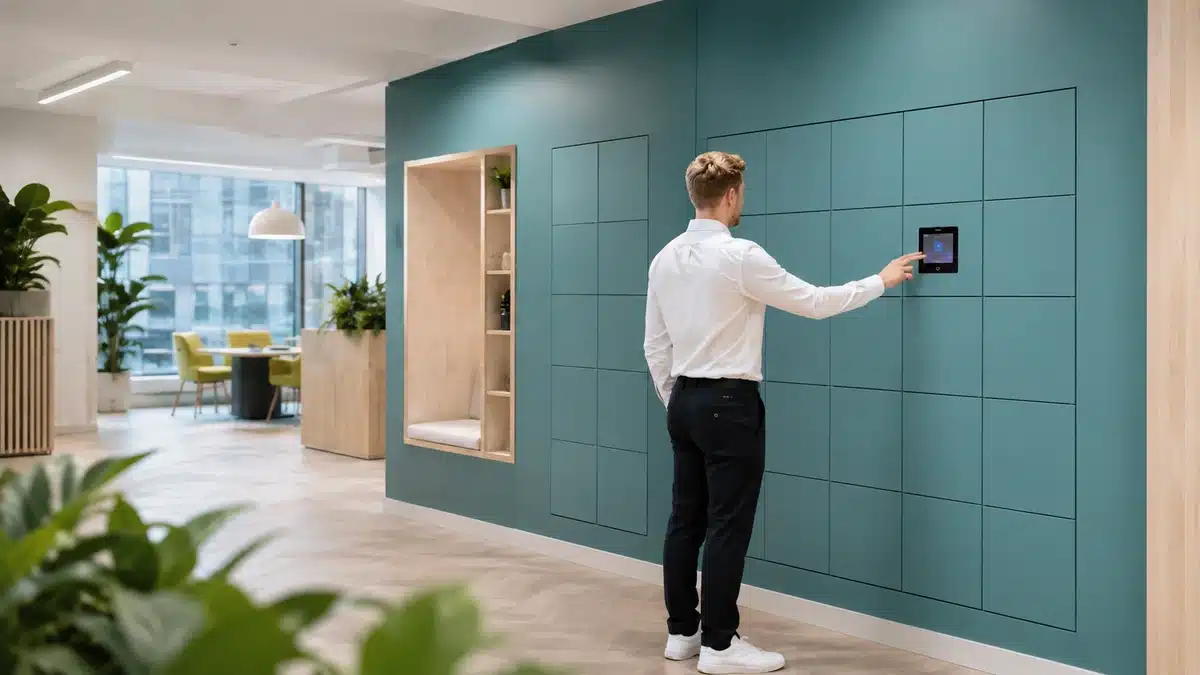
This video shows how smart locker systems transform leisure environments by introducing secure, self-service storage that works at scale. From seamless access to automated locker management, see how modern locker infrastructure improves flow, reduces maintenance, and delivers a more consistent member experience.
Watch how gyms and padel clubs are upgrading from static storage to fully managed systems.
Gym Lockers vs Smart Lockers — Quick Comparison
Traditional Gym Lockers (Manual)
Smart Lockers (Digital)
Gym Lockers vs Smart Lockers — Full Comparison
Traditional Gym Lockers (Manual)
How Traditional Gym Lockers Work
Typical Setup
- Coin-operated or key-based
- User-managed access
- Manual oversight
Common Problems
- Lost keys
- Broken locks
- Abandoned items
- Misuse of lockers
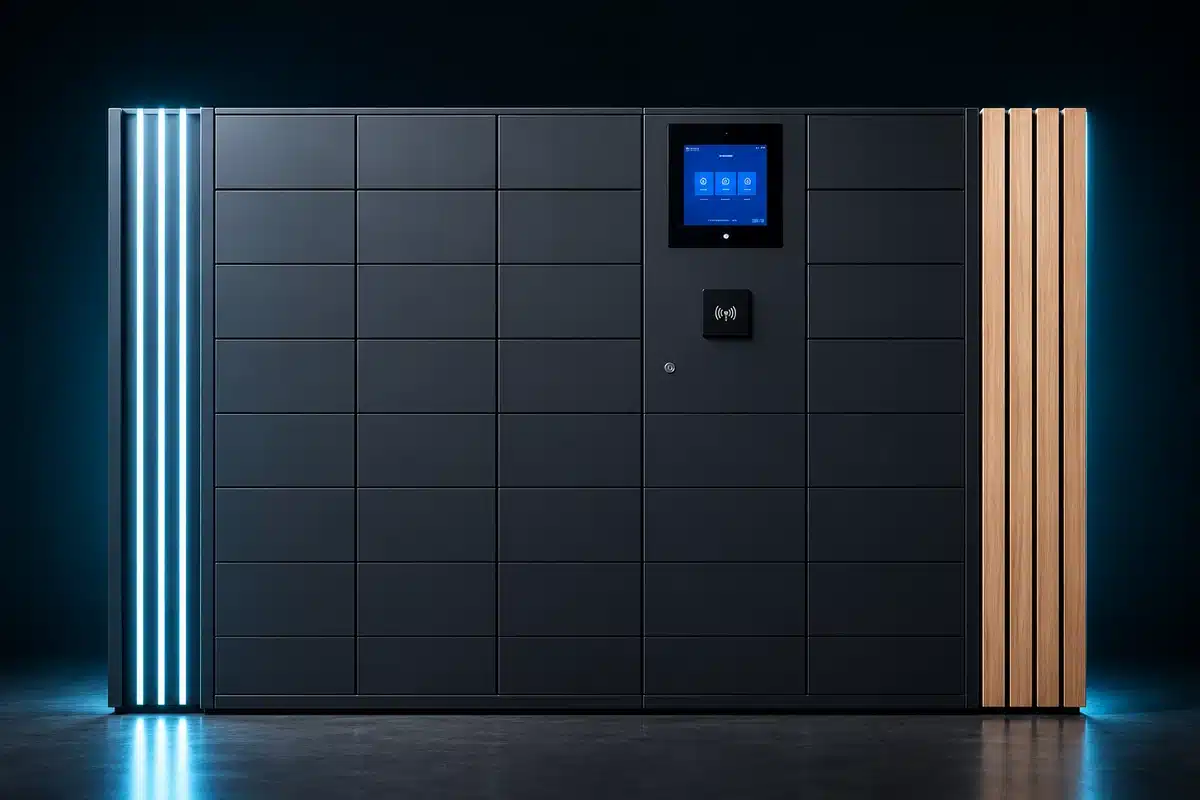
Modern smart locker systems provide digital access, remote management and greater flexibility compared with traditional key- or token-operated lockers.
How Smart Lockers Work
Typical Setup
- Digital access (PIN, app, RFID)
- Time-controlled usage
- Automated locker management
Key Benefits
- No keys or coins
- Controlled access
- Real-time visibility
Explore smart locker solutions designed for gyms, leisure centres, and high-footfall environments.
The Biggest Issue: Locker Misuse
Traditional Lockers
- Long-term occupation
- Members “claiming” lockers
- Abandoned belongings
Smart Lockers
- Time-limited access
- Automated release
- Enforced rules
Maintenance & Operational Burden
Traditional Lockers
- Broken locks
- Lost keys
- Manual resets
- Frequent repairs
Smart Lockers
- No physical keys
- Fewer mechanical failures
- Remote management
Staff Involvement
Traditional Model
- Staff handle issues
- Manage lost keys
- Resolve disputes
Smart Lockers
- Self-service
- Automated access
- Minimal intervention
Member Experience
Traditional Lockers
- Friction (coins / keys)
- Uncertainty
- Inconsistent availability
Smart Lockers
- Seamless access
- Predictable usage
- Modern experience
Security & Accountability
Traditional Lockers
- No usage tracking
- Disputes difficult to resolve
- Inconsistent security
Smart Lockers
- Full audit trail
- User accountability
- Controlled access
Space Utilisation
Traditional Lockers
- Inefficient usage
- Lockers occupied unnecessarily
Smart Lockers
- Higher turnover
- Optimised usage
- Better space efficiency
Revenue Opportunity
Traditional Lockers
- Coin systems (limited revenue)
- Outdated payment methods
Smart Lockers
- Premium locker options
- Rental models
- Flexible pricing
Real-World Scenario
Busy Gym Peak Hours
Traditional Lockers
- no available lockers
- members frustrated
- staff involved
Smart Lockers
- high turnover
- predictable availability
- smooth experience
When to Use Each Option
Traditional lockers for very low-usage environments
Traditional lockers for small facilities with minimal demand
Traditional lockers where no digital infrastructure is available
Smart lockers for high member volume and peak usage environments
Smart lockers for premium facilities aiming to reduce maintenance and improve member experience
The Strategic Difference
Traditional lockers are:
- Static storage
Smart lockers are:
- Managed infrastructure
This is the difference between:
- Providing storage vs optimising it
Make sure your lockers smart fit into your existing software stack, unlocking workflow efficiencies.