
Hotel Concierge Storage vs Lockers

Which Luggage Solution Delivers Better Guest Experience and Operational Efficiency?

For hotels, luggage storage is a critical part of the guest journey — especially around early arrivals and late departures.

Traditionally handled by concierge teams, (Similar to hotel luggage room vs smart lockers ) this process is now being replaced by self-service smart lockers that eliminate queues, reduce staff workload, and unlock new revenue (See comparison: manual luggage storage vs self-service lockers )

This page compares both approaches in real operational terms.

Smart Luggage Locker Automation for Hotels | Eliminate Concierge Queues & Improve Guest Flow

Hotel concierge luggage storage works — until guest volume increases. As early arrivals and late departures overlap, reception teams are forced to manage queues, handle bags manually, and coordinate storage behind the scenes — creating delays and operational pressure.

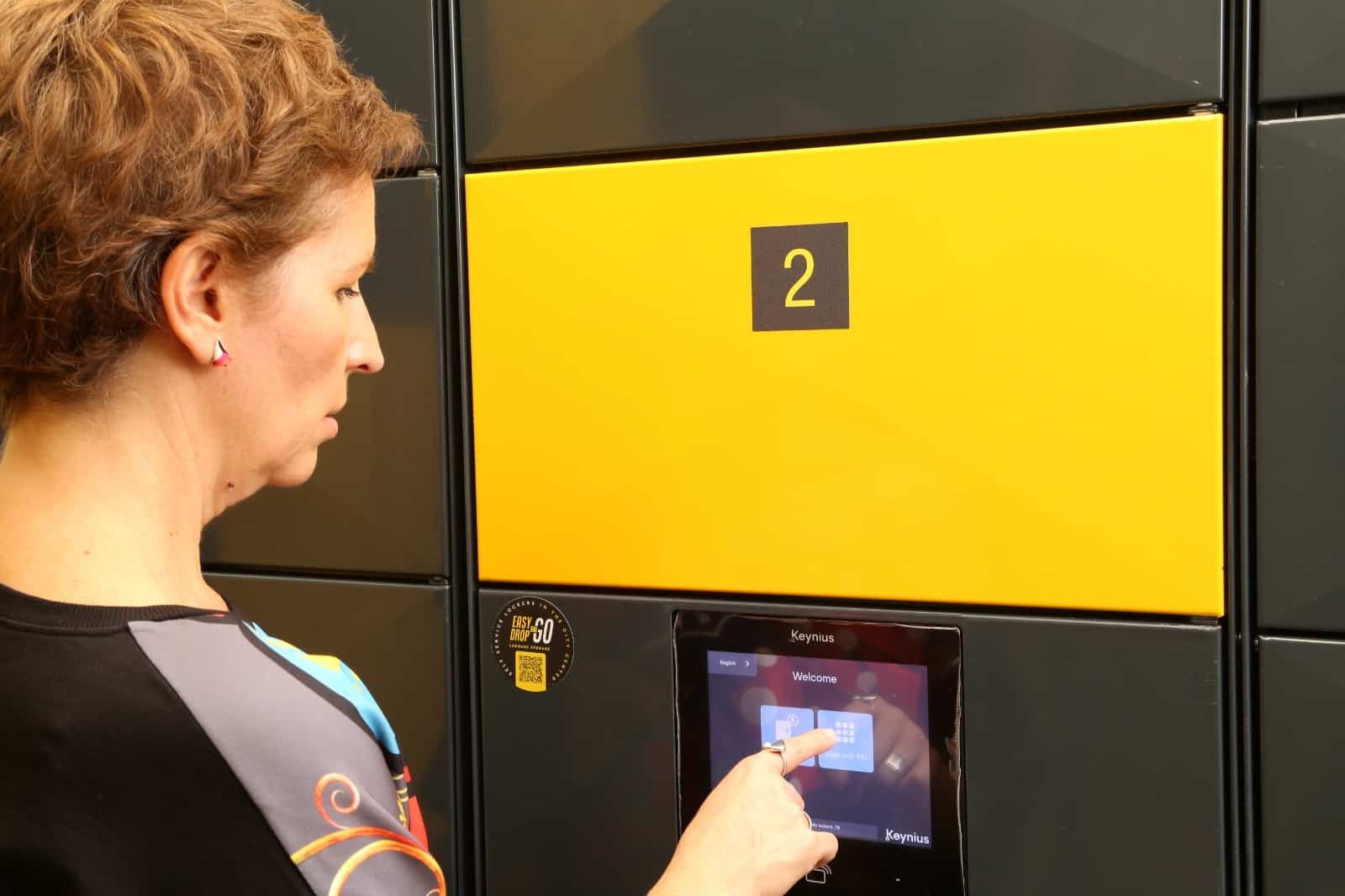
This video shows how smart luggage lockers replace concierge-managed storage with a fast, self-service system. Guests can store and collect luggage in seconds, without waiting, while hotels remove front desk bottlenecks, reduce staff workload, and maintain a seamless guest experience.

By moving from manual handling to automated locker infrastructure, hotels can improve guest flow (Related: free storage vs paid locker systems →), increase operational efficiency, and unlock new revenue opportunities from luggage storage.

Concierge Storage vs Smart Lockers — Quick Comparison

Concierge Storage (Manual)
Staff-managed process
Slow at peak
High staff involvement
Shared storage room
Limited scalability
Staff hours only
Queue-based experience
Smart Lockers (Automated)
Self-service system
Instant access
Minimal or no staff involvement
Individual secure lockers
24/7 availability
Self-service experience

Hotel Concierge Storage vs Smart Lockers (Full Comparison)

Category
Core Model
Process
Dependency
Speed (Drop-off)
Speed (Collection)
Queue Risk
Throughput Capacity
Staffing Requirement
Operational Complexity
Scalability
Peak Demand Handling
Availability
Guest Experience
Guest Independence
Security Level
Liability Risk
Audit Trail
Accountability
Space Efficiency
Organisation
Error Rate
Staff Workload Impact
Cost Model
Cost Predictability
Revenue Potential
Early Arrivals / Late Departures
Consistency Across Properties
Integration Capability
Data & Insights
Brand Perception
Failure Points
Use Case Fit
Hotel Concierge Storage (Staff-Managed)
Concierge staff receive, store, and return luggage
Guest requests → staff handles → stores → retrieves on demand
High — reliant on concierge availability
Moderate — depends on queue and staff
Delayed — waiting for staff retrieval
High — especially during peak check-in/out
Limited — constrained by staff workload
High — continuous handling and support
High — coordination, tagging, tracking
Limited — requires more staff as demand grows
Poor — concierge overwhelmed at peak
Limited — tied to concierge hours
Personal but inconsistent under pressure
Low — must rely on staff
Moderate — shared storage, human handling risk
High — disputes over lost/damaged items
Limited — manual logs or none
Weak — shared responsibility
Low — back-of-house storage required
Variable — depends on staff and volume
Higher — misplacement, tagging errors
High — distracts from guest service tasks
Ongoing labour cost
Variable — depends on occupancy and demand
Limited — typically free service
Adds pressure to concierge team
Low — varies by hotel/team
None or minimal
None — no visibility into usage patterns
Traditional, service-led
Delays, queues, lost items, staff overload
Boutique / low-volume hotels
Smart Lockers (Self-Service / Digital)
Guests store and retrieve luggage independently
Guest stores → locker secures → guest retrieves anytime
None — fully autonomous guest access
Fast — instant self-service access
Instant — guest retrieves directly
Eliminated — distributed, parallel usage
High — multiple guests simultaneously
Minimal — oversight only
Low — automated and standardised
Highly scalable — add locker capacity
Strong — lockers absorb demand efficiently
24/7 access
Fast, reliable, and frictionless
High — fully self-service
High — secure compartments with controlled access
Low — full audit trail and accountability
Full digital tracking of usage and access
Strong — user-specific access logs
High — compact, structured footprint
Structured — one locker per guest
Low — system-managed storage
Low — frees staff for higher-value service
Lower long-term cost-to-serve
Predictable — infrastructure-based
High — optional paid storage (£5–£10 per use)
Seamless — guests store anytime
High — standardised system-wide
Integrates with PMS, payments, apps
Full analytics on demand and usage
Modern, tech-enabled, premium
Minimal — system-driven reliability
High-volume, high-turnover hotels
Hotel Concierge Storage (Staff-Managed)
Core Model
Concierge staff receive, store, and return luggage
Process
Guest requests → staff handles → stores → retrieves on demand
Dependency
High — reliant on concierge availability
Speed (Drop-off)
Moderate — depends on queue and staff
Speed (Collection)
Delayed — waiting for staff retrieval
Queue Risk
High — especially during peak check-in/out
Throughput Capacity
Limited — constrained by staff workload
Staffing Requirement
High — continuous handling and support
Operational Complexity
High — coordination, tagging, tracking
Scalability
Limited — requires more staff as demand grows
Peak Demand Handling
Poor — concierge overwhelmed at peak
Availability
Limited — tied to concierge hours
Guest Experience
Personal but inconsistent under pressure
Guest Independence
Low — must rely on staff
Security Level
Moderate — shared storage, human handling risk
Liability Risk
High — disputes over lost/damaged items
Audit Trail
Limited — manual logs or none
Accountability
Weak — shared responsibility
Space Efficiency
Low — back-of-house storage required
Organisation
Variable — depends on staff and volume
Error Rate
Higher — misplacement, tagging errors
Staff Workload Impact
High — distracts from guest service tasks
Cost Model
Ongoing labour cost
Cost Predictability
Variable — depends on occupancy and demand
Revenue Potential
Limited — typically free service
Early Arrivals / Late Departures
Adds pressure to concierge team
Consistency Across Properties
Low — varies by hotel/team
Integration Capability
None or minimal
Data & Insights
None — no visibility into usage patterns
Brand Perception
Traditional, service-led
Failure Points
Delays, queues, lost items, staff overload
Use Case Fit
Boutique / low-volume hotels
Smart Lockers (Self-Service / Digital)
Core Model
Guests store and retrieve luggage independently
Process
Guest stores → locker secures → guest retrieves anytime
Dependency
None — fully autonomous guest access
Speed (Drop-off)
Fast — instant self-service access
Speed (Collection)
Instant — guest retrieves directly
Queue Risk
Eliminated — distributed, parallel usage
Throughput Capacity
High — multiple guests simultaneously
Staffing Requirement
Minimal — oversight only
Operational Complexity
Low — automated and standardised
Scalability
Highly scalable — add locker capacity
Peak Demand Handling
Strong — lockers absorb demand efficiently
Availability
24/7 access
Guest Experience
Fast, reliable, and frictionless
Guest Independence
High — fully self-service
Security Level
High — secure compartments with controlled access
Liability Risk
Low — full audit trail and accountability
Audit Trail
Full digital tracking of usage and access
Accountability
Strong — user-specific access logs
Space Efficiency
High — compact, structured footprint
Organisation
Structured — one locker per guest
Error Rate
Low — system-managed storage
Staff Workload Impact
Low — frees staff for higher-value service
Cost Model
Lower long-term cost-to-serve
Cost Predictability
Predictable — infrastructure-based
Revenue Potential
High — optional paid storage (£5–£10 per use)
Early Arrivals / Late Departures
Seamless — guests store anytime
Consistency Across Properties
High — standardised system-wide
Integration Capability
Integrates with PMS, payments, apps
Data & Insights
Full analytics on demand and usage
Brand Perception
Modern, tech-enabled, premium
Failure Points
Minimal — system-driven reliability
Use Case Fit
High-volume, high-turnover hotels

What Is Hotel Concierge Storage?

Concierge storage is a staff-managed luggage service, where hotel teams:
  • Tag and log guest bags
  • Store items in a back-of-house room – Similar to manual storage vs lockers → 
  • Retrieve bags on request
Typically used for:
  • Early check-ins
  • Late check-outs
  • Short-term bag holding

What Are Hotel Lockers?

Hotel lockers are self-service, digital storage systems that allow guests to:
  • Store luggage independently
  • Access via QR code, PIN, or mobile
  • Retrieve items anytime
Key capabilities:
  • Contactless access
  • Automated payments (optional)
  • Secure individual compartments
  • 24/7 availability

The Hidden Problem with Concierge Storage

Concierge-based systems work well at low volume — but break under pressure.
At peak times:
  • Guests queue at reception
  • Staff handle bags one-by-one
  • Storage rooms become overcrowded
  • Retrieval delays increase

A key issue in manual luggage storage vs self-service lockers

Result:
  • Slower check-in experience
  • Increased pressure on front desk teams
  • Negative guest perception

Why Lockers Transform Hotel Operations

Instead of:

Guests waiting for staff to store and retrieve bags

You get:

Guests storing and collecting luggage instantly, without friction

Smart lockers remove the dependency on staff and convert storage into a self-service flow.

See also: hotel luggage room vs smart lockers

Operational Benefits

Concierge Storage:
  • Front desk bottlenecks during peak times
  • High staff workload and ongoing labour cost
  • Inefficient, cluttered back-of-house storage

Common in manual storage vs lockers

Smart Lockers:
  • No queues with instant, self-service bag drop
  • Reduced labour dependency and lower staffing pressure
  • Structured, space-efficient storage with better use of footprint

Guest Experience Comparison

Concierge Storage:
  • Wait in line
  • Hand over personal belongings
  • Rely on staff availability
  • Return later and queue again

Compared to self-service lockers vs staffed storage

Smart Lockers:
  • Store in under 30 seconds
  • Access anytime
  • Full control of belongings
  • No waiting

Security Comparison

Concierge Risks:
  • Mis-tagged bags
  • Lost luggage
  • Shared access storage areas

See improvement with automated storage systems

Locker Advantages:
  • Individual compartments
  • Digital access control
  • Full usage tracking
  • Reduced liability

Revenue Opportunity

Concierge storage is typically:
  • Free
  • Or bundled into service

Compare with free storage vs paid locker systems

Lockers introduce:
  • Pay-per-use storage (£5–£10 typical)
  • Upsell opportunities
  • Monetisation of unused space

When Hotels Should Switch to Lockers

When Hotels Should Switch to Lockers

Smart lockers are ideal when:

  • High guest turnover
  • Frequent early arrivals / late departures
  • Limited concierge capacity
  • Peak-time congestion at reception – Also seen in hotel luggage room vs smart lockers
  • Premium guest experience is a priority

Real Operational Impact

Without Lockers:

  • Reception congestion
  • Staff overwhelmed
  • Guest delays
  • Hidden operational costs

See breakdown: staff cost vs locker automation ROI

With Lockers:

  • Smooth guest flow
  • Reduced workload
  • Faster service
  • New revenue stream

The Bottom Line

Concierge storage was designed for a different era of hospitality.

Today’s hotels need systems that:

  • Scale with demand
  • Remove friction from the guest journey
  • Reduce operational complexity

Smart lockers turn luggage storage from a problem into a competitive advantage.

See full comparison: manual luggage storage vs self-service lockers

Upgrade Your Guest Experience with Smart Luggage Storage

Eliminate reception queues, reduce staff workload, and unlock new revenue with a scalable, self-service locker system.