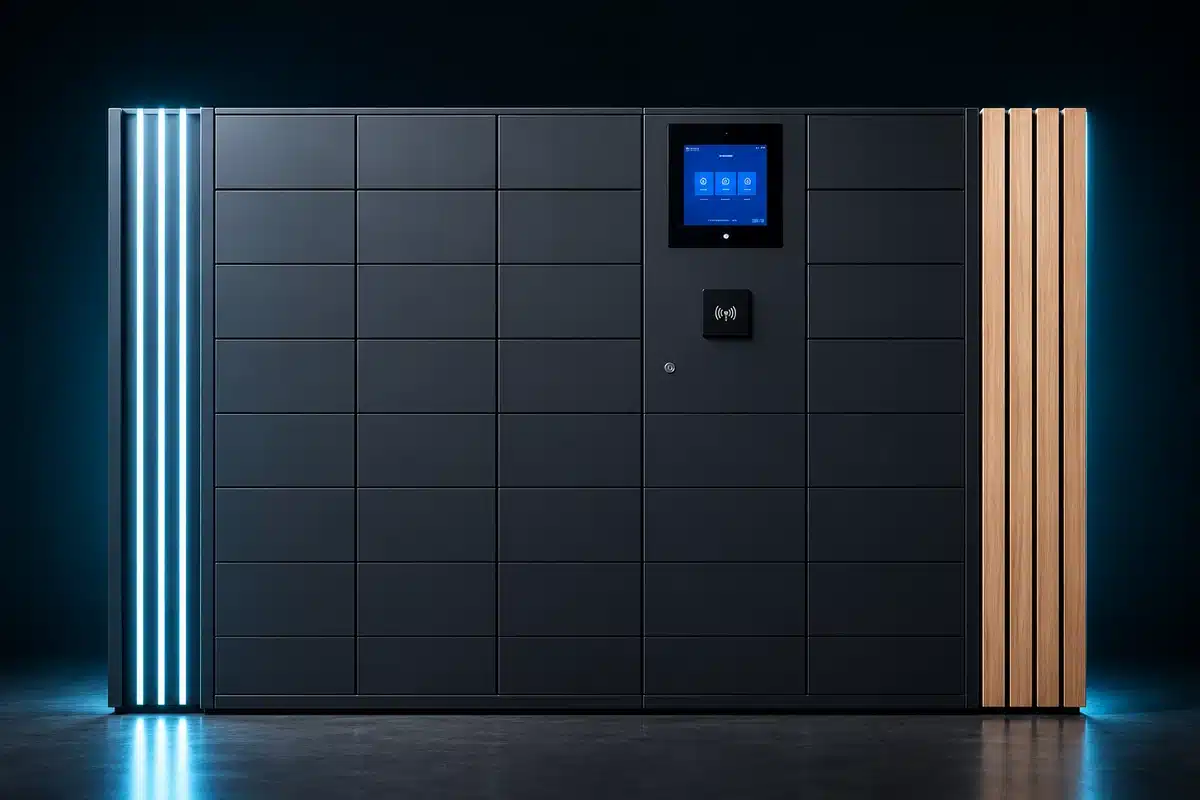
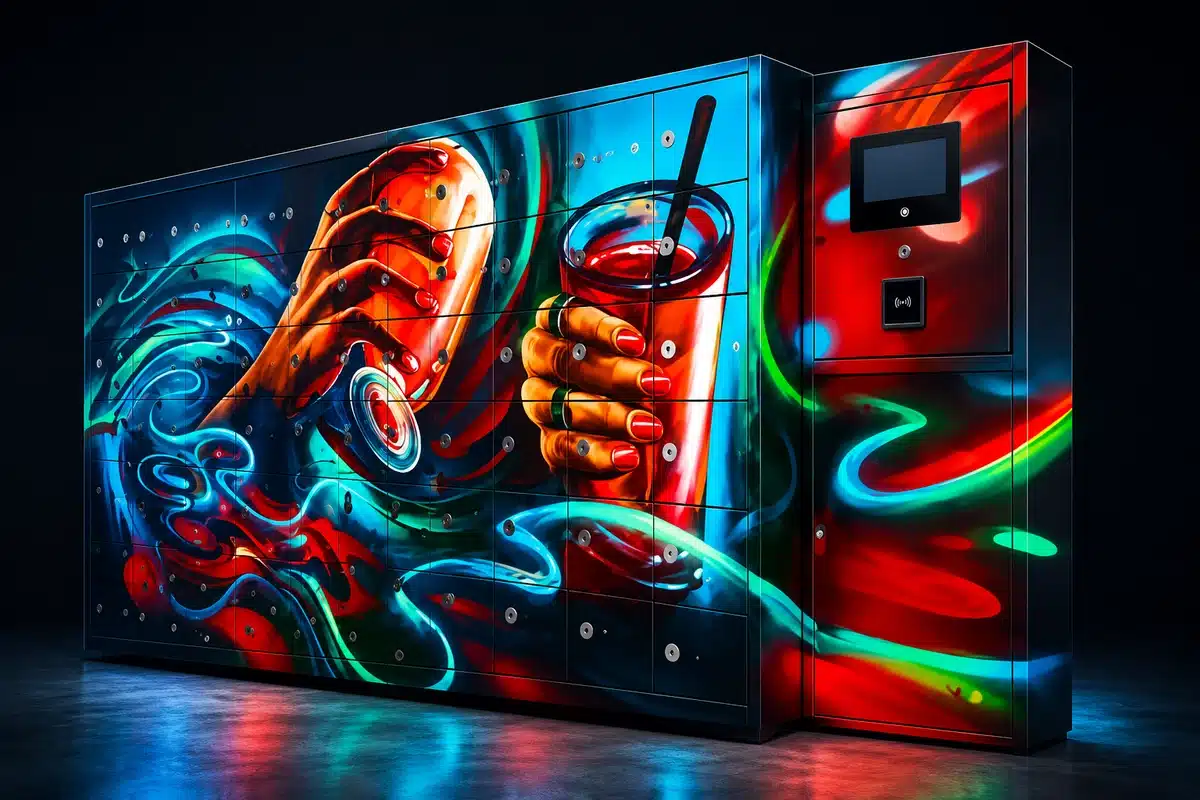
Vflex Smart Lockers, Powered by Keynius, are a state-of-the-art product with quality in-house manufacturing, intelligent design, and a cloud-based platform that can support multiple locker workflows in one smart locker wall.
Vflex Smart Lockers, Powered by Keynius, are a state-of-the-art product with quality in-house manufacturing, intelligent design, and a cloud-based platform that can support multiple locker workflows in one smart locker wall.
Vflex Smart Lockers, Powered by Keynius, are a state-of-the-art product with quality in-house manufacturing, intelligent design, and a cloud-based platform that can support multiple locker workflows in one smart locker wall.
Vflex Smart Lockers, Powered by Keynius, are a state-of-the-art product with quality in-house manufacturing, intelligent design, and a cloud-based platform that can support multiple locker workflows in one smart locker wall.
Global leaders in Smart Lockers & Smart Experiences
We design and deliver integrated systems for streamlined check-ins, secure storage, and enhanced visitor management. Our trusted partner network and focus on sustainability, data security, and customer success drives us to provide the most effective and user-friendly solutions.
Global leaders in Smart Lockers & Smart Experiences
We design and deliver integrated systems for streamlined check-ins, secure storage, and enhanced visitor management. Our trusted partner network and focus on sustainability, data security, and customer success drives us to provide the most effective and user-friendly solutions.
Global leaders in Smart Lockers & Smart Experiences
We design and deliver integrated systems for streamlined check-ins, secure storage, and enhanced visitor management. Our trusted partner network and focus on sustainability, data security, and customer success drives us to provide the most effective and user-friendly solutions.
Extend the digital workplace into secure physical storage.
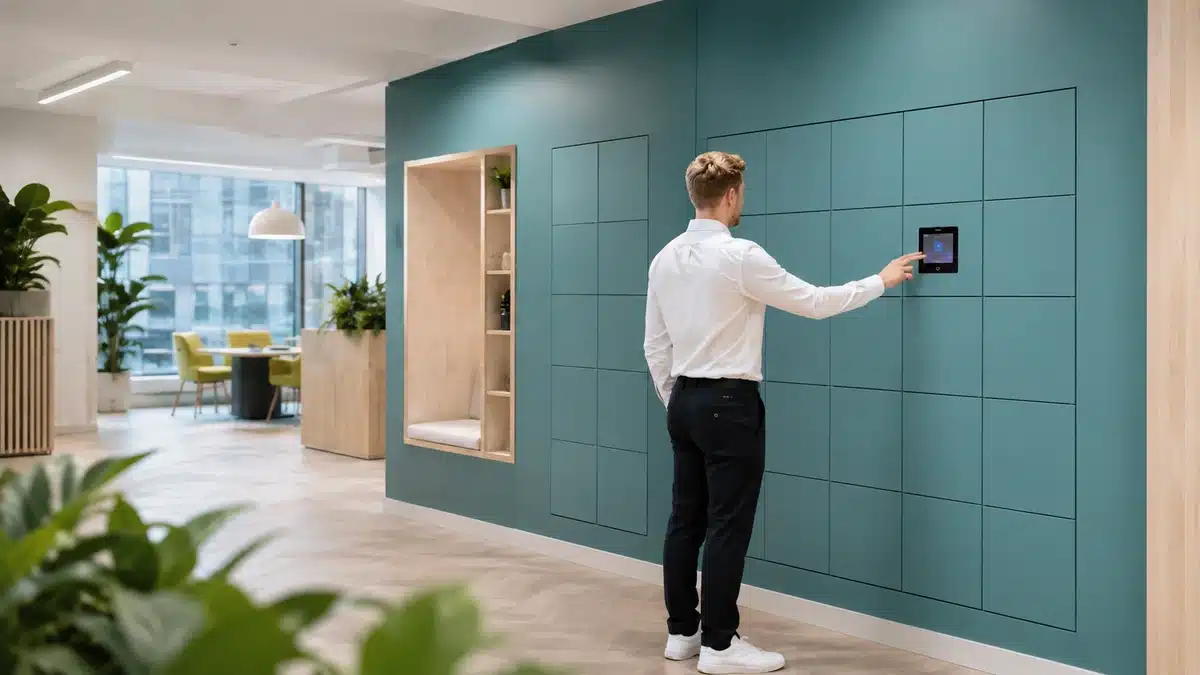
A workplace app can manage intent, context and services. A smart locker can complete the physical handover. Where a connection is implemented, the two layers can support a smoother journey without asking users to learn another disconnected process.
Design the workflow first. Choose the technical pattern second.
Vpod’s current integration approach starts with the initiating event, source of truth, data contract, security controls, failure paths and operational ownership. A Spica connection follows the same discipline rather than assuming a connector that has not been verified.
Spica / workplace contextBooking, visitor, employee, service, space and operational context where in project scope.
→
Agreed workflow layerAPI, webhook, supported connector or other interface with explicit ownership and exception handling.
→
Vpod / Keynius locker workflowAllocation, credential, compartment state, collection, return, status and audit events.
This architecture is illustrative. It does not represent a standard live Spica–Vpod integration.
Spica brings workplace intelligence. Vpod brings the physical handover layer.
Spica describes GemEx as a flexible workplace experience platform covering booking, visitor management, employee engagement, space management, workplace analytics and custom integrations. Vpod focuses on configurable, cloud-managed locker infrastructure that connects storage, deliveries and asset handovers to wider enterprise workflows.
Connected workplaces
Make intelligent storage part of the workplace experience.
Define the user journey, data ownership, access method, exceptions and operational model before deciding how Spica and Vpod should connect for a specific deployment.