


Trusted by these customers







- Staff Labour Required for Storage Operations ↓ 50–80%
- Bag & Item Collection Time ↓ 80–95% (from 3–5 minutes to under 30 seconds)
- Guest Queue Lengths at Peak Times ↓ 40–70%
- Storage Throughput Capacity ↑ 200–500%
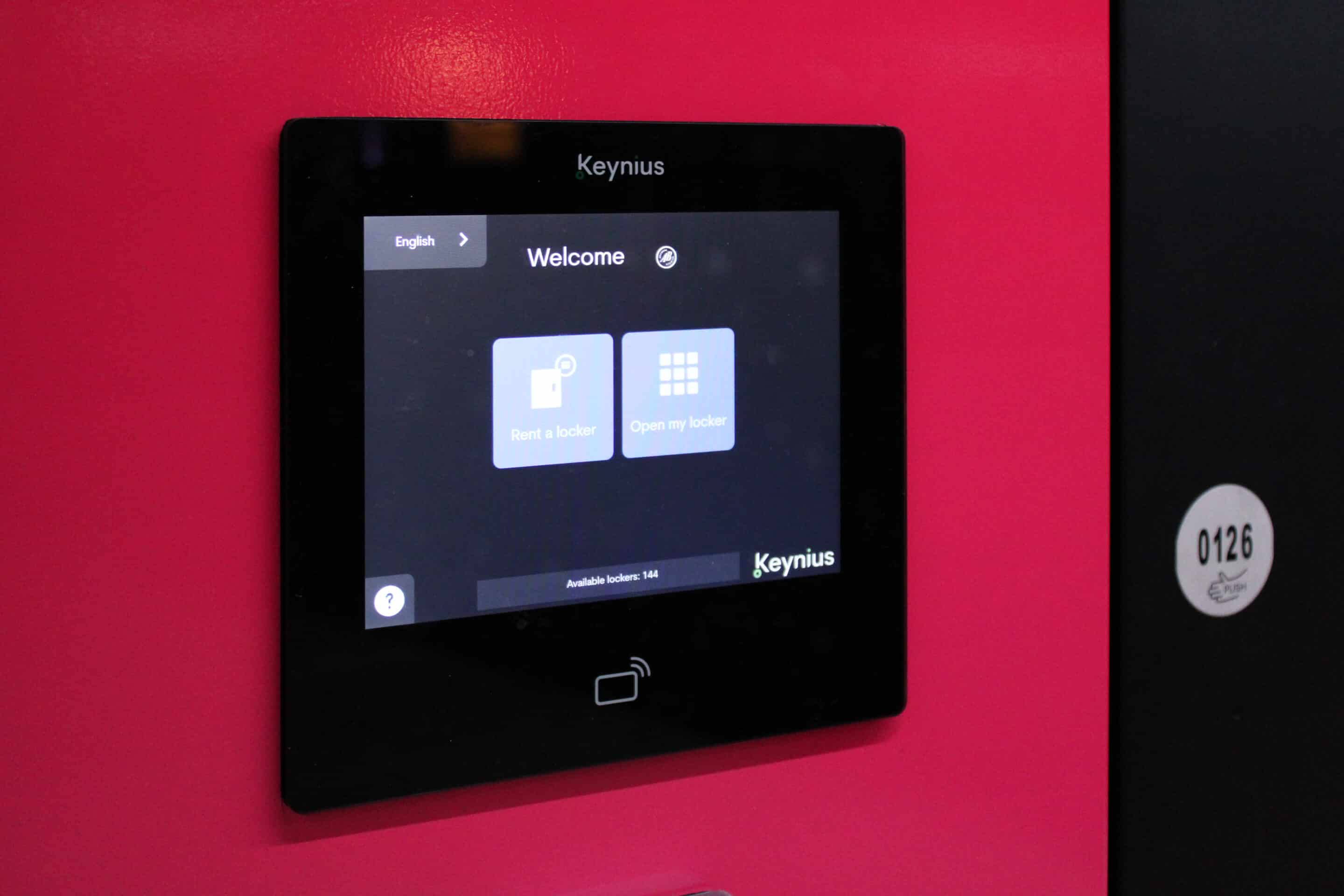
Faster Entry with Self-Service Locker Systems
Common Venue Entry & Storage Challenges
Large venues operate with high visitor volumes, strict security requirements, and intense peak arrival windows — making entry flow and storage a critical operational pressure point. When storage systems rely on manual processes or cloakrooms, small delays quickly compound into queue build-up, congestion, and increased operational risk.
These pressure points are no longer just operational concerns — they are key compliance risks under Martyn’s Law.
→Explore how Martyn’s Law applies to crowd flow, security, and entry systems
→ See how Martyn’s Law defines risk across ingress, queues, and crowd flow
Understanding who owns these risks is critical to compliance.
Explore Martyn’s Law roles and responsibilities for event venues
Venue Entry Congestion & Queue Build-Up
Large venues experience sharp arrival peaks before events begin. When bags and belongings are introduced without structured storage, queues form quickly at entry points, extending beyond controlled areas and increasing pressure on crowd management teams.
Learn why ingress is one of the highest-risk areas under Martyn’s Law
Learn how Martyn’s Law identifies queue build-up and crowd density as critical risk factors
See how Crowd Safety, Operations, and Security teams share responsibility under Martyn’s Law
→ Event ingress congestion problems
→ Improve entry flow with venue lockers
- Compare manual storage vs smart lockers to see how self-service systems reduce queue formation at entry points.
- See how staffed storage compares with self-service lockers in high-throughput venue environments.
Bag Check Delays & Security Friction
Strict bag policies are essential for venue security, but difficult to enforce at scale without a clear storage alternative. Staff are forced into manual decisions, slowing throughput and creating inconsistency at entry.
→ See how Martyn’s Law addresses screening delays and entry bottlenecks
See how Martyn’s Law addresses bag handling, screening delays, and security consistency at scale
Learn how Security Managers and Compliance teams must manage screening, flow, and risk under Martyn’s Law
→ Bag check delays at events
→ Enforce policies with locker systems
→ Compare bag searches vs pre-entry locker storage
Cloakroom Bottlenecks at Scale
Traditional cloakrooms rely on tagging, payment handling, and manual retrieval — creating sequential bottlenecks that cannot scale with high-volume entry demand.
→ Cloakroom inefficiency at venues
→ Replace cloakrooms with smart lockers
→ Compare cloakroom vs locker for event security
- Compare cloakrooms vs smart lockers to understand how manual storage impacts speed, staffing, and queue length.
- See how venue lockers perform compared to cloakrooms during high-volume events.
Post-Event Exit Congestion
When events end, large volumes of visitors attempt to retrieve belongings simultaneously. Manual systems struggle to keep up, creating exit delays and safety risks around high-traffic areas.
→ Event exit congestion problems
→ Enable fast retrieval with lockers
Staffing Pressure & Operational Cost
Manual storage systems require significant staffing during peak periods, increasing cost while reducing efficiency. Teams are diverted from security and crowd control into handling belongings.
→ Compare staff cost vs locker automation ROI
→ Event staffing challenges
→ Reduce staffing with smart lockers
- Compare staffed storage vs self-service lockers to see how automation reduces staffing pressure at scale.
- See how manual storage compares to smart lockers in cost, speed, and operational consistency.
Venue Lockers vs Cloakrooms for High-Volume Events
Deep Comparison: Cloakrooms vs Smart Locker Systems
- See the full comparison between cloakrooms and smart lockers for high-volume venue operations.
- Compare manual storage vs smart lockers to understand the broader operational impact of self-service storage.
Where Venue Operations Outcomes Break Down at Entry
Storage challenges do not exist in isolation. They appear at critical pressure points across the venue journey, particularly where event entry bottlenecks, ingress delays, security requirements, and crowd flow constraints collide.
These pressure points directly impact overall venue operations outcomes, particularly during peak arrival periods.
Each scenario below reflects a specific high-intent operational problem, including event queue management issues, bag check delays, and entry congestion, with clear paths to solutions and role-based guidance.
Each of these challenges maps directly to a specific role under Martyn’s Law.
Understand how responsibilities are assigned across venue teams
Stadium Event Entry Bottlenecks and Ingress Delays at Peak Arrival Times
Large venues must process thousands of visitors within short arrival windows before events begin. When bags and personal belongings are introduced, event entry bottlenecks form quickly, increasing ingress delays and extending queues beyond controlled areas, placing additional operational pressure on the perimeter.
Theatre Entry Delays and Event Queue Management Challenges
Venues with fixed performance start times face unique entry pressure. Delays caused by belongings, bag checks, or manual storage processes can lead to late seating, disrupted schedules, and frustrated audiences before the event has even begun.
Bag Check Delays and Policy Enforcement Without Slowing Entry
Strict bag and prohibited-item policies are essential for venue security, but difficult to enforce consistently at scale. Without a clear storage alternative, staff are forced into ad-hoc or confrontational decisions that slow entry and create unnecessary friction at access points. These bag check delays significantly reduce throughput at entry points and are a leading cause of queue build-up during peak arrival periods.
→ Compare manual security handling vs automated storage systems
Security Screening Bottlenecks and Ingress Delays at High-Risk Venues
High-security venues often require enhanced screening and stricter entry controls. While these measures improve protection, they also reduce throughput and can create congestion that becomes a security risk in itself when crowds build up around entrances.
Cloakroom Bottlenecks and Manual Storage Delays at Event Entry
Traditional cloakrooms rely on tagging systems, manual handling, and staff-intensive workflows. This slows both ingress and egress, creates queues before security, and increases operational pressure during the busiest arrival and departure periods. As a result, traditional cloakrooms are one of the biggest contributors to event queue management issues, creating delays both before and after security.
Post-Event Exit Delays and Retrieval Bottlenecks After Peak Crowds
When events end, thousands of visitors may attempt to retrieve belongings at the same time. If storage is unmanaged or manually operated, exit queues build quickly, venue clearance slows down, and congestion increases around high-traffic areas.
Across all venue types, the same issue appears repeatedly: manual handling of belongings creates event entry bottlenecks, bag check delays, and ongoing ingress delays.
This impacts queue length, security effectiveness, staff workload, and visitor experience – making event queue management a critical operational priority.
These breakdowns directly align with the risk areas outlined in Martyn’s Law for event venues.
Read how Martyn’s Law exposes operational risk at entry points
Explore how Martyn’s Law explains queue exposure, crowd density, and operational risk
Removing this friction is essential to maintaining predictable, scalable venue operations.
Venue Smart Locker Benefits Summary


How Locker Systems Improve Venue Operations Outcomes
Double Entry Capacity by Removing Bag Friction
Ingress performance is heavily impacted by bags, cloakrooms, and manual handling. When these are removed before security, entry systems can operate at full capacity, increasing throughput and maintaining consistent flow during peak arrival periods.
Shorter Queues, Safer Perimeters
When entry slows, queues expand beyond controlled areas and create safety risks. Faster processing reduces congestion, shortens queues, and helps venues maintain control of crowd flow at the perimeter.
Remove the Primary Source of Pre-Security Delays
Manual cloakroom processes introduce delays before visitors reach security. Eliminating manual handling removes this bottleneck and prevents queues forming upstream of entry points.
Achieve Operational Efficiency Without Increasing Headcount
Self-service locker systems reduce the need for staff to manage belongings, allowing teams to focus on security, crowd control, and visitor experience while lowering operational costs.
Many venues are adopting these systems specifically to meet emerging compliance requirements under Martyn’s Law.
See how venues are preparing for Martyn’s Law with smarter infrastructure
→ Understand how Martyn’s Law is driving changes in venue design and infrastructure
Delivering these outcomes requires coordination across teams — not just systems.
See how venue roles must adapt under Martyn’s Law
Turn Variable Entry into a Controlled System
Unpredictable arrival patterns and manual decisions create inconsistent flow. Structured storage introduces predictability, standardises entry processes, and maintains steady throughput during peak periods.
Venue Entry Workflow: Cloakroom vs Smart Lockers
This comparison shows how venue storage shifts from slow, staff-dependent cloakroom processes to fast, self-service locker systems that support high-volume ingress and egress.
Traditional Cloakroom Workflow
Visitor arrives at venue
Joins cloakroom queue
Waits for staff
Items tagged and stored manually
Visitor proceeds to entry
On exit:
Queue forms again
Staff retrieve items
Delays increase
Operational Challenges
Queues before security
Staff bottlenecks
Slow ingress and egress
High operational pressure
Smart Locker Workflow
Visitor arrives at venue
Stores belongings in locker
Receives secure access
Proceeds directly to entry
On exit:
Instant retrieval
No queue
Operational Advantages
Removes entry delays
Enables parallel usage
Reduces staffing dependency
Scales for high-volume events
This shift from manual to self-service storage improves overall venue operations outcomes by removing delays and standardising entry processes.
Explore:
→ Improve venue ingress speed
→ Reduce cloakroom queues
→ Deploy venue locker systems
Efficiency Savings and Returns from Smart Lockers
The Savings versus Manual Cloakrooms or Staffed Lockers are substantial

Financial Venue Smart Locker ROI
Download the Venue Smart Locker Efficiency and ROI Guide here

Venue Smart Locker ROI Performance
Download the Venue Smart Locker Efficiency and ROI Guide here

Executive ROI Summary
Download the Venue Smart Locker Efficiency and ROI Guide here

Venue Locker Guide
Download the Venue Smart Locker Efficiency and ROI Guide here

Typical Venue Smart Locker Efficiency Guide
Download the Venue Smart Locker Efficiency and ROI Guide here

Venue Smart locker Efficiency – The Bottom Line
Download the Venue Smart Locker Efficiency and ROI Guide here
Venue Locker Case Studies & Measurable Results
These results demonstrate how improving storage directly impacts measurable venue operations outcomes at scale.
Reduced Exit Times by 56% at AFAS Live
Challenge
AFAS Live faced significant pressure at entry and exit points due to high visitor volumes, fixed performance start times, and manual cloakroom operations. Long queues, high staffing requirements, and slow post-event exits were impacting both safety and visitor experience.
Solution
The venue introduced smart locker systems to remove manual cloakroom handling and enable self-service storage before and after events, improving flow across both ingress and egress.
Measurable Outcomes
- Reduced post-event exit times by 56%
- Lowered staffing requirements and operational pressure
- Introduced a new, trackable revenue stream
- Achieved full ROI payback within 8 months
Relevant For
Operations Directors
Facilities Managers
These improvements depend on clear ownership across operations, security, and facilities teams.
→ See how Martyn’s Law explains the need for coordinated security and operational systems
Explore how Martyn’s Law defines responsibility across venue leadership

Reduced Egress Time by 75% and Achieved 18× ROI at Paradiso
Challenge
Paradiso experienced operational strain from manual cloakroom services, with large arrival surges, limited entry space, and high volumes of visitor belongings creating queues, staffing pressure, and congestion.
Solution
Smart locker systems replaced manual processes, removing bottlenecks and enabling faster, more consistent entry and exit flow.
Measurable Outcomes
- Reduced egress time from 60 minutes to 15 minutes (75%)
- Achieved 18× ROI with a two-month payback period
- Reduced staffing pressure significantly
- Freed up space previously used for cloakrooms
- Created new revenue opportunities
Relevant For
Operations Directors
Security Managers
Improved Flow for 17,000 Visitors per Event at Ziggo Dome
Challenge
Ziggo Dome faced congestion and inefficiencies caused by legacy storage systems, manual interventions, and high-density visitor flow during peak periods.
Solution
The venue modernised storage with digital smart lockers, removing friction from both ingress and egress while reducing reliance on staff.
Measurable Outcomes
- Improved flow for up to 17,000 visitors per event
- Reduced post-event exit times by 75%
- Reduced staff intervention and operational friction
- Eliminated cash handling and improved financial security
- Increased visitor satisfaction
Ziggo Dome’s results reflect a broader pattern across venue environments, where smart locker systems consistently improve ingress and egress speed, reduce queues, lower staffing requirements, and introduce new revenue opportunities.
Relevant For
Operations Directors
Security Managers
Venue Locker Solutions for Events, Stadiums & Arenas

Venue environments require storage systems that can operate at high volume, high speed, and under strict security conditions.
Smart locker solutions provide a scalable alternative to manual cloakrooms, enabling venues to manage belongings without slowing entry or increasing staffing.
Handle 10,000+ Bags Without Queues
Solution type: Venue Lockers
Deliver high-speed, self-service storage that removes congestion from entry points and supports predictable ingress at scale.
- Eliminate cloakroom queues and manual bag handling
- Improve ingress speed by removing bags before security
- Generate new revenue streams through paid storage
Scale Storage Instantly for High-Demand Events
Solution type: Event Lockers
Deploy flexible, high-capacity storage for festivals, pop-up events, and peak demand periods without permanent infrastructure.
- Handle large volumes without increasing staffing
- Adapt to fluctuating attendance and event size
- Maintain fast ingress during peak arrival windows
Compare venue lockers vs temporary storage solutions to see when permanent infrastructure outperforms event-based setups.
Enforce Bag Policies Without Slowing Entry
Solution type: Security-Focused Lockers
Provide a controlled, consistent solution for prohibited items while maintaining security throughput.
- Remove bag-related delays at security lanes
- Improve Martyn’s Law readiness
- Reduce pressure on security teams
Understand how this supports Martyn’s Law compliance and security enforcement at scale
Which Venue Locker Solution Is Right for You?
Different venue environments require different approaches:
Venue lockers → permanent, high-volume infrastructure
Event lockers → flexible, scalable deployments
Security-focused lockers → compliance and policy enforcement
Who Venue Locker Solutions Are For
Operations Directors
Managing ingress, egress, and crowd throughput across events
Reducing delays and bottlenecks caused by bags and manual cloakrooms
Maintaining consistent, predictable flow during peak arrival periods
Outcome: Improve ingress throughput, reduce queue length, and standardise entry processes
Security Managers
Enforcing bag and item policies at entry points
Reducing reliance on ad-hoc decisions during screening
Minimising queue build-up that increases security and perimeter risk
Outcome: Reduce bag-related delays, enforce policies consistently, and improve safety and compliance
Facilities Managers
Managing space around entrances and high-traffic concourse areas
Addressing overcrowded cloakroom infrastructure and storage limitations
Supporting storage demand during peak periods and high-volume events
Outcome: Reclaim space from manual cloakrooms, deploy scalable infrastructure, and improve operational flow