Faster self-service storage
Customers pay, receive access and store items without waiting for staff to allocate keys or process cash.



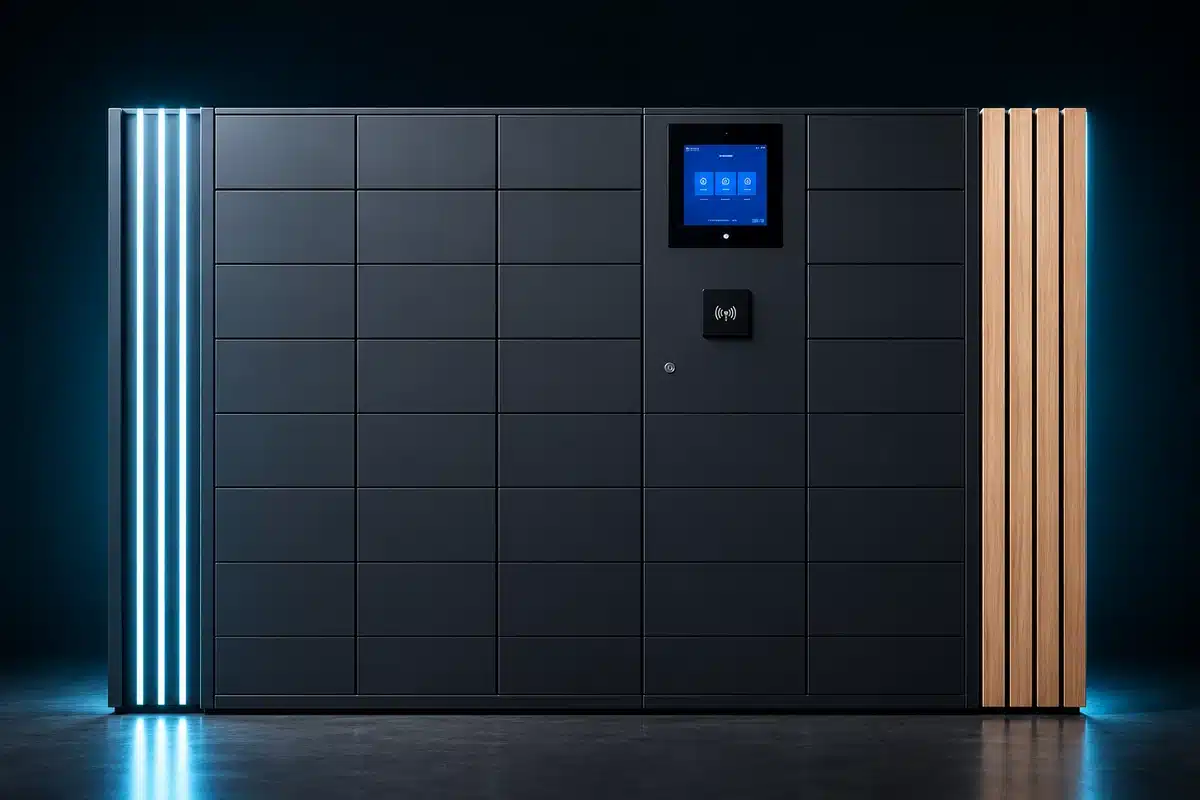

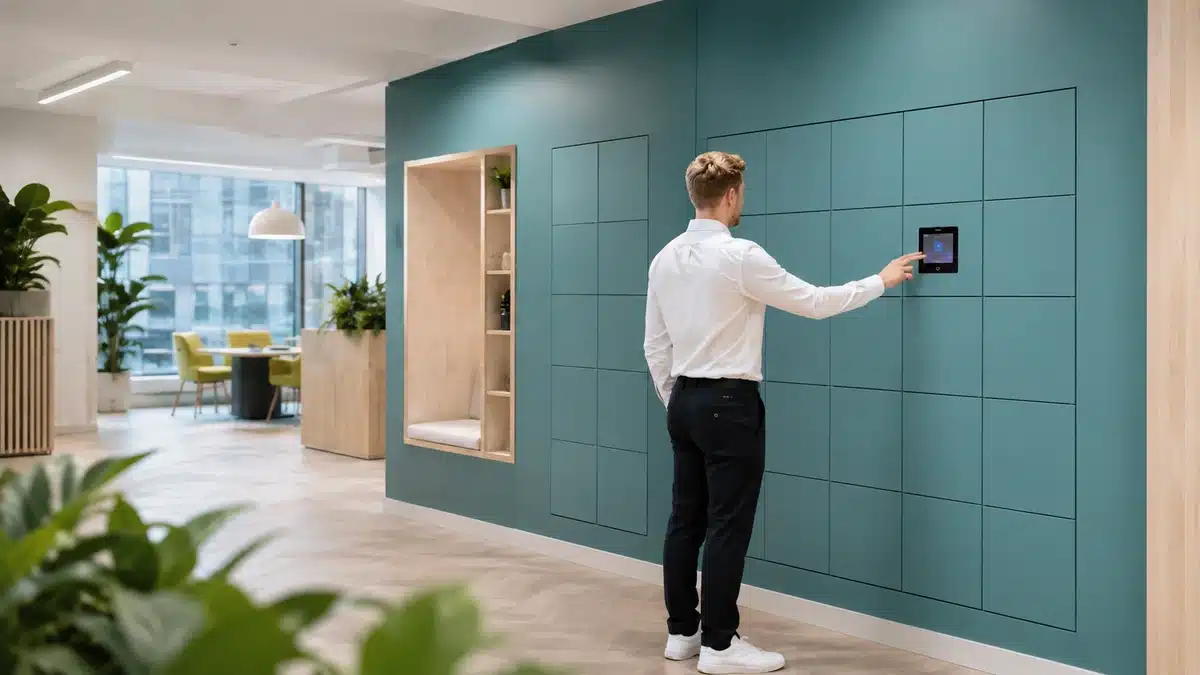

We design and deliver integrated systems for streamlined check-ins, secure storage, and enhanced visitor management. Our trusted partner network and focus on sustainability, data security, and customer success drives us to provide the most effective and user-friendly solutions.
We design and deliver integrated systems for streamlined check-ins, secure storage, and enhanced visitor management. Our trusted partner network and focus on sustainability, data security, and customer success drives us to provide the most effective and user-friendly solutions.

We design and deliver integrated systems for streamlined check-ins, secure storage, and enhanced visitor management. Our trusted partner network and focus on sustainability, data security, and customer success drives us to provide the most effective and user-friendly solutions.
Connect secure, contactless payments to self-service locker journeys. Vpod controls the locker session, access and audit trail while Adyen supports the in-person payment transaction.

The integration is designed for environments where customers pay to store bags, personal items or purchases. A successful payment can trigger the next stage of the locker journey, including compartment allocation and delivery of a PIN, QR code or digital access instruction.
Operations teams gain a more consistent self-service process, finance teams receive clearer transaction references, and customers avoid cash desks, paper tickets and manually issued keys.
Start a locker rental after an approved terminal payment response.
Build defined processes for failed, cancelled, duplicated or refunded transactions.
Provide the selected access method only when the configured payment condition is met.
Connect payment references with locker sessions to simplify support and reconciliation.
The integration turns payment into part of the storage journey rather than a separate queue, desk or manual process.
Customers pay, receive access and store items without waiting for staff to allocate keys or process cash.
Automated allocation and digital credentials reduce repetitive counter tasks and help teams focus on exceptions.
Introduce a paid convenience service with configurable pricing, rental periods and compartment rules.
Use payment and locker references to investigate disputes, verify outcomes and support reporting.
Digital access methods reduce the risks associated with lost keys, duplicated tickets and undocumented handovers.
Create a repeatable payment and locker configuration for multi-site estates, subject to local merchant and tax requirements.
Different teams care about different parts of the journey. The strongest business case connects customer convenience with measurable operational control.
Relevant because: they need high-throughput services that reduce queueing, cash handling and manual interventions at busy periods.
Relevant because: paid storage can create an additional revenue stream, improve yield from available space and add a premium convenience service.
Relevant because: they own API architecture, credentials, network security, monitoring, test environments and support escalation.
Relevant because: they require reliable locker availability, clear maintenance ownership and a standard operating model across sites.
Relevant because: they need agreed pricing, tax, receipt, refund and reconciliation processes before the service goes live.
Relevant because: they are responsible for making payment, storage and collection intuitive for visitors with minimal assistance.
Use cases are strongest where customers carry bags, need temporary storage or value fast access before and after an experience.
Speed up bag storage before entry, reduce cloakroom queues and create a scalable visitor service for peaks and event changeovers.
Offer paid luggage storage for early arrivals, late departures and non-resident visitors without tying up reception teams.
Provide intuitive short-term luggage storage with digital access and structured handling of refunds or failed transactions.
Add paid bag storage, returns or premium collection services alongside click-and-collect and customer service journeys.
Replace coin-operated lockers with a more flexible payment and access experience for day visitors, members and spectators.
Deploy a repeatable paid storage service for conferences, festivals and exhibitions where demand changes by event profile.
Successful deployment depends on defining the commercial journey, technical architecture and operational ownership before configuration begins.
Confirm pricing, rental duration, terminal model, access method and exception rules.
Set up the merchant structure, stores, terminals and required Terminal API configuration.
Apply locker allocation, payment triggers, credentials, receipts and expiry policies.
Validate approved, declined, abandoned, offline, refunded and duplicate transaction scenarios.
Document monitoring, finance reconciliation, terminal maintenance and support escalation.
Exact architecture is project-specific and should be validated with Vpod, Keynius and Adyen specialists.
Talk to Vpod about your use case, estate, payment architecture, locker capacity and launch requirements.