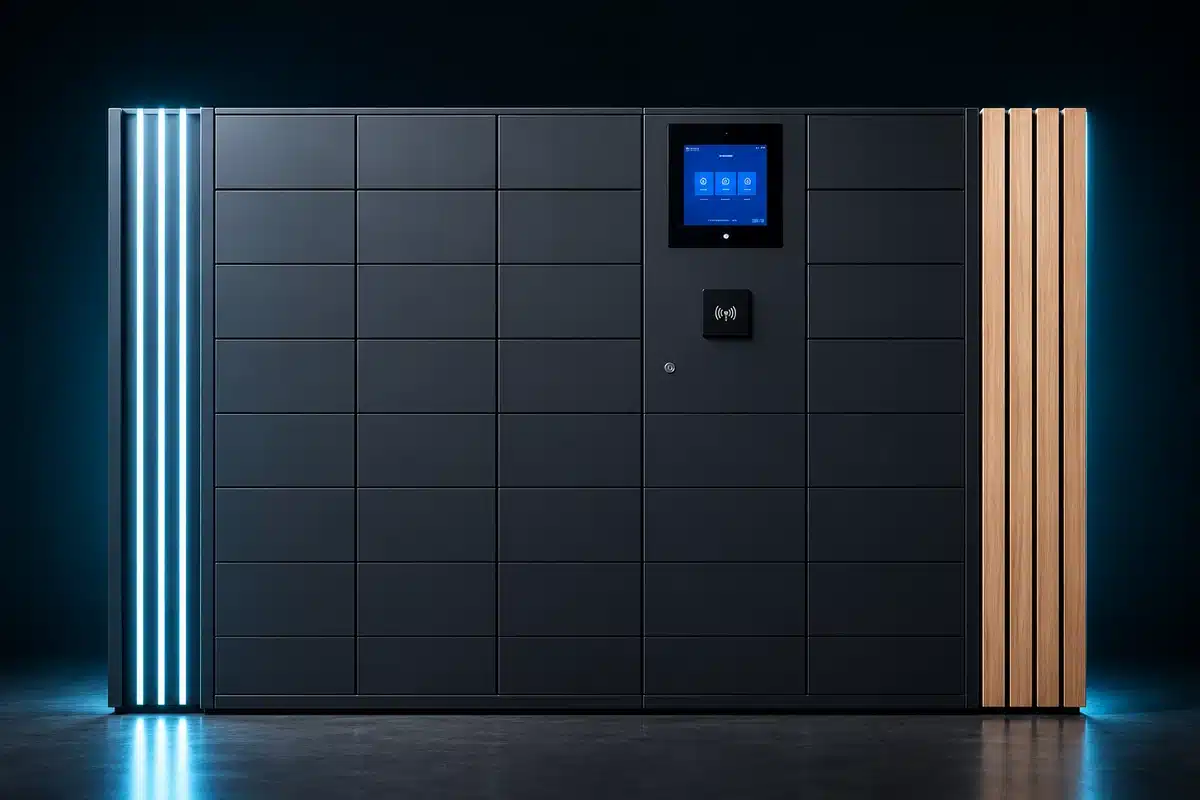
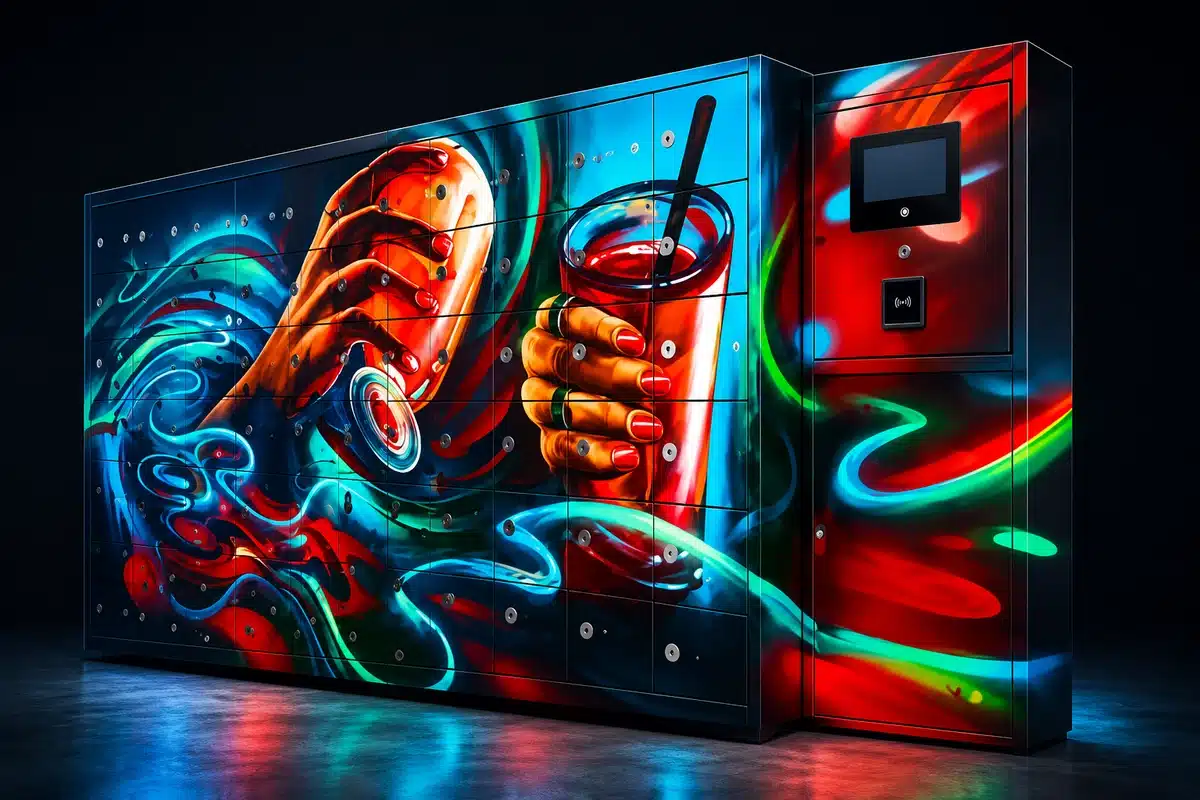
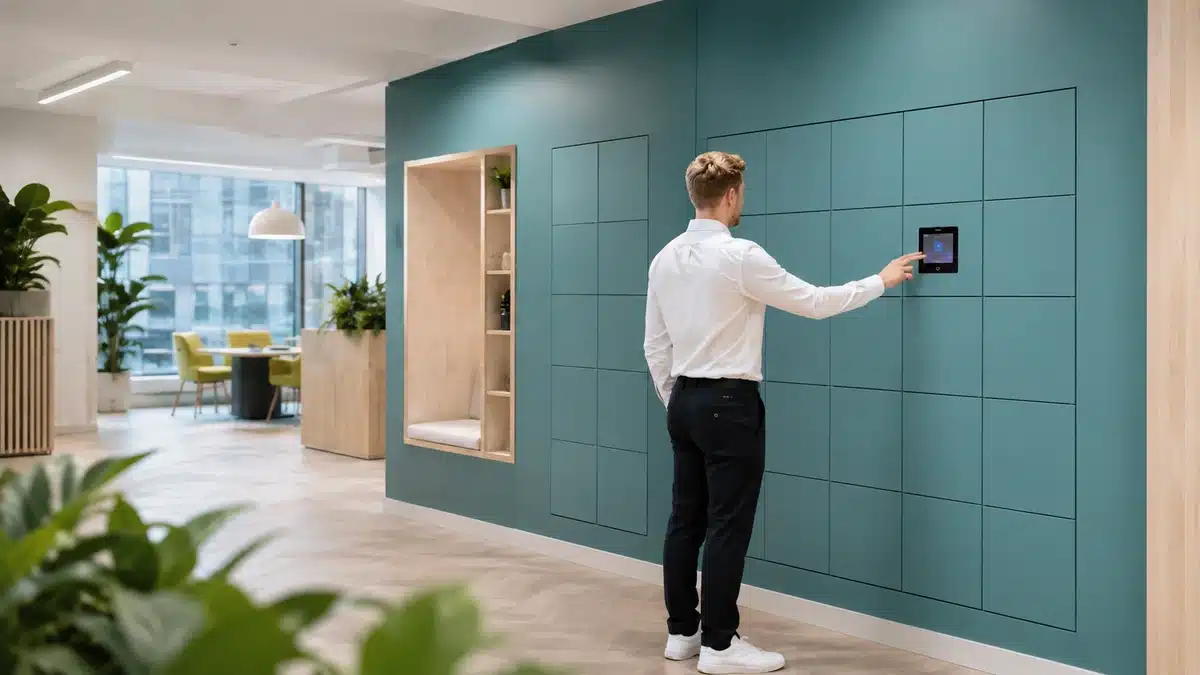
Vflex Smart Lockers, Powered by Keynius, are a state-of-the-art product with quality in-house manufacturing, intelligent design, and a cloud-based platform that can support multiple locker workflows in one smart locker wall.
Vflex Smart Lockers, Powered by Keynius, are a state-of-the-art product with quality in-house manufacturing, intelligent design, and a cloud-based platform that can support multiple locker workflows in one smart locker wall.
Vflex Smart Lockers, Powered by Keynius, are a state-of-the-art product with quality in-house manufacturing, intelligent design, and a cloud-based platform that can support multiple locker workflows in one smart locker wall.
Vflex Smart Lockers, Powered by Keynius, are a state-of-the-art product with quality in-house manufacturing, intelligent design, and a cloud-based platform that can support multiple locker workflows in one smart locker wall.
Global leaders in Smart Lockers & Smart Experiences
We design and deliver integrated systems for streamlined check-ins, secure storage, and enhanced visitor management. Our trusted partner network and focus on sustainability, data security, and customer success drives us to provide the most effective and user-friendly solutions.
Global leaders in Smart Lockers & Smart Experiences
We design and deliver integrated systems for streamlined check-ins, secure storage, and enhanced visitor management. Our trusted partner network and focus on sustainability, data security, and customer success drives us to provide the most effective and user-friendly solutions.
Global leaders in Smart Lockers & Smart Experiences
We design and deliver integrated systems for streamlined check-ins, secure storage, and enhanced visitor management. Our trusted partner network and focus on sustainability, data security, and customer success drives us to provide the most effective and user-friendly solutions.
A guest chooses storage, accepts the price and pays. Once the payment outcome is confirmed, a specific Vpod locker becomes available for the agreed period—while extensions, refunds, access failures and reconciliation follow defined rules.
No native Adyen connector, universal terminal compatibility or existing customer deployment is asserted. Payment state, locker access and financial settlement remain distinct records that must be joined by an agreed reference.
BOOKINGMedium locker · 4 hoursCo-op Live · East concourse
RECONCILIATIONLocker closed · payment matchedExtension or refund remains separate
Make the purchase tangible
The guest buys time and receives one usable locker.
The user should not need to understand payment infrastructure. They need the right price, a clear outcome, secure access and a fair route when plans change or something fails.
£
Payment is not access
The agreed payment outcome must be translated into a separate locker entitlement.
↻
Changes need rules
Extensions, cancellations, no-shows and faults require explicit commercial handling.
The visual paid-storage journey
From “Pay £8.00” to “Locker V-204 ready”.
This realistic example is illustrative and is not evidence of deployed Adyen–Vpod functionality.
ADYEN · ILLUSTRATIVE PAYMENT OUTCOME
£
PAYMENT AUTHORISED£8.00 · Order ST-20481Co-op Live · 14 Sep · 19:30 · medium locker
→
VPOD SELF-SERVICE LOCKER
▦
TIMED STORAGE READYLocker V-204 allocatedEast concourse · access until 23:30
▤
01 · CHOOSE
Select size, time and price
The guest chooses a medium locker for four hours and sees the full £8.00 charge.
£
02 · PAY
Confirm the payment outcome
The agreed payment flow returns an authorised, refused, cancelled or uncertain result.
▦
03 · ENTITLE
Allocate timed storage
An authorised purchase creates the agreed locker entitlement and expiry time.
◈
04 · ACCESS
Give the guest secure access
The supported PIN, QR code, mobile journey or other confirmed method opens V-204.
↔
05 · USE
Store, reopen or extend
The guest uses storage within the paid period and can follow agreed extension rules.
✓
06 · RECONCILE
Match payment and locker records
Order, payment, entitlement, door use, extension and refund outcomes can be reconciled.
!
Exceptions and changed circumstances
If payment is refused or uncertain, allocation fails, the locker door faults, the guest exceeds time or a refund is due, protect the guest from duplicate charging and route the case to a named venue, finance or support owner.
◎
Governance across venues
Keep pricing, references, refund authority and finance reports consistent while documenting each site’s currencies, taxes, terminals, locker zones, trading hours, accessibility, support and event-specific rules.
Names, prices, orders, dates and lockers are illustrative. Adyen account structure, terminals, payment methods, supported responses, refunds, settlement, data direction and locker integration scope must be confirmed during solution design.
Who owns each decision
A commercial service that Finance and Operations can both explain.
Commercial Directors
Own price, duration, demand, refund policy, revenue targets and guest proposition.
Confirm the commercial and technical contract end to end.
Price and booking
Set locker sizes, durations, currencies, taxes, discounts and booking expiry.
Payment state
Define which confirmed outcome permits allocation and how uncertain results are checked.
Entitlement
Choose locker, access method, reopening, extension and expiry rules.
Refund and exception
Set authority and treatment for cancellations, faults, duplicate charges and no-shows.
Reconciliation
Relate order, Adyen reference, locker, entitlement, extensions, refunds and settlement.
Sites and governance
Document terminals, accounts, reports, support, accessibility and local trading rules.
Integration availability, supported triggers, data direction and delivery scope must be confirmed during solution design. Exact behaviour depends on the agreed Adyen, Vpod and smart-locker configuration. This page does not claim a native connector, universal terminal or payment-method compatibility, certification, commercial relationship, customer deployment or functionality beyond the confirmed project scope.
Start with one real paid-storage journey
Show us how a guest pays, stores and leaves today.
Bring the price model, venue flow, Adyen setup, refund policy, reconciliation needs, locker rules, site differences and common exceptions.