Give guests control
Allow luggage storage and collection without waiting for a member of staff.


We design and deliver integrated systems for streamlined check-ins, secure storage, and enhanced visitor management. Our trusted partner network and focus on sustainability, data security, and customer success drives us to provide the most effective and user-friendly solutions.


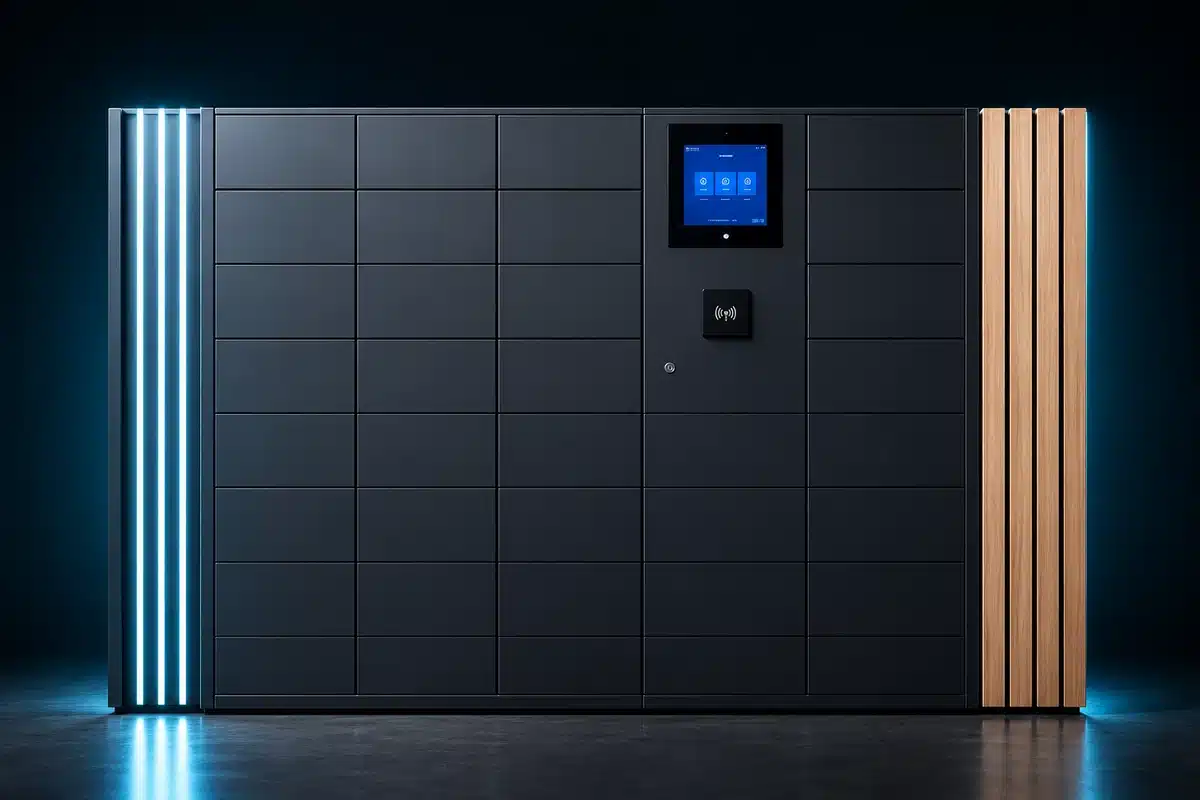


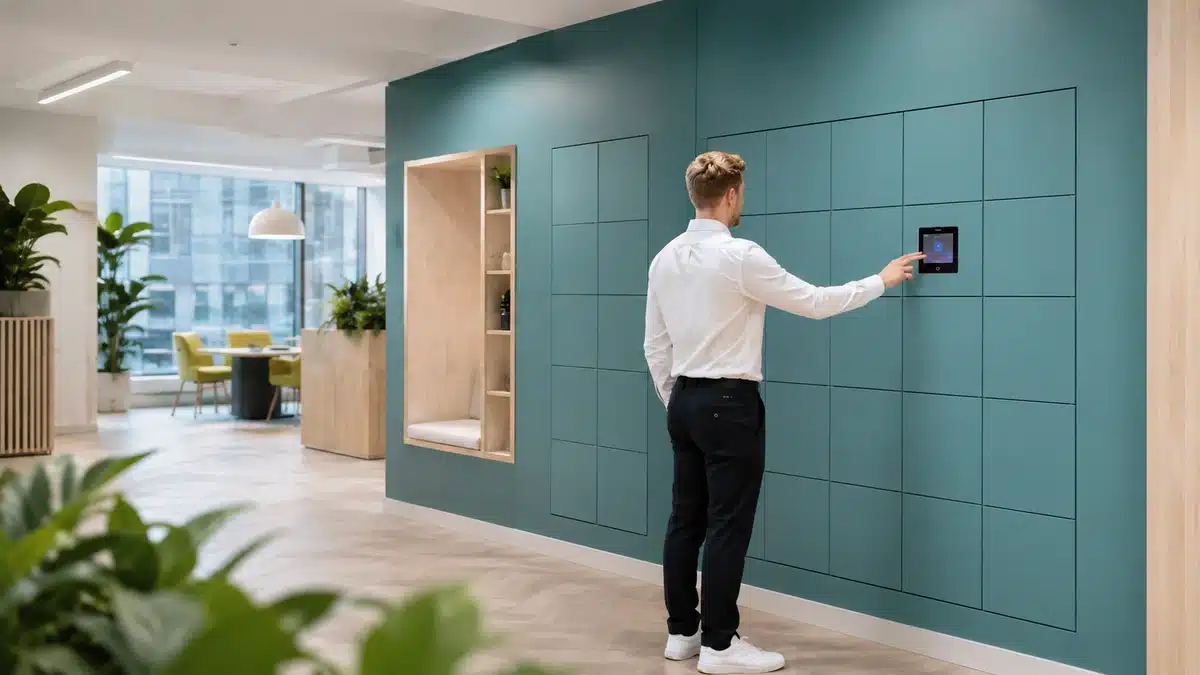

We design and deliver integrated systems for streamlined check-ins, secure storage, and enhanced visitor management. Our trusted partner network and focus on sustainability, data security, and customer success drives us to provide the most effective and user-friendly solutions.
We design and deliver integrated systems for streamlined check-ins, secure storage, and enhanced visitor management. Our trusted partner network and focus on sustainability, data security, and customer success drives us to provide the most effective and user-friendly solutions.
Hospitality smart locker case study
Turning luggage storage into a secure self-service guest experience and measurable ancillary revenue stream.
Ostello Bello shows how smart luggage lockers can support early arrivals and late departures while reducing reliance on manual reception-led storage.

First pilot location results
Executive outcomes
Ostello Bello introduced an 84-door smart luggage locker solution to automate guest storage and turn luggage storage into a paid, self-service guest amenity. In the first eight weeks, the deployment processed more than 1,700 luggage-storage transactions and generated €18,000.
The operating model gives guests greater flexibility before check-in and after check-out while reducing the need for reception teams to receive, label, move and retrieve every bag.
Explore the Full Results
The challenge
Guests often need secure luggage storage outside their room access window. In a traditional luggage-room model, reception teams must manage this demand alongside bookings, enquiries, payments, check-ins and guest support.
These challenges are common across hostel luggage storage and hotel luggage storage environments.
Six staff-dependent steps create repeated handling and interruptions at the front desk.
Strategic objectives
Allow luggage storage and collection without waiting for a member of staff.
Remove repetitive bag receipt, tagging, moving and retrieval from reception teams.
Use individual compartments and digitally controlled access instead of shared rooms.
Record transactions, locker activity and access events through a managed digital workflow.
Turn guest storage demand into a measurable paid service rather than a purely manual cost.
Establish a repeatable self-service journey that can support future hospitality locations.
The Vpod solution
The smart luggage locker system gives each guest a secure compartment and digital access journey. The locker management platform records transactions and locker activity, giving authorised teams operational visibility while guests complete storage and collection independently.
Each transaction is recorded digitally, giving operators visibility of usage, locker activity and commercial performance. Explore the wider Vpod smart locker platform and luggage locker solution.
Revenue model
Early arrivals and late departures create predictable demand for secure luggage storage.
Guests can pay for storage as part of the self-service journey, creating a measurable ancillary revenue stream.
The locker provides secure storage without reception teams manually managing each transaction.
Usage, transaction and locker activity data gives operators visibility of commercial performance.
Commercial proof
Ostello Bello operates a multi-property hospitality network across Italy. The commercial results presented here come from the first pilot location, where 84 smart lockers processed more than 1,700 luggage-storage transactions and generated €18,000 in eight weeks.
All commercial figures shown above relate to the first pilot location.

Operational impact
Early arrivals and late departures can store belongings without carrying luggage through the day.
Self-service removes many repetitive storage and retrieval tasks from front-desk teams.
The measured Ostello Bello deployment achieved an average collection time of less than 30 seconds.
Controlled access and recorded locker activity strengthen visibility compared with paper-ticket storage rooms.
Important distinction: percentage efficiency ranges published elsewhere on Vpod are indicative smart luggage locker benchmarks. The performance figures on this page are the measured results from the Ostello Bello pilot.
Why the model works
Traditional luggage rooms require reception teams to receive, tag, record, store, retrieve and verify each bag. Smart lockers replace these staff-led tasks with a digitally controlled self-service journey, reducing manual handling while maintaining operational visibility and secure access.
For busy city hostels, the model can support a higher volume of guests without making luggage storage a permanent reception bottleneck.

Full case study
Download the Ostello Bello case study for the complete story behind the 84-locker pilot, guest journey, operating model and first eight weeks of measured commercial performance.
Video case study
See how secure self-service luggage storage can improve guest convenience, reduce pressure on reception teams and turn early-arrival and late-departure demand into a measurable commercial service.
Open on YouTube
Build the business case
Plan your deployment
Talk to Vpod about locker capacity, guest journeys, payments, access methods, reporting and the commercial model for your hostel or hotel.