


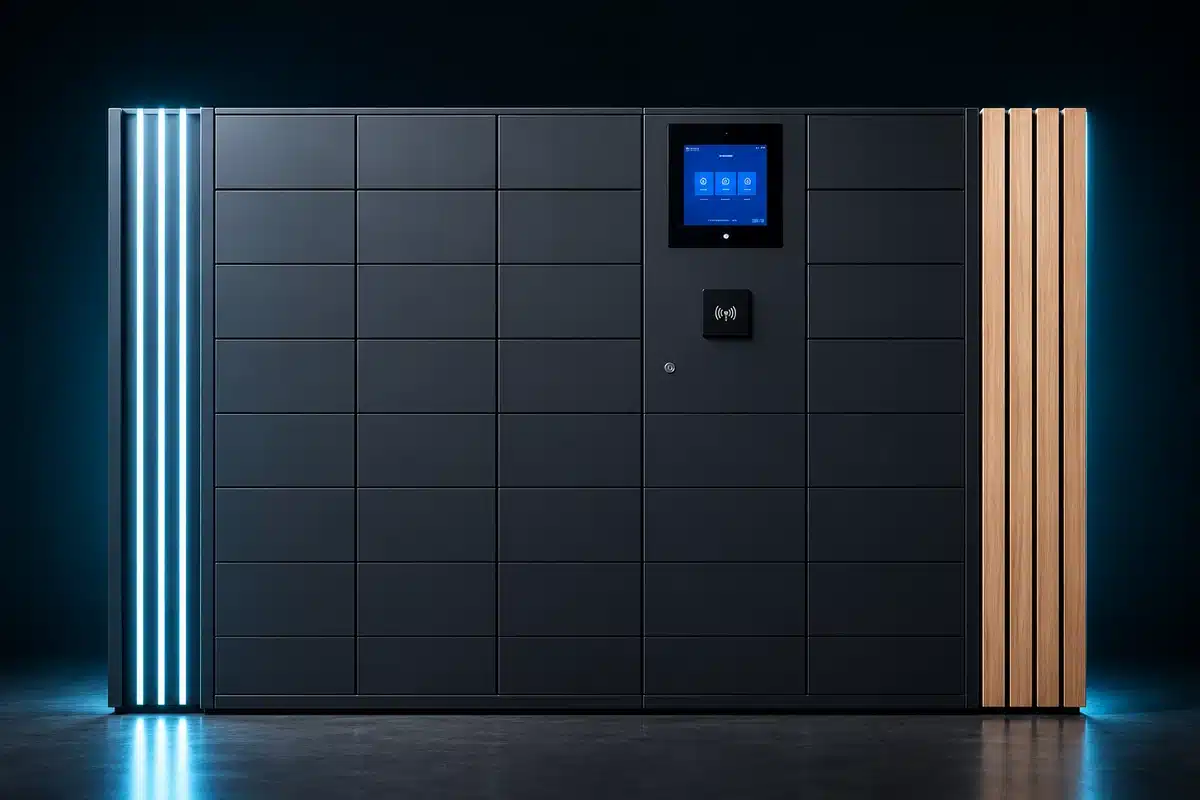




What Is Manual Locker Management?
Manual locker management refers to locker systems that rely on staff intervention throughout the member journey.
This often includes:
<p><p><p><p><p><p><p><p><p><p><p><p><p><p><p><p><p><p><p><p><p><p><p><p><p><p><p><p><p><p><p><ul data-start=”1230″ data-end=”1411″>
- Issuing locker keys
- Managing wristbands
- Resetting locker access
- Handling lost keys
- Responding to locker enquiries
- Checking locker availability
- Coordinating maintenance
As facilities grow, these manual processes become increasingly difficult to manage efficiently.
Why Manual Locker Management Fails at Scale
1. Lost Keys Create Continuous Administration
As more members use lockers:
- More keys go missing
- Wristbands require replacement
- Reception handles increasing enquiries
This leads to:
- Higher operating costs
- Increased staff workload
- Member frustration
2. Staff Spend Too Much Time Managing Lockers
Reception teams regularly interrupt customer service to:
- Issue locker access
- Reset lockers
- Resolve locker issues
Instead of improving the member experience, staff spend valuable time on repetitive administrative tasks.
3. Maintenance Costs Continue to Grow
Traditional lockers contain mechanical locks and moving parts that require ongoing maintenance.
Facilities experience:
- Lock replacements
- Broken doors
- Damaged hinges
- Reactive maintenance
Maintenance budgets continue to increase over time.
4. Peak Periods Expose Operational Weaknesses
Morning sessions.
Swimming lessons.
Evening classes.
Weekend family visits.
During busy periods:
- Locker demand increases
- Reception enquiries grow
- Waiting times become longer
Manual processes struggle to keep pace.
5. No Real-Time Locker Visibility
Managers often cannot see:
- Available lockers
- Occupied lockers
- Out-of-service lockers
- Usage trends
Without live reporting, operations become reactive instead of proactive.
6. Manual Systems Don’t Scale
Growing visitor numbers place increasing pressure on reception, maintenance and operational teams.
Adding more staff only increases labour costs without addressing the root cause.

The Hidden Impact of Manual Locker Management
Higher maintenance costs
Increased staff workload
Poor locker utilisation
Lower member satisfaction
Manual Locker Management: The Key Issues
The Core Problem: Locker Operations Depend on Manual Processes
Manual locker management relies on staff intervention, mechanical locks and outdated processes to keep lockers operational. As visitor numbers increase, these manual tasks consume valuable staff time, increase maintenance requirements and make it harder to deliver a smooth member experience.
1. Lost Keys Reduce Operational Efficiency
Traditional locker systems often rely on physical keys or wristbands that can be lost, damaged or forgotten. Staff must spend time issuing replacements, resetting lockers and assisting members with access problems.
Impact: Increased administrative workload, longer waiting times and unnecessary interruptions to daily operations.
Compare Traditional Lockers vs Smart Leisure Lockers
2. Manual Inspections Increase Maintenance Time
Without remote monitoring, facilities teams must physically inspect lockers to identify faults, damaged locks or lockers that are out of service.
=””>=””>=””>=””>=””>=””>=””>=””>=””>=””>=””>=””>=””>=””>=””>=””>=””>=””>=””>=””>=””>rt=”1258″ data-end=”1331″>This reactive approach consumes maintenance resources and delays repairs.
Impact: Higher maintenance costs, longer repair times and reduced locker availability.
Discover Remote Locker Management
3. Poor Locker Utilisation Wastes Capacity
Traditional locker systems provide little visibility into which lockers are available, occupied or out of service. As a result, members may struggle to find an available locker while others remain unused.
Impact: Lower locker utilisation, member frustration and inefficient use of valuable facility space.
Explore Smart Leisure Lockers
4. Reactive Maintenance Increases Downtime
Mechanical locks, keys and moving components are more likely to wear out over time. Faults are often only identified after a member reports an issue, resulting in unnecessary downtime.
Impact: More out-of-service lockers, higher repair costs and a poorer member experience.
See How Smart Lockers Reduce Maintenance
5. Limited Reporting Restricts Operational Planning
Traditional locker systems offer little insight into usage patterns, occupancy levels or maintenance trends. Without accurate operational data, managers struggle to identify inefficiencies or plan improvements.
Impact: Reactive decision-making, inefficient resource planning and missed opportunities to optimise locker operations.
Discover the Vpod Cloud Platform
4. Manual Locker Processes Increase Operating Costs
Managing keys, wristbands, locker resets and customer enquiries consumes valuable staff time every day.
These repetitive tasks increase labour costs while limiting reception’s ability to focus on customer service.
Impact: Higher operational costs and lower staff productivity.
See How Self-Service Lockers Reduce Reception Workload
5. Limited Operational Data Restricts Continuous Improvement
Traditional locker systems provide little insight into how lockers are being used.
Managers often lack visibility of:
- Peak usage periods
- Locker occupancy
- Usage trends
- Maintenance requirements
Impact: Reactive decision-making, inefficient resource planning and missed opportunities to improve operations.
Why Traditional Locker Management Creates Operational Bottlenecks
Manual Locker Management Becomes an Operational Burden
As leisure facilities become busier, managing lockers manually becomes increasingly time-consuming. What starts as a simple process soon creates unnecessary administration for reception, operations and facilities teams.
Common challenges include:
- Lost locker keys and wristbands
- Manual locker allocation
- Frequent member enquiries
- Increased staff workload
- Slower daily operations
Every manual task reduces operational efficiency and limits staff productivity.
Mechanical Locker Systems Increase Maintenance
Traditional lockers rely on mechanical locks, keys and moving components that require ongoing maintenance throughout their lifecycle.
Common challenges include:
- Lock replacements
- Broken doors and hinges
- Reactive maintenance call-outs
- Out-of-service lockers
- Increasing repair costs
As maintenance requirements grow, locker availability falls while operating costs continue to rise.
Limited Visibility Makes Locker Management Reactive
Traditional locker systems provide little visibility into how lockers are being used or performing.
Without real-time management tools, operators often struggle to monitor:
- Locker availability
- Occupancy levels
- Peak usage periods
- Maintenance issues
- Locker utilisation trends
Without operational data, teams react to problems after they occur rather than preventing them, making it difficult to optimise locker performance as facilities grow.
How Smart Leisure Lockers Eliminate Manual Locker Management
Smart leisure lockers automate locker operations, removing repetitive manual tasks while giving operators complete visibility and control over their locker estate.
Benefits Include:
- Keyless PIN, QR or RFID access
- Automatic locker allocation
- Reduced staff intervention
- Real-time locker availability
- Remote management and monitoring
- Lower maintenance requirements
- Improved member experience
By replacing manual locker processes with secure self-service technology, smart leisure lockers reduce operational costs, improve efficiency and help leisure centres scale without increasing administrative workload.
How CrowdStor Smart Lockers Simplify Locker Management
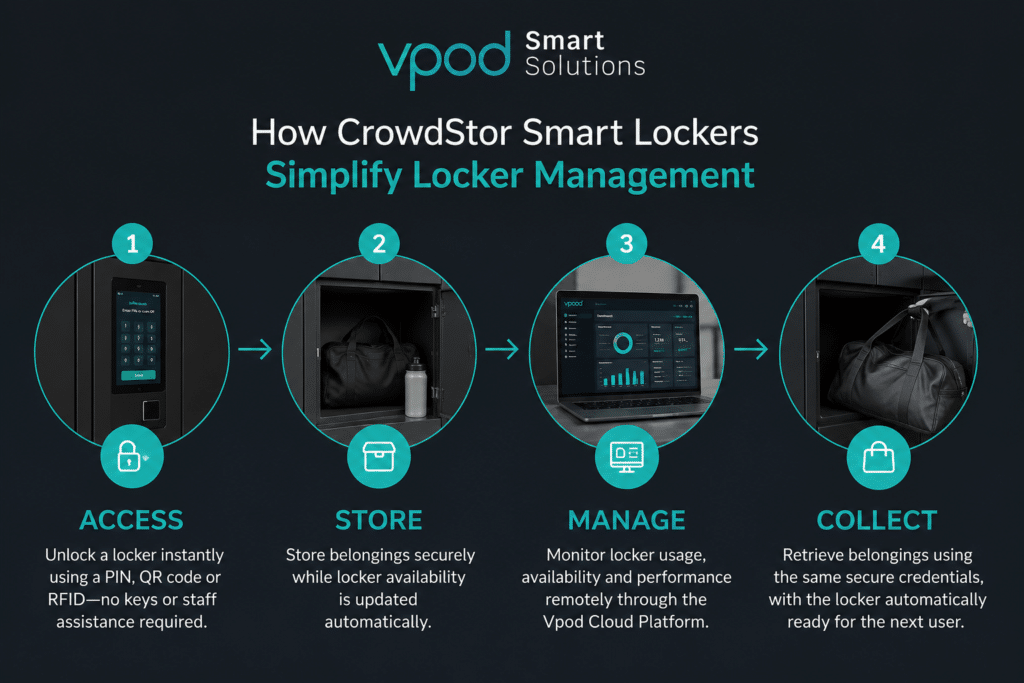
How CrowdStor smart lockers simplify manual locker management
Traditional Lockers vs Smart Leisure Lockers




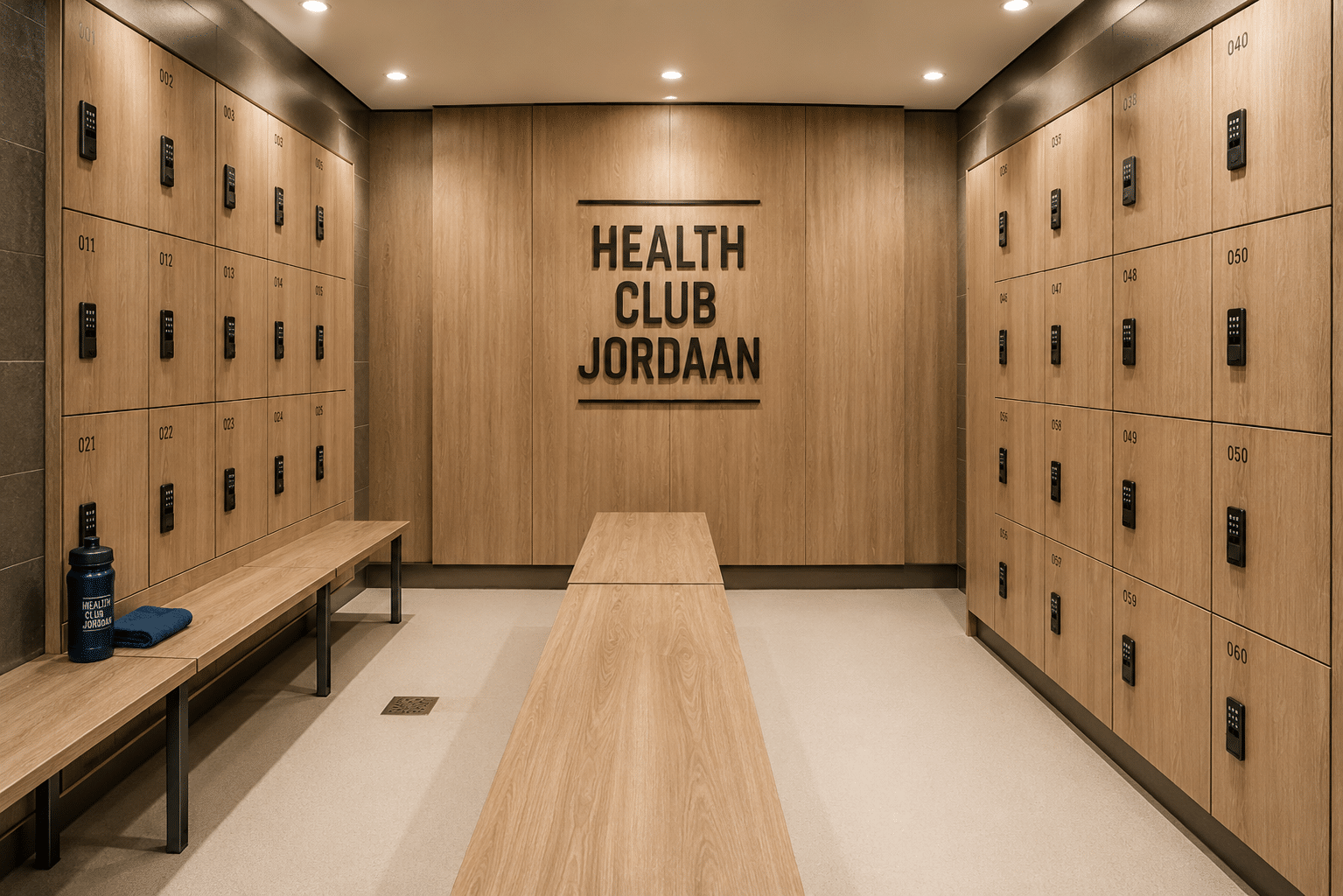
Case Study: Healthclub Jordaan & VPOD
How Healthclub Jordaan Improved Member Storage with Smart Leisure Lockers
Healthclub Jordaan replaced traditional coin-operated lockers with Vpod’s digital PIN lockers to simplify locker management, reduce maintenance and improve convenience for members.
Results Include:
- 188 smart leisure lockers installed
- No keys or coin deposits required
- Automatic PIN reset after every use
- Reduced maintenance requirements
- Improved member experience
- Faster self-service locker access
Who Is Affected by Reception Queues in Leisure Centres?
Leisure Centre Operations Teams & Facilities Managers
Leisure Centre Operations Teams
Key Challenges
- Managing locker availability
- Reducing administrative workload
- Improving operational efficiency
- Supporting peak visitor demand
- Delivering consistent member experiences
Operational Pain Points
- Manual locker allocation
- Staff interruptions
- Lost key administration
- Higher operating costs
- Limited operational visibility