





What Causes Reception Queues in Leisure Centres?
Reception queues develop when too many operational processes rely on one location and one team.
Reception staff are often responsible for:</span>
- Member check-in
- Visitor enquiries
- Membership sales
- Class bookings
- Retail purchases
- Locker support
- Lost property
- Payment processing
As visitor numbers increase, reception becomes responsible for more transactions than it was designed to handle.
At scale, this approach becomes increasingly difficult to manage.
Why Reception Queues Break at Scale
1. Growing Visitor Numbers Overwhelm Reception
As leisure facilities become busier:
- More members arrive at the same time
- More visitors require assistance
- Reception staff manage multiple requests simultaneously
This leads to:
- Longer waiting times
- Increased staff pressure
- Reduced service quality
Manual reception processes struggle to scale with growing visitor demand.
2. Locker Administration Slows Customer Service
Traditional lockers often require staff assistance.
Reception teams spend valuable time:
- Issuing locker keys or wristbands
- Resetting locker access
- Resolving locker issues
- Answering locker-related questions
Instead of welcoming members, staff are occupied with repetitive administrative tasks.
3. Peak Times Create Reception Bottlenecks
Most leisure centres experience predictable periods of high demand.
Morning gym sessions.
After-school swimming.
Evening fitness classes.
Weekend family visits.
During these periods:
- Visitors arrive simultaneously
- Reception queues grow quickly
- Waiting times increase across the facility
Even small delays per customer create significant congestion.
4. Too Many Services Depend on Reception
Reception is no longer just a check-in desk.
It often supports:
- Membership enquiries
- Class bookings
- Retail sales
- Café payments
- Locker management
- General customer support
The more responsibilities assigned to reception, the slower every customer interaction becomes.
5. Traditional Reception Models Don’t Scale
As leisure centres grow, visitor demand increases faster than reception capacity.
Many operators respond by adding more staff.
However, increasing staffing costs does not eliminate the operational bottleneck.
Without introducing self-service technology, reception remains the single point of failure for the member journey.
6. Limited Visibility Creates Operational Challenges
Many traditional locker systems provide little operational insight.
Managers often cannot see:
- Locker availability
- Peak locker demand
- Locker usage trends
- Faults requiring maintenance
Without real-time visibility, problems are only identified after customers experience delays.
→ Compare staff cost vs locker automation ROI

The Hidden Impact of Reception Queues
Poor Member Experience
Reduced Staff Productivity
Operational Inefficiency
Higher Operating Costs
Reception Queue Management: The Key Issues
The Core Problem: Too Many Processes Depend on Reception
Reception queues rarely develop because staff aren’t working efficiently.
They develop when locker management, member services and visitor enquiries all rely on the same reception team, creating operational bottlenecks that become increasingly difficult to manage as visitor numbers grow.
1. Reception Staff Spend Too Much Time on Locker Administration
Traditional locker systems often require staff to issue keys, reset locker access and respond to locker-related enquiries throughout the day.
Impact: Less time supporting members, increased staff interruptions and reduced customer service quality.
2. Poor Arrival Experiences Affect Member Satisfaction
The first few minutes of a visit influence how members perceive the entire leisure facility.
Long waits at reception create frustration before visitors even reach the changing rooms or activity areas.
Impact: Lower member satisfaction, increased complaints and reduced customer loyalty.
Guide: Improving the Member Journey with Smart Lockers
3. Limited Locker Availability Creates Frustration
Without real-time visibility, members often struggle to find available lockers during busy periods.
Staff must then spend additional time resolving availability issues.
Impact: Poor locker utilisation, longer waiting times and unnecessary reception enquiries.
4. Manual Locker Processes Increase Operating Costs
Managing keys, wristbands, locker resets and customer enquiries consumes valuable staff time every day.
These repetitive tasks increase labour costs while limiting reception’s ability to focus on customer service.
Impact: Higher operational costs and lower staff productivity.
See How Self-Service Lockers Reduce Reception Workload
5. Limited Operational Data Restricts Continuous Improvement
Traditional locker systems provide little insight into how lockers are being used.
Managers often lack visibility of:
- Peak usage periods
- Locker occupancy
- Usage trends
- Maintenance requirements
Impact: Reactive decision-making, inefficient resource planning and missed opportunities to improve operations.
Why Traditional Reception Management Creates Bottlenecks
Reception Becomes the Operational Bottleneck
As visitor numbers grow, reception teams become responsible for an increasing number of administrative tasks alongside customer service.
Common challenges include:
- Longer queues
- Repetitive locker administration
- Increased staff workload
- Reduced member satisfaction
→ Compare capex vs opex locker model
Manual Locker Processes Reduce Efficiency
Traditional locker systems rely heavily on staff intervention.
Challenges include:
- Issuing keys or wristbands</span>
- Lost key administration
- Locker resets
- Customer support requests
Every manual interaction increases queue times.
Limited Self-Service Slows Visitor Flow
Modern members increasingly expect digital, self-service experiences.
Without automated locker access:
- More visitors rely on reception
- Customer journeys take longer
- Staff interruptions increase
- Queue lengths continue to grow
How Smart Leisure Lockers Reduce Reception Queues
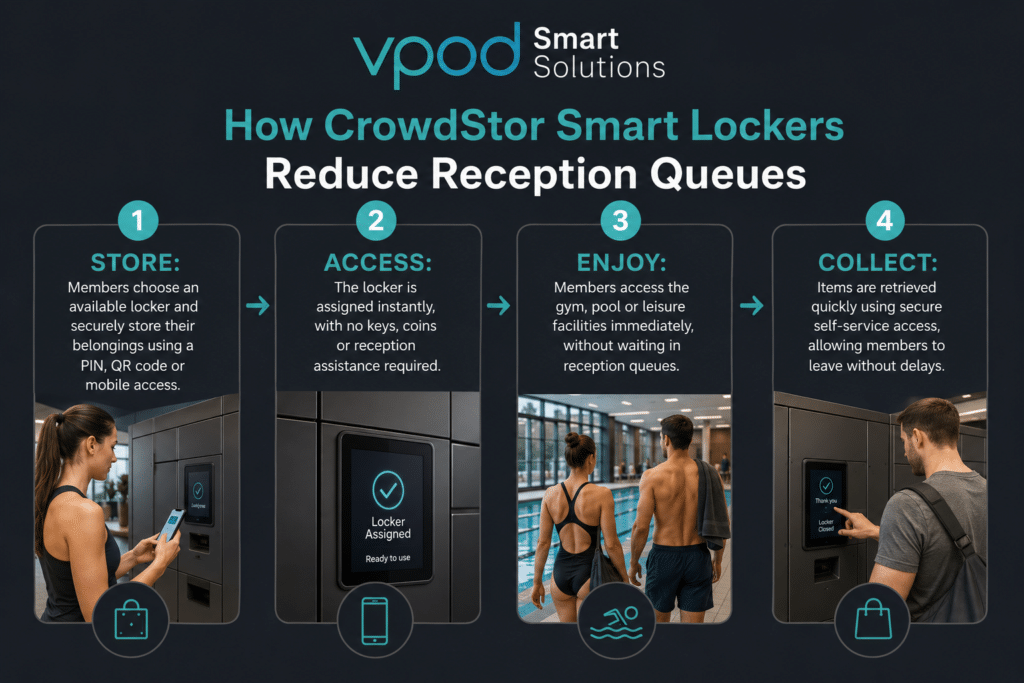
Smart leisure lockers create a faster, self-service member journey by removing the need for reception teams to manage locker access.
Benefits Include:
- Instant self-service locker access
- Reduced reception queues
- Faster visitor flow
- Keyless PIN, QR or RFID access
- Less staff intervention
- Real-time locker availability
- Improved member experience
By automating locker allocation and providing secure self-service access, smart leisure lockers help leisure centres improve operational efficiency, reduce reception workload and support growing visitor numbers without increasing staffing requirements.
How CrowdStor Smart Lockers Reduce Reception Queues
Traditional Reception Management vs Smart Leisure Lockers




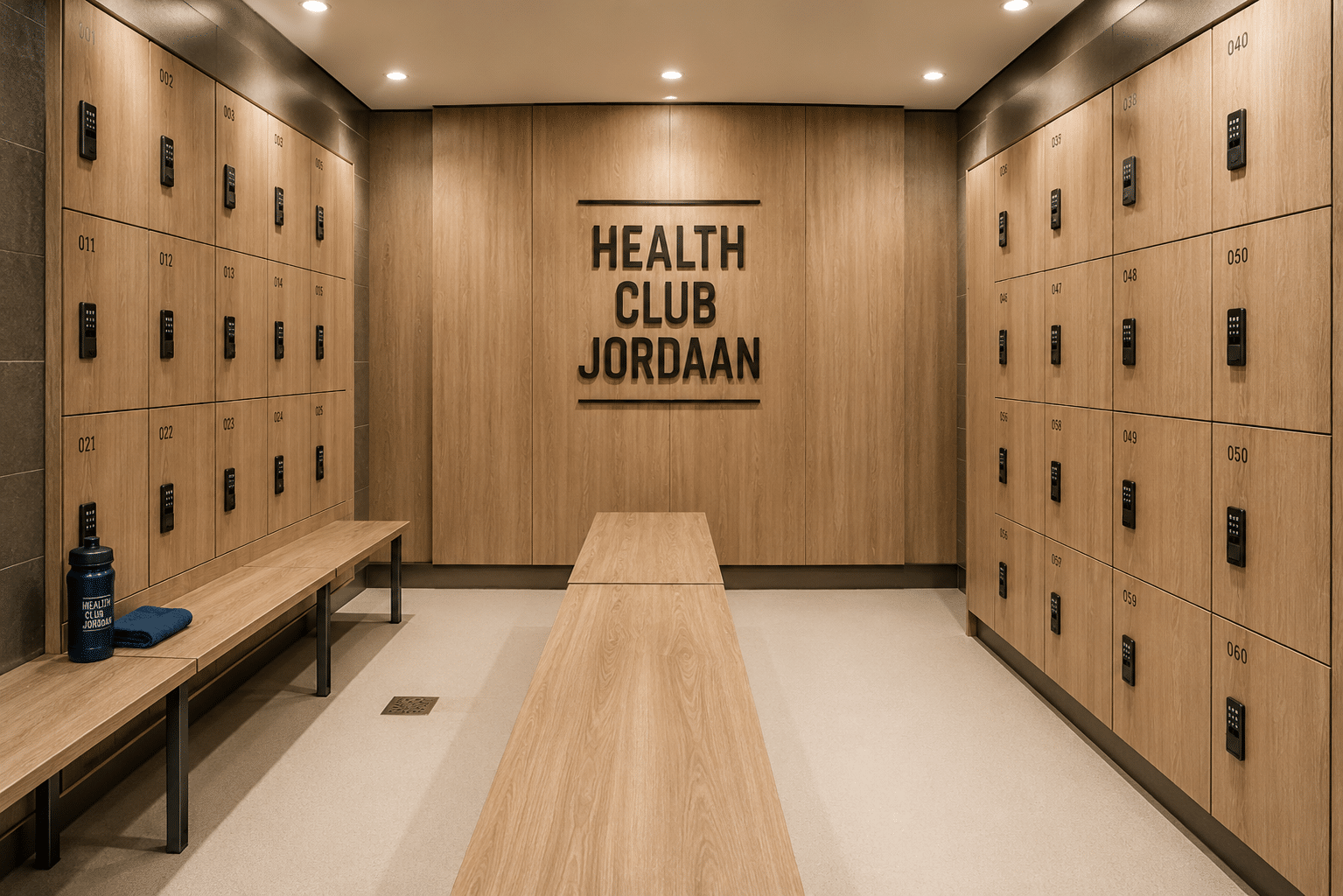
Case Study: Healthclub Jordaan & VPOD
How Healthclub Jordaan Improved Member Storage with Smart Leisure Lockers
Healthclub Jordaan upgraded from traditional coin-operated lockers to Vpod’s digital PIN lockers, creating a more convenient and secure storage experience for members while reducing ongoing maintenance and staff involvement.
Results Include:
- 188 smart leisure lockers installed
- 0 lost keys or £2 coin deposits
- 1x automatic PIN reset after every use
- Reduced locker maintenance
- Improved member experience
- Faster self-service access
Who Is Affected by Reception Queues in Leisure Centres?
Leisure Centre Operations Managers & Frontline Teams
Leisure Centre Operations Managers & Frontline Teams
Key Challenges
- Managing peak visitor arrivals
- Reducing reception queues</span>
- Improving visitor flow
- Supporting staff during busy periods
- Delivering efficient daily operations
Operational Pain Points
- Reception bottlenecks
- Increased staff workload
- Longer member waiting times
- Reduced operational efficiency
- Higher staffing costs