
Padel Club Lockers vs No Storage | Why Storage Matters More Than You Think

Compare padel club lockers vs no storage to understand how storage impacts operations, guest experience, and revenue.

Many padel clubs launch without structured storage.

At first, it seems manageable.

But as usage increases:

  • Storage becomes a visible operational problem

The choice is simple:

  • unmanaged belongings or structured, scalable storage

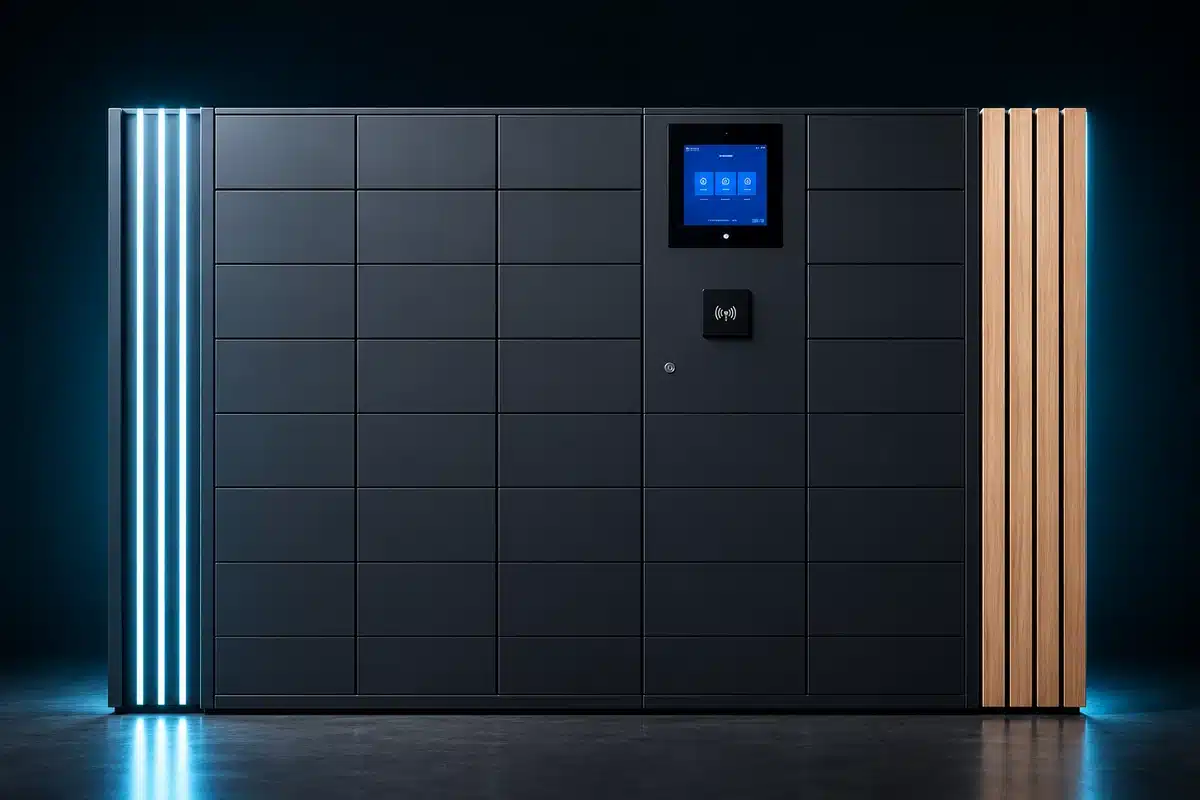
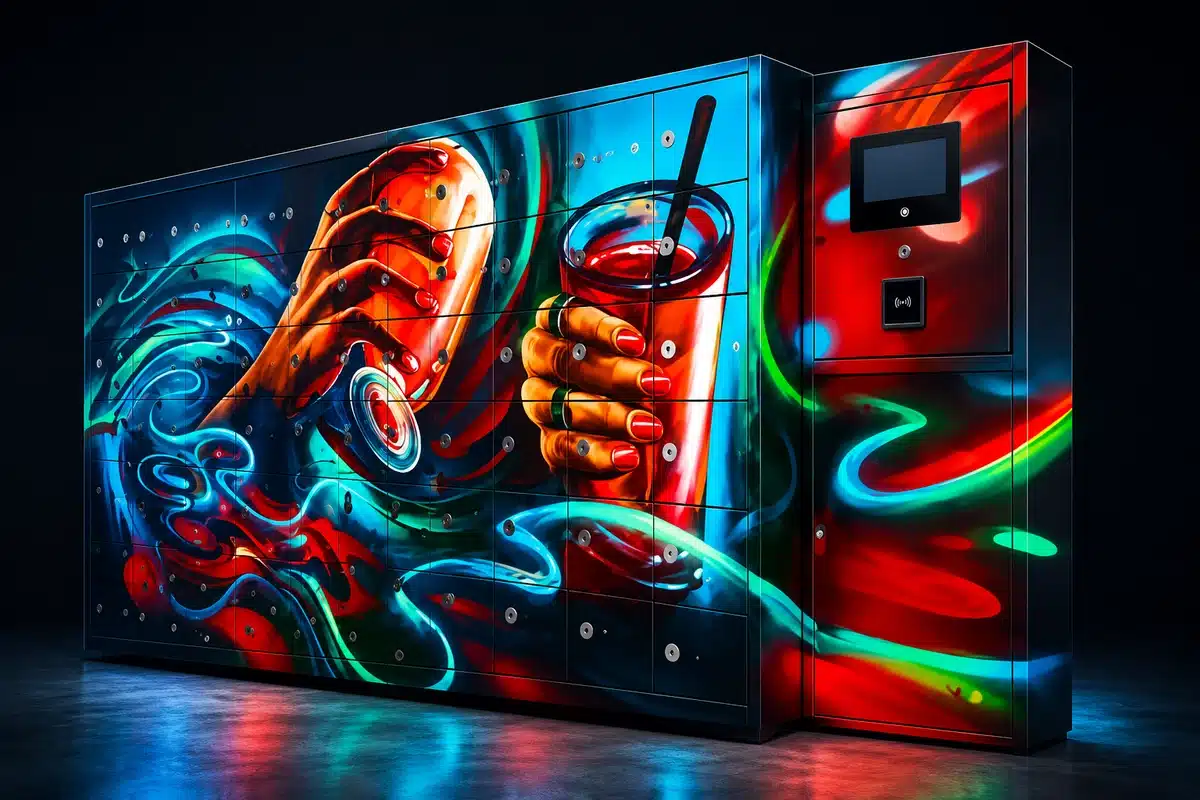
See how smart locker systems provide structured, self-service storage for high-traffic leisure environments.

The Connected Padel Club: Why Locker Systems Transform Player Experience

As padel clubs grow, unmanaged storage quickly becomes a visible operational problem — cluttered courts, distracted staff, and inconsistent player experience.

This video shows how connected locker systems introduce structure, control, and flow into padel environments. By removing friction at arrival and creating secure, self-service storage, clubs can operate more efficiently while delivering a premium experience to every player.

See how locker infrastructure transforms padel clubs from reactive spaces into organised, scalable operations.

See how leisure locker systems improve player flow, reduce congestion, and support high-turnover environments.

Padel Club Lockers vs No Storage — Quick Comparison

No Storage (Unmanaged)
Ad hoc, informal process
Friction-heavy experience
High reception involvement
Low security, no control
Congestion at peak times
Poor scalability as usage grows
No revenue or visibility
Padel Club Lockers
Structured, self-service system
Smooth, organised experience
Minimal staff involvement
Secure, controlled storage
Reduced congestion, better flow
Scalable for high turnover
Optional revenue + usage tracking

Padel Club Lockers vs No Storage — Full Comparison

Operational control and player experience
Security, space efficiency, and staff impact
Scalability, revenue potential, and long-term value
Category
Operational Model
Setup & Infrastructure
Deployment
Daily Operation
Throughput
Transaction Speed
Queue Formation
Peak-Time Performance
Player Flow
Reception Impact
Staffing Requirement
Staff Productivity
Consistency
Scalability
Multi-Court Operations
Security
Access Control
Audit Trail
Accountability
Theft / Loss Risk
Dispute Risk
Equipment Management
Shared Equipment Control
Space Efficiency
Club Appearance
Brand Perception
User Experience
Member Satisfaction
Retention Impact
Revenue Opportunity
Monetisation Flexibility
Cost to Operate
Operational Risk
Data & Visibility
Decision-Making Insight
Long-Term Viability
Operational Maturity
Overall Outcome
No Storage (Unmanaged)
Informal, reactive
No defined system
Immediate but unstructured
Constant staff intervention
Slows under peak demand
Variable, uncontrolled
Congestion at reception/courts
Breaks under pressure
Disrupted by belongings
High interruption (“watch my bag”)
Ongoing disruption to staff
Reduced
Varies by time/day
Poor — worsens with growth
Increased clutter and confusion
Low — unattended belongings
None
No tracking
Unclear responsibility
High
Frequent
Untracked
Manual / inconsistent
Bags in walkways / reception
Cluttered, unprofessional
Low-quality experience
Friction, uncertainty
Reduced
Negative at scale
None
Not possible
Hidden operational cost
High (errors, disruption)
None
No data
Unsustainable at scale
Early-stage workaround
Reactive, inefficient
Padel Club Lockers
Structured, system-driven
Dedicated locker infrastructure
Planned, scalable deployment
Fully self-service
High-speed, continuous flow
~5–10 seconds per use
Minimal / no queues
Stable and predictable
Smooth and uninterrupted
Minimal involvement
Low / near-zero involvement
Protected for core tasks
Standardised experience
High — grows with demand
High — secure compartments
PIN / app / controlled access
Full usage visibility
User-linked accountability
Low
Minimal
Controlled issue & return
Trackable and auditable
Dedicated storage zones
Clean, organised
Premium, modern facility
Smooth, predictable
Improved
Positive
Optional paid storage
Flexible pricing models
Lower cost-to-serve
Low (controlled system)
Real-time usage insights
Data-driven optimisation
Designed for growth
Professional system
Scalable, high-performance
No Storage (Unmanaged)
Operational Model
Informal, reactive
Setup & Infrastructure
No defined system
Deployment
Immediate but unstructured
Daily Operation
Constant staff intervention
Throughput
Slows under peak demand
Transaction Speed
Variable, uncontrolled
Queue Formation
Congestion at reception/courts
Peak-Time Performance
Breaks under pressure
Player Flow
Disrupted by belongings
Reception Impact
High interruption (“watch my bag”)
Staffing Requirement
Ongoing disruption to staff
Staff Productivity
Reduced
Consistency
Varies by time/day
Scalability
Poor — worsens with growth
Multi-Court Operations
Increased clutter and confusion
Security
Low — unattended belongings
Access Control
None
Audit Trail
No tracking
Accountability
Unclear responsibility
Theft / Loss Risk
High
Dispute Risk
Frequent
Equipment Management
Untracked
Shared Equipment Control
Manual / inconsistent
Space Efficiency
Bags in walkways / reception
Club Appearance
Cluttered, unprofessional
Brand Perception
Low-quality experience
User Experience
Friction, uncertainty
Member Satisfaction
Reduced
Retention Impact
Negative at scale
Revenue Opportunity
None
Monetisation Flexibility
Not possible
Cost to Operate
Hidden operational cost
Operational Risk
High (errors, disruption)
Data & Visibility
None
Decision-Making Insight
No data
Long-Term Viability
Unsustainable at scale
Operational Maturity
Early-stage workaround
Overall Outcome
Reactive, inefficient
Padel Club Lockers
Operational Model
Structured, system-driven
Setup & Infrastructure
Dedicated locker infrastructure
Deployment
Planned, scalable deployment
Daily Operation
Fully self-service
Throughput
High-speed, continuous flow
Transaction Speed
~5–10 seconds per use
Queue Formation
Minimal / no queues
Peak-Time Performance
Stable and predictable
Player Flow
Smooth and uninterrupted
Reception Impact
Minimal involvement
Staffing Requirement
Low / near-zero involvement
Staff Productivity
Protected for core tasks
Consistency
Standardised experience
Scalability
High — grows with demand
Multi-Court Operations
High — grows with demand
Security
High — secure compartments
Access Control
PIN / app / controlled access
Audit Trail
Full usage visibility
Accountability
User-linked accountability
Theft / Loss Risk
Low
Dispute Risk
Minimal
Equipment Management
Controlled issue & return
Shared Equipment Control
Trackable and auditable
Space Efficiency
Dedicated storage zones
Club Appearance
Clean, organised
Brand Perception
Premium, modern facility
User Experience
Smooth, predictable
Member Satisfaction
Improved
Retention Impact
Positive
Revenue Opportunity
Optional paid storage
Monetisation Flexibility
Flexible pricing models
Cost to Operate
Lower cost-to-serve
Operational Risk
Low (controlled system)
Data & Visibility
Real-time usage insights
Decision-Making Insight
Data-driven optimisation
Long-Term Viability
Designed for growth
Operational Maturity
Professional system
Overall Outcome
Scalable, high-performance

What Happens Without Storage

Typical Scenario
  • Players arrive with bags
  • Items placed around courts or reception
  • Valuables left unattended
Resulting Issues
  • Cluttered spaces
  • Security concerns
  • Reception interruptions
  • Inconsistent experience

The Hidden Operational Problems

Without structured storage, padel clubs experience increasing operational pressure as usage grows.
No Storage (Unmanaged)

Staff are constantly interrupted with questions like:

“Can you watch my bag?”
“Where can I leave this?”

At peak times, multiple players arrive simultaneously, creating congestion around courts and reception areas.

With no tracking or accountability, belongings are left unattended — increasing the risk of loss, disputes, and inconsistent player experience.

 This creates ongoing operational disruption

Compare manual storage vs smart lockers to understand how structured systems eliminate these inefficiencies.

Padel Club Lockers

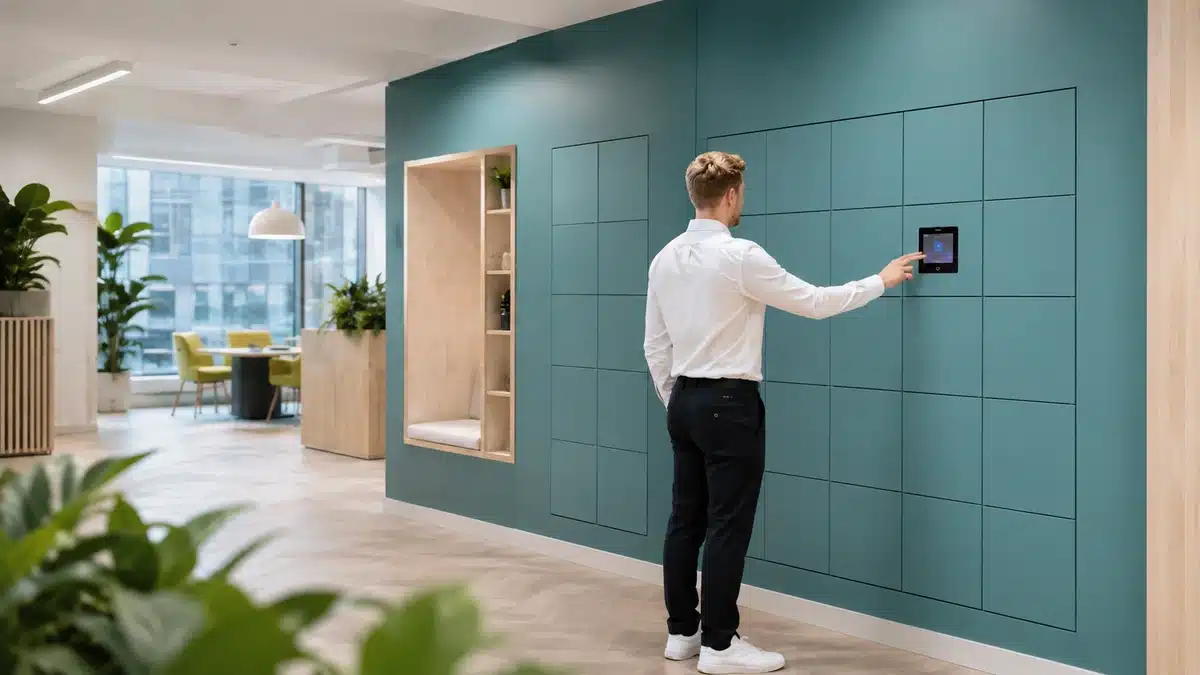
Lockers remove the need for staff involvement by giving players a clear, self-service storage option.

Items are stored securely, congestion is reduced, and reception teams can stay focused on core operations.

With controlled access and structured storage, clubs gain visibility, accountability, and a more consistent experience during peak demand.

This restores control and improves operational flow

Impact on Player Experience

Without Storage
  • Uncertainty
  • Inconvenience
  • Reduced comfort
With Lockers
  • Secure belongings
  • Frictionless arrival
  • Better experience

How Padel Lockers Work

Typical Workflow
  1. Player stores belongings
  2. Access via PIN or app
  3. Retrieves items after session
Key Benefits

Operational Impact

No Storage
  • Reactive management
  • Inconsistent processes
  • Visible clutter
Lockers
  • Predictable flow
  • Organised spaces
  • Reduced staff workload

Peak-Time Performance

Without Lockers
  • Players overlap
  • Congestion builds
  • Delays between sessions
With Lockers
  • Fast changeovers
  • Smooth flow
  • Consistent experience

Equipment Management & Control

Without Lockers

Shared equipment is left untracked, increasing the risk of loss, damage, or misuse.

Staff rely on manual processes to manage equipment, with no clear visibility over who is using what.

This creates inefficiency, reduces accountability, and makes it difficult to maintain professional standards.

  • This limits operational control
With Lockers

Lockers enable controlled issue and return of equipment, with clear tracking of usage.

Each interaction is recorded, improving accountability and reducing loss or misuse.

This allows clubs to manage shared equipment more efficiently while maintaining a consistent, professional operation.

  • This creates structured, trackable equipment management

Revenue Opportunity

No Storage
  • No monetisation
  • Space used inefficiently
Lockers

Space Efficiency

Without Storage
  • Bags in walkways
  • Cluttered reception
  • Inefficient use of space
With Lockers
  • Dedicated storage zones
  • Organised layout
  • Cleaner environment

Real-World Scenario

Busy Evening at a Padel Club
No Storage
  • Multiple players arrive at once
  • Bags placed around courts
  • Reception overwhelmed
With Lockers
  • Players store items instantly
  • Reception stays focused
  • Flow remains smooth

When No Storage Works

Only viable if:
Very low traffic
Small club
Minimal equipment use

When Lockers Are Essential

Recommended if:
  • High turnover bookings
  • Peak evening demand
  • Premium member experience
  • Multiple courts

The Strategic Difference

No storage is:

  • Unmanaged

Lockers are:

  • Operational infrastructure

This is the difference between:

  • Reacting to problems vs preventing them

Explore smart locker solutions designed for high-demand, multi-court, and premium leisure environments.

Final Verdict

No storage may work at launch, but it doesn’t scale—padel lockers deliver a better player experience, smoother operations, and a stronger brand, making them essential for professional, growing clubs.

Transform your padel club with scalable locker infrastructure designed to improve flow, reduce staff workload, and enhance player experience.

Eliminate clutter, reduce staff interruptions, and deliver a premium player experience with structured, self-service locker systems designed for high-performance padel environments.