




What Is Manual Storage in Venues?
Manual storage refers to any system where staff are responsible for:
- Receiving items
- Tagging or logging them
- Physically storing them
- Retrieving them on request
Common examples include:
- Event cloakrooms
- Hotel luggage rooms
- Parcel rooms in offices
- Bag storage at venues
Why Manual Storage Fails at Scale
1. Linear Processing Limits Throughput
Manual systems operate in a one-to-one model:
- One staff member
- One transaction at a time
Typical capacity:
- 60–120 transactions per hour per staff member
At scale, this creates an immediate constraint.
Demand grows exponentially. Capacity does not.
2. Peak Demand Overwhelms the System
In most venues:
- Large volumes arrive in short time windows
- Demand is unpredictable
- Peaks are intense
This results in:
- Instant queue formation
- Backlogs
- Service delays
3. Double Handling Creates Bottlenecks
Manual storage requires:
- Drop-off handling
- Storage allocation
- Retrieval handling
This creates multiple friction points in a single process.
At events, this leads to:
- Entry delays
- Exit congestion
4. Staff Dependency Creates Fragility
Manual systems rely entirely on people:
- Staff availability
- Training levels
- Speed and accuracy
This introduces:
- Inconsistency
- Human error
- Operational risk
5. Space Becomes a Limiting Factor
Manual storage requires:
- Physical rooms
- Shelving or racking
- Sorting areas
At scale:
- Space fills quickly
- Organisation becomes difficult
- Retrieval times increase
6. Error Rates Increase with Volume
As volume increases:
- Items are misplaced
- Tickets are lost
- Wrong items are returned
This leads to:
- Customer complaints
- Operational delays
- Reputational damage

The Hidden Impact of Manual Storage Failure
Security Risk
High Operating Costs
Poor User Experience
Operational Inefficiency
Why Traditional Improvements Don’t Work
Expand Storage Areas
- Space constraints
- Higher operational complexity
Improve Tracking Systems
- Reduces errors slightly
- Does not increase throughput
Optimise Processes
- Marginal gains
- Still fundamentally manual
The Core Problem: Linear Systems vs Scaled Demand
The rate of arrival exceeds the rate of entry.
Manual storage operates in a linear model:
- Sequential processing
- Staff-dependent
- Fixed capacity
Venues operate in a peak-demand model:
- Sudden surges
- High volume
- Time pressure
Linear systems cannot handle peak demand at scale.
Pre Entry Smart Storage Lockers
To replace manual storage, venues must shift to:
- Self-service systems
- Parallel processing
- Automation
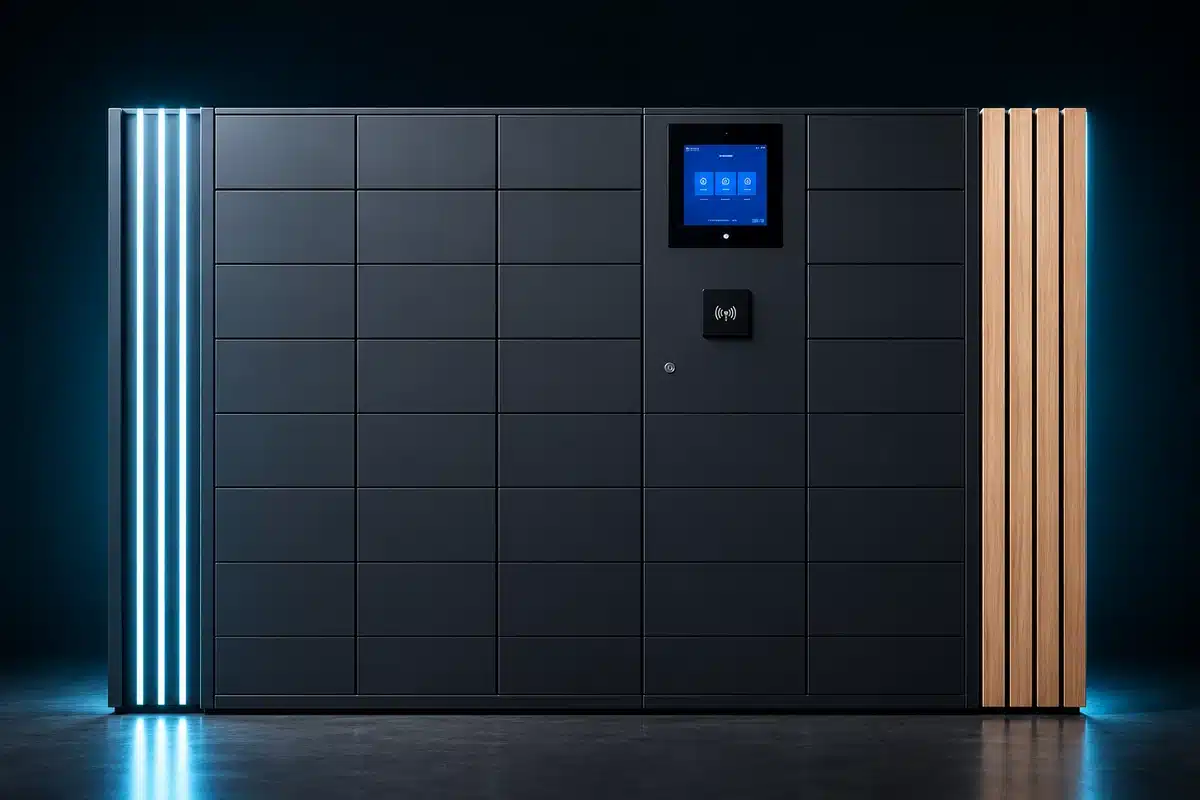
Smart Locker Systems
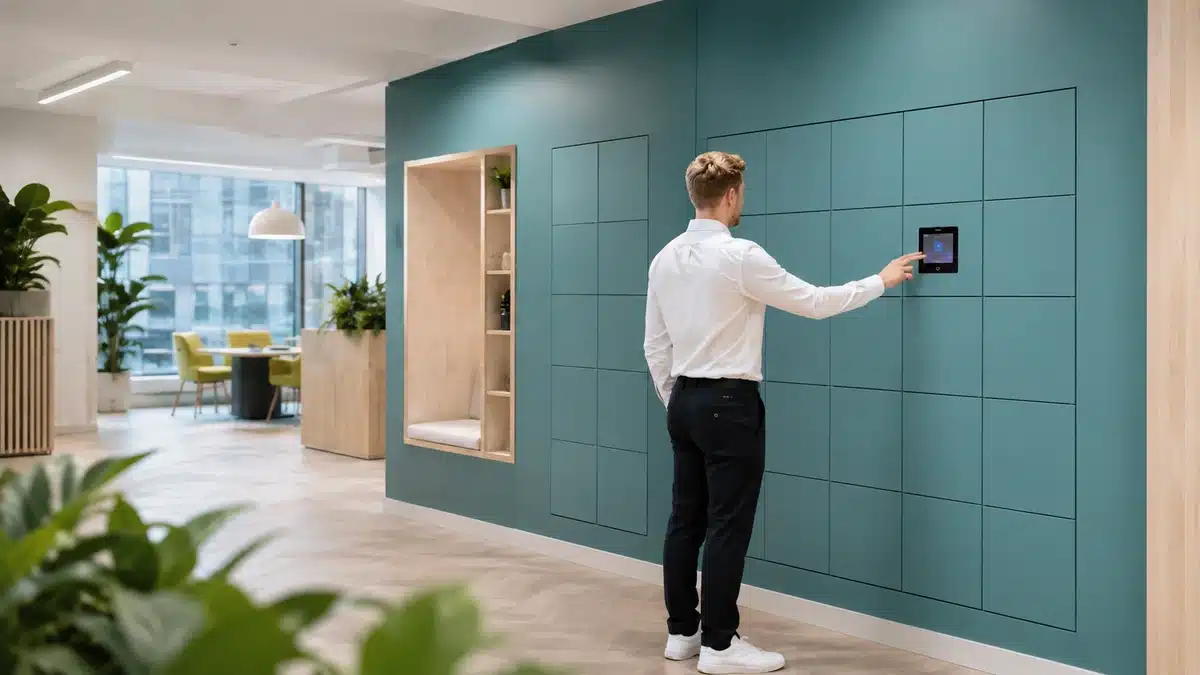
Smart lockers transform storage by:
Enabling parallel usage
- Hundreds of users at once
- No queue dependency
Removing staff from the process
- Lower operational cost
- Reduced error
Increasing throughput dramatically
- Instant storage and retrieval
- No bottlenecks
Reducing congestion across the venue
- Faster entry and exit
- Improved flow
Operational Impact
Replacing manual storage with smart lockers delivers:
- 3–5x increase in processing capacity
- Significant reduction in queue times
- Lower staffing costs
- Improved security and control
- Better user experience
See: /solutions/event-smart-lockers/
Compare: /bag-searches-vs-pre-entry-locker-storage/
Explore: /martyns-law-event-compliance/
The Bottom Line
Manual storage is not inefficient because of poor management.
It is inefficient because of its design.
At scale, it:
- Creates bottlenecks
- Increases costs
- Introduces risk
It cannot scale with modern venue demand.
The future of storage is:
- Automated
- Self-service
- Built for peak demand
Perimeter Smart Bag Lockers
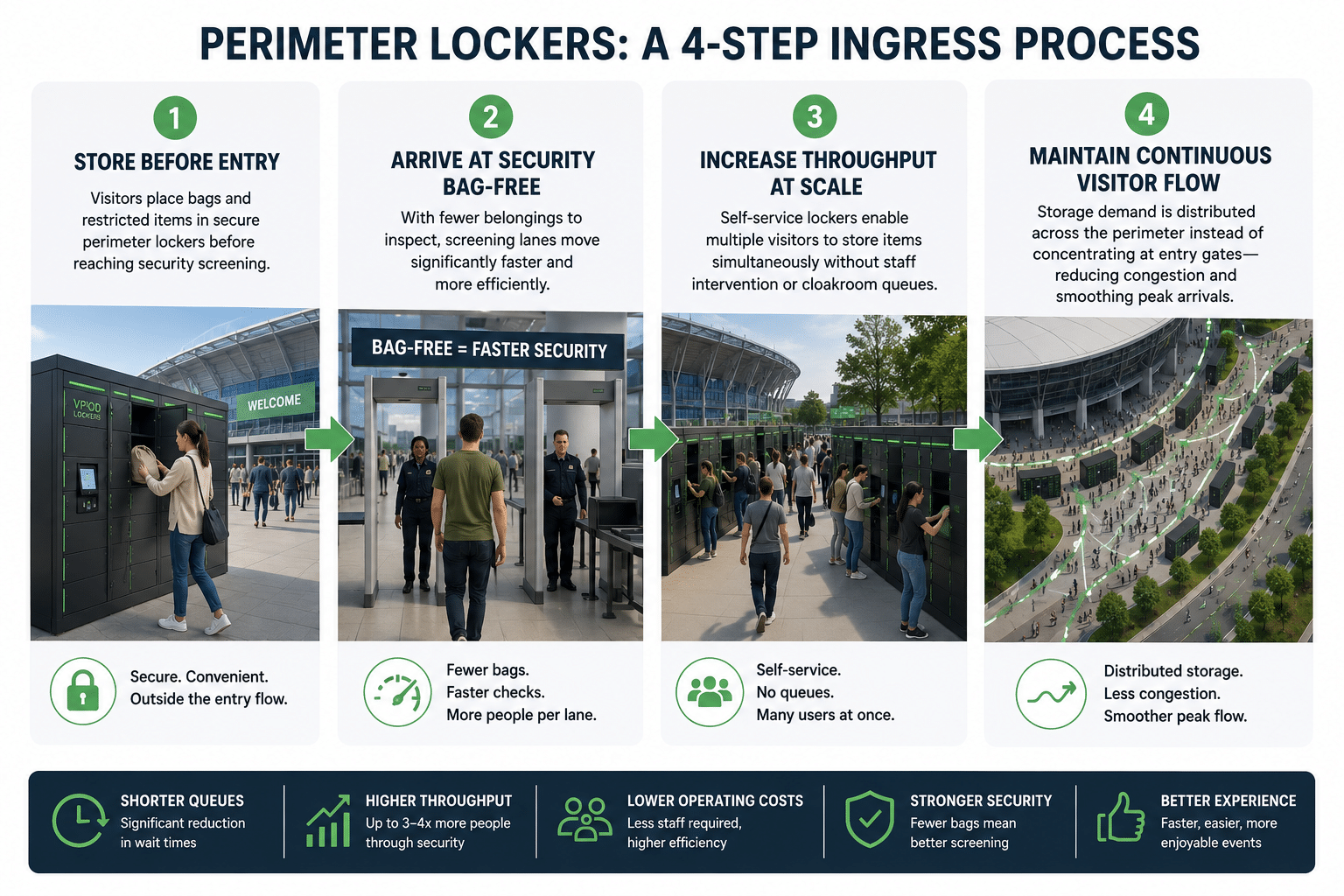
Replace Manual Storage Bottlenecks with Fast, Scalable Self-Service Flow
Increase Throughput Without Increasing Staff
Manual storage systems process one transaction at a time, creating queues and delays during peak demand.
Automated self-service storage enables hundreds of users to store and retrieve items simultaneously — dramatically increasing capacity without scaling staffing costs.
Reduce Congestion, Risk & Operational Pressure
Long cloakroom queues and bag drop bottlenecks create crowding, slower entry, and operational strain across the venue.
Smart locker systems remove friction before it reaches critical areas, improving flow, reducing congestion, and strengthening venue control.
Deliver Faster, Simpler Guest Experiences
Guests no longer wait in long lines to drop off or retrieve belongings.
Automated storage provides instant, self-service access that reduces frustration, shortens wait times, and improves the overall venue experience from entry to exit.
Perimeter Smart Bag Lockers V Manual Storage




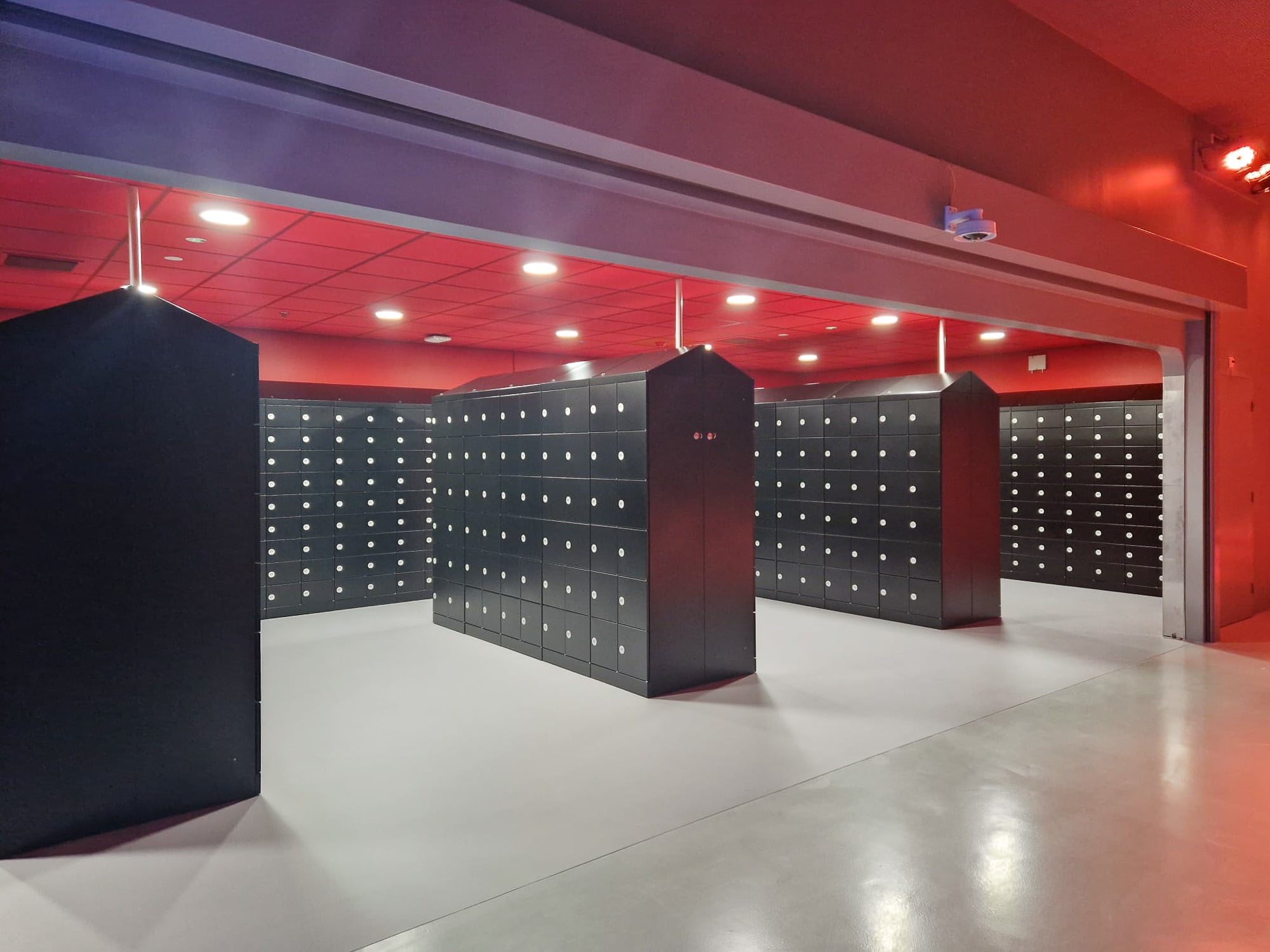
Proven in High-Turnover Event Environments
AFAS
AFAS Live — Scalable Event Locker Deployment
AFAS Live deployed CrowdStor lockers to manage high visitor volumes efficiently during concerts and large-scale events. The system improved entry and exit flow, reduced staff intervention, and delivered a seamless, cashless storage experience for guests.
Related Solutions
Who This Is For
Venue & Stadium Operations Directors / Head of Security
Venue Operations Manager
Area of Responsibility
- Venue flow,
- ingress/egress operations,
- staffing efficiency,
- guest experience
Primary Goals
- Reduce queues,
- improve throughput,
- optimise staffing,
- maintain smooth event operations
Pain Points They Need to Overcome
- Entry bottlenecks,
- cloakroom congestion,
- high staffing costs,
- slow guest movement,
- operational delays during peak demand