Controlled indoor
Inside a conditioned building with managed temperature, limited moisture and controlled public access.
Examples- Workplace and reception
- Retail interior
- Hotel or education building


We design and deliver integrated systems for streamlined check-ins, secure storage, and enhanced visitor management. Our trusted partner network and focus on sustainability, data security, and customer success drives us to provide the most effective and user-friendly solutions.


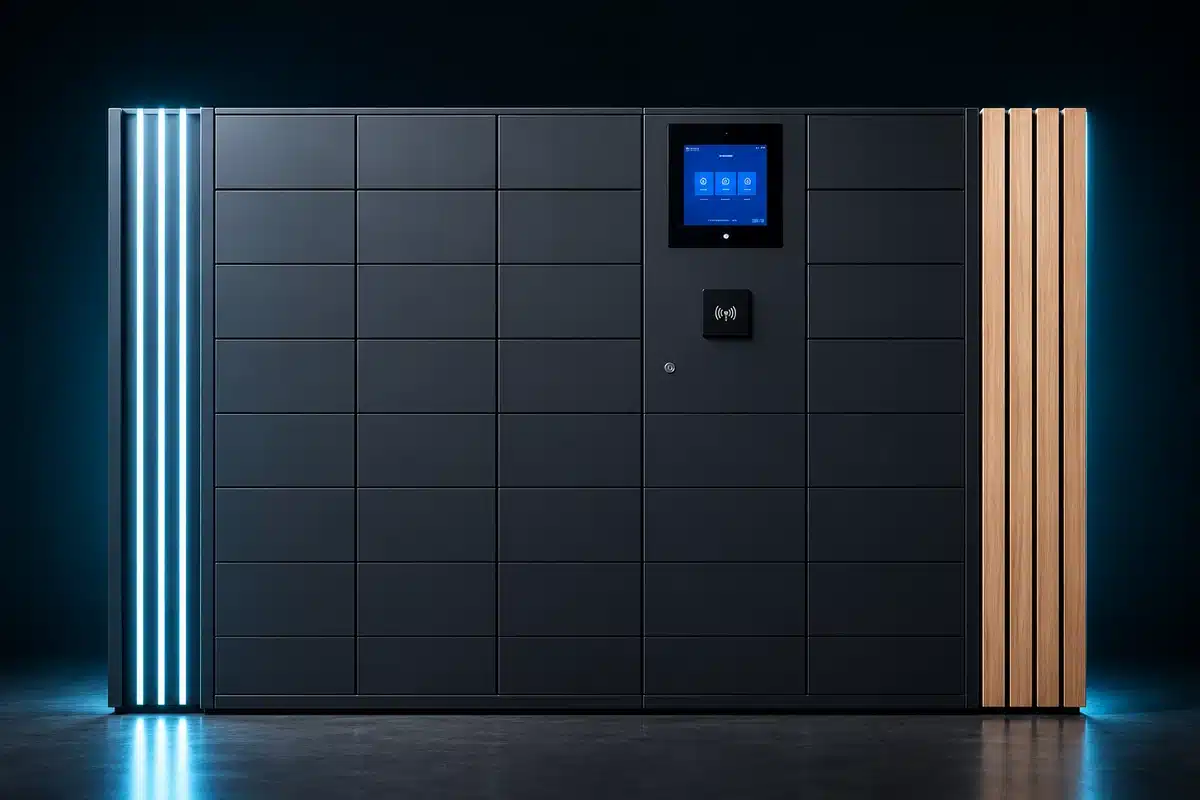
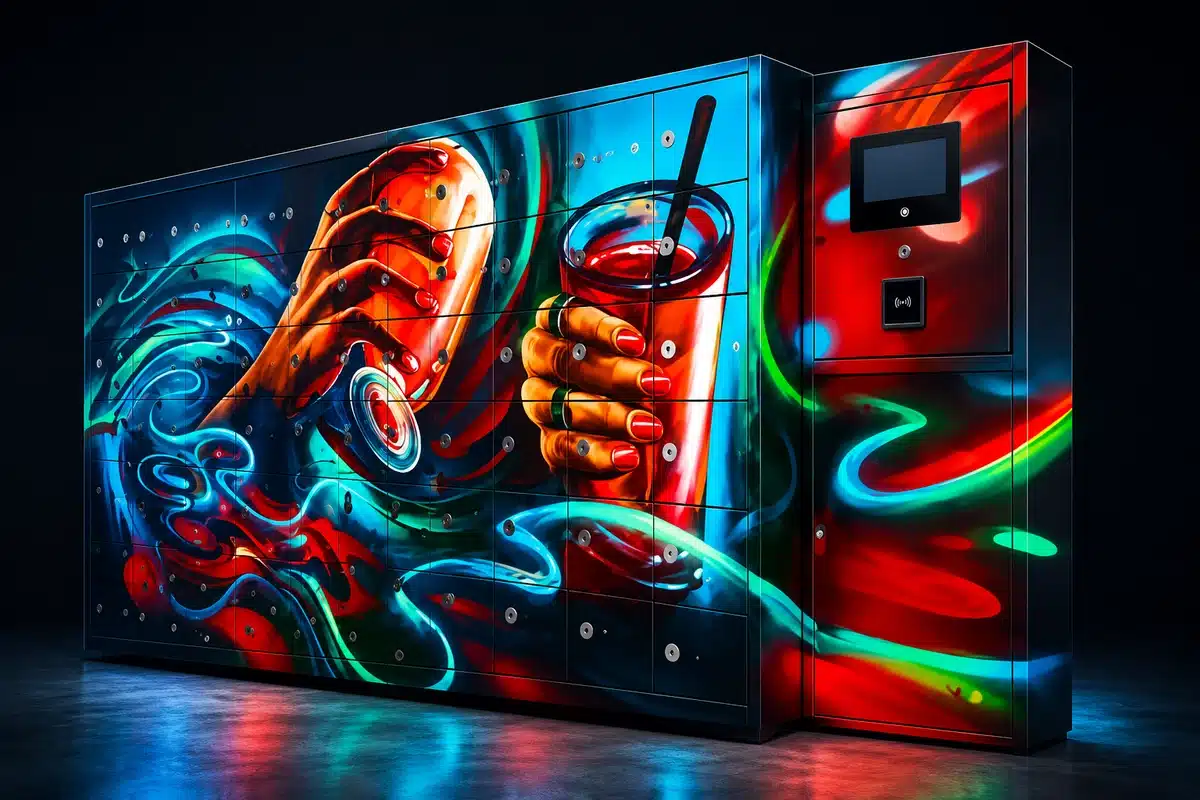
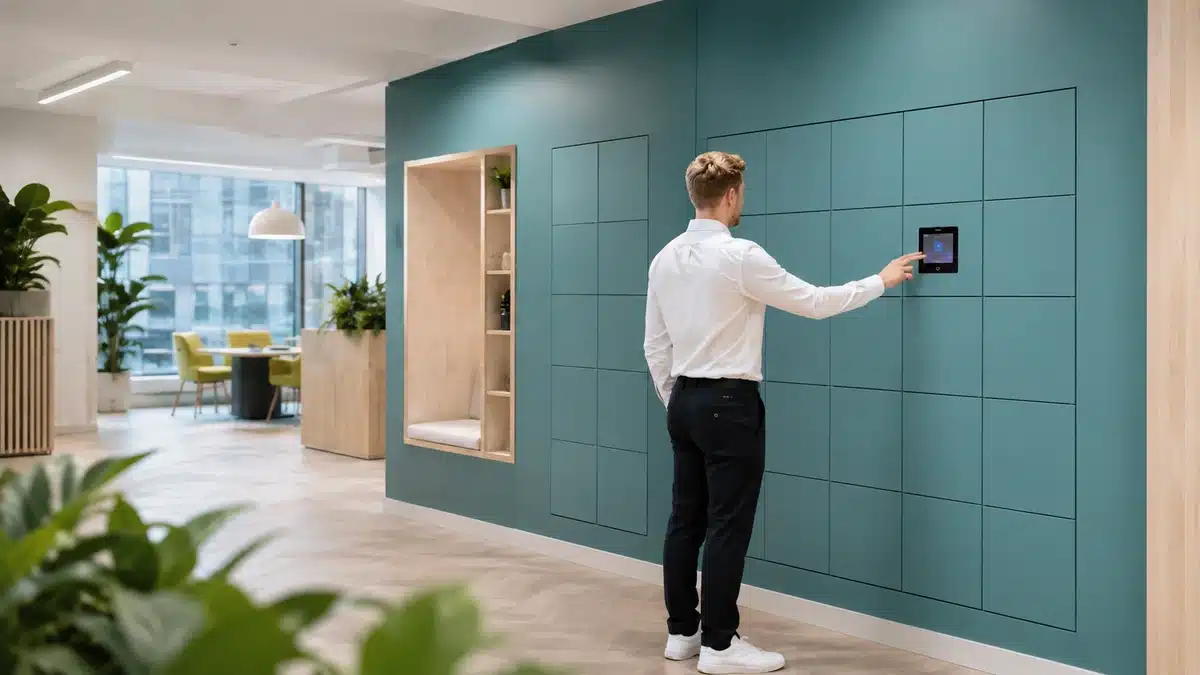

We design and deliver integrated systems for streamlined check-ins, secure storage, and enhanced visitor management. Our trusted partner network and focus on sustainability, data security, and customer success drives us to provide the most effective and user-friendly solutions.
We design and deliver integrated systems for streamlined check-ins, secure storage, and enhanced visitor management. Our trusted partner network and focus on sustainability, data security, and customer success drives us to provide the most effective and user-friendly solutions.
Smart locker location guide
Choose the right cabinet, components and site works by assessing exposure, temperature, moisture, corrosion, power, connectivity, drainage, accessibility, security and maintenance.
The short answer
Indoor smart lockers operate within a controlled building envelope. Outdoor lockers must tolerate the defined combination of rain, wind-driven water, temperature, sunlight, condensation, dust, corrosion and public exposure. A canopy may reduce direct rainfall but does not automatically create an indoor environment.
Select the location before finalising the product. The cabinet, locks, readers, touchscreen, payment terminal, power distribution, cable entries, fixings and network equipment must all suit their individual exposure. The substrate, drainage and maintenance access must suit the installed wall.
Record the chosen location, environmental limits and verification evidence within the enterprise smart locker specification.
Classify the exposure
Inside a conditioned building with managed temperature, limited moisture and controlled public access.
ExamplesUnder a canopy, in an open concourse or within an unconditioned entrance where humidity, wind, dust and temperature still vary.
ExamplesSubject to direct weather, larger temperature changes, ultraviolet exposure and greater contamination or vandalism risk.
ExamplesClassify the worst credible conditions at the exact locker position. Roof coverage, orientation, surrounding walls and local drainage can change exposure significantly within the same site.
Specification comparison
| Decision area | Indoor deployment | Outdoor or exposed deployment |
|---|---|---|
| Cabinet construction | Can prioritise interior finish, furniture integration and normal commercial wear. | Requires materials, coatings, joints and fixings selected for water, corrosion, UV and impact exposure. |
| Water and dust | Assess cleaning, spills, humidity and any wet adjacent activity. | Define rain direction, splash, wind-driven water, dust and cable-entry exposure for each component. |
| Temperature | Usually follows the building’s operating range. | Confirm minimum, maximum, solar gain, frost, condensation and component operating limits. |
| Power | Often routed through controlled building services. | Requires suitable external distribution, isolation, protection, cable routes and competent electrical design. |
| Connectivity | Building Ethernet, Wi-Fi or cellular service may be available. | Survey signal and cable paths at the installed face; weather and enclosure can affect equipment choice. |
| Base and fixings | Verify floor loading, level, anchoring and building finishes. | Verify structural base, anchoring, wind exposure, drainage falls, standing water and buried services. |
| User environment | Lighting, circulation and accessibility integrate with the interior. | Add glare, rain shelter, ice, surface drainage, night lighting, approach route and personal safety. |
| Maintenance | Controlled access and predictable working conditions. | Plan weather-safe isolation, service clearances, cleaning, corrosion inspection, water checks and seasonal access. |
Cabinet and component selection
Suited to dry indoor settings where a furniture-led finish matters. Confirm impact, cleaning and moisture conditions.
Useful for durable indoor applications and moisture-resistant surfaces. Confirm the complete construction and edge details for the location.
Robust for many commercial interiors. Specify door thickness, coating, cleaning, impact and local humidity requirements.
Designed for external exposure when configured with suitable components, finishes, interfaces and site works.
Ingress protection
The IEC IP code classifies protection provided by an enclosure against access to hazardous parts and ingress of solid objects and water. The first numeral concerns solids; the second concerns water.
An IP rating for a QR reader, terminal or electrical enclosure applies to that component and tested configuration. It should not be extended to the cabinet, door gaps, cable entries or entire installed locker wall without matching evidence.
Vpod currently lists an IP65 QR/barcode reader option for outdoor Vflex workflows. The complete Rain configuration and every selected accessory should still be checked against the actual exposure and installation design.
See the IEC ingress-protection guide for the meaning of IP codes.
Site survey
Orientation, canopy, wind, rain paths, splash, dust, salt, pollutants, direct sun and shade.
Recorded and design temperatures, humidity, condensation, frost, snow and extreme-weather procedures.
Dimensions, levels, loading, fixing zones, waterproofing, drainage, services and expansion space.
Supply, isolation, protective devices, cable route, network method, signal strength and resilience.
Approach, clear space, reach, lighting, glare, weather shelter, queueing and accessible compartments.
Visibility, surveillance, impact risk, unauthorised access, high-value contents and emergency response.
Opening hours, item dwell, cleaning, waste, inspections, faults, overrides and local ownership.
Vehicle access, lifting, route, working area, permits, safe isolation and future component replacement.
User experience and accessibility
Provide a firm, level and unobstructed route with sufficient manoeuvring and waiting space.
Place accessible compartments, readers and controls within appropriate reach and verify with representative users.
Test glare, contrast, wet screens, gloves, mobile brightness, QR presentation and night-time lighting.
Consider shelter for the person and stored item, not only protection of electronics.
Assess lighting, visibility, surveillance, isolation and hours of use—especially for 24/7 external access.
Provide an accessible credential, support route and exception process when the primary journey is unsuitable.
Location decision checklist
Document the actual rain, dust, temperature, sunlight, corrosion and public-access conditions.
Confirm cabinet, locks, controls, terminal, reader, payment, power, cabling and network equipment.
Approve base, fixings, drainage, cable routes, dimensions, delivery, lifting and service access.
Verify approach, reach, visibility, shelter, lighting, queueing, credentials and support.
Assign inspection, cleaning, fault response, override, security and seasonal maintenance.
Inspect installation, sealing, drainage, power, connectivity, opening, transactions and monitoring before handover.
Specify the location first
Bring site photographs, drawings, exposure, temperature, user journey, power, connectivity and maintenance requirements. Vpod can help convert them into an appropriate locker and installation scope.