Ingress surges
Thousands of visitors arrive inside a narrow window before a fixed start time.


We design and deliver integrated systems for streamlined check-ins, secure storage, and enhanced visitor management. Our trusted partner network and focus on sustainability, data security, and customer success drives us to provide the most effective and user-friendly solutions.


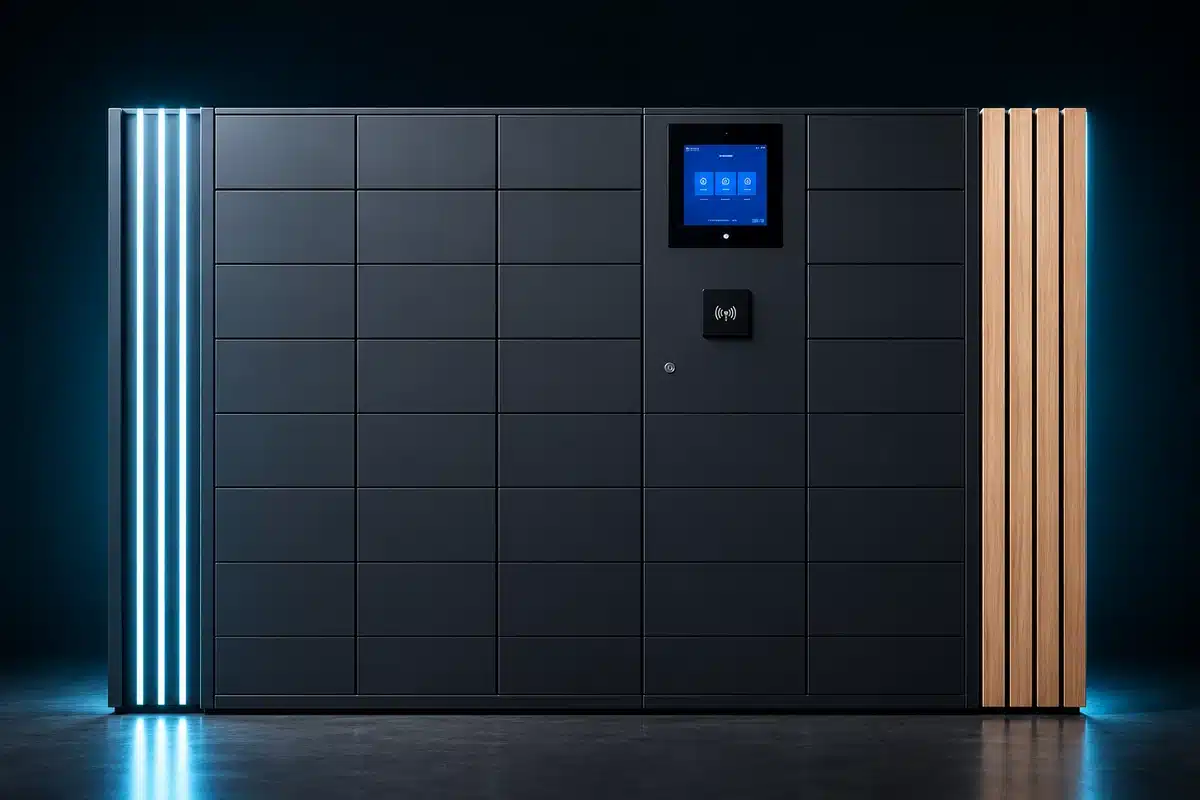
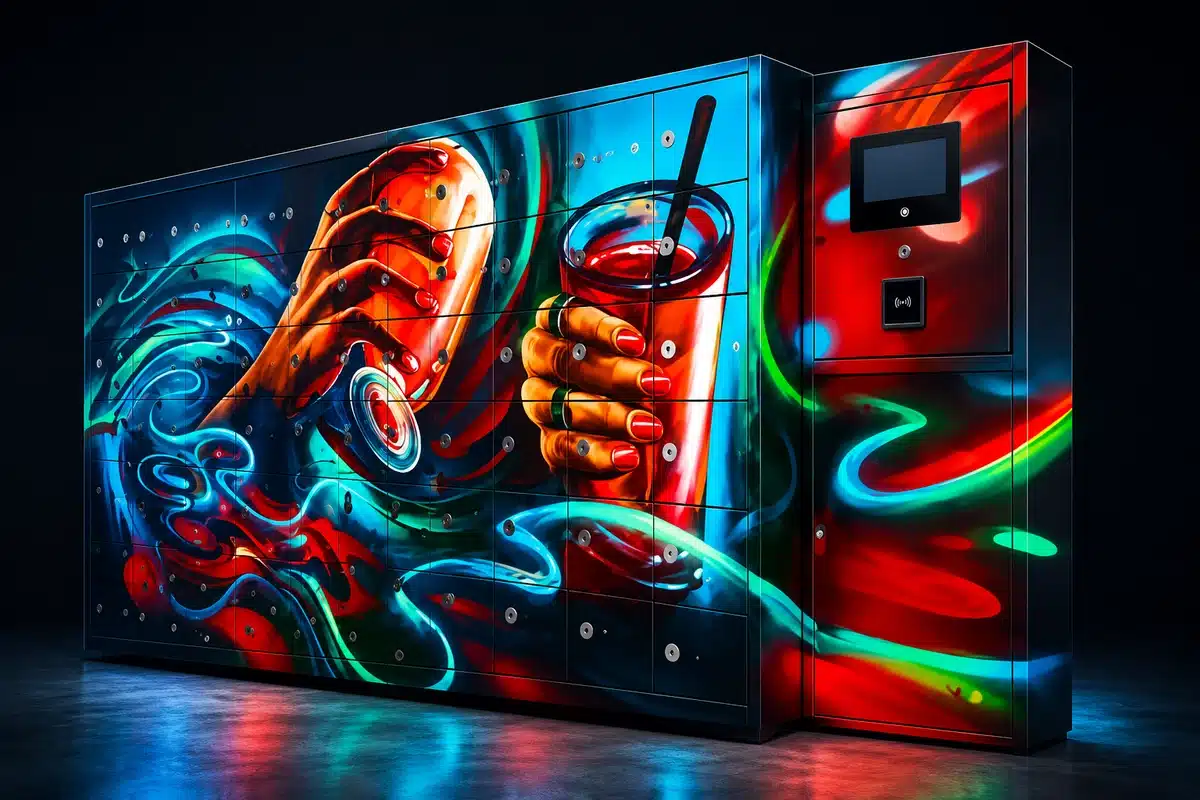
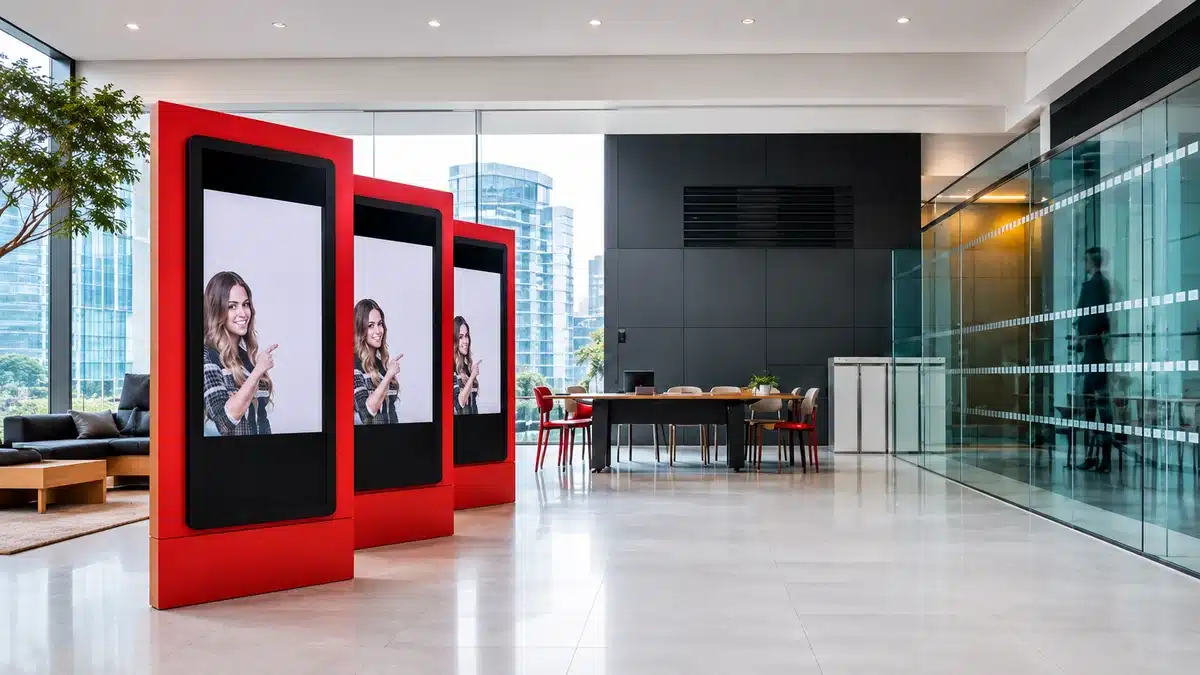
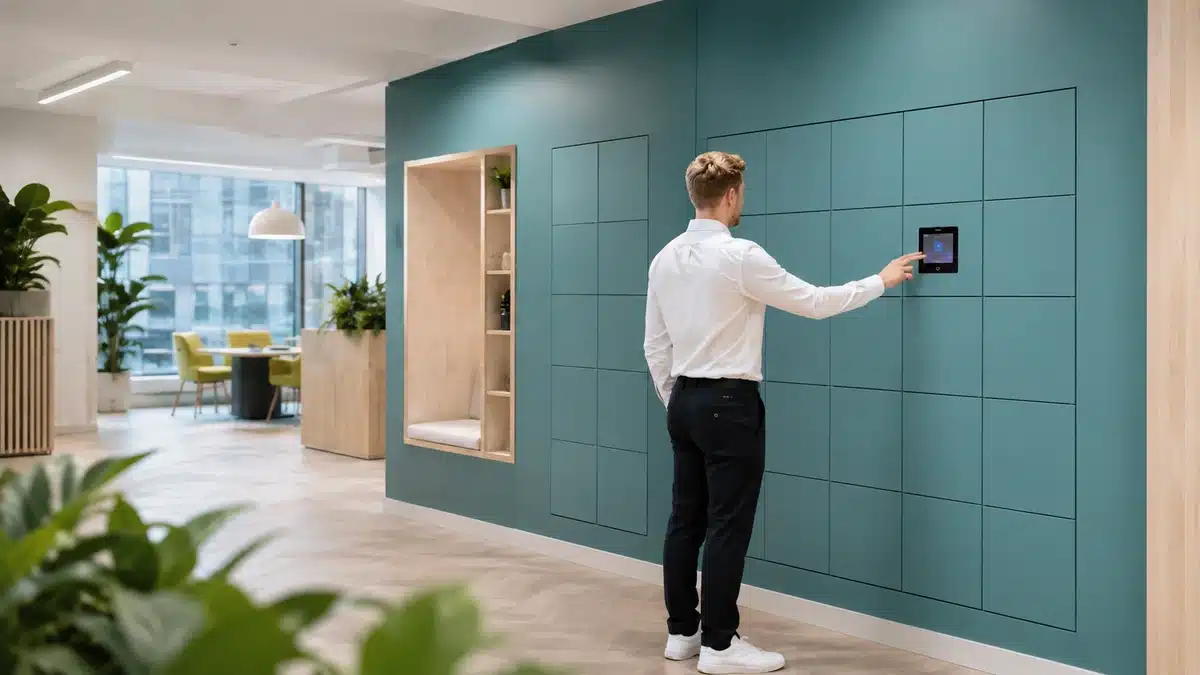

We design and deliver integrated systems for streamlined check-ins, secure storage, and enhanced visitor management. Our trusted partner network and focus on sustainability, data security, and customer success drives us to provide the most effective and user-friendly solutions.
We design and deliver integrated systems for streamlined check-ins, secure storage, and enhanced visitor management. Our trusted partner network and focus on sustainability, data security, and customer success drives us to provide the most effective and user-friendly solutions.
Museums, galleries & cultural attractions
Give visitors secure self-service bag storage, reduce cloakroom queues and keep entrances and galleries clear from arrival to collection.
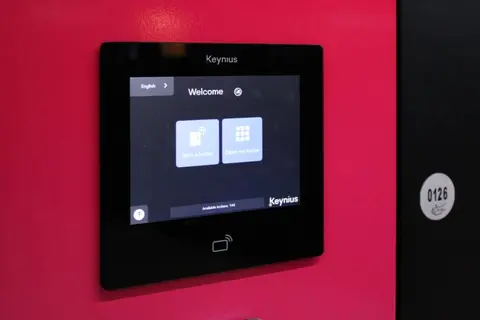
Where museum operations break down
Bag handling sits upstream of screening, entry and customer experience. When it slows, pressure spreads across the perimeter.
Thousands of visitors arrive inside a narrow window before a fixed start time.
Ad-hoc decisions and no clear storage alternative slow screening lanes.
Sequential tagging and handling cannot scale with high-volume arrivals.
Queues extend beyond controlled areas and increase crowd density.
Simultaneous manual retrieval delays egress and museum clearance.
Teams are diverted from safety and guest support into repetitive handling.
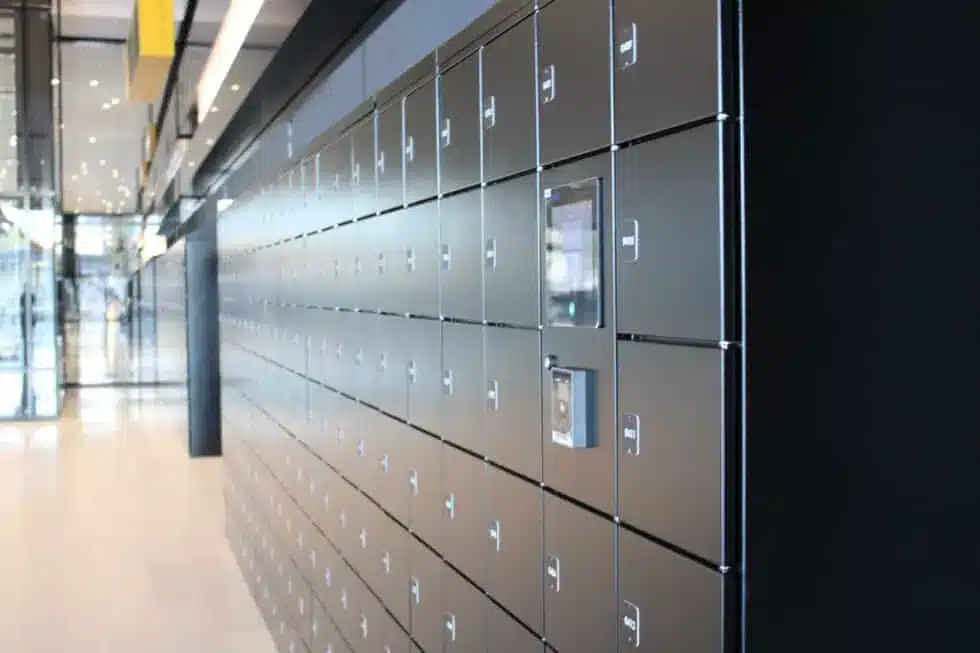
Protect the entry system
Museum entry flow improves when storage is visible, simple and positioned before the point of pressure. Visitors retain control while operations teams gain a repeatable alternative to manual cloakrooms.
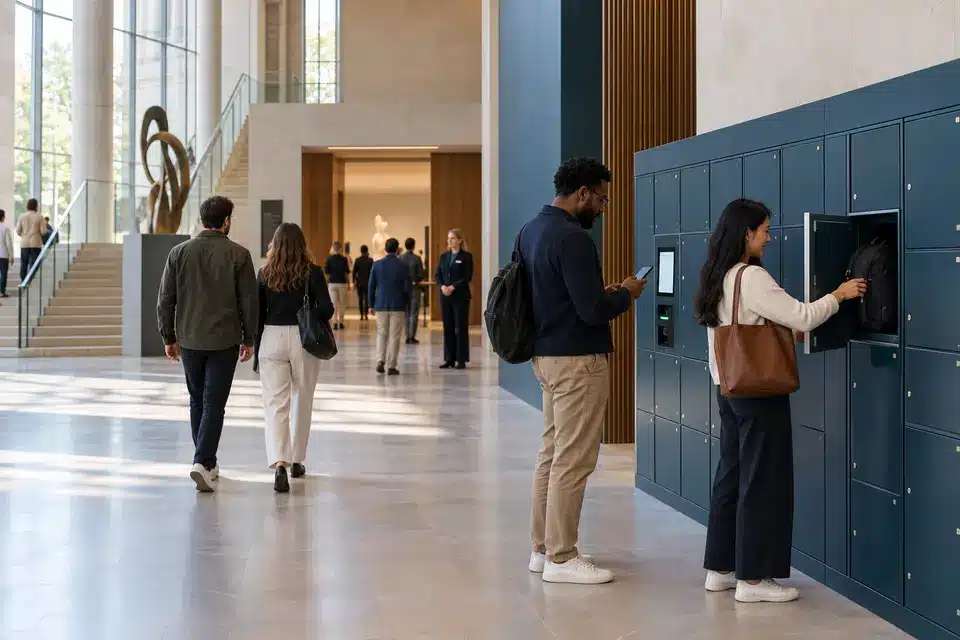
A connected visitor journey
Make storage discoverable before arrival and frictionless at the museum.
Within ticketing, pre-event messages or museum channels.
Selects capacity and completes payment if required.
A controlled digital route to the assigned door.
The visitor proceeds to screening without bag friction.
Parallel retrieval supports museum clearance.
Different museums, different operating pressures
Support major crowds, bag policies and commercial storage around scheduled events.
Reduce late seating and accelerate retrieval when audiences leave together.
Provide secure storage throughout longer opening hours and changing demand.
Featured museum evidence
Digital discovery, booking, payment and access create a repeatable self-service operation that supports customer convenience and attributable commercial value.
Watch museum operations in context
Three focused videos connect operational performance, security readiness and advanced GainShare buying guidance for suitable museums.
See how a connected booking and access journey supports museum performance.
Watch on Vpod YouTube ↗Understand how CrowdStor can support flow and operational preparedness.
Watch on Vpod YouTube ↗Evaluate demand, placement, pricing, promotion and operating responsibilities before committing to a shared-revenue museum locker service.
Watch the advanced buyer’s guide ↗Build the museum case
Understand why crowd flow breaks when bags and screening collide at peak arrival.
Explore museum entry bottlenecks →Compare permanent museum infrastructure with mobile storage for variable events.
Compare museum and temporary storage →Review customer value, uptake, operating cost and revenue potential.
Compare free and paid storage →Cloakroom vs self-service infrastructure
One platform across the museum
Configure the service around location, demand, compartment mix and commercial model while retaining central visibility.
Explore the Vpod platformFor museum decision-makers
Improve ingress, egress, throughput and consistency across event days.
Explore operations priorities →Enforce bag policy while reducing screening friction and perimeter queues.
Explore the security journey →Plan secure, resilient storage around the building and event-day operation.
Explore the facilities journey →Discuss your museum environment
Share attendance, arrival patterns, bag policy, available footprint and commercial goals. Vpod will recommend the right capacity, location and deployment model.