GainShare
Capex-Free Lockers
HID × Vpod

Trusted identity. Smarter workplace storage.

Bring familiar physical and mobile credentials into the smart-locker journey so employees, visitors and operational teams can move from building access to secure storage with less friction.

Trusted accessReuse established identity and credential approaches where configured.
Mobile-first journeysSupport smartphone and wearable access alongside cards and badges.
Connected workflowsBring locker access into the wider workplace identity and security environment.
Better visibilityImprove auditability across storage, issue, return and collection workflows.
Two capabilities, one workplace journey

Physical access meets intelligent storage.

HID focuses on trusted identity, credentials and access. Vpod turns secure storage into connected operational infrastructure. Together, those capabilities can help organisations reduce the number of separate access steps employees encounter during the working day.

HID

Identity and access

HID supports secure access with cards, mobile credentials, wallets, readers and access-control technologies.

  • Physical access credentials
  • Mobile and wallet-based access
  • Credential lifecycle and revocation
  • Reader and access-control infrastructure
Vpod

Intelligent locker infrastructure

Vpod combines configurable locker hardware with cloud management, workflow design and enterprise integration support.

  • Workplace and shared lockers
  • IT asset lockers
  • Parcel and collection workflows
  • Central administration and reporting
Identity to locker access

A familiar credential can become part of the locker journey.

The exact implementation varies by project. A practical deployment starts by defining who the user is, which credential is trusted, what they are entitled to access and how locker events are recorded and returned to the systems around them.

IdentifyEmployee, visitor, contractor or operational user is recognised.
AuthenticateCard, mobile credential, wallet or other supported identity method is presented.
AuthorisePermissions, site, time window and workflow entitlement are checked.
AllocateVpod/Keynius selects or confirms the right locker or compartment.
AccessUser opens, collects, stores or returns the item securely.
ReportLocker activity, occupancy and exceptions can be recorded for operational visibility.
Integration architecture

Design the identity journey before choosing the connection pattern.

Vpod’s integration method starts with user intent, ownership, data exchange, authentication and exception handling. HID can provide the trusted credential and access layer; the locker workflow then needs a clearly defined interface, security model and operational owner.

User / service eventEmployee, visitor, asset request or collection need.
HID identity / credentialCard, mobile credential, wallet or supported access technology.
Agreed workflow layerEntitlement, mapping, API, connector or supported access pattern.
Vpod / KeyniusLocker allocation, permissions, session and operational workflow.
Smart lockerSecure physical action, collection, return or storage.

Architecture is illustrative. Reader compatibility, credential technology, field mapping, security controls and support responsibilities must be confirmed during solution design.

Use cases

One identity approach. Multiple locker workflows.

IT asset lockers

Secure issue, swap, collection and return workflows for laptops, peripherals and other equipment.

Explore asset lockers →

Parcel lockers

Authenticated collection journeys that can reduce manual reception handling and improve chain of custody.

Explore parcel lockers →

Visitor & contractor storage

Time-bound storage for temporary users where identity, visit windows and access rules need to stay controlled.

Explore connected workflows →
Mobile-first workplace

Make the credential travel with the person.

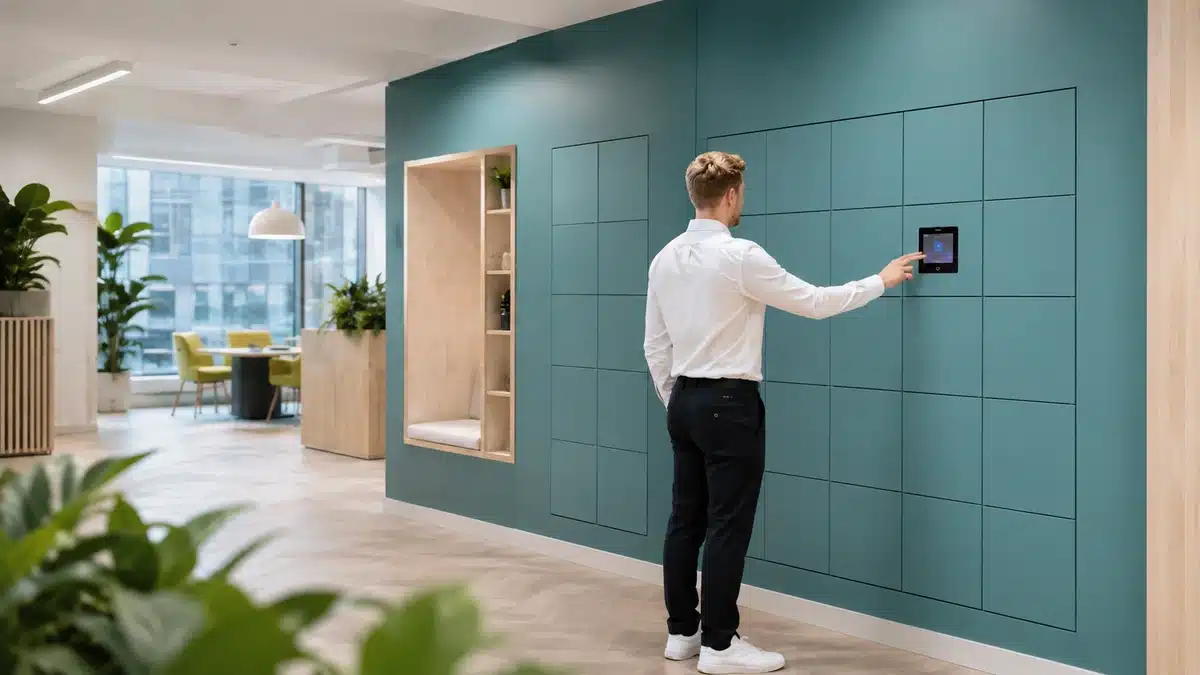
HID’s current mobile-access proposition supports smartphones and wearables as workplace credentials, including app and digital-wallet experiences. HID also positions the same mobile credential as usable across workplace services such as doors, printers, desks and smart lockers.

Design principle

Access should follow the user journey.

Employees may prefer the same card, phone or watch they already use for the building. Visitors may need temporary credentials. Higher-risk workflows may require stronger controls. The locker access method should reflect identity, security, duration and operational context.

Security & governance

Secure access is more than opening the door.

Enterprise locker deployments need a clear model for who can access what, when credentials are issued or revoked, what data is retained, how failed access is handled and which system owns the decision.

Identity lifecycleJoiners, movers, leavers, temporary identities and revoked credentials.
Least privilegeOnly the right user, site, workflow and compartment should be available.
AuditabilityAccess and locker events should be traceable across the workflow.
Exception handlingCredential failure, offline states, expired access and reassignment need defined paths.
Vpod smart locker video preview showing a user accessing a connected locker
See Vpod in action

Smart lockers in real workplace workflows.

Explore Vpod customer stories, product videos and use cases covering workplace storage, asset management, parcels and connected smart-locker journeys.

Trusted identity meets intelligent storage

Make locker access part of the connected workplace.

Talk to Vpod about a HID-enabled smart-locker journey that aligns identity, permissions, locker workflows and operational ownership around the people who actually use the workplace.