Workflow and application
Employee storage, parcels, IT assets, retail collection, luggage and paid rental each require different user journeys, permissions and operational rules.


We design and deliver integrated systems for streamlined check-ins, secure storage, and enhanced visitor management. Our trusted partner network and focus on sustainability, data security, and customer success drives us to provide the most effective and user-friendly solutions.


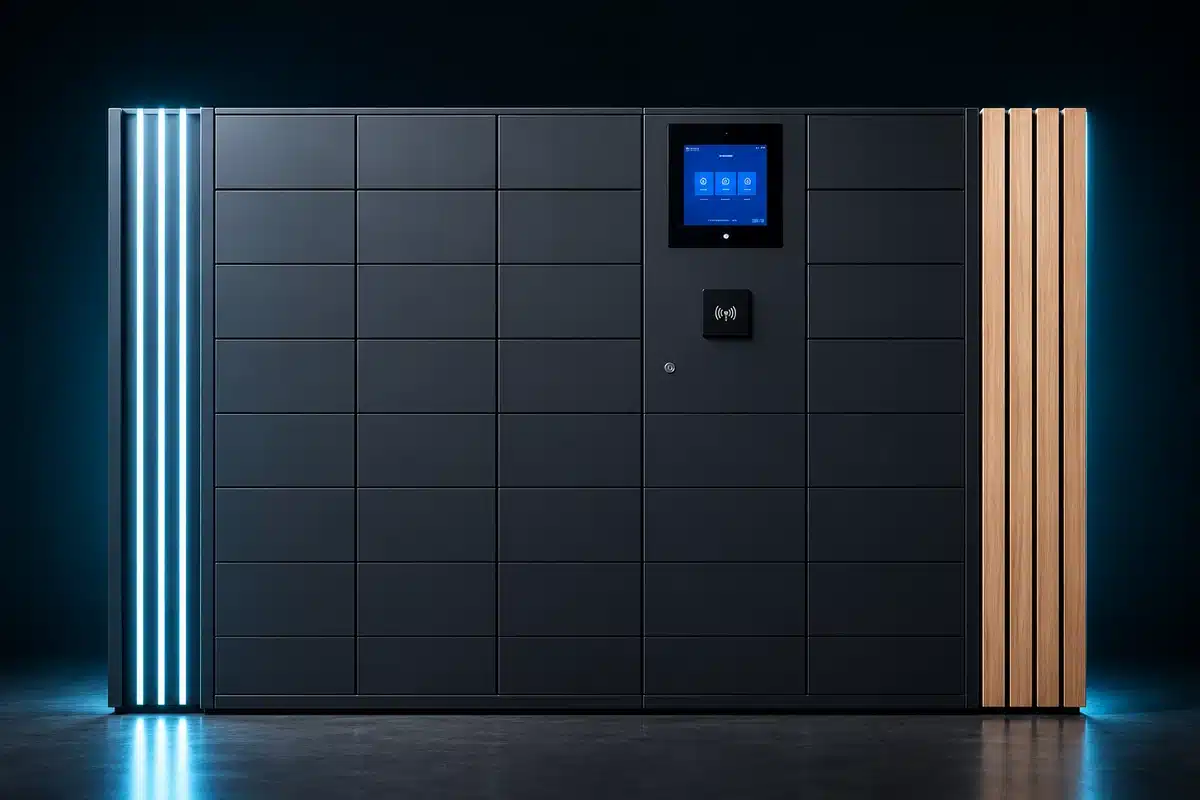
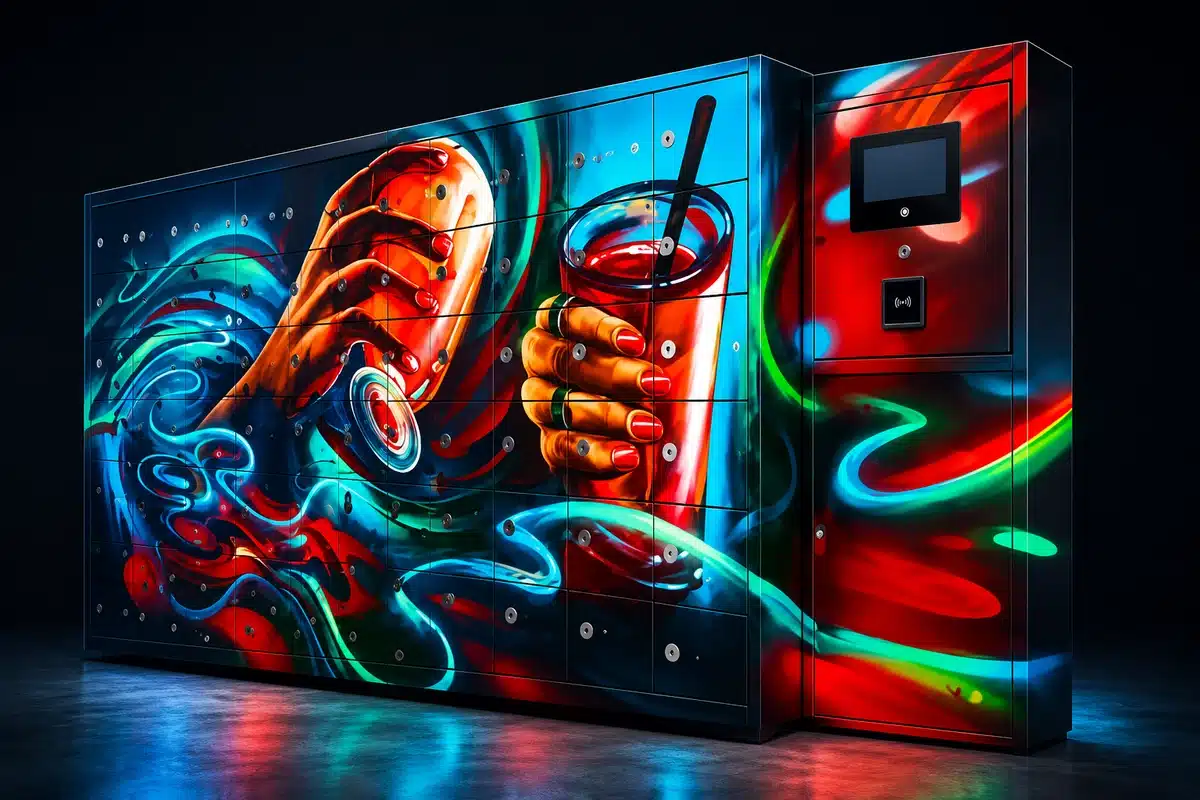

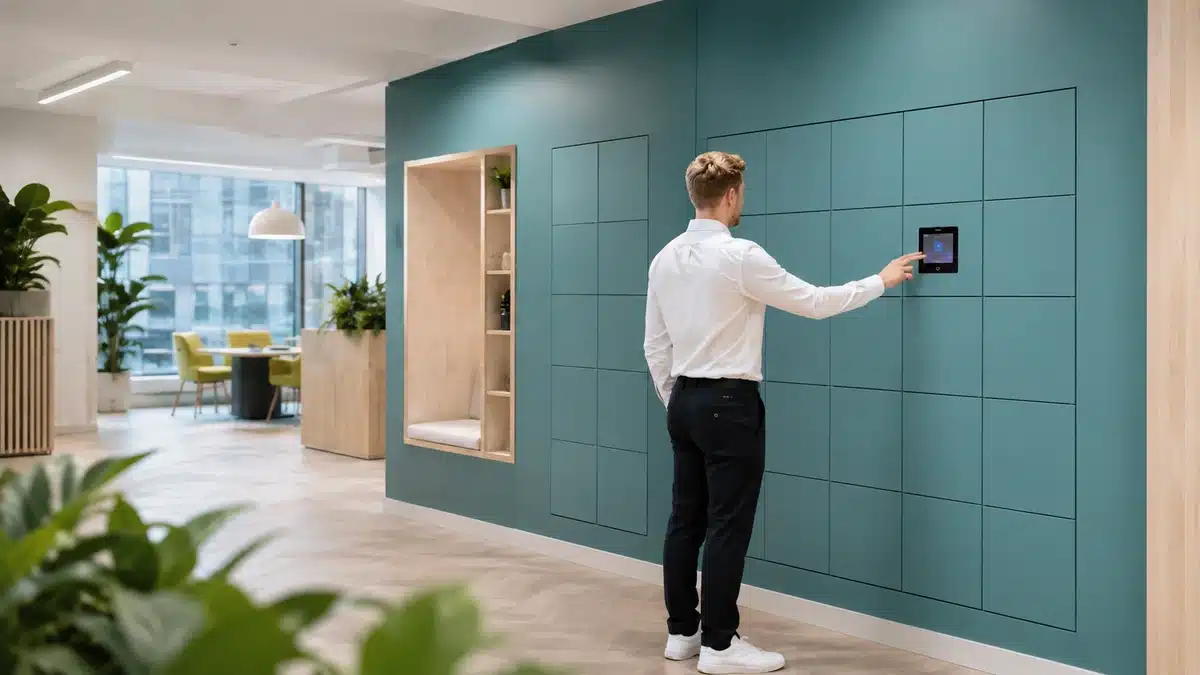

We design and deliver integrated systems for streamlined check-ins, secure storage, and enhanced visitor management. Our trusted partner network and focus on sustainability, data security, and customer success drives us to provide the most effective and user-friendly solutions.
We design and deliver integrated systems for streamlined check-ins, secure storage, and enhanced visitor management. Our trusted partner network and focus on sustainability, data security, and customer success drives us to provide the most effective and user-friendly solutions.
Smart locker pricing guide
Understand what changes the price of an enterprise smart locker system—and what information suppliers need before they can provide a meaningful quotation.

The short answer
A reliable price depends on the number and size of compartments, cabinet construction, access method, software workflow, integrations, installation environment and support requirement. Two locker banks with the same number of doors can therefore have materially different scopes.
For this reason, a universal “price per door” can be misleading. It may exclude the control terminal, software, integration, delivery, installation, commissioning or ongoing service needed to make the deployment operational.
If you are still deciding whether digital control is necessary, begin with the guide to smart lockers versus traditional lockers.
The main cost drivers
A supplier should be able to show how each factor affects the scope. If the proposal provides only a single total, ask for enough structure to understand what is included.
Employee storage, parcels, IT assets, retail collection, luggage and paid rental each require different user journeys, permissions and operational rules.
Price is affected by the total doors, compartment dimensions, locker-bank layout and the mix of small, medium or specialist compartments.
Steel, compact laminate, wood-based finishes and outdoor-rated configurations have different material, fabrication and environmental requirements.
PIN, QR, RFID, mobile, SSO, barcode, touchscreen and other configured access methods require different readers, terminals and identity journeys.
Charging, ventilation, lighting, payment terminals, scanners, status indicators and other accessories add hardware and configuration scope.
The required allocation model, administrator controls, notifications, reporting, payment rules and multi-site management shape the software scope.
Connections to identity, access control, workplace, parcel, service-management, payment or other platforms require discovery, development and testing.
Site survey, logistics, assembly, installation, commissioning, training, maintenance, support cover and estate scale all influence the final proposal.
Cost structure
A clear proposal distinguishes the initial deployment from the services required to operate and support the system over time.
Why headline prices vary
Consider two 100-door projects. One could be a single indoor employee-storage wall using existing RFID badges and a standard flexible-allocation workflow. Another could span several external locations, include multiple compartment sizes, payment terminals, charging, bespoke branding and an integration with an existing operational platform.
The door count is identical, but the user journey, physical construction, technology and delivery risk are not. Comparing only the price per door would hide the elements that make the second system function.
Configuration affects price
The Vflex smart locker platform can be configured with different cabinet constructions, compartment layouts, access methods and accessories, while the locker management software controls the relevant users, permissions and workflows. Selecting more technology than the workflow needs increases cost without necessarily improving the outcome.
Conversely, omitting a required scanner, payment device, outdoor construction, charging option or integration can produce an attractive headline price that does not meet the operational brief.
Review Vflex configuration options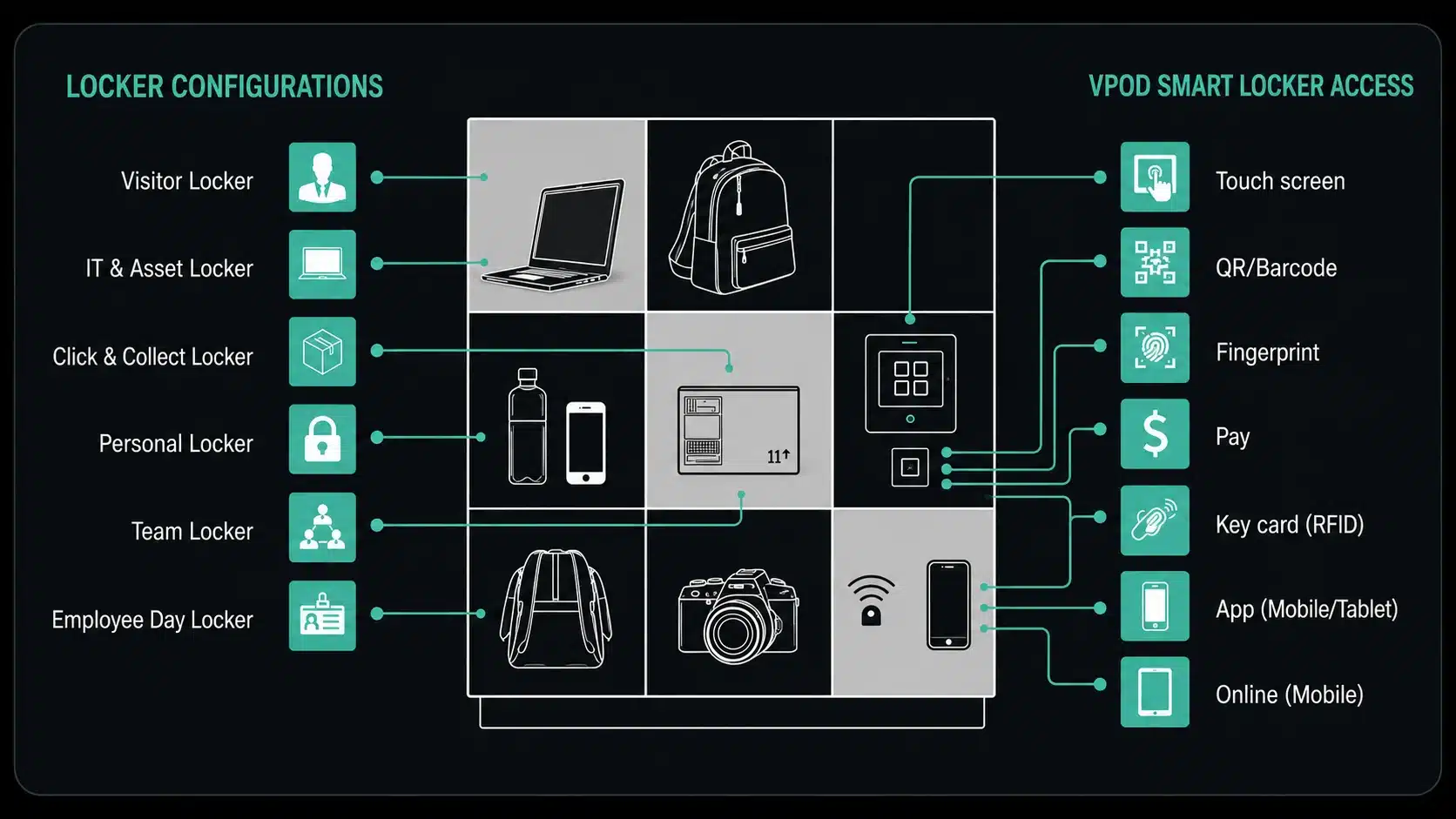
Procurement comparison
| Area | What to request | Common ambiguity to remove |
|---|---|---|
| Hardware | Door count, internal dimensions, materials, locks, terminal and accessories. | Whether controller, reader, end panels and specialist compartments are included. |
| Software | Workflows, user volumes, sites, administrators, reports and contract term. | Whether the licence is included, recurring or limited by users, doors or locations. |
| Integration | Named systems, interfaces, responsibilities, testing and change control. | Whether “integration ready” includes an operational connection or only technical capability. |
| Site work | Survey, power, data, floor/wall preparation, access, delivery route and working hours. | Which enabling works remain the customer’s responsibility. |
| Deployment | Delivery, positioning, assembly, installation, configuration, testing and handover. | Whether the quote ends at delivery or includes a commissioned live system. |
| Support | Support hours, response targets, remote help, call-outs, parts and maintenance. | What is covered, for how long, and what creates an additional charge. |
| Commercial terms | Payment schedule, validity, lead-time basis, taxes, expenses and change process. | Whether totals include all mandatory services and the intended contract duration. |
Early-stage budgeting
Explain who stores, deposits, collects or returns items and where staff intervention occurs today.
Provide user numbers, peak concurrent demand, transaction volumes and expected growth rather than door count alone.
Supply approximate dimensions, photographs, indoor or outdoor location, delivery constraints and known power or data availability.
Identify badges, identity platforms, workplace tools, payment services or operational systems that may need to connect.
Avoid false economies
Check whether the quoted design can support the intended peak demand, user journey, security rules, administrator workload and future expansion. A lower figure may be valid because the solution is simpler—or because important scope has been excluded.
This page deliberately stops at pricing factors. Measuring benefits, payback and lifetime ownership belongs in the separate Smart Locker ROI and Total Cost of Ownership guide so that commercial justification does not blur the initial quotation comparison.
Build a useful budget
Bring your workflow, approximate user volumes, site information, access requirements and integration questions. Vpod can help turn them into an appropriate configuration and commercial scope.